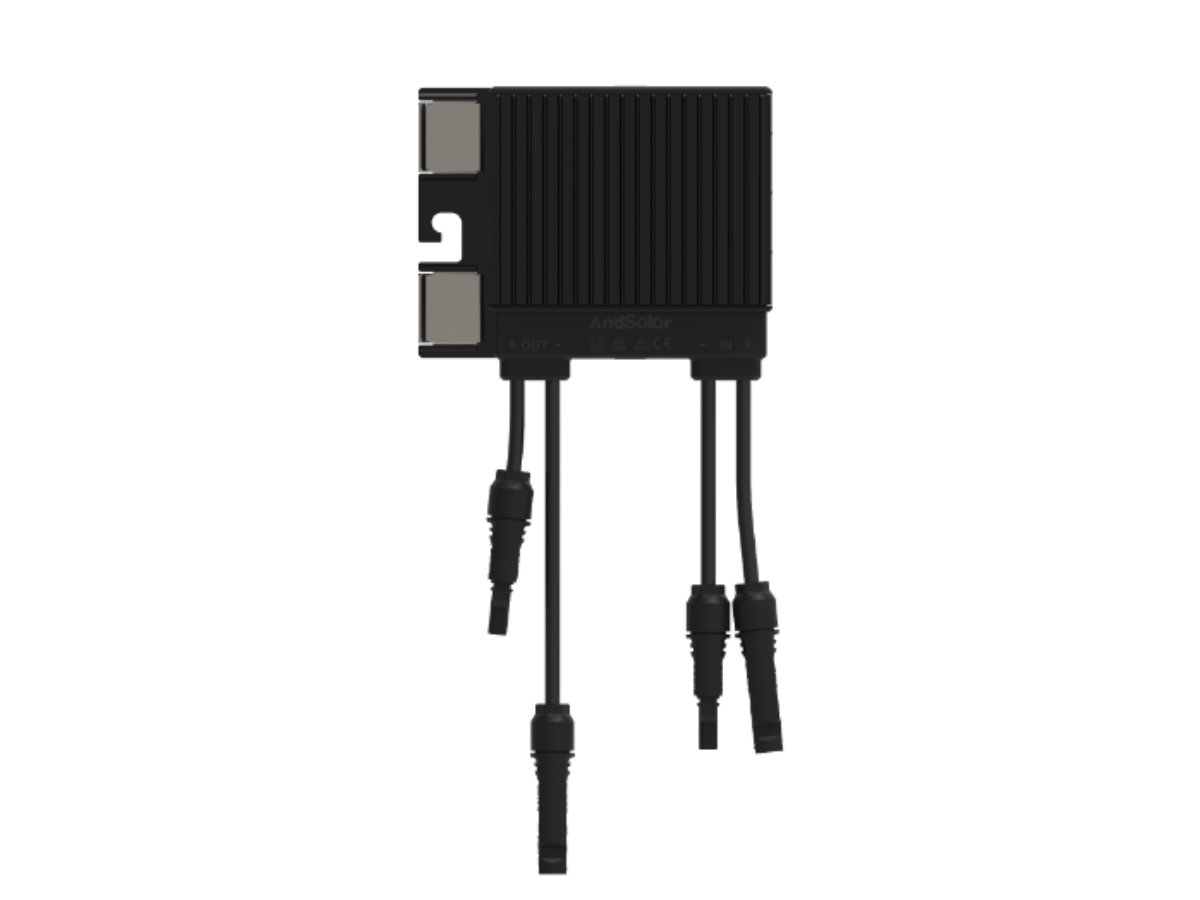
The evolution of solar technology has created a critical choice for system designers and installers: deploying separate rapid shutdown devices and optimizers, or embracing an integrated hybrid rapid shutdown optimizer solution. This decision fundamentally impacts system reliability, installation complexity, maintenance requirements, and long-term operational efficiency. Understanding the distinct advantages of a hybrid rapid shutdown optimizer approach reveals why modern solar installations increasingly favor this unified technology over managing multiple single-purpose devices.
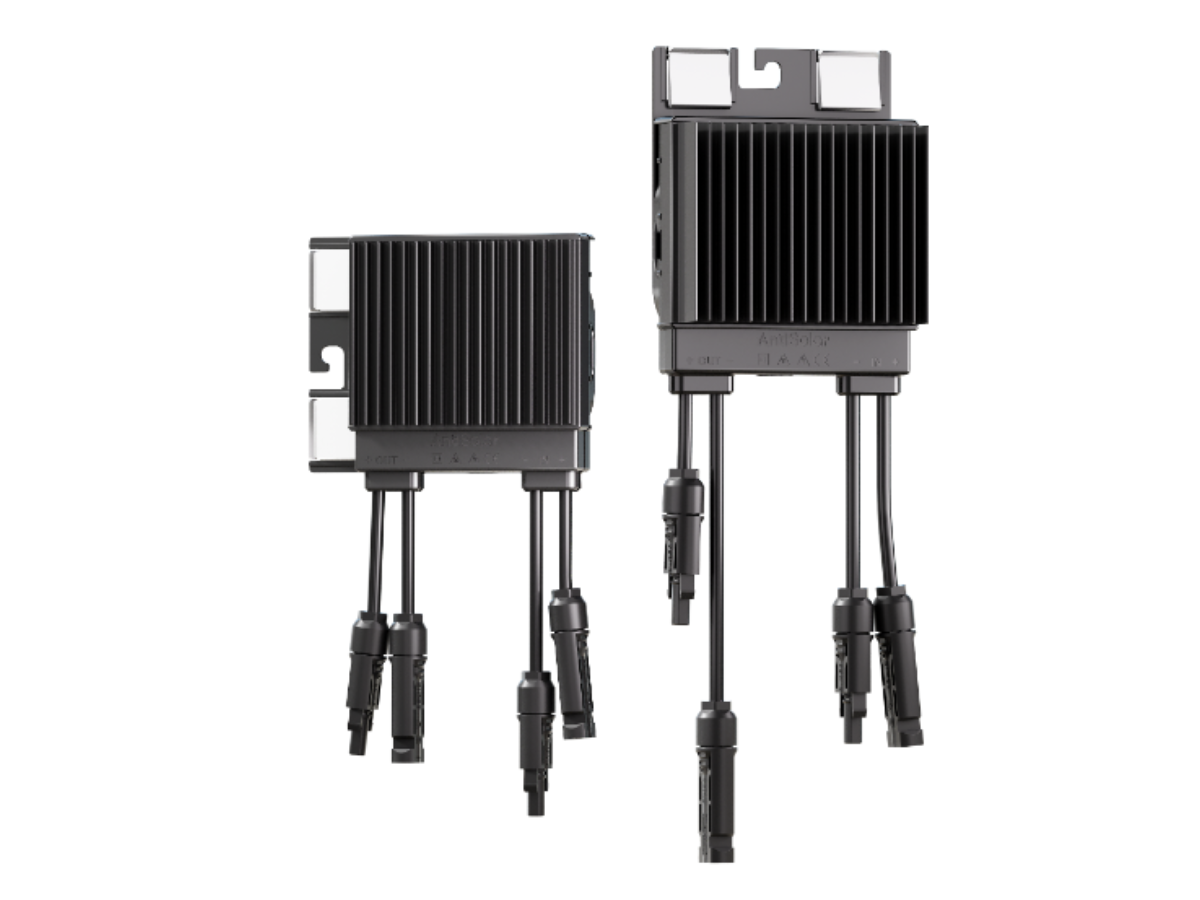
When you implement a hybrid rapid shutdown optimizer, you consolidate multiple safety and performance functions into a single, streamlined platform. Rather than managing disparate systems that must communicate and coordinate independently, a hybrid rapid shutdown optimizer integrates rapid shutdown compliance with power optimization in one cohesive unit. This integration reduces complexity, cuts installation time, minimizes potential failure points, and delivers superior monitoring capabilities across your entire solar array.
Streamlined Installation and System Architecture
Reduced Hardware Footprint and Wiring Complexity
One of the most compelling advantages of a hybrid rapid shutdown optimizer is the dramatic reduction in physical hardware and wiring requirements. Traditional installations demand separate rapid shutdown devices at the module or string level, then additional optimizer units to handle power conditioning. This multiplication of equipment creates complicated wiring harnesses, more junction boxes, and intricate interconnection schemes. By contrast, a hybrid rapid shutdown optimizer consolidates these functions, requiring fewer physical components and significantly less wiring infrastructure. Installation crews complete jobs faster, with fewer potential connection errors and reduced labor costs on site.
Simplified Electrical Design and Documentation
Electrical design for hybrid rapid shutdown optimizer systems is inherently simpler than coordinating multiple single-device platforms. Engineers specify one integrated solution rather than two separate component types, simplifying bill-of-materials preparation, purchasing, and inventory management. The technical documentation for a hybrid rapid shutdown optimizer is more straightforward, reducing confusion during installation and maintenance. System single-line diagrams become clearer, permitting and inspection processes move faster, and future technicians benefit from a unified approach rather than deciphering complex multi-device interactions.
Enhanced Safety and Compliance Excellence
Unified Rapid Shutdown Performance
A hybrid rapid shutdown optimizer ensures that rapid shutdown functionality works seamlessly with optimization logic, eliminating potential conflicts between independent systems. When rapid shutdown commands are initiated, a hybrid rapid shutdown optimizer responds instantly and uniformly across the entire array, because shutdown and optimization operate within the same firmware and hardware platform. This unified approach prevents timing mismatches or communication delays that could compromise safety during emergency situations. Every module or string equipped with a hybrid rapid shutdown optimizer receives coordinated shutdown signals, ensuring consistent rapid shutdown performance across the installation.
Integrated Monitoring and Diagnostic Capability
Because a hybrid rapid shutdown optimizer merges rapid shutdown and optimization functions, comprehensive monitoring becomes inherent rather than bolted-on. Single-device installations require parallel monitoring systems that track rapid shutdown status separately from optimizer performance, creating redundant data streams and potential blind spots. A hybrid rapid shutdown optimizer generates unified telemetry covering both safety compliance and power optimization simultaneously. Installers and operators gain complete visibility into system health, detect anomalies faster, and respond to issues with greater confidence because all relevant data comes from one trusted source.
Superior Long-Term Reliability and Cost Efficiency
Reduced Points of Failure and Maintenance Burden
Each additional device in a solar installation represents another potential failure point, requiring replacement, calibration, and technical support. A hybrid rapid shutdown optimizer substantially reduces this burden by consolidating functions into fewer physical units. Fewer devices mean fewer component warranties to track, fewer firmware updates to manage, and fewer field replacements over the system lifetime. Service technicians spend less time troubleshooting interconnection issues between separate rapid shutdown and optimizer devices, and can focus on core system performance rather than managing multi-vendor coordination challenges.
Total Cost of Ownership Advantage
Although initial equipment cost comparisons might appear marginal, total cost of ownership strongly favors a hybrid rapid shutdown optimizer approach. Installation labor savings are substantial when crews deploy fewer physical components and simpler wiring schemes. Spare parts inventory becomes leaner when you stock one advanced hybrid rapid shutdown optimizer unit rather than maintaining separate rapid shutdown and optimizer stock. Over a 25-year system lifespan, cumulative savings from reduced maintenance visits, faster troubleshooting, fewer replacements, and simplified training amplify the financial advantage of integrated solutions. Many system owners find that a hybrid rapid shutdown optimizer delivers compelling payback through operational efficiency gains alone.
Performance Optimization and Monitoring Integration
Synchronized Power Management Across Arrays
A hybrid rapid shutdown optimizer enables synchronized power management because optimization and rapid shutdown operate within the same control architecture. Single-device solutions must attempt to coordinate power output through one mechanism while maintaining rapid shutdown readiness through another, sometimes creating subtle conflicts. The hybrid rapid shutdown optimizer approach unifies these objectives, allowing power optimization to proceed safely while maintaining instantaneous shutdown capability. This synchronization means no performance penalty for safety compliance, and rapid shutdown readiness never compromises efficiency optimization.
Advanced Analytics and Predictive Maintenance
Modern hybrid rapid shutdown optimizer solutions leverage integrated monitoring to deliver predictive maintenance capabilities that single-device systems cannot match. By analyzing performance patterns, component stress, and historical telemetry from one unified platform, operators gain early warning of potential issues before they impact output. A hybrid rapid shutdown optimizer can identify string-level performance degradation, thermal anomalies, or connection quality problems with greater precision because all data originates from the same measurement system. This predictive intelligence enables proactive maintenance scheduling, minimizing downtime and extending equipment life far beyond typical service intervals.
FAQ
How does a hybrid rapid shutdown optimizer improve system safety compared to separate devices?
A hybrid rapid shutdown optimizer consolidates safety and optimization functions within a single integrated platform, eliminating communication delays and coordination failures between independent systems. Because rapid shutdown and power management operate within the same firmware and hardware, the hybrid rapid shutdown optimizer responds to emergency shutdown commands instantaneously and uniformly across all protected circuits. This unified architecture ensures consistent safety performance, removes potential failure points from multi-device coordination, and provides comprehensive real-time monitoring of both safety compliance and operational status from a single source.
What installation benefits does a hybrid rapid shutdown optimizer deliver?
A hybrid rapid shutdown optimizer dramatically simplifies installation by consolidating multiple functions into fewer physical components, reducing wiring complexity, and minimizing junction boxes and interconnection points. Installation crews complete projects faster because they deploy one integrated solution rather than coordinating separate rapid shutdown and optimizer devices. Electrical design becomes straightforward, permitting documentation is clearer, and future maintenance is easier because technicians work with one unified platform instead of managing interactions between multiple vendors' equipment.
Why does a hybrid rapid shutdown optimizer reduce long-term system costs?
Although initial equipment pricing may be competitive, a hybrid rapid shutdown optimizer delivers superior total cost of ownership through lower installation labor, reduced spare parts inventory, fewer maintenance visits, and simplified troubleshooting over the system's 25-year lifespan. Fewer physical devices mean fewer component warranties, firmware updates, and field replacements to manage. Operational complexity decreases significantly when one integrated hybrid rapid shutdown optimizer platform replaces multiple single-purpose devices, allowing technicians to focus on core system performance rather than multi-vendor coordination challenges.
Globally Certified & 100% Factory Tested
Designed for long-term reliability, AndSolar products comply with international certifications including UL1741, UL3741, CSA C22.2 No.330, IEC/EN 62109-1, FCC Part 15 and IEC/EN 61000 series, while meeting NEC 2017/2020/2023 safety requirements. Every product undergoes 100% high-temperature aging tests, rated-stress tests, FCT, AOI, conductivity and sealing inspections before shipment. Reliability is further validated through TC600 thermal cycling (600 cycles), DH2000 damp heat (2,000 hours) and HF10 humidity-freeze testing, exceeding IEC test requirements
Products are manufactured on automated lines with high-precision welding and glue filling, passing 100% high-temperature aging and stress reliability tests before delivery with a production yield of 99.9%. The standardized modular design supports lossless expansion and stable operation at altitudes up to 4000 meters.
The housing adopts top-grade UL94 5VA flame-retardant material with IP68 Type 6P ingress protection, multi-circuit hardware protection and ultra-low 1V disconnection voltage. Wide-temperature components run stably from -40℃ to +85℃ under harsh outdoor conditions, with all products certified by global authorities including TÜV Rheinland,TÜV NORD,CSA and SGS.
