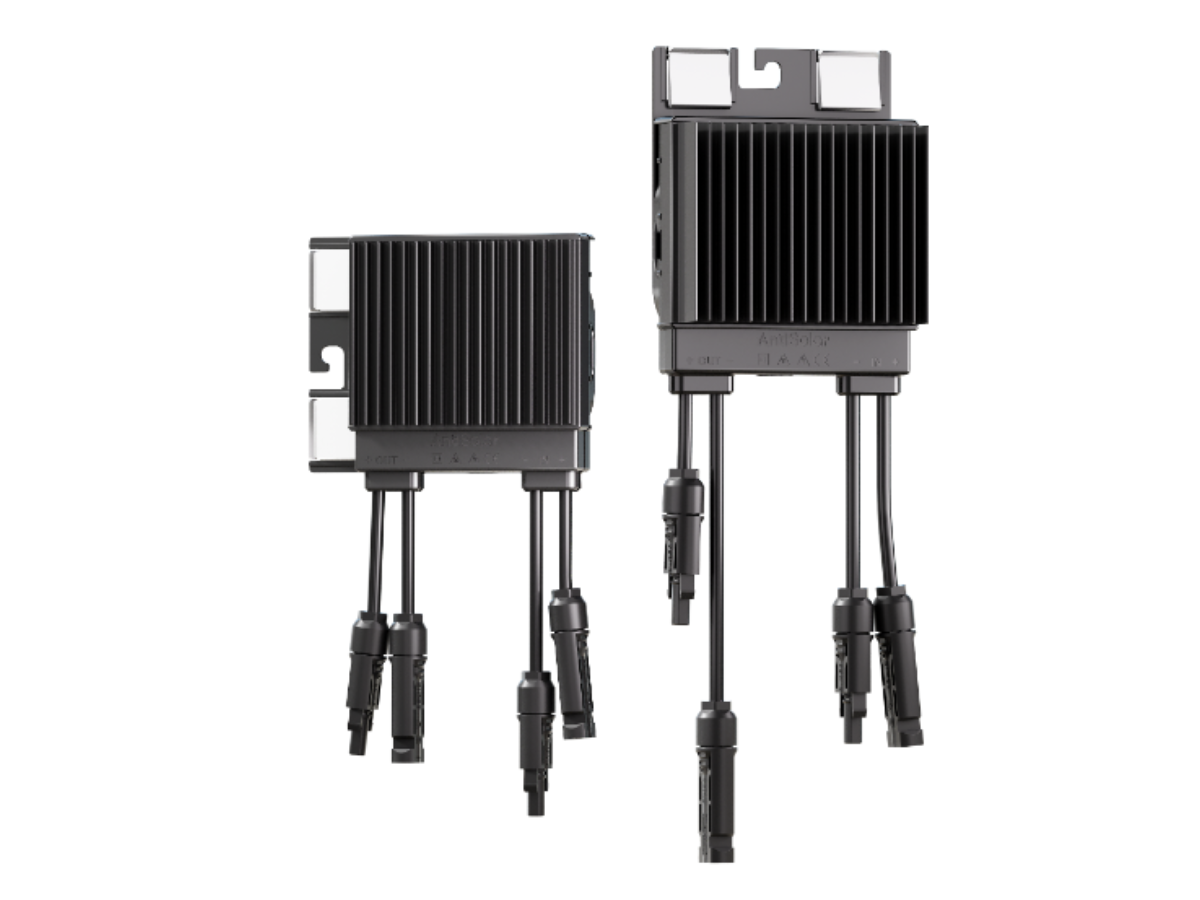
Photovoltaic systems face increasing pressure to balance safety compliance, energy efficiency, and operational reliability in modern solar installations. The integration of hybrid rapid shutdown and power optimizer solutions represents a transformative approach that simultaneously addresses regulatory requirements and performance optimization. These dual-function technologies work synergistically to deliver benefits that far exceed what traditional systems can achieve, making them essential for facility managers, integrators, and solar operators seeking competitive advantage in the renewable energy landscape.
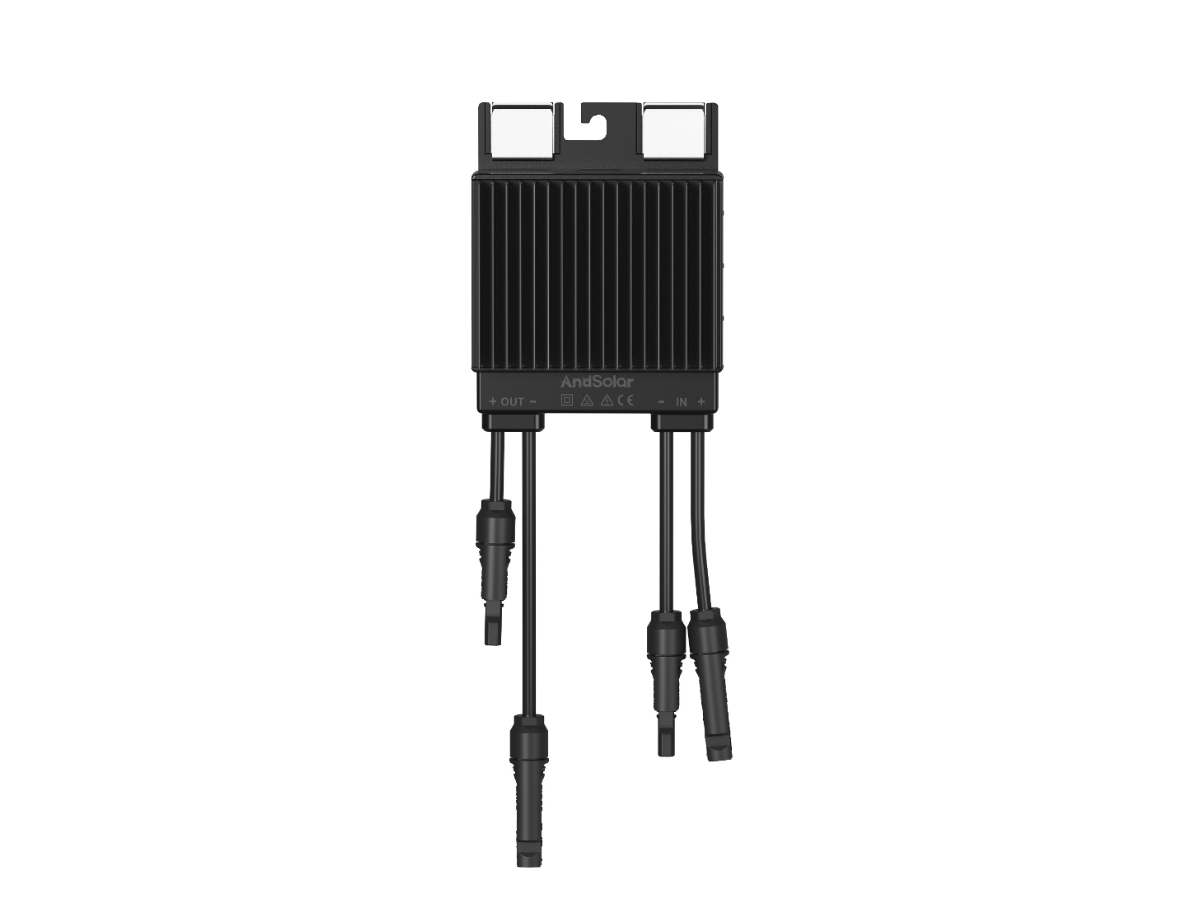
Understanding how hybrid rapid shutdown and power optimizer solutions function together reveals why they have become industry standard in high-performance PV installations. Rather than treating safety and efficiency as competing priorities, these integrated systems create a unified platform that strengthens both aspects simultaneously. The value proposition extends beyond mere compliance to encompass measurable improvements in system uptime, reduced maintenance burden, and enhanced revenue generation.
Safety Compliance and Rapid Shutdown Performance
Meeting Regulatory Requirements with Integrated Technology
Rapid shutdown systems are mandated by electrical codes in most jurisdictions to protect emergency responders and maintenance personnel from high-voltage hazards during system downtime or emergency situations. Hybrid rapid shutdown and power optimizer solutions fulfill these requirements while simultaneously delivering optimization capabilities that standalone rapid shutdown devices cannot provide. This integration eliminates the need for separate hardware installations, reducing overall system complexity and installation costs. A properly configured hybrid rapid shutdown and power optimizer solutions setup can achieve dc voltage reduction to safe levels within milliseconds while maintaining continuous energy monitoring and real-time performance tracking.
Minimizing Response Time and System Downtime
The dual-function nature of hybrid rapid shutdown and power optimizer solutions enables faster activation protocols compared to systems requiring multiple components to communicate sequentially. When an emergency signal is received, these integrated devices can immediately de-energize affected circuits while preserving data logging and system status information. This capability significantly reduces emergency response delays that might otherwise extend operational downtime. Facilities using hybrid rapid shutdown and power optimizer solutions report faster return-to-service times following maintenance or emergency interventions, directly translating to improved system availability and revenue protection.
Energy Optimization and Performance Enhancement
Module-Level Power Optimization Capabilities
Power optimizer technology embedded within hybrid rapid shutdown and power optimizer solutions provides granular control over individual module output, mitigating losses from shading, panel degradation, and thermal stress. Each module operates at its maximum power point independently, rather than being constrained by the least-performing panel in the string. This module-level optimization is particularly valuable in installations where partial shading, soiling variation, or uneven aging occurs across the array. Systems implementing hybrid rapid shutdown and power optimizer solutions typically achieve 3% to 5% additional energy yield compared to conventional string-based architectures, a measurable improvement that compounds over the system's operational lifetime.
Real-Time Monitoring and Predictive Maintenance
The integrated monitoring capabilities within hybrid rapid shutdown and power optimizer solutions provide real-time visibility into module-level performance metrics, including voltage, current, temperature, and impedance characteristics. This granular data enables predictive maintenance algorithms to identify potential failures or degradation before they impact system performance. Facility operators can detect failed bypass diodes, developing microcracks, or connection issues at individual modules rather than discovering problems during scheduled maintenance or customer complaints. Hybrid rapid shutdown and power optimizer solutions reduce diagnostic time by centralizing performance data in accessible cloud-based dashboards, enabling remote troubleshooting and faster resolution of reported issues.
Cost Efficiency and Return on Investment
Reducing Capital and Installation Expenses
Implementing separate rapid shutdown systems and power optimization solutions requires duplicate hardware, separate installation pathways, and additional balance-of-system components that increase both capital expenditure and labor costs. Hybrid rapid shutdown and power optimizer solutions consolidate these functions into a single platform, reducing the quantity of physical devices required and simplifying the electrical design. Installation labor decreases because technicians can configure and test a unified system rather than coordinating multiple independent subsystems. The bill of materials becomes simpler and more cost-effective, particularly beneficial for large-scale deployments where per-watt equipment costs directly impact project economics.
Operational Savings Through Reduced Maintenance Burden
Traditional systems requiring maintenance of separate safety and optimization components create redundant service intervals and documentation requirements that increase operational overhead. Hybrid rapid shutdown and power optimizer solutions consolidate monitoring, diagnostics, and maintenance procedures into unified workflows, reducing the specialized training required for system management. Remote firmware updates can enhance capabilities across the entire fleet without requiring on-site visits to individual devices. Lower maintenance complexity translates directly to reduced labor costs, shorter diagnostic resolution times, and improved mean time between service calls, benefiting facility operators with predictable, manageable operational expenses throughout the system's lifespan.
Industry Applications and Implementation Scenarios
Commercial and Utility-Scale Installations
Large-scale commercial and utility projects benefit enormously from hybrid rapid shutdown and power optimizer solutions because the efficiency gains and reduced maintenance complexity multiply across thousands of modules. A 5 MW installation deploying hybrid rapid shutdown and power optimizer solutions gains approximately 250 kW of additional annual output compared to conventional designs, representing significant revenue enhancement over the system's operational life. Utility operators managing extensive distributed portfolios appreciate the centralized monitoring and management capabilities that hybrid rapid shutdown and power optimizer solutions provide, enabling efficient oversight of safety compliance across multiple sites simultaneously.
Challenging Environmental and Architectural Contexts
Installations facing partial shading from nearby structures, trees, or terrain features experience disproportionately severe performance penalties in conventional systems. Hybrid rapid shutdown and power optimizer solutions are particularly valuable in these scenarios because module-level optimization compensates for shaded panels without dragging down the performance of unshaded panels. Rooftop installations with complex geometries, multiple planes, or south-facing obstructions see dramatic performance improvements when deploying hybrid rapid shutdown and power optimizer solutions. These solutions also excel in retrofit applications where existing structures cannot be modified to improve solar geometry.
FAQ
How do hybrid rapid shutdown and power optimizer solutions improve safety beyond basic compliance?
Beyond meeting minimum rapid shutdown voltage thresholds, these integrated systems provide continuous system monitoring that detects potentially dangerous conditions before they develop into hazards. Arc fault detection, ground fault monitoring, and thermal anomaly alerts combine with rapid shutdown capability to create a comprehensive safety architecture. Emergency responders benefit from faster de-energization times and clearer system status information, improving overall site safety during emergency situations.
What performance gains can facilities realistically expect from hybrid rapid shutdown and power optimizer solutions?
Typical installations see 3% to 5% additional energy yield from power optimization, with higher gains possible in sites experiencing significant shading or thermal stress. Maintenance cost reductions of 20% to 30% are common due to simplified system management and remote diagnostics. Combined financial benefits often recover the incremental equipment cost within 2 to 3 years, with the remaining system lifetime generating pure operational savings.
Are hybrid rapid shutdown and power optimizer solutions compatible with existing PV system designs?
Modern hybrid rapid shutdown and power optimizer solutions are designed to integrate with standard string inverter systems, microinverters, and hybrid battery storage architectures. Retrofitting existing installations is feasible, though most benefits emerge in new installations designed to fully leverage the integrated capabilities. Compatibility assessment with system integrators ensures optimal configuration for specific project requirements and existing equipment constraints.
Globally Certified & 100% Factory Tested
Designed for long-term reliability, AndSolar products comply with international certifications including UL1741, UL3741, CSA C22.2 No.330, IEC/EN 62109-1, FCC Part 15 and IEC/EN 61000 series, while meeting NEC 2017/2020/2023 safety requirements. Every product undergoes 100% high-temperature aging tests, rated-stress tests, FCT, AOI, conductivity and sealing inspections before shipment. Reliability is further validated through TC600 thermal cycling (600 cycles), DH2000 damp heat (2,000 hours) and HF10 humidity-freeze testing, exceeding IEC test requirements
Products are manufactured on automated lines with high-precision welding and glue filling, passing 100% high-temperature aging and stress reliability tests before delivery with a production yield of 99.9%. The standardized modular design supports lossless expansion and stable operation at altitudes up to 4000 meters.
The housing adopts top-grade UL94 5VA flame-retardant material with IP68 Type 6P ingress protection, multi-circuit hardware protection and ultra-low 1V disconnection voltage. Wide-temperature components run stably from -40℃ to +85℃ under harsh outdoor conditions, with all products certified by global authorities including TÜV Rheinland,TÜV NORD,CSA and SGS.
Table of Contents
- Safety Compliance and Rapid Shutdown Performance
- Energy Optimization and Performance Enhancement
- Cost Efficiency and Return on Investment
- Industry Applications and Implementation Scenarios
-
FAQ
- How do hybrid rapid shutdown and power optimizer solutions improve safety beyond basic compliance?
- What performance gains can facilities realistically expect from hybrid rapid shutdown and power optimizer solutions?
- Are hybrid rapid shutdown and power optimizer solutions compatible with existing PV system designs?
- Globally Certified & 100% Factory Tested
