
Photovoltaic systems represent a critical investment in renewable energy infrastructure, yet operators face a persistent challenge: how to maintain rigorous safety standards while maximizing energy production. The tension between PV systems safety requirements and performance optimization has become increasingly important as solar installations grow larger and more complex. Modern PV systems must navigate regulatory mandates for rapid shutdown capabilities alongside the need for energy optimization, creating a balancing act that demands careful technical planning and strategic component selection.
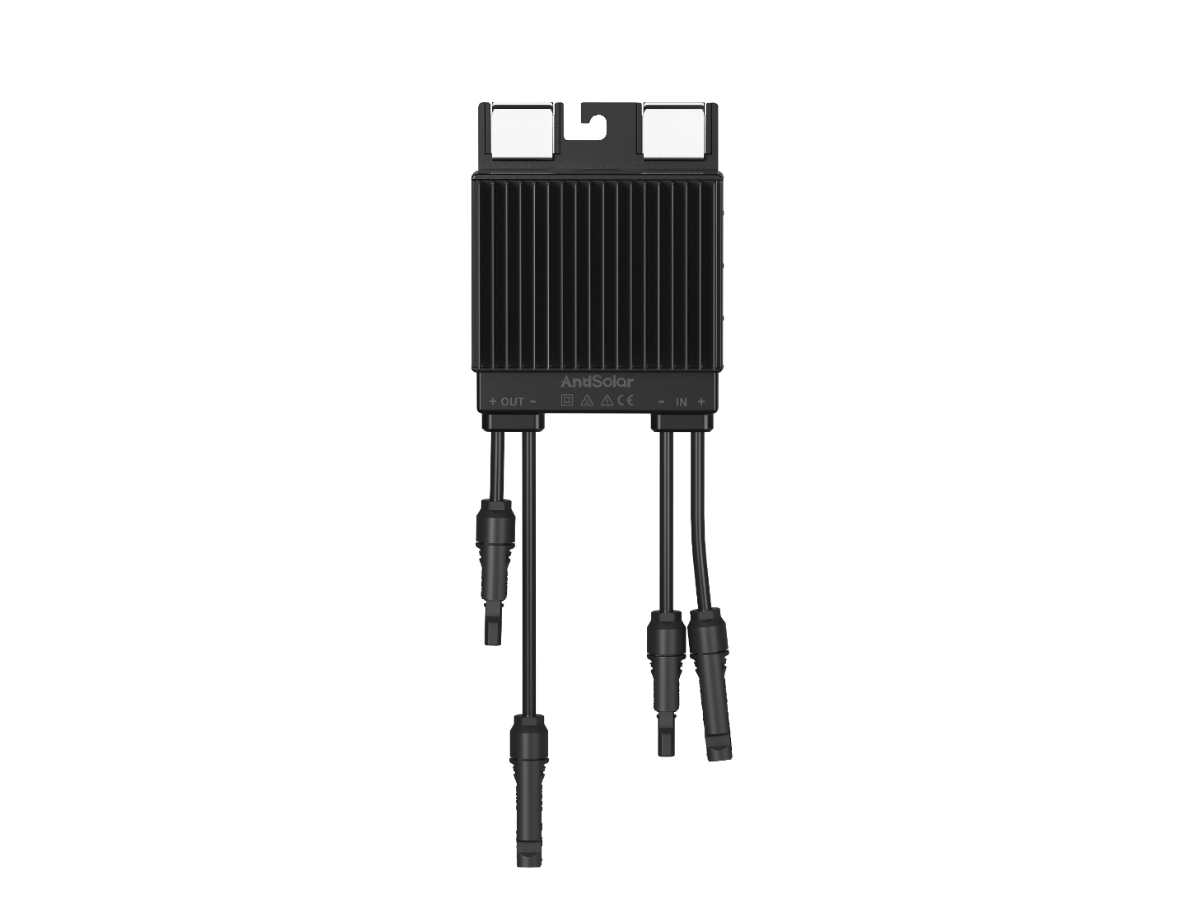
The integration of rapid shutdown devices and power optimizers within PV systems represents a sophisticated approach to reconciling these competing demands. Rapid shutdown devices ensure that personnel can safely de-energize arrays during maintenance or emergency situations, while power optimizers work to extract maximum energy from each module. Understanding how these technologies coexist within PV systems architecture is essential for engineers, installers, and facility managers seeking to deploy solar solutions that prioritize both operational safety and financial returns.
Understanding Rapid Shutdown Requirements in PV Systems
Regulatory Framework and Safety Standards
Rapid shutdown capabilities in PV systems emerged from national electrical codes requiring that string-level voltages be reduced to safe levels within seconds of receiving a shutdown signal. The National Electrical Code and similar regulations globally mandate that PV systems incorporate mechanisms to protect emergency responders and maintenance personnel from high-voltage hazards. These requirements transformed PV systems design, necessitating dedicated hardware that monitors shutdown commands and interrupts current flow across the array. Compliance with these standards is non-negotiable, as non-compliant PV systems create liability exposure and may fail inspection or insurance approval. The regulatory environment continues to evolve, with increasingly stringent requirements shaping how modern PV systems are engineered and deployed.
Rapid Shutdown Device Functionality
Rapid shutdown devices serve as the active safety layer within PV systems, receiving wireless or hardwired commands to immediately interrupt current flow. These devices typically operate at the module level or string level, cutting power to prevent dangerous voltage conditions. In modern PV systems, rapid shutdown devices must operate independently of the central inverter, ensuring that shutdown capability persists even during system faults or inverter failures. The response time for PV systems shutdown devices is measured in milliseconds, providing virtually instantaneous de-energization of hazardous voltage. This technological foundation allows PV systems to meet stringent safety standards while maintaining normal operational capacity during routine production hours.
Power Optimizers and Their Role in Energy Yield Optimization
Module-Level Optimization Architecture
Power optimizers represent a distributed optimization strategy within PV systems, installing at each module to monitor and condition power output individually. Unlike traditional PV systems that rely on string-level inverters, optimized PV systems can maximize yield even when modules experience partial shading, soiling, or thermal gradients. Each power optimizer in PV systems continuously tracks the module voltage-current relationship, ensuring operation at the maximum power point regardless of external conditions. This distributed approach to PV systems optimization yields substantial gains, particularly in arrays experiencing heterogeneous conditions. The data collection capabilities embedded in power optimizers also enable PV systems to generate detailed performance diagnostics, supporting predictive maintenance and performance benchmarking.
Compatibility with Safety Architecture
Power optimizers within PV systems can coexist with rapid shutdown infrastructure when both are properly specified and configured. Modern power optimizers include firmware that allows them to recognize and respond to shutdown commands, effectively acting as intermediaries between central shutdown controllers and the module-level electrical environment. This integration means that PV systems implementing power optimizers do not sacrifice shutdown responsiveness; the devices simply transition from optimization mode to passthrough or low-power states upon receiving a shutdown signal. The technical challenge in PV systems design lies in ensuring that power optimizer firmware remains synchronized with shutdown protocols and that communication pathways remain reliable under all operating conditions. Well-engineered PV systems demonstrate that optimization and safety can operate in parallel without compromise.
Integration Strategies for Balanced PV Systems Design
Communication and Coordination Architecture
Successful PV systems integration requires robust communication frameworks linking rapid shutdown controllers with power optimizers and central monitoring systems. Wireless communication in modern PV systems typically uses dedicated frequency bands or proprietary protocols to transmit shutdown commands with guaranteed delivery and minimal latency. The architecture of PV systems must include redundant communication pathways, ensuring that a single communication failure does not compromise safety. Many contemporary PV systems employ a master controller that orchestrates both shutdown functions and optimization algorithms, creating a unified system where safety and performance improvements operate from the same intelligence layer. This centralized yet distributed approach to PV systems management provides operators with comprehensive oversight and ensures that all components respond consistently to operational commands.
System Configuration and Performance Trade-Offs
Configuring PV systems to balance rapid shutdown and optimization requires careful selection of hardware, firmware versions, and operational parameters. Some PV systems designs opt for string-level rapid shutdown to reduce component count and communication complexity, while others implement module-level shutdown for maximum safety granularity. Power optimizer behavior in PV systems can be tuned to prioritize either maximum yield or minimum standby losses, reflecting site-specific priorities. The decision matrix for PV systems configuration should weigh regulatory requirements, site conditions, financial performance targets, and long-term maintenance accessibility. Forward-thinking PV systems design anticipates future upgrades and regulatory changes, incorporating architectural flexibility that allows rapid shutdown and optimization capabilities to evolve independently as technology advances.
Monitoring and Predictive Maintenance Integration
Modern PV systems with integrated shutdown and optimization features generate continuous performance telemetry that supports predictive maintenance and performance validation. Each power optimizer and rapid shutdown device can report status, communication health, and functional test results to central monitoring platforms. PV systems operators leverage this data to identify degrading components, communication instability, or firmware conflicts before they impact safety or performance. The visibility provided by integrated PV systems architecture reduces downtime, as maintenance teams receive precise guidance about which components require attention and can plan interventions during scheduled maintenance windows. Over the system lifetime, PV systems generating comprehensive operational data typically achieve higher availability and lower total cost of ownership compared to systems lacking integrated monitoring capabilities.
FAQ
Do rapid shutdown devices reduce energy yield in PV systems?
Rapid shutdown devices themselves consume minimal energy and do not inherently reduce PV systems yield during normal operation. However, some system architectures using basic rapid shutdown approaches may slightly reduce performance if they prevent the use of power optimizers or impose electrical constraints. Modern PV systems designs with both rapid shutdown and power optimizers demonstrate that these technologies can operate without yield penalties when properly integrated.
Can power optimizers work reliably with wireless shutdown commands in PV systems?
Yes, power optimizers in advanced PV systems respond reliably to wireless shutdown commands when the communication protocol is redundant and the devices support bidirectional acknowledgment. Many contemporary power optimizer products include firmware specifically designed to coexist with wireless rapid shutdown networks. PV systems using this combination must ensure sufficient radio coverage and include fallback mechanisms for communication loss scenarios.
What is the typical response time for rapid shutdown in integrated PV systems?
Integrated PV systems utilizing rapid shutdown devices typically achieve string voltage reduction to safe levels within 1 to 3 seconds of receiving the shutdown command. This timeline meets all major regulatory standards globally and provides adequate response for emergency responder safety. PV systems with module-level shutdown architecture may achieve even faster response times, though communication protocols and device firmware are the primary factors determining response speed.
Globally Certified & 100% Factory Tested
Designed for long-term reliability, AndSolar products comply with international certifications including UL1741, UL3741, CSA C22.2 No.330, IEC/EN 62109-1, FCC Part 15 and IEC/EN 61000 series, while meeting NEC 2017/2020/2023 safety requirements. Every product undergoes 100% high-temperature aging tests, rated-stress tests, FCT, AOI, conductivity and sealing inspections before shipment. Reliability is further validated through TC600 thermal cycling (600 cycles), DH2000 damp heat (2,000 hours) and HF10 humidity-freeze testing, exceeding IEC test requirements
Products are manufactured on automated lines with high-precision welding and glue filling, passing 100% high-temperature aging and stress reliability tests before delivery with a production yield of 99.9%. The standardized modular design supports lossless expansion and stable operation at altitudes up to 4000 meters.
The housing adopts top-grade UL94 5VA flame-retardant material with IP68 Type 6P ingress protection, multi-circuit hardware protection and ultra-low 1V disconnection voltage. Wide-temperature components run stably from -40℃ to +85℃ under harsh outdoor conditions, with all products certified by global authorities including TÜV Rheinland,TÜV NORD,CSA and SGS.
