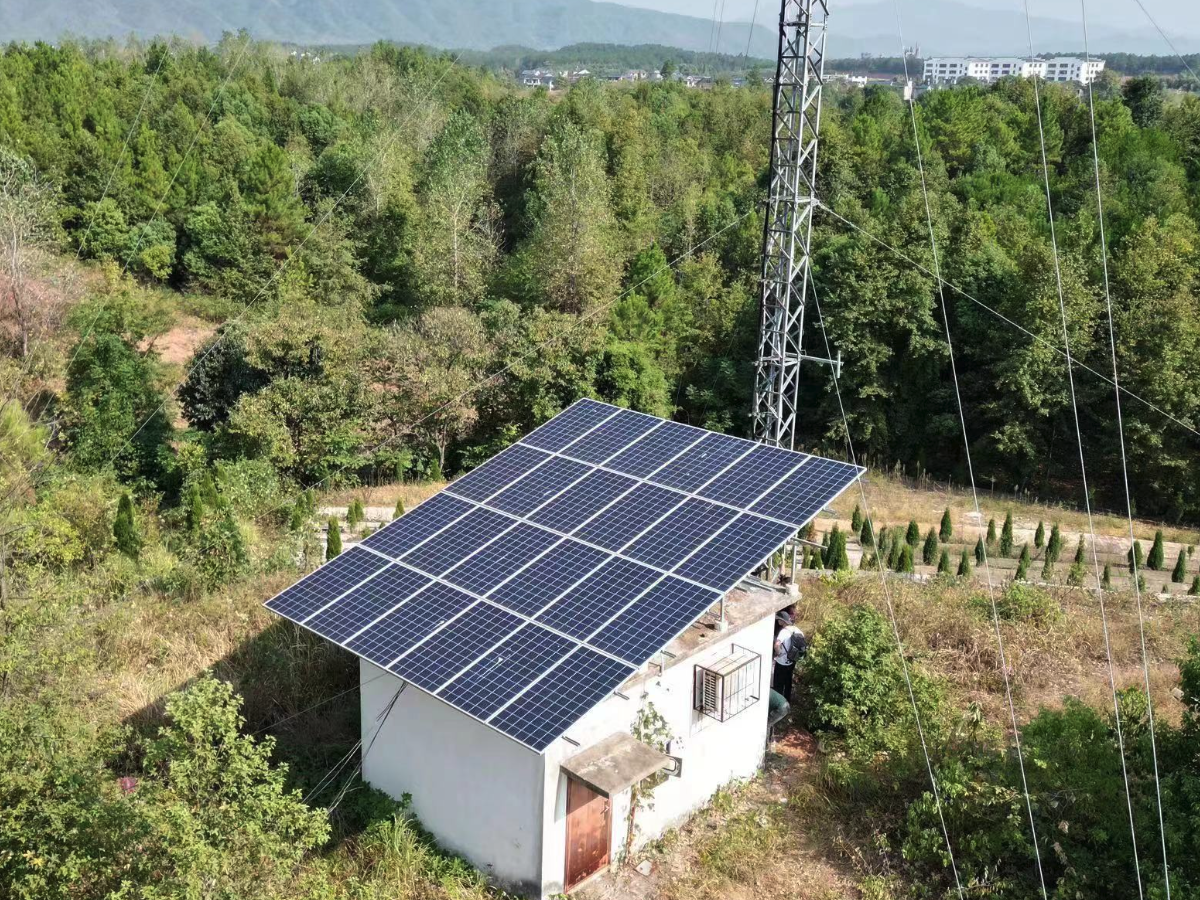
As solar energy adoption accelerates across commercial, industrial, and residential sectors, the distributed PV system has become a cornerstone of modern energy infrastructure. Unlike centralized utility-scale installations, distributed systems are spread across rooftops, commercial facilities, and remote sites — each operating somewhat independently, yet collectively contributing to energy goals. This decentralized nature introduces a unique set of operational challenges that simply cannot be addressed through manual inspection or reactive maintenance alone. The health of a distributed PV system depends critically on continuous, intelligent oversight.
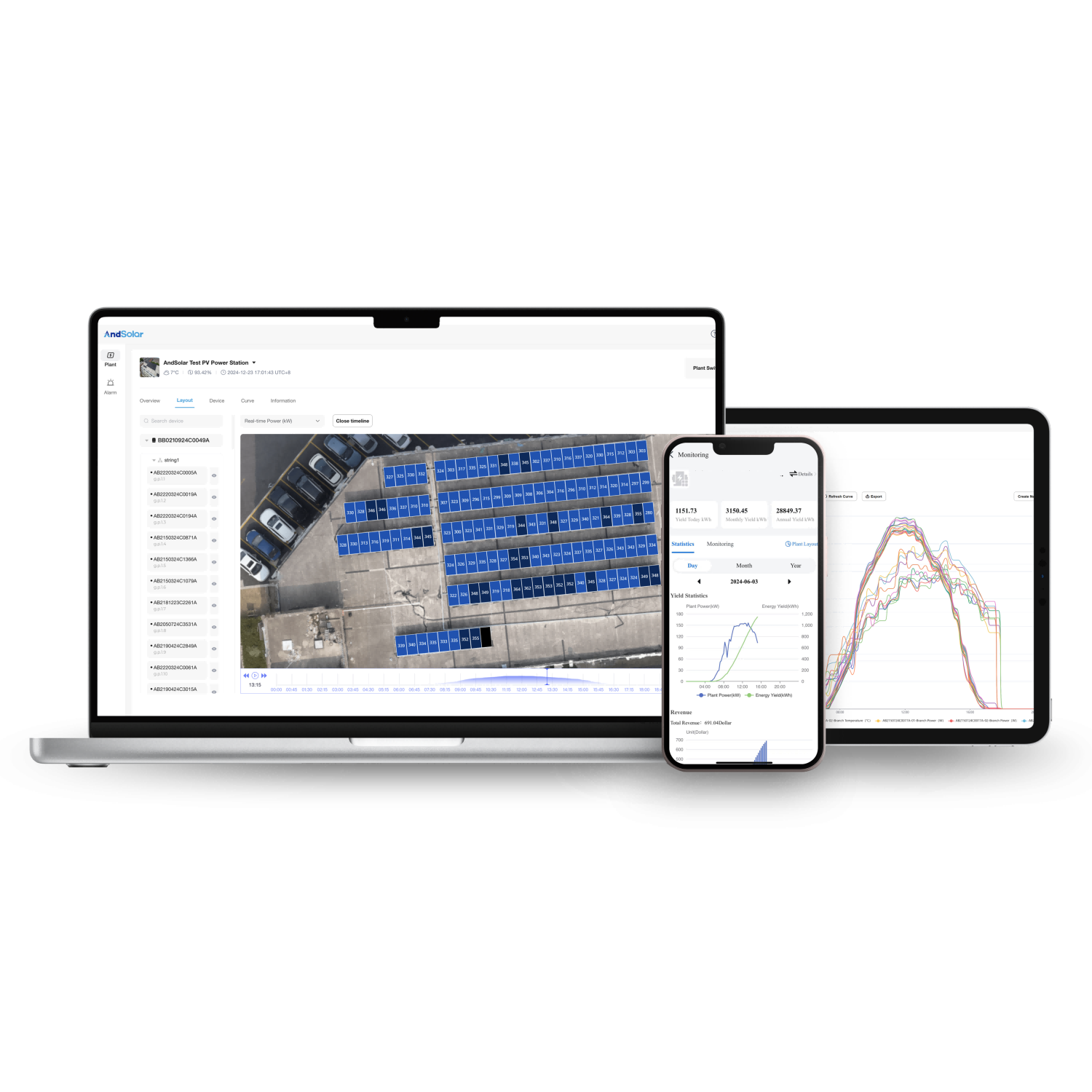
Smart monitoring has emerged as the defining technology that bridges the gap between distributed deployment complexity and reliable, high-performance solar operations. By integrating real-time data collection, cloud-based analytics, and automated fault detection, smart monitoring platforms give asset owners, operators, and energy managers a comprehensive view of every node in their distributed PV system. This article explores in depth how smart monitoring sustains system health, prevents performance degradation, and enables smarter decisions across the entire asset lifecycle.
Understanding the Health Challenges of a Distributed PV System
The Complexity of Multi-Site, Multi-Component Environments
A distributed PV system is inherently more complex to manage than a single large installation. Each site may have different configurations, shading conditions, inverter types, and grid connection points. When you multiply these variables across dozens or hundreds of locations, the operational picture becomes extraordinarily difficult to track without automated tools. Even minor deviations in one module or string can cascade into significant energy losses if left undetected.
In traditional setups, technicians might visit sites on a scheduled basis, often discovering problems only after they have been degrading performance for weeks or months. This reactive approach is not only costly in terms of lost energy yield but also strains maintenance budgets and increases equipment wear. The distributed PV system requires a fundamentally different paradigm — one built on proactive, continuous intelligence.
String-level performance inconsistencies, inverter communication failures, soiling accumulation, and shading impacts are all challenges that vary from site to site. Without a unified monitoring layer, operators are essentially flying blind, relying on aggregate energy data that masks the granular problems developing within the system. This is precisely where smart monitoring delivers its most critical value.
Common Health Degradation Patterns in Distributed Solar Installations
Distributed PV systems are exposed to a wide range of environmental and operational stressors that cause gradual health degradation. Soiling, moisture ingress, potential-induced degradation (PID), hotspots, and micro-cracks in modules are among the most common failure modes. Each of these issues has a distinct signature in performance data, and smart monitoring platforms are designed to identify these signatures before they translate into serious losses.
Inverter health is another critical dimension. Inverters in a distributed PV system operate under varying load conditions and ambient temperatures, making them susceptible to overheating, capacitor degradation, and firmware-related issues. Without continuous monitoring of inverter output quality and thermal behavior, these problems remain invisible until a complete shutdown occurs — an event that disrupts energy production and revenue generation simultaneously.
Communication failures between devices add another layer of vulnerability. When a monitoring gateway loses contact with a string inverter or a sensor node, the gap in data can mask underlying performance issues. Smart monitoring systems with automated alert logic immediately flag communication dropouts, ensuring that data integrity is maintained and that the operational team is always working with complete information about every distributed PV system under their management.
How Smart Monitoring Actively Sustains Distributed PV System Performance
Real-Time Data Acquisition and Continuous Performance Benchmarking
The foundation of smart monitoring is continuous data acquisition. Modern platforms collect performance metrics — irradiance, module temperature, string current, voltage, power output, and grid feed-in data — at intervals as short as every few minutes. This granularity allows the system to build a detailed performance baseline for each distributed PV system site and continuously compare live readings against expected values.
Performance ratio (PR) and specific yield are two key indicators that smart monitoring platforms calculate automatically. When a site's PR drops below its historical norm, the platform flags the anomaly for investigation. This is far more reliable than waiting for monthly energy reports to reveal an underperforming array. Continuous benchmarking means that performance issues are identified within hours rather than weeks, dramatically reducing the energy loss window.
For operators managing a large portfolio of distributed PV system assets, cloud-based dashboards aggregate all site-level data into a single interface. This portfolio-level view makes it easy to prioritize maintenance interventions based on the severity and duration of performance deviations. Sites with the most critical anomalies rise to the top of the attention queue, enabling resource allocation that maximizes both energy recovery and return on maintenance investment.
Automated Fault Detection and Intelligent Alerting
One of the most powerful capabilities of smart monitoring is automated fault detection powered by rule-based logic and, increasingly, machine learning algorithms. These systems analyze multi-dimensional performance data to identify patterns associated with specific fault types — such as the characteristic current asymmetry of a shaded or degraded string, or the voltage signature of a failed bypass diode in a distributed PV system module.
When a potential fault is detected, the smart monitoring platform generates an alert that is routed to the appropriate team member via mobile notification, email, or integrated ticketing systems. The alert typically includes diagnostic context — which device is affected, what the deviation looks like compared to baseline, and how long the issue has persisted. This level of actionable intelligence transforms the maintenance workflow from a time-based routine into an event-driven, prioritized response model.
Advanced platforms also employ predictive analytics, using historical performance trends to anticipate component failures before they occur. Inverter overheating events, for example, often follow a predictable trajectory of subtle efficiency decline before catastrophic failure. By detecting these trends early in a distributed PV system, operators can schedule preventive maintenance during low-irradiance periods, avoiding unplanned downtime during peak production windows.
The Role of Data Analytics in Long-Term Distributed PV System Health Management
Trend Analysis for Performance Optimization
Smart monitoring is not only about detecting immediate faults — it also enables long-term performance optimization through systematic trend analysis. Over time, the data collected from a distributed PV system reveals patterns related to seasonal degradation, cleaning cycle effectiveness, vegetation growth impacts, and equipment aging rates. This knowledge informs smarter operational decisions that extend system life and protect energy yield.
For instance, trend data may show that soiling-related losses at a particular site accelerate significantly during certain weather patterns. Armed with this insight, operators can adjust their cleaning schedules to optimize the cost-performance trade-off rather than following a fixed calendar. Similarly, if data reveals that one inverter model in the portfolio degrades faster than others under similar conditions, that information can influence future procurement and replacement strategies for the distributed PV system fleet.
Yield prediction models integrated into advanced monitoring platforms compare actual generation against weather-corrected expectations. When consistent underperformance is detected over multiple months in a distributed PV system, it signals a systemic issue — such as module degradation beyond normal rates or persistent partial shading — that warrants a detailed site audit. Data-driven triggers replace guesswork with evidence, improving the efficiency and accuracy of every field intervention.
Energy Storage and Grid Interaction Monitoring
As distributed PV systems increasingly integrate battery storage and participate in demand response programs, smart monitoring must extend beyond PV generation alone. Storage system state-of-charge, charge/discharge cycles, and round-trip efficiency are all metrics that affect the overall health and economics of the combined system. Smart monitoring platforms capable of unifying PV and storage data give operators a complete picture of distributed energy resource performance.
Grid interaction data is equally important. Smart monitoring tracks how a distributed PV system interacts with the utility grid — including export curtailment events, voltage rise incidents, and frequency deviation responses. These interactions directly affect both energy revenue and regulatory compliance. Platforms that provide grid data visualization help operators demonstrate compliance to utilities and identify grid-related constraints that may be limiting system performance.
By integrating all energy asset layers into a single monitoring environment, operators gain the insight needed to optimize self-consumption, maximize export revenue, and ensure that the distributed PV system operates in harmony with grid requirements. This holistic monitoring approach is increasingly a competitive differentiator for energy service providers and large-scale asset managers.
Selecting and Implementing a Smart Monitoring Solution for Your Distributed PV System
Key Functional Criteria for Effective Monitoring Platforms
Not all smart monitoring solutions are created equal, and selecting the right platform for a distributed PV system portfolio requires careful evaluation of several functional dimensions. Scalability is paramount — the platform must be able to grow from a handful of sites to hundreds without architectural limitations. Data latency, communication protocol support, and device compatibility are technical factors that determine whether the monitoring layer can keep pace with diverse hardware configurations across the portfolio.
User interface design significantly affects operational efficiency. A well-designed platform presents complex multi-site data in an intuitive format that allows operators to navigate from portfolio overview to device-level diagnostics without confusion. Customizable alert thresholds, role-based access control, and mobile-responsive design are practical features that determine how effectively the monitoring tool integrates into day-to-day operations for a distributed PV system portfolio.
Data security and reliability are non-negotiable. Monitoring platforms store sensitive energy production and asset data that must be protected against unauthorized access and loss. Cloud-based platforms with enterprise-grade security, data redundancy, and guaranteed uptime SLAs provide the reliability foundation that large-scale distributed PV system operations demand.
Implementation Considerations and Operational Integration
Deploying a smart monitoring solution across a distributed PV system portfolio requires thoughtful planning around hardware installation, communication infrastructure, and software configuration. Site surveys must confirm reliable internet or cellular connectivity at each location, as monitoring data quality depends entirely on consistent communication between field devices and the cloud platform. Sites in remote or low-connectivity areas may require dedicated communication gateways or satellite uplink solutions.
Integration with existing asset management, maintenance, and financial reporting systems is another critical implementation consideration. A monitoring platform that connects with CMMS (computerized maintenance management systems) and ERP tools creates a seamless operational workflow in which fault alerts automatically generate work orders and energy production data feeds directly into financial performance models. This integration eliminates manual data reconciliation and reduces the risk of information silos within the organization managing the distributed PV system.
Operator training and change management should not be underestimated. Even the most sophisticated monitoring platform delivers limited value if the team responsible for acting on its insights lacks the skills to interpret data correctly. Structured onboarding, ongoing training, and clear escalation protocols ensure that smart monitoring translates into real operational improvements for every distributed PV system in the portfolio. Platforms like distributed PV system monitoring solutions from AND Solar Tech are designed with operational usability in mind, supporting teams of varying technical backgrounds.
The Future Direction of Smart Monitoring in Distributed Solar
AI-Driven Predictive Capabilities and Digital Twin Technology
The next generation of smart monitoring for distributed PV system management is being shaped by artificial intelligence and digital twin technology. AI models trained on large datasets of solar performance history can identify subtle performance degradation patterns that rule-based systems would miss, enabling a level of predictive accuracy that approaches what experienced engineers achieve through manual analysis — but at scale and speed that human review cannot match.
Digital twins — virtual replicas of physical distributed PV system installations — allow operators to simulate the impact of different maintenance interventions, environmental scenarios, and configuration changes before implementing them in the field. This capability reduces operational risk, supports better capital planning, and accelerates the learning curve for teams managing new site types or technologies within their growing solar portfolios.
The integration of satellite-based irradiance data, drone inspection results, and thermal imaging outputs into monitoring platforms is creating increasingly comprehensive health profiles for each distributed PV system. As data sources proliferate and analytical engines become more sophisticated, smart monitoring will evolve from a diagnostic tool into a fully autonomous asset management system capable of optimizing performance without constant human intervention.
Regulatory Compliance and Sustainability Reporting
Regulatory environments around solar energy are becoming more demanding, with requirements for energy production reporting, grid code compliance, and carbon accounting growing in scope and frequency. Smart monitoring platforms that automate data collection and report generation significantly reduce the compliance burden for distributed PV system operators, enabling them to meet regulatory obligations without dedicating extensive internal resources to manual data compilation.
Sustainability reporting frameworks increasingly require granular energy data that demonstrates actual renewable generation and consumption. Smart monitoring provides the audit trail necessary to support ESG disclosures, green financing requirements, and corporate renewable energy commitments. For businesses operating large distributed PV system portfolios, this reporting capability is not a peripheral feature — it is a business-critical function that affects investor relations, regulatory standing, and brand reputation.
As the energy transition accelerates, the distributed PV system will carry an ever-larger share of global electricity generation. Smart monitoring is the technology that makes this expanded role manageable, transparent, and financially viable. Organizations that invest in robust monitoring infrastructure today are positioning themselves to operate at scale, adapt to new requirements, and maximize the long-term value of their solar assets tomorrow.
FAQ
How frequently should smart monitoring data be reviewed for a distributed PV system?
Automated alert systems handle real-time anomaly detection continuously, but human review of performance dashboards should occur at least daily for active portfolios. A distributed PV system performing below expected thresholds for more than 24 hours without investigation can accumulate meaningful energy losses. Weekly trend reviews and monthly performance reports provide additional layers of systematic oversight that complement real-time monitoring.
Can smart monitoring detect degradation in individual solar panels within a distributed PV system?
The detectability of individual panel degradation depends on the monitoring granularity of the installation. String-level monitoring can identify underperforming groups of panels, while module-level monitoring — using power optimizers or microinverters — enables panel-specific fault detection. For most commercial distributed PV system installations, string-level monitoring provides a practical balance between cost and diagnostic resolution, though high-value sites may justify module-level investment.
What connectivity infrastructure does a distributed PV system require for smart monitoring to work effectively?
Reliable internet or cellular connectivity at each site is the baseline requirement. Most modern smart monitoring platforms support 4G/LTE, Wi-Fi, and Ethernet communication options, making them adaptable to diverse site conditions. For a distributed PV system in areas with limited connectivity, edge computing gateways can buffer and batch-transmit data, ensuring that temporary communication outages do not result in permanent data gaps.
How does smart monitoring contribute to the financial performance of a distributed PV system portfolio?
Smart monitoring directly protects energy yield by minimizing the duration and frequency of performance-reducing faults, which translates into higher revenue from energy sales or self-consumption savings. It also reduces operational costs by enabling condition-based maintenance rather than fixed-schedule site visits, lowering unnecessary labor and travel expenses. For investors and asset owners, a well-monitored distributed PV system portfolio commands higher confidence and potentially better financing terms due to the quality and transparency of its performance data.
Table of Contents
- Understanding the Health Challenges of a Distributed PV System
- How Smart Monitoring Actively Sustains Distributed PV System Performance
- The Role of Data Analytics in Long-Term Distributed PV System Health Management
- Selecting and Implementing a Smart Monitoring Solution for Your Distributed PV System
- The Future Direction of Smart Monitoring in Distributed Solar
-
FAQ
- How frequently should smart monitoring data be reviewed for a distributed PV system?
- Can smart monitoring detect degradation in individual solar panels within a distributed PV system?
- What connectivity infrastructure does a distributed PV system require for smart monitoring to work effectively?
- How does smart monitoring contribute to the financial performance of a distributed PV system portfolio?
