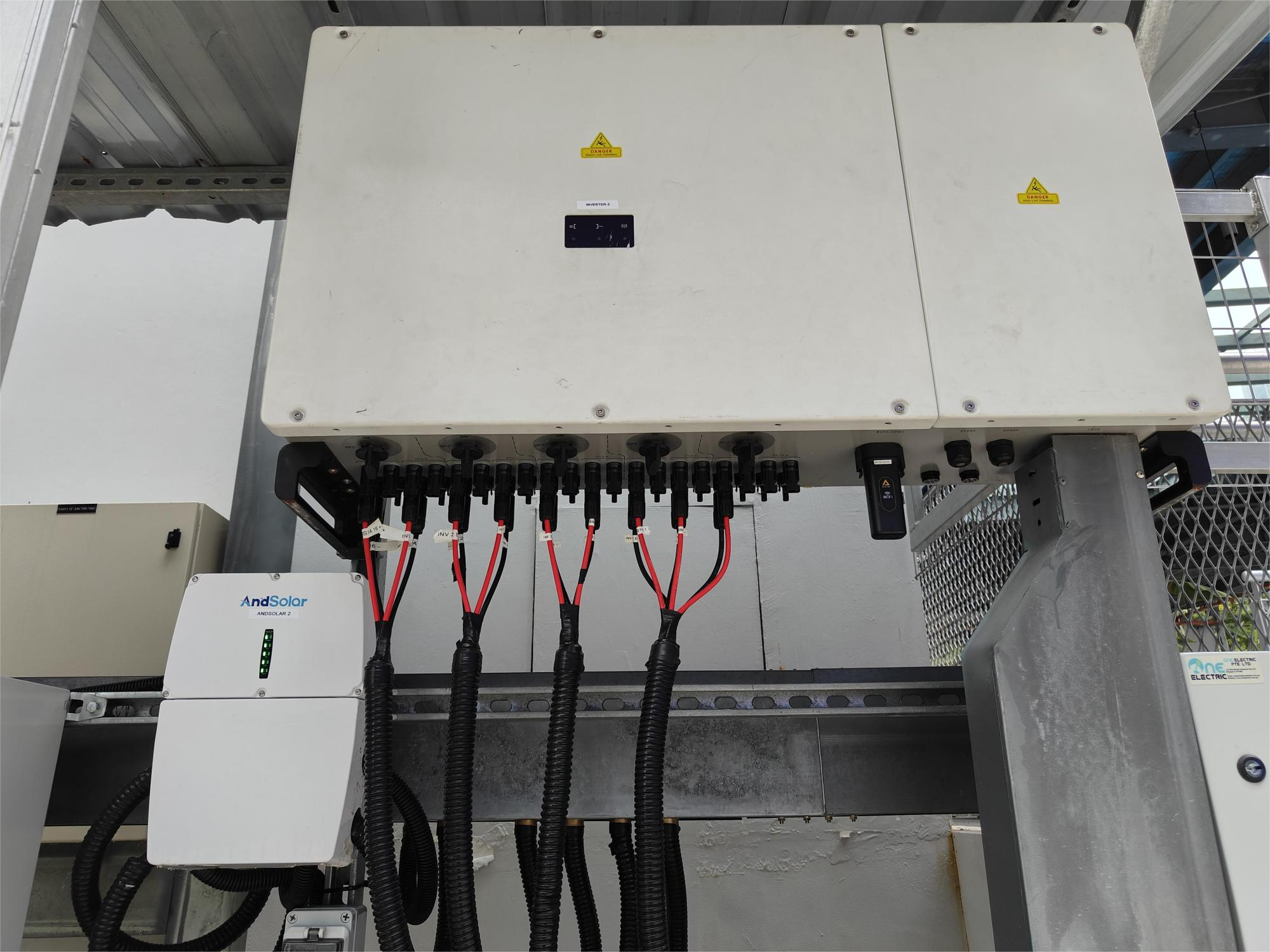
Energy resilience has become one of the most pressing priorities for communities worldwide, and distributed PV systems have emerged as one of the most reliable answers to that challenge. Unlike centralized power generation that relies on vast transmission infrastructure, distributed PV systems place generation capacity directly within the communities that consume the energy. This fundamental architectural difference gives neighborhoods, municipalities, and industrial zones a level of energy independence that conventional grid models simply cannot replicate. As climate events grow more frequent and grid vulnerabilities more exposed, the conversation around resilient energy infrastructure has never been more urgent.
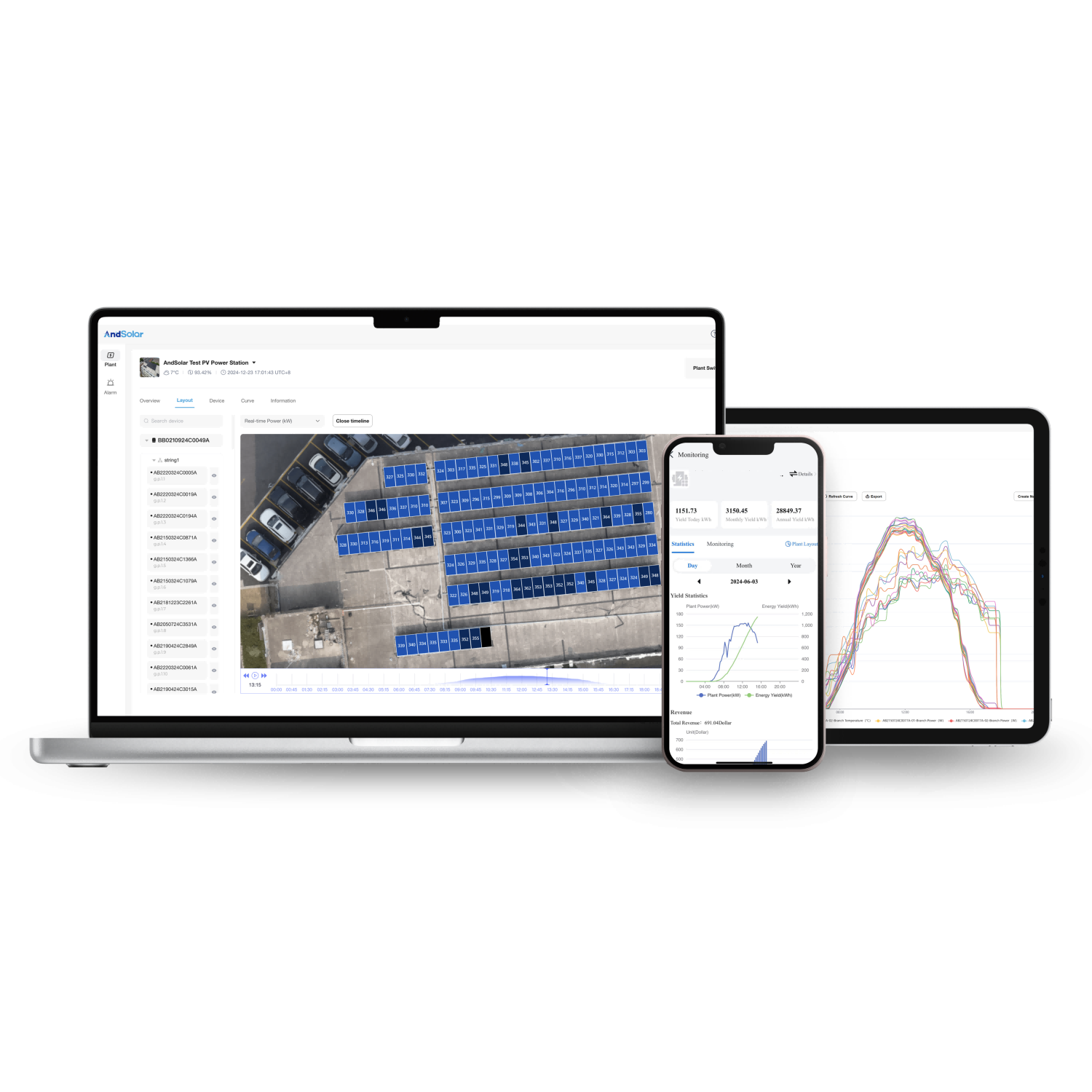
Understanding what makes distributed PV systems genuinely resilient requires looking beyond their ability to generate electricity from sunlight. Resilience, in the energy sense, means the capacity to withstand disruptions, recover quickly, and continue serving critical needs without depending on external rescue. Distributed PV systems deliver this through a combination of decentralization, modularity, scalability, and integration with modern energy storage and management technologies. This article examines the specific attributes that transform distributed PV systems from a clean energy technology into a true community resilience asset.
The Decentralized Architecture That Defines Resilience
Why Proximity to Load Matters
One of the core resilience advantages of distributed PV systems is their physical proximity to the end users they serve. When power is generated close to where it is consumed, the risks associated with long-distance transmission — including line losses, storm damage, and cascading failures — are substantially reduced. A community equipped with distributed PV systems does not need to wait for a distant power plant to restore service after a grid disruption. Instead, local generation assets can continue operating or be quickly reactivated to serve critical loads within the immediate area.
This proximity-to-load characteristic also means that distributed PV systems can be designed and sized to match the specific demand profiles of a given community. A residential neighborhood has different peak consumption patterns than a light industrial district, and distributed PV systems can be configured accordingly. This demand-matching capability reduces the likelihood of overloading or underserving any particular segment of the community, which further contributes to operational stability and long-term resilience.
The local nature of distributed PV systems also simplifies maintenance and fault detection. When a single panel or inverter malfunctions, the impact is contained to a small portion of the system rather than triggering a widespread outage. Technicians can identify and address faults more quickly, and the rest of the distributed network continues to function without interruption. This fault-tolerant characteristic is a direct consequence of the decentralized architecture that defines distributed PV systems.
Reducing Single Points of Failure
Centralized energy infrastructure is inherently vulnerable to single points of failure. One damaged substation, one flooded transmission corridor, or one cyberattack on a central control system can plunge entire regions into darkness. Distributed PV systems fundamentally challenge this model by eliminating the single-point-of-failure dynamic. Because generation capacity is spread across many rooftops, ground-mounted arrays, and community solar installations, the failure of any one node does not cascade into a systemic collapse.
This distributed redundancy is not accidental — it is an inherent design feature of distributed PV systems. Each installation operates with its own inverter, monitoring system, and often its own battery storage, functioning as a semi-autonomous energy unit. When multiple such units are coordinated through a microgrid or virtual power plant architecture, the collective system gains even greater resilience. The community effectively becomes a network of interconnected but independently capable energy nodes, dramatically reducing overall vulnerability.
For community planners and energy managers, this redundancy translates into a concrete risk reduction strategy. Rather than concentrating investment in a single large infrastructure asset, they can distribute both generation capacity and resilience benefits across many stakeholders. This not only protects the community against catastrophic failures but also democratizes energy access in ways that large centralized systems rarely achieve.
Modularity and Scalability as Resilience Enablers
Incremental Deployment and Community Growth
Distributed PV systems are uniquely suited to evolving community needs because they are inherently modular. Unlike a large power plant that must be built to a fixed capacity before it delivers any value, distributed PV systems can be deployed incrementally. A community can begin with a small cluster of rooftop installations, validate performance, and expand the network as demand grows or budgets allow. This incremental deployment model reduces financial risk and allows communities to adapt their energy infrastructure in response to real-world conditions rather than projections made years in advance.
The modular nature of distributed PV systems also means that individual installations can be upgraded as technology improves. Higher-efficiency panels, more capable inverters, and advanced battery storage can be integrated into existing distributed PV systems without requiring a complete overhaul of the entire infrastructure. This upgrade pathway ensures that communities can continuously improve their energy resilience without stranding previous investments, which is a critical consideration for municipal energy planners working within constrained budgets.
Scalability is equally important when communities face sudden increases in energy demand — whether from population growth, new industrial activity, or the electrification of heating and transportation. Distributed PV systems can scale to meet these new demands by adding capacity at strategic locations throughout the community. This responsiveness to changing conditions is a hallmark of resilient infrastructure and one of the defining strengths of distributed PV systems compared to conventional generation approaches.
Integration with Storage and Smart Controls
The resilience value of distributed PV systems is significantly amplified when they are paired with battery storage and intelligent energy management platforms. Storage allows communities to bank surplus solar generation during daylight hours and dispatch that energy during evenings, cloudy periods, or grid emergencies. This time-shifting capability transforms distributed PV systems from intermittent generators into reliable baseload contributors, particularly when combined with demand response strategies that balance consumption across the community.
Smart control systems further enhance resilience by enabling distributed PV systems to operate in islanded mode during grid outages. When the main grid goes down, a community equipped with well-designed distributed PV systems and coordinated storage can automatically disconnect from the grid and sustain essential services — hospitals, emergency response facilities, water treatment plants — independently. This islanding capability is not theoretical; it is an operational reality for communities that have invested in properly engineered distributed PV systems with integrated controls.
The data generated by smart distributed PV systems also provides community energy managers with unprecedented visibility into consumption patterns, system health, and resilience gaps. By analyzing this data, managers can identify which parts of the community are most vulnerable to disruption and prioritize investments in additional distributed PV systems or storage to address those vulnerabilities. This intelligence-driven approach to resilience planning is only possible because distributed PV systems generate rich operational data at the point of consumption.
Economic and Social Dimensions of Community Resilience
Energy Cost Stability and Local Wealth Retention
Resilience is not purely a technical concept — it has profound economic dimensions that directly affect community well-being. Distributed PV systems contribute to economic resilience by stabilizing energy costs over the long term. Once installed, distributed PV systems generate electricity at a predictable levelized cost that is largely insulated from fuel price volatility, transmission tariff increases, and utility rate hikes. For communities that have historically been subject to price shocks from centralized energy markets, this predictability is a significant resilience benefit.
Communities that invest in distributed PV systems also retain a greater share of their energy spending locally. Rather than exporting dollars to distant utilities or fuel suppliers, those resources circulate within the local economy through installation labor, maintenance services, and equipment procurement. This local wealth retention effect strengthens community economic resilience by building a more self-sufficient energy economy that is less exposed to external market disruptions.
For lower-income communities in particular, distributed PV systems — especially community solar models — can reduce energy burden and improve household financial stability. When residents spend less on electricity, they have more resources available for other essential needs, which strengthens the overall social resilience of the community. This intersection of energy, economic, and social resilience is one of the most compelling reasons why distributed PV systems deserve serious consideration from community planners and policymakers.
Equity in Access and Participation
Traditional energy infrastructure tends to concentrate benefits among those who can afford to invest in it and those who are physically connected to the transmission network. Distributed PV systems offer a fundamentally different model in which communities can design energy systems that reflect their own priorities for equity and access. Community solar programs, for example, allow renters and low-income households to participate in the benefits of distributed PV systems without needing to own a roof or make a large capital investment.
This participatory model builds social cohesion and shared investment in community infrastructure, which is itself a form of resilience. When residents have a stake in the energy system that powers their neighborhood, they are more likely to support its maintenance, advocate for its expansion, and adapt their behavior to help the system operate efficiently. This social buy-in transforms distributed PV systems from mere technical installations into community assets that strengthen the social fabric alongside the energy infrastructure.
Distributed PV systems also create opportunities for local workforce development that further strengthen community resilience. The installation, maintenance, and monitoring of distributed PV systems require trained local technicians, and the demand for those skills supports stable employment within the community. This local job creation effect ensures that the resilience benefits of distributed PV systems extend well beyond the meter and into the broader social and economic life of the community.
Climate Adaptation and Long-Term Energy Security
Withstanding Extreme Weather Events
Climate change is intensifying the frequency and severity of extreme weather events — hurricanes, ice storms, wildfires, and heat waves — that regularly overwhelm centralized energy infrastructure. Distributed PV systems are inherently better suited to withstand these events because their decentralized nature limits the geographic scope of any single disruption. Even if a severe storm damages distributed PV systems in one part of a community, installations in unaffected areas continue to generate power and can be directed to support the most critical loads.
The resilience of distributed PV systems in the face of extreme weather is further enhanced by the absence of complex fuel supply chains. Conventional generators — whether powered by natural gas, diesel, or coal — depend on fuel delivery infrastructure that can be severely disrupted during major weather events. Distributed PV systems require no fuel inputs beyond sunlight, which continues to be available even in the aftermath of disasters. This fuel-independence is one of the most practical resilience advantages that distributed PV systems offer to climate-vulnerable communities.
Modern distributed PV systems are also engineered to withstand significant physical stresses, including high wind loads, heavy snow accumulation, and hail impact. Advances in panel and mounting system design have substantially improved the physical durability of distributed PV systems, ensuring that they can serve communities not only under normal operating conditions but also in the challenging aftermath of severe weather events when reliable power is most urgently needed.
Long-Term Energy Independence and Security
Energy security at the community level means having reliable access to affordable power regardless of what happens in national or global energy markets. Distributed PV systems directly address this goal by shifting the source of energy from imported fuels to locally available sunlight. This shift reduces a community's exposure to geopolitical energy risks, supply chain disruptions, and price volatility in fossil fuel markets — all of which have become increasingly significant sources of energy insecurity for communities in recent years.
The long operational lifespan of distributed PV systems — typically twenty-five years or more for quality solar panels — provides a multi-decade horizon of energy security that is difficult to achieve with any other generation technology at the community scale. This longevity means that investments made today in distributed PV systems will continue delivering resilience benefits well into the future, even as the broader energy landscape continues to evolve. Communities that act now to build out distributed PV systems are effectively locking in a foundation of energy independence for the next generation.
As battery storage costs continue to decline and grid management technologies advance, the long-term resilience potential of distributed PV systems will only increase. Communities that establish distributed PV systems today are creating the infrastructure foundation upon which future resilience enhancements — including vehicle-to-grid integration, AI-driven demand management, and advanced microgrid controls — can be built. This forward compatibility makes distributed PV systems a particularly strategic investment for communities serious about long-term energy security.
FAQ
How do distributed PV systems maintain power supply during a grid outage?
Distributed PV systems equipped with battery storage and islanding-capable inverters can automatically disconnect from the main grid and continue supplying power to designated loads within the community. This islanded operation mode allows critical facilities such as hospitals, emergency shelters, and water treatment plants to maintain power independently of the broader grid. The duration of backup power depends on the size of the storage system and the level of consumption, but properly designed distributed PV systems can sustain essential services for extended periods during grid outages.
Are distributed PV systems suitable for communities with limited roof space or varying housing types?
Distributed PV systems are highly adaptable and can be configured to suit communities with diverse physical characteristics. Beyond rooftop installations, distributed PV systems can be deployed as ground-mounted arrays, carport canopies, building-integrated photovoltaics, or community solar gardens. Community solar models are particularly effective for communities with limited individual roof space or a high proportion of renters, as they allow multiple households to share the benefits of a single distributed PV installation without requiring direct rooftop access.
What is the typical payback period for distributed PV systems at the community level?
The financial payback period for distributed PV systems varies depending on local electricity rates, available incentives, system size, and financing arrangements. In many markets, well-designed distributed PV systems achieve payback within five to ten years, after which they continue generating low-cost electricity for an additional fifteen or more years. When the full resilience value of distributed PV systems is factored in — including avoided costs from outages, reduced exposure to rate increases, and local economic multiplier effects — the financial case for community investment in distributed PV systems becomes even more compelling.
How do distributed PV systems contribute to community resilience beyond electricity generation?
Distributed PV systems contribute to community resilience across multiple dimensions simultaneously. Economically, they stabilize energy costs and retain spending within the local economy. Socially, they create local employment and enable broader community participation in clean energy through models like community solar. Environmentally, they reduce dependence on fossil fuels and lower community carbon emissions, which contributes to long-term climate resilience. The combination of these technical, economic, and social benefits makes distributed PV systems one of the most comprehensive resilience investments available to communities today.
Table of Contents
- The Decentralized Architecture That Defines Resilience
- Modularity and Scalability as Resilience Enablers
- Economic and Social Dimensions of Community Resilience
- Climate Adaptation and Long-Term Energy Security
-
FAQ
- How do distributed PV systems maintain power supply during a grid outage?
- Are distributed PV systems suitable for communities with limited roof space or varying housing types?
- What is the typical payback period for distributed PV systems at the community level?
- How do distributed PV systems contribute to community resilience beyond electricity generation?
