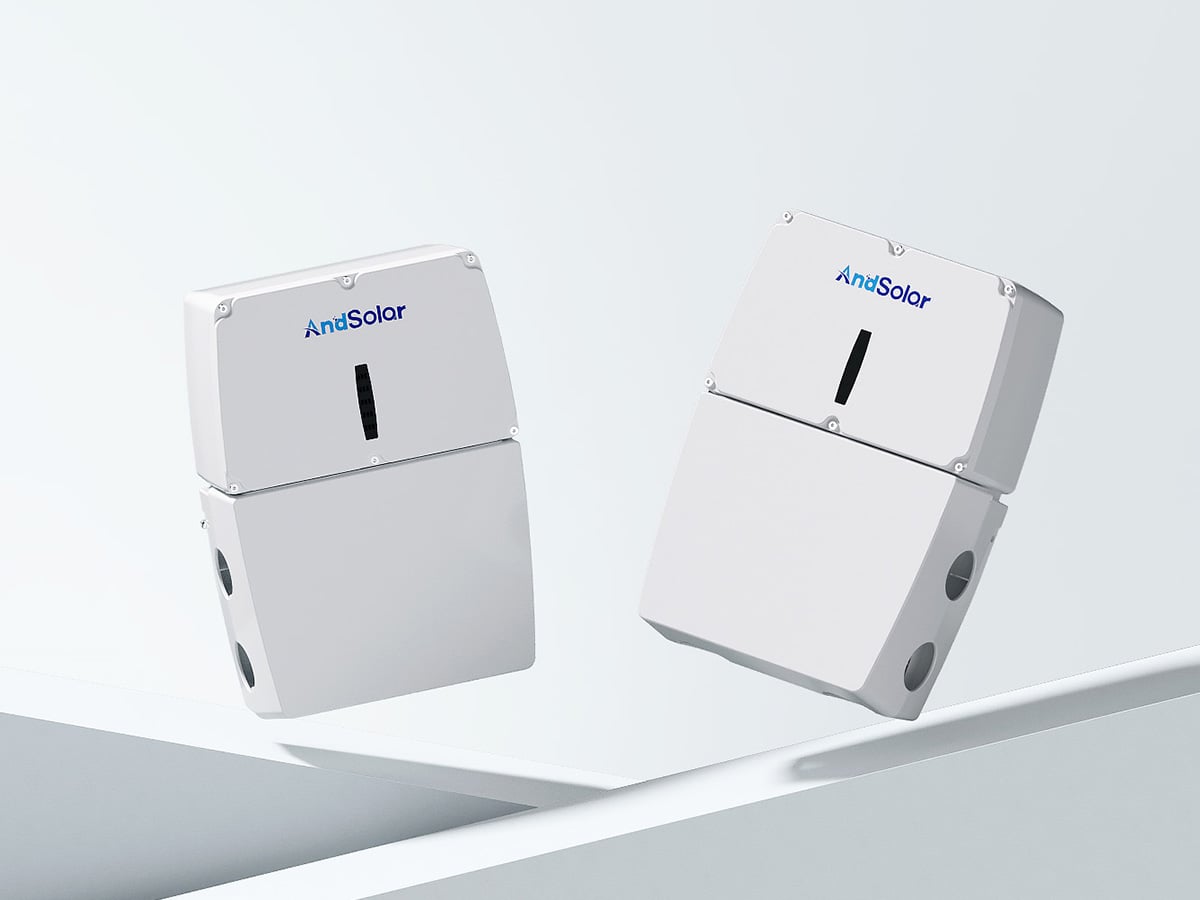
A power optimizer represents a critical component in modern photovoltaic systems, designed to maximize energy harvesting and improve overall system efficiency. Understanding the lifespan of a power optimizer is essential for solar installers, facility managers, and bulk purchasing decision-makers who need to plan maintenance schedules and calculate return on investment. Modern power optimizers have evolved significantly over the past decade, with enhanced durability and extended operational lifespans becoming standard industry expectations.
Most manufacturers and wholesale suppliers now offer power optimizers rated for 25 to 30 years of continuous operation, though actual field performance varies based on environmental conditions, installation quality, and maintenance practices. Whether you are sourcing units in bulk from China suppliers or evaluating long-term asset performance, knowing what determines lifespan helps you make informed procurement and deployment decisions.
Typical Lifespan and Manufacturer Ratings
Standard Operating Period
Reputable power optimizer manufacturers and wholesale distributors typically guarantee operation for 25 years, aligning with standard photovoltaic system expectations. This timeframe reflects extensive laboratory testing, accelerated life-cycle validation, and field data accumulated over decades. Most supplier datasheets indicate that a power optimizer reaches approximately 80 percent of its rated power output by year 25, which is considered acceptable performance degradation in solar energy standards. Bulk purchasing contracts from China suppliers often include extended warranty provisions that cover this operational window, ensuring that investors recoup their equipment costs during the rated lifespan.
Real-World Performance Data
Field installations demonstrate that many power optimizer units continue functioning reliably beyond their warranty period, sometimes reaching 30 to 35 years with minimal intervention. However, this extended performance depends heavily on environmental exposure, climate extremes, and how well maintenance protocols are followed. Wholesale buyers and commercial suppliers report that units installed in mild climates often outlast those in harsh coastal or desert environments. Some bulk deployments in optimal conditions show negligible performance loss even after 30 years, while others in challenging locations may experience accelerated wear after 20 years. This variability is why supplier selection, installation location assessment, and ongoing monitoring matter significantly to long-term project success.
Factors Influencing Power Optimizer Lifespan
Environmental and Thermal Stress
Temperature fluctuations represent the primary driver of power optimizer degradation, directly affecting internal electronic components and solder connections. Units exposed to extreme heat cycling, where daytime temperatures soar and nighttime cooling is rapid, experience accelerated material fatigue compared to systems in stable climates. Coastal environments introduce salt spray corrosion that penetrates protective enclosures, while high-altitude installations face intense ultraviolet radiation and rapid pressure changes. Wholesale and bulk suppliers operating in diverse geographic regions often warehouse their inventory in climate-controlled facilities to mitigate degradation before deployment. Manufacturers have responded by incorporating better thermal management, improved conformal coatings, and robust potting compounds that extend durability even in challenging conditions. The specific climate where your power optimizer operates directly influences whether it reaches 25 years of service or potentially extends beyond.
Manufacturing Quality and Supplier Standards
The quality of components, assembly precision, and testing rigor during manufacturing determine baseline reliability and failure rates throughout the operational lifespan. Reputable suppliers and wholesalers maintain strict quality control protocols, rigorous product inspections, and traceability systems that ensure consistent performance. Inferior manufacturing practices, substandard solder joints, and inadequate potting can significantly shorten operational life, potentially causing failures within 10 to 15 years. China suppliers range widely in quality standards, so procurement decisions must prioritize those with established certifications, third-party testing reports, and verifiable performance histories. Bulk purchasing typically qualifies for higher scrutiny and better pricing from suppliers who maintain premium manufacturing standards. Choosing a reliable supplier is often the single most important factor in achieving the rated 25-year lifespan.
Installation and Maintenance Practices
Proper installation technique, appropriate ventilation, and regular preventive maintenance significantly extend power optimizer lifespan and reduce unexpected failures. Units installed with inadequate airflow experience thermal stress that accelerates component aging and electronic degradation. Moisture ingress, whether from poor weatherproofing during installation or inadequate enclosure sealing, causes corrosion and electrical failures. Wholesale bulk installations that follow recommended maintenance schedules perform substantially better than those left unmonitored. Regular inspections, cleaning of cooling fins, and performance monitoring allow technicians to identify early warning signs before catastrophic failure occurs. Many suppliers include maintenance guidance with bulk orders, recognizing that proper care directly correlates with extended operational life and customer satisfaction. A power optimizer installed correctly and serviced appropriately can reliably operate for the full 25-year warranty period and potentially beyond.
Extending Lifespan Through Strategic Choices
Component Selection and Integration
Selecting power optimizers with advanced thermal management, premium capacitors, and robust enclosure design directly impacts how long the unit operates reliably. Newer designs incorporate improved heat dissipation pathways, allowing internal temperatures to remain lower during peak operation. Premium potting materials and conformal coatings provide superior protection against moisture and environmental contaminants. When sourcing in bulk from wholesale suppliers, specifying units with enhanced durability features typically involves modest cost increases but delivers substantial lifetime value. Integrating power optimizers into well-designed mounting systems that ensure proper ventilation and thermal management extends field performance. Wholesale buyers and commercial suppliers increasingly demand models with proven performance history rather than choosing solely on initial price, recognizing that reliability directly influences project profitability and customer retention.
Monitoring and Preventive Intervention
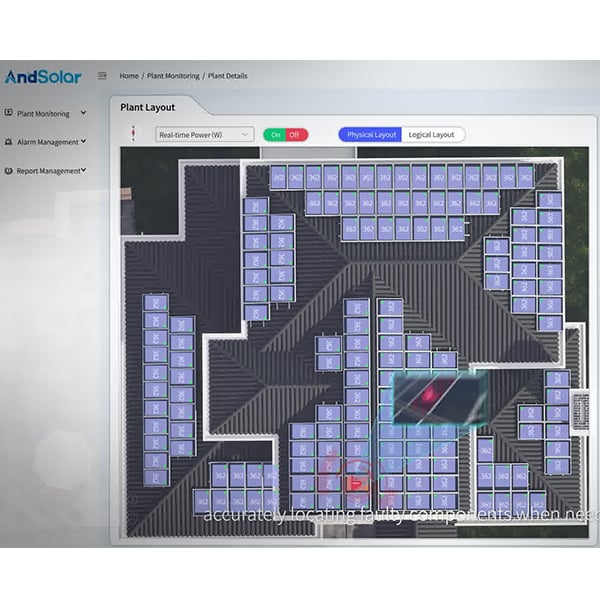
Implementing real-time monitoring systems allows facility managers and bulk installation operators to detect performance degradation early and intervene before complete failure. Modern power optimizers include communications protocols that transmit diagnostic data, enabling remote assessment of operational health and early warning of potential issues. Thermal imaging inspections identify units operating outside normal temperature ranges, suggesting internal problems or external airflow restrictions. Predictive maintenance programs, commonly offered by suppliers and wholesale distributors, use historical data to forecast likely failure points and schedule replacement before emergency repairs become necessary. Regular inspections and proactive component replacement extend overall system lifespan and reduce total cost of ownership. Bulk installations managed by experienced operators with comprehensive monitoring typically achieve or exceed rated lifespan, while unmonitored systems face higher failure rates and shorter effective operational windows.
FAQ
How long do power optimizers typically last in harsh climates?
In harsh coastal or desert environments with extreme temperature swings, a power optimizer may operate effectively for 18 to 22 years rather than the standard 25-year warranty period. Salt spray corrosion, intense ultraviolet exposure, and rapid thermal cycling accelerate material degradation in electronic components. Wholesale suppliers operating in challenging regions recommend selecting models with enhanced environmental protection and implementing more frequent maintenance inspections. Strategic location selection within an installation site, proper ventilation, and protective shading can mitigate some environmental stress and extend practical lifespan.
What is the cost impact of replacing a power optimizer before 25 years?
Early replacement of a failed power optimizer represents an unbudgeted operational expense that reduces project profitability, typically ranging from several hundred to several thousand dollars per unit depending on size and installation complexity. For bulk installations with dozens or hundreds of units, premature failures across multiple devices can significantly impact financial returns. This risk underscores the importance of sourcing from reputable suppliers with strong warranty coverage, selecting units with proven durability, and implementing proactive maintenance. Bulk purchasing agreements that include extended warranties or performance guarantees protect against unexpected costs and provide peace of mind over the system's operational lifetime.
Can a power optimizer be repaired or refurbished to extend its lifespan?
Most modern power optimizers are not designed for field repair, as internal potting and sealed construction prevent component-level maintenance. However, wholesale suppliers and recycling specialists increasingly offer refurbished or reconditioned units from salvaged systems, though these typically carry shorter warranties than new products. Repaired units may be suitable for secondary applications or test environments but are generally not recommended for critical production systems. Replacement with new, warranted equipment from reliable suppliers provides better reliability assurance and aligns with long-term project economics.
