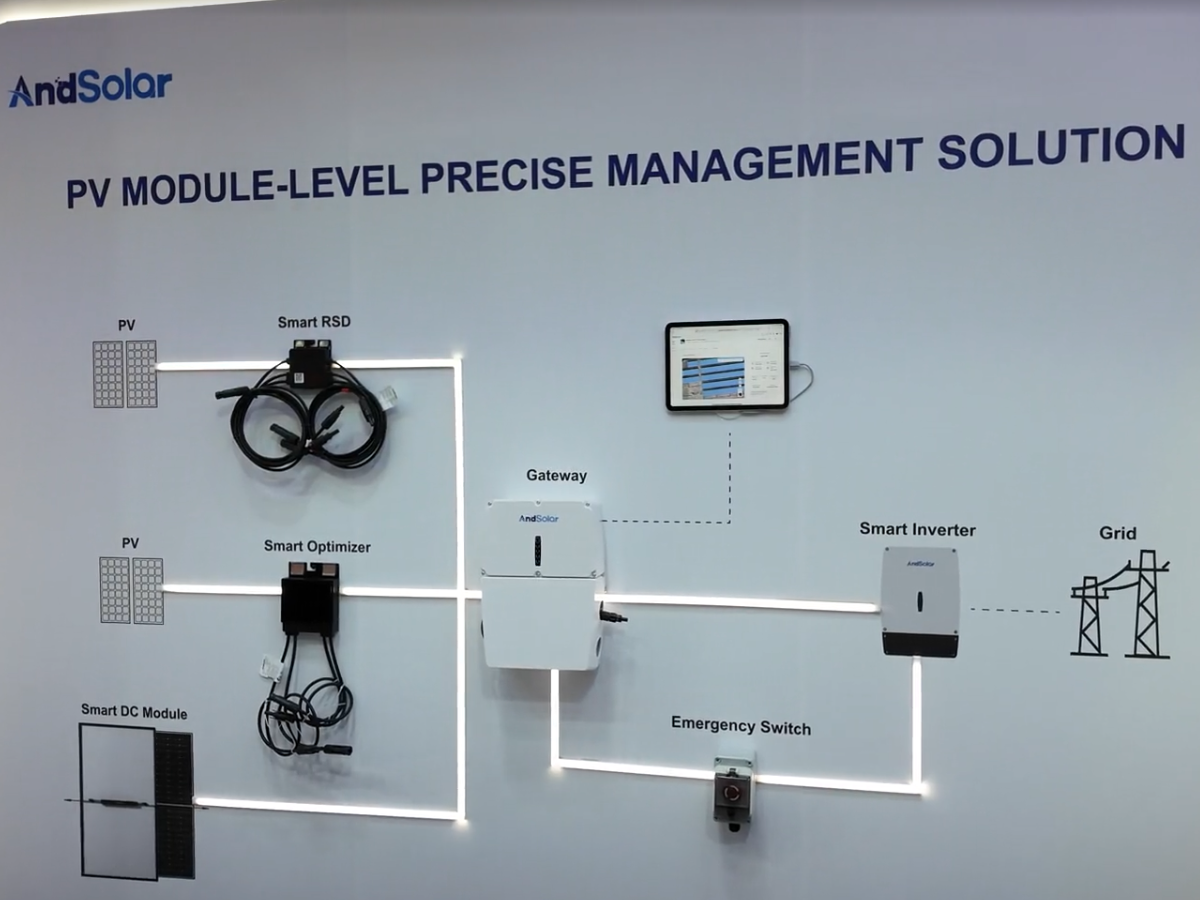
A Power Optimizer is a device that sits between solar panels and inverters to maximize energy production from each panel independently. Many solar installers and homeowners wonder whether a Power Optimizer can work universally across all panel types and inverter configurations. The short answer is that while Power Optimizers are highly versatile, compatibility depends on specific technical specifications, electrical ratings, and system design rather than working seamlessly with every combination. Understanding these compatibility factors is essential for designing an effective solar energy system.
The compatibility of a Power Optimizer with solar panels and inverters involves multiple technical layers. Each panel in a solar array may have different orientations, shading patterns, or degradation levels, making individual optimization crucial. A Power Optimizer addresses this by monitoring and adjusting the voltage and current output of each panel, enabling the inverter to process optimal electrical characteristics. However, the effectiveness and actual compatibility of any Power Optimizer depend on matching voltage ratings, current limits, communication protocols, and inverter firmware versions.
Understanding Power Optimizer Compatibility with Panel Types
Monocrystalline and Polycrystalline Panel Compatibility
Most modern Power Optimizer models are designed to work with both monocrystalline and polycrystalline silicon panels, which represent the majority of residential and commercial installations. A Power Optimizer functions by regulating the DC voltage and current flowing from each panel, regardless of the silicon type. The key compatibility factor is the panel's open-circuit voltage and maximum power current, both of which must fall within the Power Optimizer's rated specifications. For example, if a Power Optimizer is rated for a maximum input voltage of 48 volts, it cannot safely operate with panels that produce 55 volts under cold conditions without risk of damaging internal components.
Thin-Film and Emerging Panel Technologies
Thin-film panels, including cadmium telluride and CIGS technologies, present different electrical characteristics compared to crystalline silicon panels. A Power Optimizer designed for standard crystalline panels may not be compatible with thin-film modules because they often have different voltage curves and temperature coefficients. If you are considering thin-film or emerging panel technologies like perovskite cells, you must verify that your chosen Power Optimizer explicitly supports these types. Manufacturers typically publish compatibility lists indicating which panel models and technologies their Power Optimizer solutions have been tested and certified to work with effectively.
Inverter Compatibility and Communication Requirements
String Inverter and Power Optimizer Integration
A Power Optimizer is most commonly paired with a string inverter, which collects and converts the DC output from an entire array into AC power for home or grid use. For this integration to work properly, the string inverter must be capable of accepting the output voltage range produced by the Power Optimizer. Modern string inverters are generally designed with wide voltage input windows to accommodate Power Optimizer outputs, but older inverter models or budget-level units may have limitations. Additionally, the Power Optimizer must be able to operate at the inverter's maximum power point voltage window, which typically ranges from 200 to 600 volts depending on inverter size and design.
Microinverter and Power Optimizer Compatibility Challenges
Combining a Power Optimizer with a microinverter creates a redundant optimization layer that may reduce system efficiency rather than improve it. A microinverter already performs per-panel optimization by converting DC to AC at the module level, while a Power Optimizer optimizes DC characteristics before the microinverter. This dual-optimization approach can introduce communication conflicts and may void warranties from either manufacturer. Therefore, using a Power Optimizer alongside microinverters is generally not recommended and is often explicitly prohibited in product documentation and installation guidelines.
Voltage Rating and Electrical Specifications
Maximum Voltage Handling and Temperature Derating
One of the most critical compatibility considerations for any Power Optimizer involves its maximum input and output voltage ratings under various temperature conditions. Solar panels generate higher voltages in cold weather, and a Power Optimizer must safely handle these peak voltage spikes. If a Power Optimizer has a maximum input voltage of 52 volts but panels in a cold climate produce 58 volts, the Power Optimizer cannot be safely installed regardless of other compatibility factors. Temperature derating curves provided by manufacturers show how voltage ratings change with ambient conditions, helping you determine whether a specific Power Optimizer will remain compatible throughout the year in your geographic location.
Current and Power Ratings Alignment
Each Power Optimizer model is rated for a specific maximum input current, typically ranging from 15 to 25 amperes depending on the device class. If your solar panels are rated for 10 amperes but the Power Optimizer is rated for only 8 amperes, the Power Optimizer would become a bottleneck that restricts system performance. Conversely, a Power Optimizer with significantly higher current rating than the panels will operate safely but may represent unnecessary cost. Matching the Power Optimizer's current rating to your panel specifications ensures both safety and cost-effective system design while maintaining proper compatibility.
Communication Protocols and Monitoring Requirements
Proprietary Versus Open-Standard Communication
Many modern Power Optimizer systems use proprietary communication protocols to transmit performance data from each module back to the inverter or monitoring platform. If a Power Optimizer uses a proprietary protocol that your chosen inverter does not support, the devices cannot communicate effectively, preventing the Power Optimizer from providing optimized performance feedback. Some manufacturers design their Power Optimizer solutions to work exclusively with their own inverter brands, limiting compatibility options. Open-standard protocols like Sunspec Modbus offer broader compatibility, but even these require both devices to implement the standard identically.
Monitoring and Control Software Compatibility
A Power Optimizer system's value depends not only on hardware compatibility but also on the monitoring software and control algorithms. If the monitoring platform associated with your Power Optimizer cannot integrate with your inverter's monitoring system, you may lose visibility into performance data or inability to execute optimized control strategies. Before purchasing a Power Optimizer, verify that its software ecosystem, APIs, and communication standards align with your inverter and overall system architecture. This software compatibility layer is often overlooked but can significantly impact your ability to maximize energy production and system efficiency.
FAQ
Can I use a Power Optimizer with any residential solar panel?
Not all residential panels are compatible with every Power Optimizer model. You must verify that the panel's open-circuit voltage, maximum current, and temperature coefficient fall within the Power Optimizer's rated specifications. High-voltage panels designed for commercial systems or specialty thin-film modules may not be compatible with standard residential Power Optimizer units. Always consult the manufacturer's compatibility matrix before making a purchase decision to ensure your specific panels will work correctly with the Power Optimizer you select.
What happens if I install a Power Optimizer with an incompatible inverter?
Installing a Power Optimizer with an incompatible inverter can result in reduced performance, communication failures, system shutdown, or safety hazards. If the inverter cannot accept the output voltage range from the Power Optimizer, the system may fail to generate power or may operate at significantly reduced capacity. In worst-case scenarios, voltage mismatches can damage inverter components or create fire hazards. Always confirm that your inverter model has been tested and approved by the Power Optimizer manufacturer before installation.
Is a Power Optimizer necessary if I already have a modern inverter?
A Power Optimizer provides benefits beyond what a standard inverter alone can achieve, particularly in systems with shading, panel mismatches, or complex roof orientations. However, if your panels receive uniform sunlight, are well-matched in age and specification, and your inverter has a high-quality maximum power point tracking algorithm, the Power Optimizer's added benefit may be minimal. The decision to use a Power Optimizer should be based on your specific site conditions, energy production goals, and budget constraints rather than assuming universal necessity across all solar installations.
