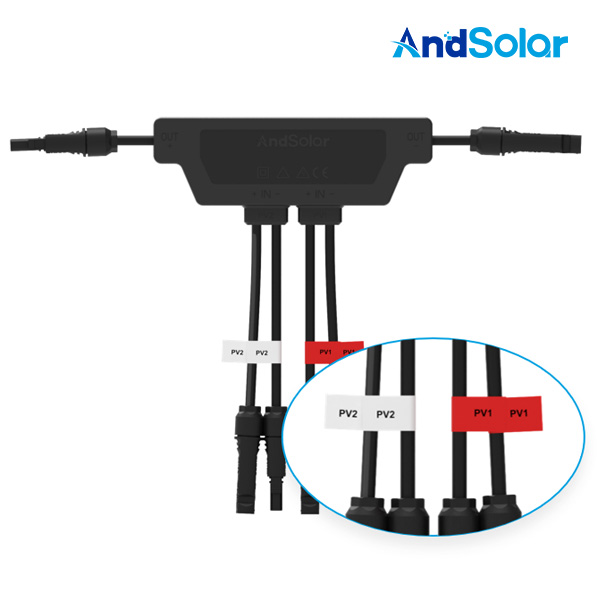
Solar energy systems face a persistent challenge: shade and panel mismatch can significantly reduce overall system efficiency. When photovoltaic panels receive uneven sunlight due to shade or experience mismatched electrical characteristics, the entire array's performance suffers. A power optimizer directly addresses these challenges by allowing each panel to operate independently and at its optimal voltage and current level, maximizing energy harvest even under challenging conditions.
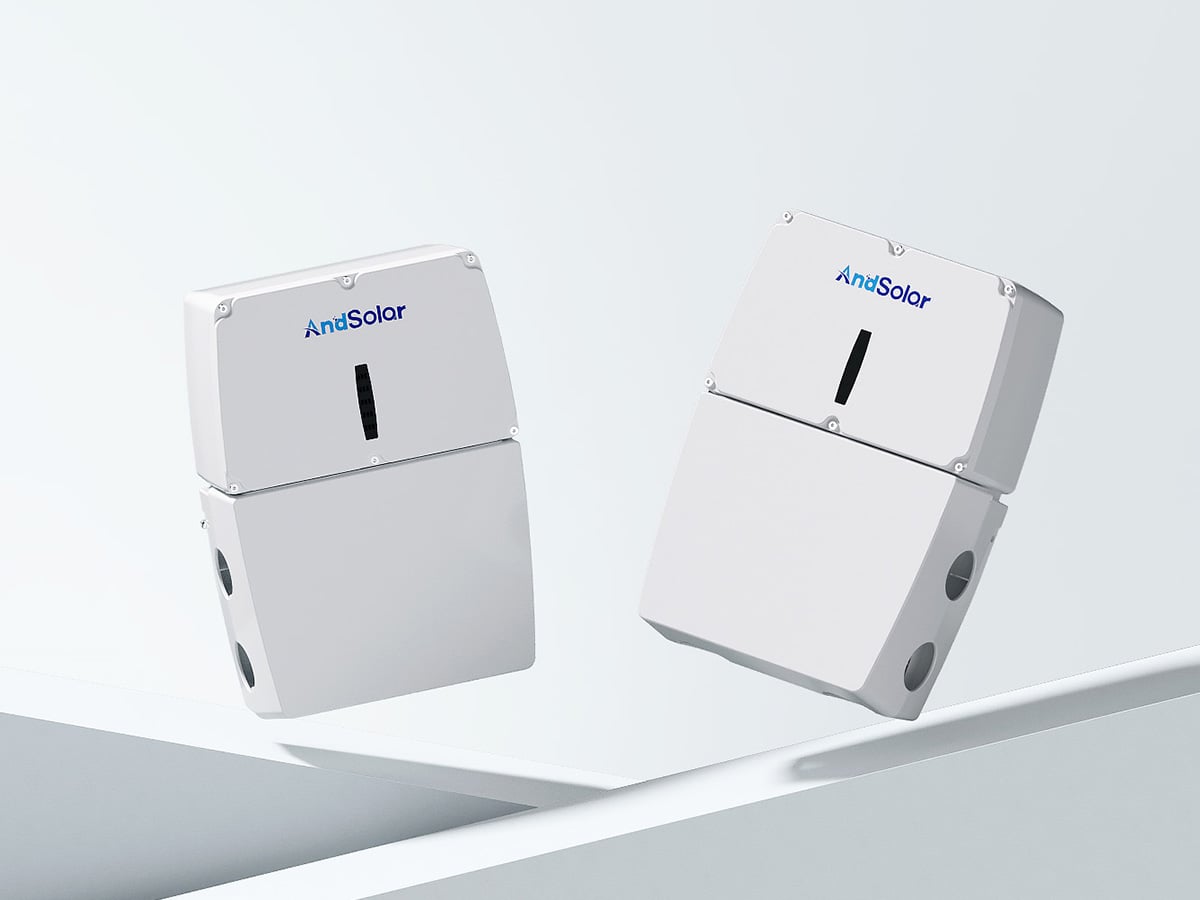
Understanding how a power optimizer works reveals why it has become essential in modern solar installations. Unlike traditional systems where panels are connected in series strings, a power optimizer enables module-level optimization, ensuring that shade on one panel does not cascade losses across an entire string. This fundamental shift in system architecture directly translates to measurable increases in energy production, particularly in residential and commercial installations where shade patterns vary throughout the day.
Understanding Shade and Mismatch Problems in Solar Systems
How Shade Creates Energy Loss
Shade is one of the most damaging factors in solar energy systems. When even a portion of a single panel is shaded, the entire panel's output drops significantly. In traditional string-connected systems, this shaded panel acts as a bottleneck, limiting the current flowing through the entire string to match the shaded panel's reduced output. A power optimizer eliminates this bottleneck by decoupling each panel's performance from its neighbors. Each power optimizer independently converts the DC voltage from its attached panel to match system requirements, allowing shaded panels to contribute their available power without dragging down unshaded panels.
Panel Mismatch and Its Impact
Panel mismatch occurs when photovoltaic modules within the same string have different electrical characteristics due to manufacturing tolerances, age, soiling, or temperature variations. In a traditional string configuration, all panels must match perfectly to avoid efficiency losses. When mismatch exists, the weakest panel limits the string's performance. A power optimizer solves this by enabling each panel to operate at its own maximum power point independently. This means older panels, dirtier panels, and panels with slight manufacturing differences no longer compromise system output. The power optimizer automatically adjusts voltage and current for each module, ensuring every panel contributes at its true capacity.
How Power Optimizer Technology Mitigates Energy Loss
Module-Level Maximum Power Point Tracking
The core mechanism by which a power optimizer mitigates energy loss is module-level maximum power point tracking (MPPT). Traditional systems use a single inverter to track the power point for entire arrays, which becomes impossible when panels face different conditions. A power optimizer includes its own MPPT circuitry, continuously monitoring each panel's voltage-current characteristics and adjusting its conversion ratio to keep that panel operating at its maximum power point. This means a power optimizer can track the optimal operating point for a shaded panel at 60 watts while simultaneously allowing an unshaded panel to operate at 200 watts, without any electrical interaction between them. The result is that a power optimizer allows each module to contribute its maximum available energy regardless of surrounding conditions.
Voltage Optimization and System Flexibility
A power optimizer also standardizes the voltage output across all panels in the system. Even if individual panels vary in temperature, age, or condition, the power optimizer ensures they all output compatible voltages to the inverter or combiner box. This voltage harmonization prevents the mismatch losses that occur in traditional systems where panel voltage differences create inefficiencies. Additionally, a power optimizer provides system designers with greater flexibility in array configuration. Panels with different orientations, tilt angles, or shade exposure patterns can be combined in the same array without penalty. A power optimizer essentially decouples the physical placement and orientation constraints that would otherwise limit system design in traditional string configurations.
Practical Benefits of Power Optimizer Installation
Quantifiable Energy Production Gains
Real-world performance data demonstrates that a power optimizer can increase energy production by 15 to 25 percent in systems experiencing moderate to heavy shade conditions. In residential installations where trees, buildings, or roof geometry create complex shade patterns, the gains are often at the higher end of this range. A power optimizer transforms what would be a poor installation site into a viable solar location. Commercial rooftops with ventilation equipment, satellite dishes, or other obstructions benefit dramatically from power optimizer technology. Even in systems with partial shade coverage lasting only a few hours daily, a power optimizer accumulates significant additional energy over the system's 25-year lifespan.
Monitoring and Maintenance Advantages
A power optimizer provides granular monitoring data at the module level, allowing system owners to identify underperforming panels quickly. If a panel's output drops unexpectedly due to soiling, damage, or degradation, the power optimizer monitoring system flags it immediately. This early detection capability enables rapid maintenance interventions. A power optimizer also simplifies troubleshooting. In traditional systems, determining which panel is faulty requires specialized equipment and manual testing across the string. With a power optimizer, each module's performance is individually tracked and reported. This monitoring advantage extends system lifespan by catching issues before they compound into larger problems.
FAQ
Can a power optimizer completely eliminate shade losses?
A power optimizer significantly reduces shade losses but cannot eliminate them entirely. Shaded panels inherently produce less energy than unshaded panels—this is a physical reality. However, a power optimizer prevents the cascade effect where shade on one panel reduces output across an entire string. By enabling independent operation, a power optimizer ensures that shaded panels contribute whatever energy they can generate without limiting unshaded panels. In systems with 20 percent shade coverage, a power optimizer might reduce losses from 35 percent down to 22 percent, capturing most of the recoverable energy while respecting the fundamental limits of shaded panel output.
Does a power optimizer work in systems without significant shade?
Yes, a power optimizer delivers benefits even in shade-free systems. Panel mismatch, temperature variations, and soiling patterns differ across arrays, creating efficiency opportunities. A power optimizer ensures each panel operates at its true maximum power point rather than being constrained by the weakest performer. In clean, unshaded systems, the gains are typically 3 to 8 percent rather than the 15 to 25 percent seen in shaded installations. A power optimizer also provides monitoring capabilities and increased system safety through module-level power conversion, making it valuable regardless of shade conditions.
How does a power optimizer compare to microinverters in addressing mismatch?
Both a power optimizer and microinverters provide module-level optimization and solve mismatch and shade problems. The primary differences are operational and economic. A power optimizer sits between panels and a central inverter, requiring less hardware per panel and lower installed costs in large arrays. Microinverters convert DC to AC at each panel, eliminating the need for a separate inverter but adding cost per module. A power optimizer typically offers better economics in systems with 8 or more panels, while microinverters suit smaller systems or retrofits where central inverter replacement is impractical. Both technologies effectively solve shade and mismatch problems.
