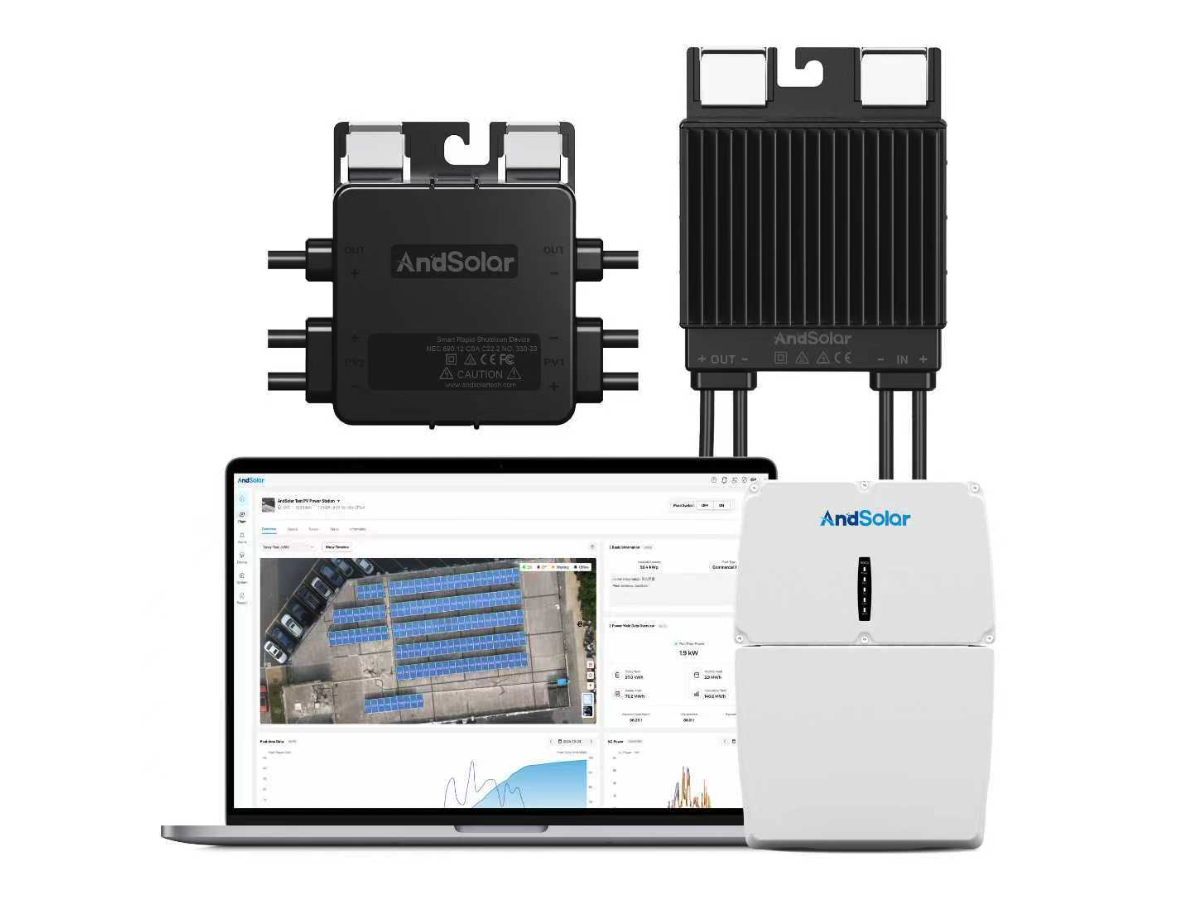
A power optimizer represents one of the most critical components in modern photovoltaic systems, directly influencing energy production and return on investment. As solar installations grow in scale and complexity, the role of power optimization has become increasingly central to achieving maximum PV yield. Without proper optimization technology, solar arrays operate below their potential, leaving significant energy revenue on the table.
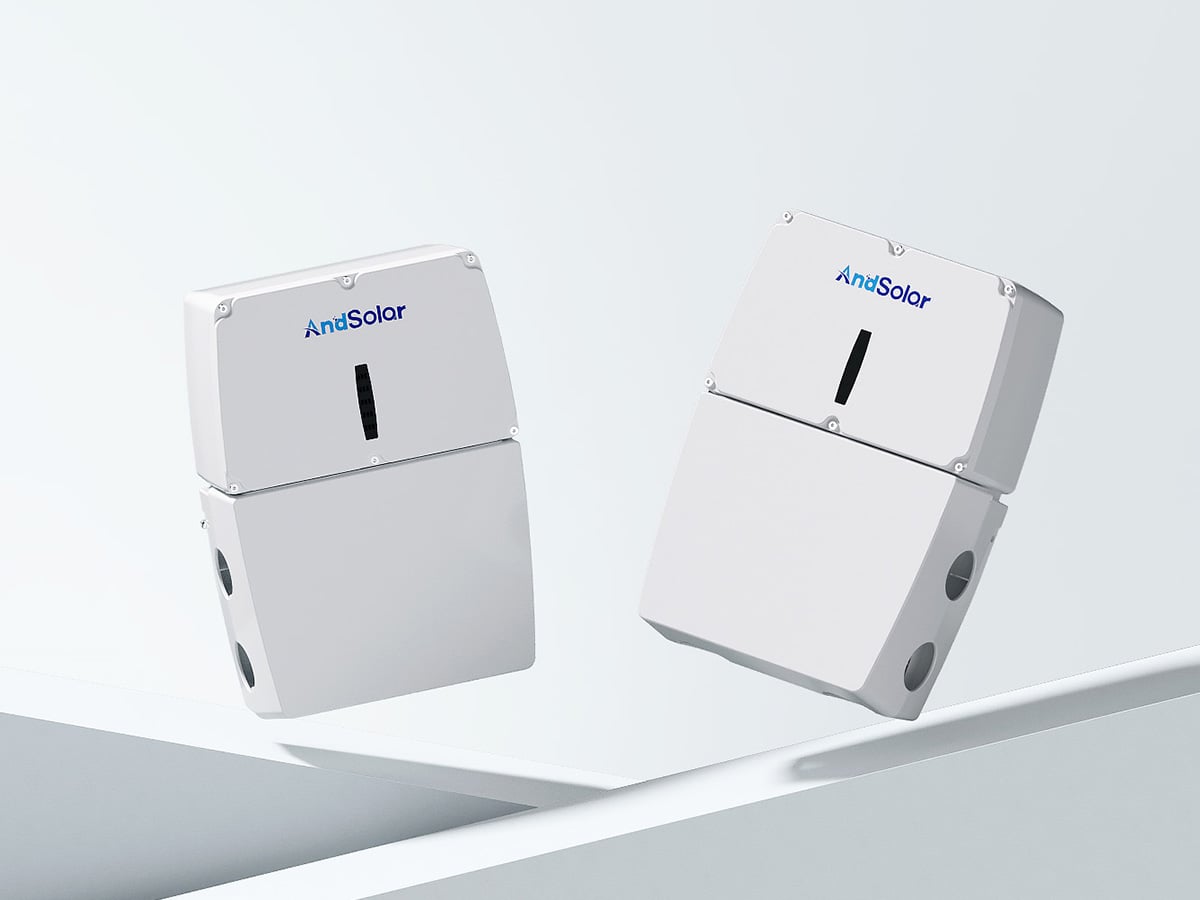
Understanding the strategic importance of power optimization requires insight into how solar systems perform under real-world conditions. Shading, temperature variation, module degradation, and inverter limitations all conspire to reduce system efficiency. A qualified power optimizer manufacturer or distributor can provide solutions tailored to your specific installation profile, whether you source in bulk quantities or require custom configurations.
How Power Optimizer Technology Works
DC to DC Conversion and Voltage Matching
A power optimizer operates by converting the direct current output from individual solar panels into a standardized voltage format compatible with your central inverter. Each panel connected to a power optimizer performs maximum power point tracking at the module level, rather than at the entire array level. This means that even when neighboring panels face partial shading or operate at different temperatures, each module continues to function at its optimal voltage and current combination. Bulk purchases from a dedicated supplier or manufacturer ensure consistent quality across your entire installation.
Module-Level MPPT and Independent Operation
Traditional string inverters optimize at the string level, where a single shaded or underperforming panel drags down the entire string. A power optimizer eliminates this bottleneck by providing independent maximum power point tracking for every panel in your array. This decoupling of module performance means that your total system output reflects the actual generation potential of each individual panel rather than the weakest performer in the series string. Whether you work with a bulk distributor or a specialized manufacturer, this architecture fundamentally changes PV yield potential.
Impact on PV Yield and Performance Metrics
Shading Mitigation and Year-Round Output
Partial shading represents one of the most common sources of energy loss in solar installations, yet remains difficult to eliminate entirely in complex roof geometries or urban environments. A power optimizer mitigates shading losses by allowing unshaded panels to produce at full capacity while independently optimizing shaded modules to their available potential. Studies consistently demonstrate that installations using power optimization technology achieve 5 to 25 percent higher annual energy output compared to traditional string inverter systems in partially shaded scenarios. Whether sourced through a bulk order from a distributor or custom-configured through a manufacturer, this performance gain translates directly to improved financial returns.
Temperature Coefficient Benefits
Solar panel efficiency declines as temperature rises, with most panels losing approximately 0.4 to 0.5 percent of their rated capacity for every degree Celsius above the standard test condition of 25 degrees. A power optimizer continuously adapts to changing panel temperatures, maintaining operation at the true maximum power point rather than a fixed assumption. This dynamic response becomes increasingly valuable in hot climates or installations with limited air circulation behind the panels. Leading supplier and manufacturer partnerships offer solutions specifically calibrated for regional thermal profiles.
System Design and Implementation Considerations
Compatibility with Existing and New Installations
Power optimizer retrofitting on existing systems or integration into new designs requires careful engineering and vendor selection. Whether working with a bulk distributor offering volume discounts or a specialized manufacturer providing custom solutions, your choice of power optimizer directly affects system complexity, installation timelines, and long-term serviceability. Modern power optimizers include integrated monitoring, arc-fault protection, and temperature sensors that simplify both commissioning and ongoing performance diagnostics. Many supplier programs now offer training and technical support to ensure proper deployment.
Economic Analysis and ROI Impact
The investment in power optimizer technology must be evaluated against the incremental energy yield gains and reduced operational losses. In installations with significant shading, temperature variations, or panel degradation concerns, the payback period for power optimization often falls within three to five years when calculated from energy production gains alone. Additional benefits including reduced fire risk through arc-fault protection, longer component lifespan, and simplified system expansion add intangible value. A distributor or manufacturer can provide performance projections specific to your geographic location and system configuration.
FAQ
Why should I choose a power optimizer over a string inverter configuration?
A power optimizer provides module-level maximum power point tracking and independent operation, which string inverters cannot match. When your installation faces partial shading, temperature variations, or aging panels, a power optimizer ensures that each panel operates at its true maximum power point rather than being dragged down by underperforming neighbors. This architecture typically yields 5 to 25 percent more energy annually in partially shaded environments, justifying the additional investment through accelerated payback on PV yield improvements.
How do I identify the right power optimizer manufacturer or supplier for my project?
Look for a manufacturer or distributor with proven experience in your climate zone, specific installation type, and system scale. Whether purchasing in bulk or as a custom solution, ensure your chosen supplier offers comprehensive technical documentation, performance modeling tools, and ongoing support. Verify compatibility with your central inverter and balance-of-system components, and confirm warranty terms that protect your investment. Many leading distributors and manufacturers now provide site-specific yield assessments to validate performance projections before you commit to an order.
Can I retrofit a power optimizer into an existing solar system?
Retrofitting a power optimizer into an existing system is technically feasible but requires careful system engineering and potential electrical modifications. Your existing inverter must be compatible with the output characteristics of the power optimizer, and your dc wiring and protection schemes must be reassessed. A qualified distributor or manufacturer specializing in retrofit applications can conduct a detailed site evaluation to determine feasibility and cost implications. In many cases, retrofit installations prove cost-effective when existing systems are underperforming due to shading or module mismatch issues.
