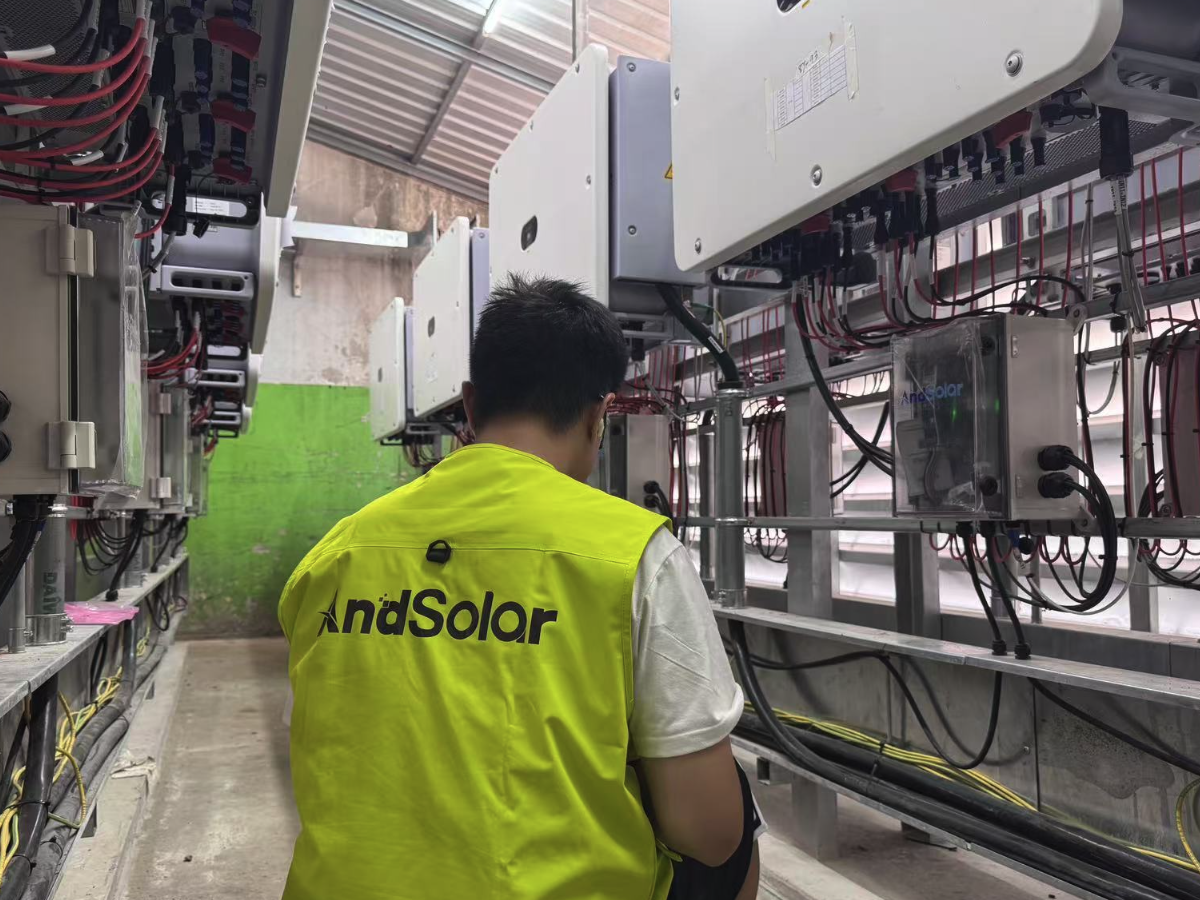
Selecting the right power optimizer for shaded roofs requires understanding how this technology addresses the unique challenges that partial shading creates in solar photovoltaic systems. When trees, buildings, or other obstructions cast shadows on solar panels, traditional string inverters struggle to deliver optimal performance because shading on even one panel reduces the output of the entire series string. A power optimizer works at the panel level to mitigate this issue, ensuring that shaded sections do not drag down the performance of unshaded panels in your array.
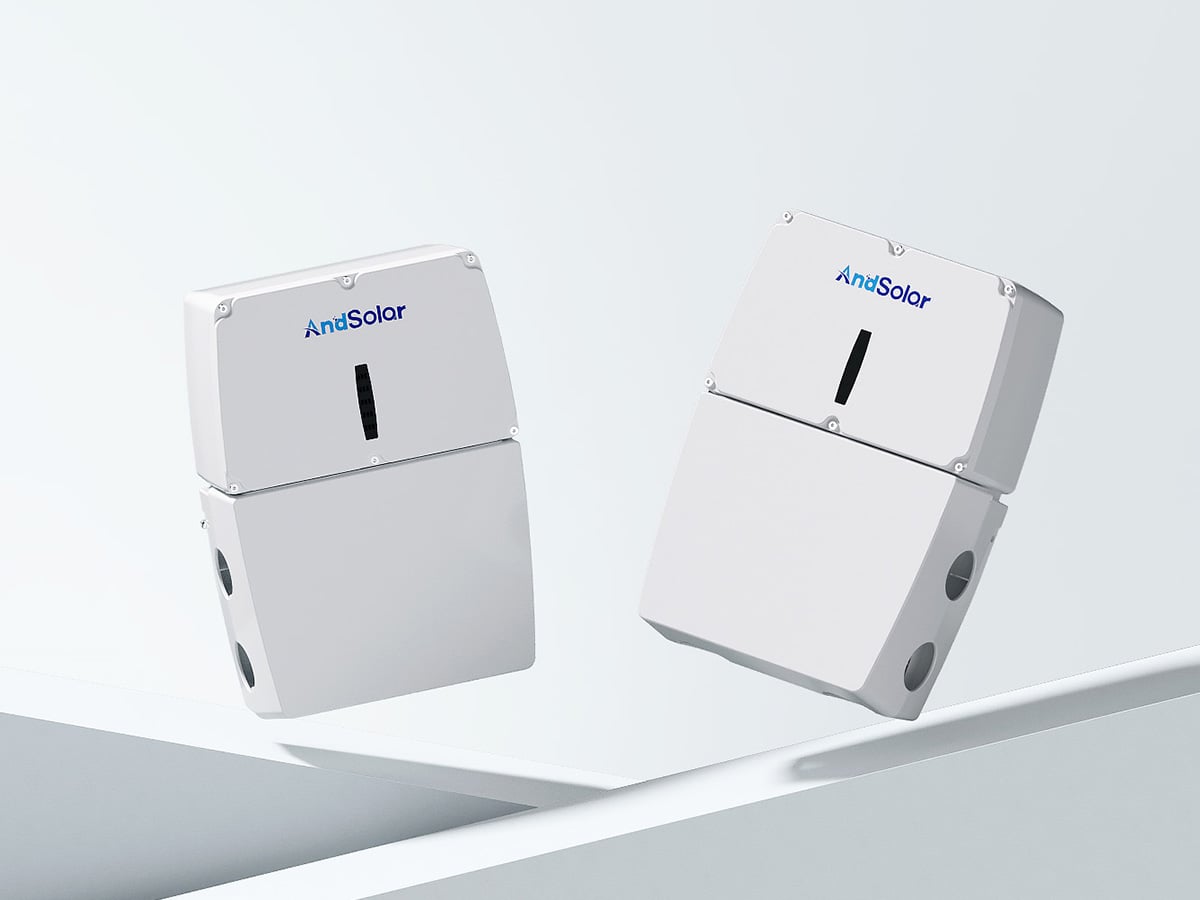
Choosing a power optimizer requires careful evaluation of several factors, including compatibility with your existing electrical infrastructure, efficiency ratings under partial shade conditions, warranty terms, and the reliability of your chosen manufacturer or supplier. This guide walks through the essential selection criteria so you can confidently pick a solution that boosts energy production on your shaded roof installation.
Understanding Power Optimizer Technology and Shading Impact
How Power Optimizers Address Shading Issues
A power optimizer is a DC-to-DC converter installed at each solar module that regulates voltage and current independently of other panels. Unlike string inverters that treat all panels in a series string as a single unit, power optimizers allow each panel to operate at its maximum power point regardless of shading on neighboring panels. This architecture dramatically improves system output when partial shade affects only some panels in your array, which is common on residential and commercial roofs with trees, chimneys, or adjacent structures.
The efficiency gain from using a power optimizer becomes particularly pronounced during early morning hours, late afternoon, or when seasonal shadows move across your roof. Studies show that systems with power optimizers can recover 15 to 25 percent more annual energy compared to string inverter systems in moderately shaded environments. A qualified manufacturer or supplier will provide performance data specific to your roof geometry and expected shading patterns.
Comparing Traditional Inverter Approaches
Traditional string inverter systems suffer from what is called the 'mismatch loss.' When one panel in a series string experiences shading, current from all panels is limited to the output of the most shaded panel. Power optimizers eliminate this bottleneck by conditioning each panel individually before the direct current reaches the central inverter. This fundamental difference makes power optimizers the preferred choice for any roof with partial shading, whether that shading is temporary or permanent.
Key Selection Criteria for Your Shaded Roof
Efficiency and Performance Under Shade
When evaluating a power optimizer, look for models that maintain high conversion efficiency even when panels operate at reduced voltage due to shading. Most quality power optimizers achieve 98 to 99 percent efficiency in full sunlight and 96 to 98 percent efficiency under partial shade. Request independent performance data from your manufacturer or supplier that specifically addresses shade scenarios matching your roof conditions. China-based manufacturers have become major players in this sector, offering competitive pricing without sacrificing performance standards.
Temperature tolerance is another critical metric. Power optimizers that overheat in direct sun or underperform in cold climates will limit your system's year-round output. Choose models rated for the full temperature range your roof will experience, and verify that efficiency ratings are tested across that range. A reputable supplier will provide thermal management features and passive cooling design to prevent performance degradation.
Voltage Compatibility and System Integration
Power optimizer selection must account for the voltage specifications of your central inverter and the total number of panels in your array. Each power optimizer reduces voltage slightly as it processes power, so cumulative voltage drops across many optimizers must not exceed your inverter's input limits. A knowledgeable supplier will calculate this for your specific system size and roof layout. Mismatched voltage specifications can force you to use a larger, more expensive inverter or limit the number of panels you can install.
Communication capabilities are equally important. Many modern power optimizers include monitoring and rapid shutdown features that integrate with system-level controls. Confirm that your chosen manufacturer or supplier provides clear documentation on how their power optimizer integrates with your inverter model and whether it supports real-time performance monitoring through a mobile app or web dashboard.
Warranty and Long-Term Reliability
A power optimizer is a long-term investment that must withstand 25 to 30 years of outdoor exposure. Choose a product backed by at least a 12-year equipment warranty, with the option for extended coverage if available. Verify that your chosen supplier or manufacturer stands behind that warranty with a clear claims process and local service infrastructure. China has emerged as a major production hub for power optimizers, with several established manufacturers offering solid warranties and global distribution networks.
Additionally, research the financial stability and track record of your chosen manufacturer. A startup company with cutting-edge technology may offer attractive pricing but could leave you without warranty support if the business fails. Established suppliers with years of market presence and positive customer reviews provide greater long-term peace of mind, even if initial costs are slightly higher.
Evaluating Manufacturer and Supplier Options
Assessing Quality and Certification Standards
Any reputable manufacturer or supplier should provide third-party certification proving that their power optimizer meets relevant safety and performance standards. Look for IEC 61215 certification for module-level power electronics and UL 1703 compliance for North American markets. These certifications confirm that products have undergone rigorous testing for electrical safety, durability, and real-world performance under stress conditions.
Before committing to a specific power optimizer model, request references from existing installations that have similar shading profiles to your roof. Contact those customers directly to learn about long-term reliability, how well the system performed during its first few years, and whether the manufacturer or supplier was responsive to issues. Independent solar installer reviews and industry publications also offer valuable insights into manufacturer reputation and product reliability.
Pricing, Support, and Technical Documentation
Power optimizer pricing varies significantly based on efficiency rating, warranty coverage, monitoring features, and manufacturing origin. A supplier based in China may offer lower per-unit costs due to local production, while established Western manufacturers may charge more for brand recognition and regional support infrastructure. Request quotes from multiple suppliers and manufacturers to establish realistic pricing for your system size, then compare not just the per-unit cost but the total installed system cost, including balance-of-system components and labor.
Equally important is the quality of technical support and documentation provided by your chosen manufacturer or supplier. Detailed installation guides, troubleshooting resources, and responsive technical support reduce installation delays and future maintenance headaches. Confirm that your supplier offers training for installation professionals and provides clear communication channels for post-sale questions. A manufacturer with comprehensive technical resources and responsive support will save you time and money over the system's lifetime, making it worth the premium if such a premium exists.
FAQ
Do all shaded roofs need a power optimizer?
Not necessarily, but power optimizers deliver significant value when shading blocks more than 10 to 15 percent of your solar array at any point during the year. If your roof experiences only brief morning or evening shadows that quickly pass, a string inverter system may be sufficient. However, if permanent structures or trees create persistent shade on portions of your roof, a power optimizer system is almost always the better choice and will pay for itself through recovered energy production.
What is the difference between a power optimizer and microinverters?
Both power optimizers and microinverters operate at the panel level to address shading, but they differ in function. A power optimizer converts DC power and sends it to a central inverter, while a microinverter converts DC to AC at the panel itself. Power optimizers are generally more cost-effective and work with existing central inverter infrastructure, making them ideal for retrofits. Microinverters eliminate the need for a central inverter but cost more per panel and are better suited to new installations.
How do I know which manufacturer or supplier to trust?
Start by checking certifications, warranty terms, and customer reviews. A reliable manufacturer or supplier will provide independent test data, respond promptly to inquiries, and have a track record of installations in your region. Don't hesitate to ask for customer references or to contact local solar installers who have experience with specific products. Established companies from China and other regions can offer excellent value, but always verify certifications and support infrastructure before making your final selection.
