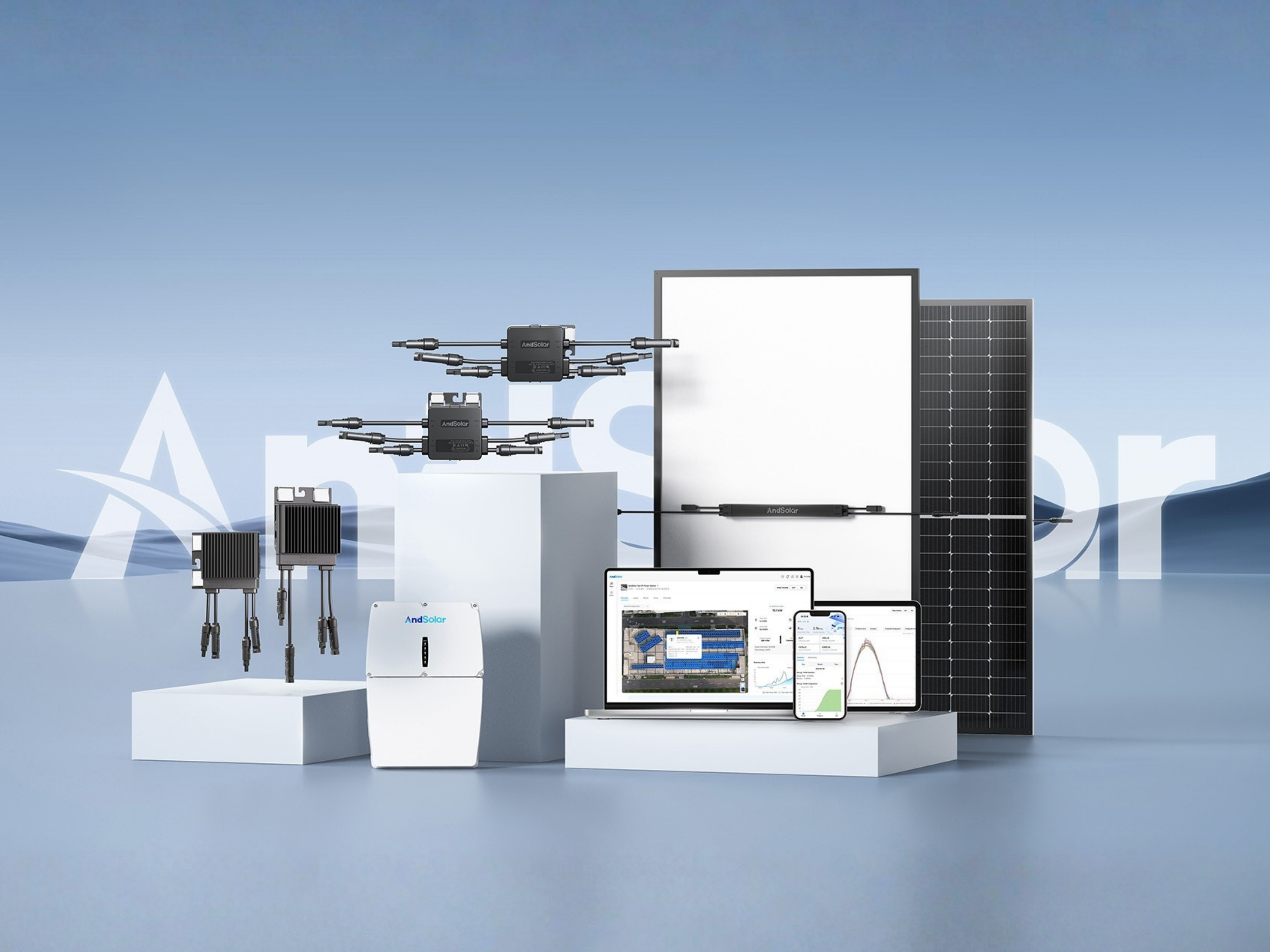
Solar energy adoption continues to accelerate across residential, commercial, and industrial sectors, yet many property owners face installation obstacles that standard photovoltaic systems cannot adequately resolve. Shaded rooftops from neighboring structures or mature trees, limited mounting areas on urban buildings, irregular architectural features, and restrictive municipal codes all present barriers to conventional solar deployment. These site-specific challenges require more than off-the-shelf equipment—they demand engineered approaches that account for environmental constraints, spatial limitations, and performance optimization under less-than-ideal conditions. A custom solar solution represents a tailored photovoltaic system designed specifically to overcome these unique obstacles through specialized components, adaptive mounting strategies, intelligent power electronics, and precision site analysis that standard installations typically do not provide.
The fundamental question for property owners and facility managers becomes whether investing in a custom solar solution actually delivers measurable advantages over accepting reduced performance from standard systems or abandoning solar energy altogether. The answer depends on understanding how customization addresses specific technical and economic challenges inherent to compromised sites. Shade-affected properties experience dramatic energy losses with traditional string inverter configurations, while space-constrained installations may fail to meet energy goals without high-efficiency modules and optimized layouts. Custom approaches integrate module-level power electronics, bifacial panels, vertical mounting systems, and site-specific tilt angles that extract maximum generation from available conditions. This article examines the technical mechanisms through which custom solar solutions overcome shade and space limitations, the engineering considerations that define effective customization, the economic viability of tailored systems, and the decision criteria that determine when customization becomes necessary rather than optional.
Understanding How Shade Compromises Standard Solar Systems
The Technical Impact of Partial Shading on String Configurations
Conventional solar installations typically employ string inverter architectures where multiple photovoltaic modules connect in series to achieve the voltage levels required for grid-tied operation. This configuration creates a fundamental vulnerability to shading because electrical current in a series circuit flows through the path of least resistance, meaning the weakest-performing module determines the output of the entire string. When even a single panel experiences shade from a chimney, tree branch, or adjacent building, its current production drops significantly, creating a bottleneck that reduces power generation across all connected modules. This phenomenon, known as the Christmas light effect, can cause a 5-10% shaded area to reduce string output by 40-60% depending on shade density and duration. Standard systems lack the granular control needed to isolate underperforming modules from the array's overall production, making them poorly suited for properties with unavoidable shade patterns that change throughout the day or across seasons.
Economic Consequences of Shade-Induced Performance Degradation
The financial implications of shade-related losses extend beyond simple generation reductions because solar system economics depend on achieving projected energy yields over 20-25 year operational lifespans. When a custom solar solution is not implemented and standard equipment experiences chronic shading, the return on investment timeline extends significantly, potentially rendering projects financially unviable. A system designed to offset 80% of electricity consumption may only achieve 45-50% offset if shade impacts remain unaddressed, requiring either extended payback periods or acceptance of higher ongoing utility costs. Performance guarantees from installers typically exclude shade-related losses, placing the financial risk entirely on the property owner. Energy production monitoring reveals these shortfalls over time, but without module-level optimization, remediation options remain limited to expensive tree removal, structural modifications, or complete system redesign—all of which represent avoidable costs compared to implementing appropriate customization during initial installation.
Seasonal and Temporal Shade Variation Challenges
Shade patterns rarely remain static throughout the year, creating dynamic performance challenges that complicate standard solar system design. Solar path analysis conducted during summer months may show minimal obstruction, while winter sun angles introduce significant shading from the same structures due to lower solar elevation. Deciduous trees present seasonal variation where bare winter branches allow higher light transmission compared to full summer canopies, but this benefit often coincides with periods of already-reduced solar irradiance. Morning and afternoon shade from adjacent buildings may affect different portions of an array at different times, creating moving shade patterns that string inverters cannot dynamically optimize around. A custom solar solution addresses these temporal variations through components that respond independently to changing conditions at individual module locations rather than imposing uniform performance expectations across diverse microenvironments within a single installation site.
Space Limitation Challenges in Solar Installation Design
Rooftop Area Constraints in Urban and Industrial Settings
Space availability represents a critical limiting factor for solar deployment, particularly in urban commercial buildings and industrial facilities where rooftop real estate competes with HVAC equipment, exhaust systems, maintenance walkways, and structural load restrictions. Many commercial properties feature roof-mounted infrastructure that consumes 30-50% of available surface area, leaving fragmented installation zones that cannot accommodate standard array configurations optimized for large, unobstructed rectangles. Structural engineering assessments may further restrict usable areas based on load-bearing capacity, particularly on older buildings not designed to support distributed photovoltaic arrays. These constraints force difficult trade-offs between system size and energy goals when using conventional panels and mounting hardware. Without a custom solar solution approach, property owners must either accept undersized systems that fail to meet energy targets or pursue expensive structural reinforcement to support standard installations across larger roof areas.
Ground-Mount Limitations and Land Use Competition
Ground-mounted solar systems face different but equally significant space constraints, especially on industrial campuses where land serves operational functions including material storage, vehicle circulation, equipment staging, and future expansion reserves. Zoning regulations may impose setback requirements that prevent solar installation near property lines, while environmental buffers protect wetlands, drainage corridors, or protected habitats. Agricultural operations confront direct competition between solar deployment and productive farmland, creating economic tension between energy generation and primary revenue sources. A custom solar solution for ground-mount applications may incorporate vertical bifacial configurations that reduce land footprint while capturing reflected light from surrounding surfaces, elevated mounting that allows dual land use beneath the array, or integration with parking structures and covered walkways that serve multiple functional purposes. These approaches maximize energy generation per square meter of committed land while preserving operational flexibility and future development options.
Architectural and Aesthetic Integration Requirements
Space challenges extend beyond pure area calculations to include architectural integration requirements that affect both available mounting locations and acceptable visual impact. Historic districts, homeowner associations, and municipal design review boards frequently impose restrictions on solar visibility, panel color, mounting height, and setback distances from roof edges. Building-integrated photovoltaic applications require custom solar solution approaches that incorporate modules directly into building envelopes as facade elements, awning structures, or skylight replacements rather than rack-mounted additions. Complex roof geometries with multiple planes, dormers, skylights, and irregular angles create installation challenges that standard rectangular arrays cannot efficiently address. Curved architectural features, green roof systems, and rooftop amenity spaces all demand specialized mounting systems and module configurations that maintain design intent while achieving energy production goals within constrained and non-standard installation environments.
Technical Strategies Within Custom Solar Solutions for Shade Mitigation
Module-Level Power Electronics and Optimization
The most effective technical response to shading challenges involves implementing power electronics at the individual module level rather than relying on centralized string inverters. Microinverters attach directly to each solar panel, converting DC output to AC independently and allowing each module to operate at its maximum power point regardless of conditions affecting neighboring panels. Power optimizers provide similar functionality within DC-coupled architectures by performing maximum power point tracking for each module before feeding optimized DC power to a central inverter. Both technologies eliminate the series-circuit vulnerability that causes disproportionate losses in string configurations, ensuring that shaded modules reduce only their own output rather than dragging down entire strings. A custom solar solution incorporating module-level electronics typically recovers 15-30% of generation that would be lost to shading in standard systems, with greater recovery percentages on heavily compromised sites. This technology enables solar deployment on properties previously considered unsuitable due to unavoidable shade conditions, expanding the addressable market for photovoltaic installations.
Shade-Tolerant Module Technologies and Panel Selection
Beyond power electronics, a custom solar solution may specify specialized photovoltaic modules engineered for improved shade tolerance through cell configuration and bypass diode design. Half-cut cell technology divides standard solar cells into smaller sections connected in parallel rather than series, reducing current losses when partial shading affects only a portion of the module. This configuration allows unshaded cell groups to maintain higher output even when other groups experience reduced light. Modules with optimized bypass diode placement incorporate more diodes per panel, creating smaller isolated zones that limit shade impact to specific cell groups rather than entire module sections. Shingled cell designs eliminate the conductive ribbons between cells that create shade-vulnerable gaps, improving performance under dappled or partial shade conditions. High-efficiency monocrystalline panels with superior low-light performance maintain better generation during morning, evening, and overcast conditions when diffuse light dominates, providing incremental advantages on shade-affected sites where every percentage point of additional output contributes to project viability.
Strategic Array Layout and Tilt Optimization
Physical array design represents another dimension of shade mitigation within custom solar solution implementations, particularly regarding module placement relative to obstruction sources and optimal tilt angles for specific site conditions. Detailed shade analysis using tools like solar pathfinders or 3D modeling software identifies precise timing and extent of shade impact throughout the year, enabling strategic placement of modules in zones with maximum sun exposure while accepting reduced capacity in marginal areas. Adjustable tilt mounting systems allow seasonal angle optimization on properties where shade patterns vary significantly between summer and winter, maximizing annual energy production despite changing solar geometry. Row spacing calculations for ground-mount and flat-roof installations can be optimized to minimize inter-row shading while balancing land use efficiency, with wider spacing justified on premium sites where shade avoidance outweighs area utilization concerns. Vertical or near-vertical mounting orientations capture morning and evening light effectively in applications where midday shade from tall structures cannot be avoided, demonstrating how physical configuration adjustments complement electronic and module-level optimization strategies.
Space Optimization Through Custom Solar Solution Engineering
High-Efficiency Module Selection for Constrained Areas
When installation area represents the primary limiting factor, a custom solar solution prioritizes maximum power density through selection of premium high-efficiency photovoltaic modules that generate more watts per square meter than standard panels. Contemporary high-performance modules achieve 20-23% conversion efficiency compared to 15-17% for conventional products, translating to 25-35% more generation capacity within identical footprints. This efficiency premium enables undersized installation areas to approach or meet energy goals that would require significantly larger arrays using standard equipment. Bifacial modules that capture reflected light from roof surfaces or ground albedo provide additional generation boost of 5-15% depending on installation conditions and surface reflectivity, further enhancing power density without consuming additional space. N-type cell technologies demonstrate superior temperature coefficients and degradation rates compared to P-type alternatives, maintaining higher long-term output that maximizes lifetime energy production from space-constrained installations where system expansion remains impossible.
Vertical and Unconventional Mounting Configurations
Space limitations often necessitate exploring installation surfaces beyond traditional horizontal roof planes or ground-mounted fields, requiring custom solar solution designs that incorporate vertical facades, carport structures, awnings, and other unconventional mounting locations. South-facing walls on multi-story buildings provide substantial generation potential despite non-optimal angles, particularly when combined with bifacial modules that capture reflected light from adjacent surfaces. Solar canopy structures over parking areas, walkways, and loading docks serve dual functions by providing weather protection while generating energy without consuming additional land footprint beyond functional pavement areas. Fence-line installations along property perimeters or security barriers utilize otherwise non-productive vertical space for photovoltaic deployment, though module orientation and tilt angle adjustments become critical for acceptable performance. Building-integrated applications embed solar generation directly into architectural elements including skylight glazing, facade panels, and roofing materials, eliminating the distinction between building envelope and energy system while addressing both space and aesthetic requirements simultaneously.
Multi-Functional System Design and Space Sharing
Advanced custom solar solution approaches incorporate multi-functional designs that allow solar installations to coexist with other space uses rather than demanding exclusive area dedication. Agricultural photovoltaics position elevated solar arrays above cropland at heights that permit continued farming operations beneath the panels, with strategic module spacing that balances energy generation against crop light requirements. Livestock grazing continues productively under solar arrays designed with appropriate clearance and spacing, providing shade benefits for animals while generating renewable energy. Green roof systems integrate photovoltaic modules with vegetated roof assemblies, requiring specialized mounting hardware that penetrates waterproof membranes safely while supporting both solar and horticultural infrastructure. Rooftop recreation areas and amenity spaces can accommodate selective solar installations using transparent or semi-transparent modules that maintain outdoor functionality while contributing to building energy supply. These integrated approaches recognize that space constraints often reflect competing priorities rather than absolute physical limitations, enabling solar deployment through creative engineering that satisfies multiple stakeholder requirements simultaneously.
Economic Considerations and Return on Investment Analysis
Cost Premium Assessment for Custom Solar Solutions
Implementing a custom solar solution typically involves higher upfront costs compared to standard installations due to specialized components, engineering analysis, and non-standard installation labor requirements. Module-level power electronics add approximately fifteen to thirty percent to equipment costs relative to string inverter systems, while premium high-efficiency modules command price premiums of twenty to forty percent over conventional panels. Detailed site assessment including shade analysis, structural engineering, and custom mounting design introduces additional professional service expenses that standardized installations may minimize through template approaches. However, these incremental costs must be evaluated against the alternative scenarios of reduced system performance, inability to meet energy goals, or complete project abandonment on challenging sites. Financial analysis should compare the levelized cost of energy from a properly optimized custom system against the delivered cost from an undersized or underperforming standard installation, often revealing that higher upfront investment produces lower lifetime energy costs through superior generation performance and improved return on investment over the system's operational lifespan.
Performance Gains and Revenue Impact
The economic justification for custom solar solution implementation rests primarily on quantifiable performance improvements that translate directly to energy cost savings or revenue generation throughout system life. Module-level optimization recovering twenty to thirty percent of shade-related losses represents thousands of additional kilowatt-hours annually on a typical residential or commercial installation, with cumulative value exceeding initial cost premiums within the first decade of operation. High-efficiency modules generating twenty-five percent more power per square meter enable smaller, less expensive structural reinforcement compared to achieving equivalent capacity with larger arrays of standard panels. Improved energy production reliability reduces exposure to utility rate escalation and grid electricity price volatility, providing economic stability that enhances project financial modeling and financing terms. Performance monitoring data from custom systems demonstrates superior capacity factors and degradation rates that support more favorable power purchase agreement terms and renewable energy credit valuations, creating revenue advantages beyond simple generation volume increases.
Risk Mitigation and Long-Term Value Protection
Custom solar solution approaches provide risk management benefits that contribute to long-term economic value beyond immediate generation performance. Module-level monitoring inherent in microinverter and optimizer systems enables rapid identification of underperforming panels, facilitating proactive maintenance that prevents minor issues from cascading into major failures. This granular visibility supports performance guarantee enforcement and warranty claims by documenting specific component failures rather than relying on array-level output measurements that obscure individual module problems. Shade mitigation through proper system design eliminates future decisions about expensive tree removal or structural modifications to improve generation, avoiding difficult trade-offs between environmental preferences and system performance. Flexible system architectures that accommodate unconventional mounting locations preserve future expansion options as energy needs grow or additional space becomes available, protecting the initial investment from premature obsolescence. These risk reduction and option value considerations often justify custom solar solution premiums even when immediate performance gains appear marginal, particularly for institutional and commercial owners with long investment horizons and conservative risk profiles.
Decision Criteria for When Customization Becomes Necessary
Quantitative Performance Thresholds and Feasibility Analysis
Determining whether a custom solar solution represents necessary investment versus optional enhancement requires quantitative assessment of site-specific challenges and their impact on standard system performance. Shade analysis tools generate annual energy production estimates for both standard and optimized configurations, with performance deltas exceeding fifteen to twenty percent typically justifying module-level electronics and specialized design. Space constraints that prevent standard systems from achieving at least seventy percent of energy offset goals through conventional layouts warrant investigation of high-efficiency modules and unconventional mounting approaches. Structural load limitations that would require extensive and expensive reinforcement for standard equipment weights may be resolved more economically through lighter custom mounting systems and strategic panel placement. Financial modeling should calculate incremental return on investment specifically attributable to customization elements, ensuring that additional costs deliver proportional value rather than simply representing premium features with marginal benefit. Sites falling below these quantitative thresholds may achieve adequate performance through careful application of standard components, while those exceeding thresholds demonstrate clear technical and economic need for tailored approaches.
Stakeholder Priorities and Non-Technical Drivers
Beyond technical performance metrics, custom solar solution decisions often reflect stakeholder priorities around aesthetics, environmental stewardship, and operational flexibility that extend beyond pure financial optimization. Property owners in historic districts or architecturally sensitive contexts may accept cost premiums for building-integrated systems or concealed mounting hardware that maintains visual character while achieving sustainability goals. Environmental commitments to preserve mature trees or protected habitats justify shade-tolerant system designs rather than pursuing site clearing for optimal solar exposure. Institutional and corporate sustainability reporting requirements may prioritize maximizing renewable energy generation within existing facility footprints rather than minimizing levelized energy costs through larger but more remote ground-mount installations. Future flexibility for building modifications, rooftop equipment additions, or campus expansion can justify oversized electrical infrastructure and adaptable mounting systems despite higher initial costs. These non-technical drivers introduce decision complexity that purely financial analysis may underweight, requiring comprehensive stakeholder engagement during system specification to ensure custom solar solution designs address complete project success criteria rather than narrow technical or economic optimization alone.
Regulatory and Incentive Program Alignment
The decision to pursue a custom solar solution may be influenced significantly by regulatory requirements and financial incentive program structures that favor or penalize specific system characteristics. Net metering policies with capacity limits or tiered compensation rates may justify maximizing power density through high-efficiency equipment to remain within favorable program tiers. Commercial property assessed clean energy financing programs may offer enhanced terms for systems demonstrating superior performance projections, improving custom solution economics through lower cost of capital. Building energy codes incorporating renewable energy requirements in new construction or major renovations may necessitate creative approaches to meet minimum generation thresholds within architectural and spatial constraints. Renewable energy credit markets valuing system performance attributes beyond simple capacity installed can enhance custom solution revenue through superior generation quality and reliability. Conversely, simplified incentive programs offering fixed rebates per installed watt regardless of performance may reduce economic motivation for optimization-focused customization. Comprehensive project development requires analyzing regulatory and incentive landscapes alongside technical and economic factors to identify opportunities where custom solar solution attributes align with program structures that enhance overall project value.
FAQ
How much more expensive is a custom solar solution compared to standard installations?
Custom solar solutions typically cost fifteen to forty percent more than comparable standard installations depending on the degree of specialization required, with the premium primarily reflecting advanced components like module-level power electronics, high-efficiency panels, and specialized mounting hardware. However, this cost comparison becomes misleading when standard systems cannot achieve equivalent performance on compromised sites. The relevant economic comparison evaluates delivered energy cost over system lifetime rather than upfront equipment prices, often showing that custom approaches provide lower levelized energy costs through superior generation despite higher initial investment. Sites with moderate challenges may see premiums at the lower end of this range, while properties with severe shade or space constraints requiring extensive engineering and non-standard components approach the upper premium range.
Can module-level optimization completely eliminate shade-related energy losses?
Module-level power electronics significantly reduce but cannot completely eliminate energy losses from shading because the fundamental physics of photovoltaic generation requires light exposure to produce electricity. Microinverters and power optimizers prevent shaded modules from reducing output of unshaded panels, recovering the performance those unaffected modules would achieve independently, but the shaded modules themselves still produce less energy proportional to their reduced light exposure. Typical recovery ranges from fifteen to thirty percent of losses experienced by standard string inverter systems, meaning a site losing fifty percent of potential generation to shade might recover to sixty-five to seventy-five percent with optimization technology. Complete loss elimination would require removing the shade source itself through tree trimming, structural modifications, or alternative mounting locations, which a custom solar solution may incorporate alongside electronic optimization for maximum recovery on severely compromised sites.
What space requirements make high-efficiency modules economically justified?
High-efficiency photovoltaic modules become economically justified when installation space constraints prevent meeting energy goals with standard panels, when structural load limits restrict total system weight, or when area-dependent costs like mounting hardware and installation labor represent significant budget portions. As a general threshold, properties requiring greater than eighty-five percent of available suitable space to meet energy targets with standard modules should evaluate high-efficiency alternatives, since the generation density improvement of twenty-five to thirty-five percent may reduce required area below available supply. Commercial applications facing expensive structural reinforcement to support larger standard arrays often find that smaller high-efficiency systems avoid strengthening costs that exceed the panel premium. Ground-mount installations on high-value land where site preparation and land lease costs dominate project economics may justify efficiency premiums that reduce total land commitment, particularly when preserving area for other productive uses provides additional value beyond pure solar generation considerations.
How do I determine if my property requires a custom solar solution or can use standard equipment?
Property assessment should begin with professional shade analysis using solar pathfinder tools or 3D modeling software to quantify annual shade impact, with losses exceeding fifteen percent of potential generation warranting serious consideration of module-level optimization technology. Space evaluation compares available installation area against system size needed to meet energy goals using standard panel efficiency, with shortfalls of more than fifteen percent indicating potential need for high-efficiency modules or unconventional mounting locations. Structural engineering assessment identifies load-bearing limitations that might require lighter specialized equipment or strategic placement rather than uniform array distribution. Comprehensive site evaluation by experienced solar designers produces comparative performance and economic projections for both standard and custom approaches, enabling informed decisions based on quantified cost-benefit analysis rather than assumptions. Properties with minimal shade, adequate space, and no unusual constraints typically achieve excellent results with standard systems, while those facing multiple or severe limitations benefit substantially from custom solar solution engineering that addresses specific site challenges through targeted technical strategies.
Table of Contents
- Understanding How Shade Compromises Standard Solar Systems
- Space Limitation Challenges in Solar Installation Design
- Technical Strategies Within Custom Solar Solutions for Shade Mitigation
- Space Optimization Through Custom Solar Solution Engineering
- Economic Considerations and Return on Investment Analysis
- Decision Criteria for When Customization Becomes Necessary
-
FAQ
- How much more expensive is a custom solar solution compared to standard installations?
- Can module-level optimization completely eliminate shade-related energy losses?
- What space requirements make high-efficiency modules economically justified?
- How do I determine if my property requires a custom solar solution or can use standard equipment?
