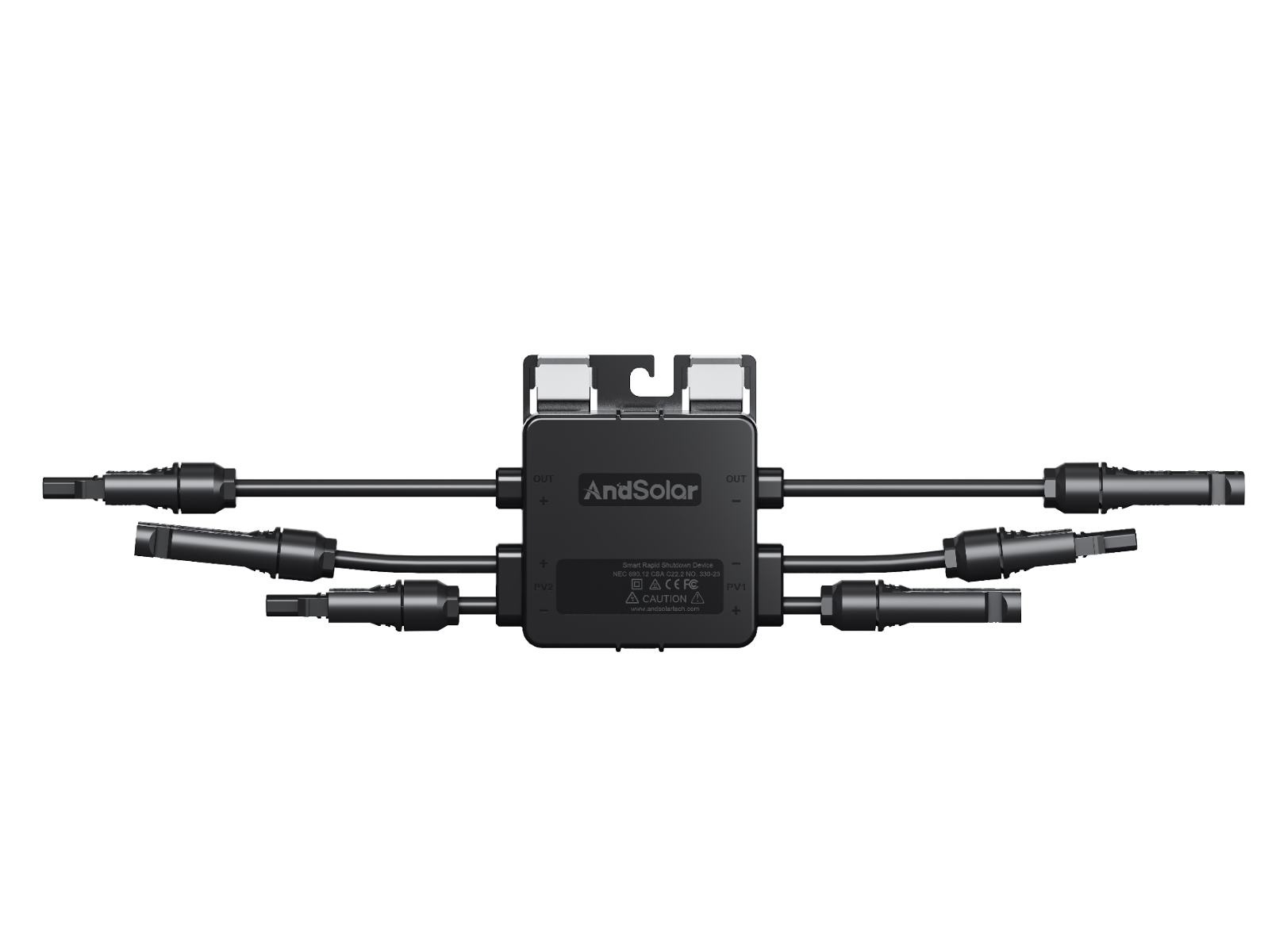
Future-proofing your solar solution requires strategic planning that extends beyond initial installation and immediate energy needs. As the renewable energy landscape evolves rapidly with technological innovations, regulatory changes, and shifting market dynamics, solar installations must be designed with adaptability at their core. A forward-thinking solar solution accounts for capacity expansion possibilities, integration with emerging technologies, and compatibility with future grid modernization initiatives. Organizations that embed scalability and upgrade pathways into their solar infrastructure from day one position themselves to maximize return on investment while avoiding costly system replacements or extensive retrofits. The key to success lies in understanding how modular design principles, smart technology integration, and flexible architecture can create a solar solution that grows and evolves alongside your energy requirements and technological advancements over its 25-plus year operational lifespan.
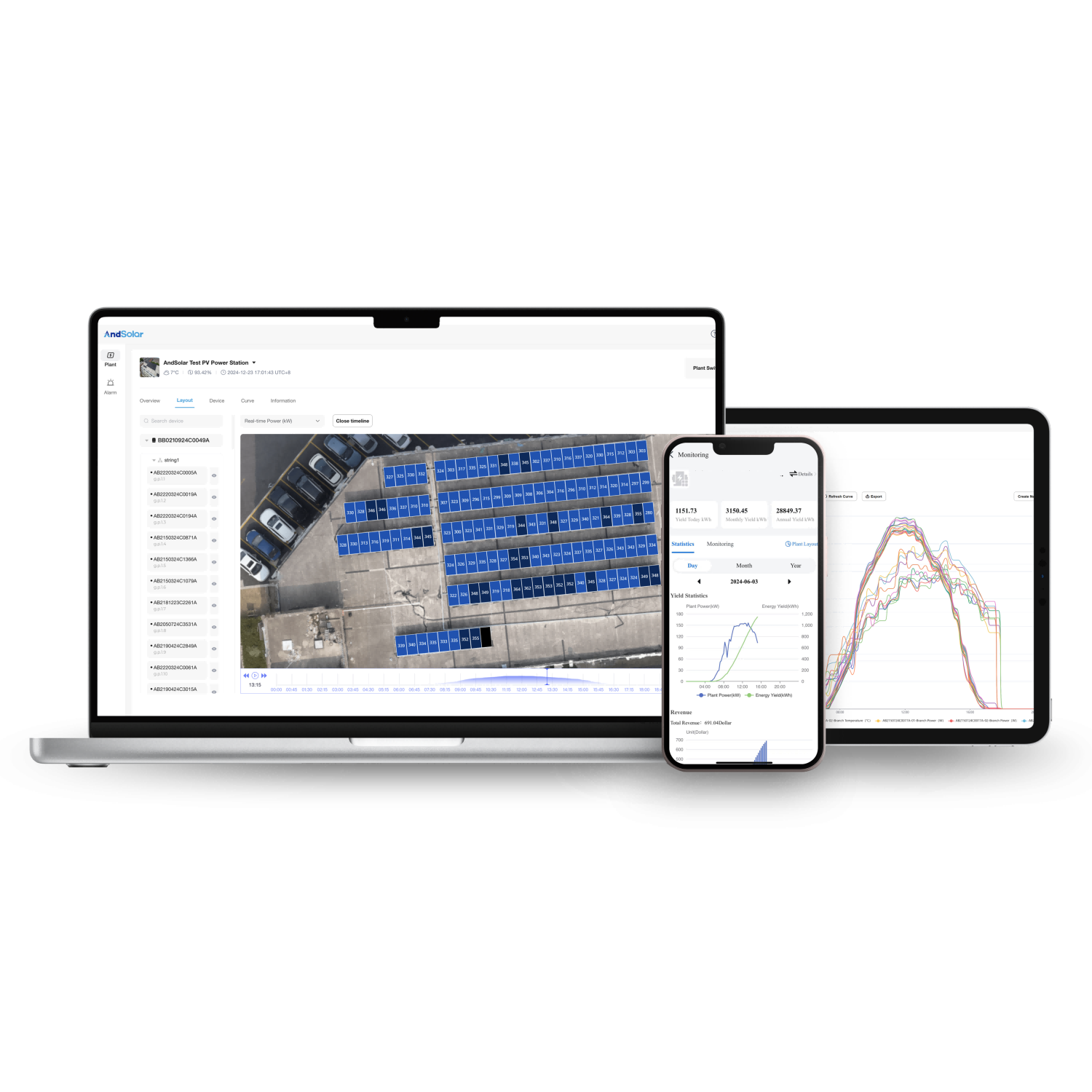
Building a future-ready solar solution demands a comprehensive approach that balances current operational needs with anticipated technological developments and changing business conditions. This means evaluating component interoperability, ensuring adequate physical space for expansion, selecting inverter technologies with upgrade pathways, and implementing monitoring systems capable of supporting advanced functionality. The financial implications of future-proofing extend beyond upfront costs to encompass total lifecycle value, as systems designed with scalability in mind typically deliver superior long-term economics through easier capacity additions and seamless technology integrations. Whether you operate a commercial facility, industrial complex, or utility-scale installation, the principles of designing an adaptable solar solution remain consistent while implementation details vary based on application scale, energy profile, and growth projections. The following sections provide detailed guidance on the technical, operational, and strategic considerations essential for creating a solar solution that remains relevant and efficient throughout its entire service life.
Designing Modular Architecture for Seamless Solar Solution Expansion
Understanding Modular Design Principles in Solar Infrastructure
Modular architecture represents the foundation of any scalable solar solution, enabling incremental capacity additions without disrupting existing operations or requiring complete system redesigns. This approach involves structuring the initial installation with clearly defined expansion zones, standardized component interfaces, and electrical infrastructure capable of accommodating additional arrays. A properly designed modular solar solution uses standardized mounting systems that can be replicated during expansion phases, maintains consistent panel specifications to ensure compatibility, and provisions electrical pathways including conduit runs, combiner boxes, and inverter capacity that support future growth. The electrical design should incorporate oversized main service panels and strategically positioned junction points that reduce installation complexity when adding capacity. Organizations implementing modular designs typically realize 30 to 40 percent cost savings on expansion projects compared to retrofitting non-modular systems, while also minimizing downtime during capacity additions.
Physical space planning plays an equally critical role in modular solar solution design, requiring careful assessment of available roof area, ground space, or carport structures with consideration for future expansion needs. This planning phase should account for structural load capacity in roof-mounted applications, ensuring that building supports can accommodate additional panel weight without expensive reinforcement. Ground-mounted systems benefit from phased development approaches where initial installations occupy designated zones within larger parcels, with civil infrastructure including access roads, drainage systems, and security fencing designed to serve the ultimate buildout capacity. Carport solar solutions offer particularly strong modularity advantages as standardized structural designs can be replicated across parking areas in planned phases. The key principle involves avoiding installation configurations that block future expansion zones or create orphaned spaces too small for additional arrays, which represents a common planning failure that severely limits scalability options.
Component Standardization Strategies for Long-Term Compatibility
Standardizing component selections across your solar solution ensures that future additions integrate seamlessly with existing infrastructure while simplifying maintenance and inventory management throughout the system lifecycle. This strategy involves selecting panel manufacturers with proven longevity and stable product lines, choosing inverter platforms with consistent communication protocols, and implementing mounting systems from suppliers committed to backward compatibility. The solar industry experiences significant product evolution, with panel efficiencies improving approximately one percent annually and inverter technologies advancing rapidly, making complete product matching impossible over multi-decade periods. However, strategic standardization focuses on ensuring that new components can electrically and mechanically integrate with existing installations even when exact product matches become unavailable. For example, selecting inverter manufacturers that maintain consistent DC input voltage ranges and communication protocols across product generations enables mixing equipment vintages within a single solar solution without compatibility issues.
Documentation practices form an essential element of standardization strategy, requiring comprehensive as-built records that detail all component specifications, electrical configurations, and design parameters. These records should include panel electrical characteristics, inverter model numbers and firmware versions, monitoring system access credentials, and structural engineering calculations that define remaining capacity for expansions. Many organizations implement digital asset management platforms specifically for their solar solution, creating centralized repositories that future engineers and contractors can reference when planning additions or upgrades. This documentation becomes particularly valuable when original installation teams are no longer available, preventing knowledge loss that often complicates expansion projects. Industry data indicates that well-documented solar installations reduce expansion engineering costs by 20 to 30 percent while also shortening project timelines by eliminating time-consuming reverse-engineering efforts to determine existing system specifications and capabilities.
Implementing Smart Technology Infrastructure for Future Capabilities
Advanced Monitoring and Control System Architecture
Modern monitoring and control systems serve as the nervous system of any future-ready solar solution, providing the data infrastructure and control capabilities essential for optimization, troubleshooting, and integration with emerging technologies. Selecting monitoring platforms with open API architecture ensures that your solar solution can interface with energy management systems, building automation platforms, and grid services applications that may not exist at installation but will emerge during the system's operational life. Cloud-based monitoring architectures offer significant advantages over proprietary closed systems, providing automatic software updates, remote accessibility, and typically superior data analytics capabilities compared to legacy on-premises solutions. These platforms should deliver granular performance data at the individual panel or string level, enabling rapid fault detection and providing the detailed operational insights necessary for informed upgrade decisions as technologies evolve.
The monitoring infrastructure within a scalable solar solution must accommodate expanding system capacity without requiring platform replacements or major reconfigurations. This requires selecting systems with virtually unlimited device expansion capabilities, flexible licensing models that scale economically with system size, and communication architectures that maintain performance as device counts increase. Cellular and ethernet communication pathways typically offer better long-term flexibility than proprietary wireless protocols, as they leverage continuously improving telecommunications infrastructure rather than depending on potentially obsolete communication standards. Advanced monitoring platforms increasingly incorporate machine learning algorithms that identify performance anomalies, predict component failures, and recommend optimization strategies, capabilities that deliver compounding value as operational datasets grow over time. Organizations should evaluate monitoring solutions not just on current feature sets but on vendor track records for continuous platform enhancement and integration with third-party applications.
Energy Storage Integration Readiness
Battery storage integration represents one of the most significant upgrade pathways for existing solar installations, with declining costs and expanding incentive programs making storage additions financially attractive for many applications. Future-proofing your solar solution for storage integration requires electrical designs that accommodate bidirectional power flows, inverter selections compatible with DC or AC-coupled battery systems, and monitoring infrastructure capable of managing complex charge-discharge optimization. AC-coupled storage architectures offer the most flexibility for retrofitting existing solar solutions, as they operate independently of the solar inverters and can be added without modifying the original solar electrical design. However, DC-coupled systems deliver superior round-trip efficiency in new installations and should be considered when storage addition is anticipated within the system's first decade of operation, as the efficiency gains typically justify the more complex initial electrical design.
Physical space allocation for future battery systems should occur during initial solar solution planning, particularly for ground-mounted and carport installations where battery enclosures require dedicated areas with appropriate clearances and environmental conditions. Battery systems have specific siting requirements including temperature management considerations, minimum clearances for fire safety compliance, and adequate space for electrical switchgear and inverter equipment. Reserving appropriately sized areas during initial development avoids the common situation where organizations discover inadequate space for desired storage capacity when they're ready to implement batteries years after the original solar installation. Electrical designs should provision adequate conduit pathways between the solar interconnection point and designated battery locations, significantly reducing installation costs when storage additions eventually occur. Some forward-thinking organizations install basic electrical infrastructure to future battery locations even when immediate storage implementation isn't planned, investing modest upfront costs that generate substantial savings if storage additions materialize.
Selecting Scalable Inverter Technologies and Electrical Designs
Central versus String Inverter Architecture Decisions
Inverter architecture fundamentally impacts the scalability and upgrade flexibility of any solar solution, with central inverters and string inverters each offering distinct advantages depending on installation scale and expansion plans. String inverter architectures provide inherently superior scalability for most commercial and small utility applications, as capacity additions simply involve installing additional inverters alongside existing units without complex electrical reconfigurations. Each string inverter operates independently, meaning expansions don't affect existing equipment and failures impact only limited portions of the array rather than entire systems. This distributed approach also facilitates technology upgrades, allowing organizations to deploy next-generation inverters with improved efficiency or enhanced features during expansion phases while maintaining older units in service until they reach end-of-life. String inverter solar solutions typically demonstrate better long-term adaptability as the modular nature permits incremental technology refreshes aligned with equipment lifecycle timing rather than requiring wholesale replacements.
Central inverters remain appropriate for very large utility-scale installations where economies of scale offset the reduced flexibility, particularly when expansion beyond initial design capacity seems unlikely. However, even utility-scale solar solutions increasingly employ multiple central inverters in parallel configurations rather than single large units, creating a form of modularity that improves reliability and enables phased capacity additions. The key consideration involves matching inverter architecture to anticipated expansion patterns and risk tolerance for partial system outages. Organizations expecting significant load growth or planning phased capacity additions over multiple years typically achieve better outcomes with string inverter architectures despite potentially higher per-watt inverter costs. The decision should also consider maintenance and replacement strategies, as string inverter systems allow targeted equipment replacement as individual units fail rather than requiring complete inverter station rebuilds when central inverters reach end-of-life approximately twelve to fifteen years after installation.
Electrical Design Provisions for Capacity Growth
Electrical infrastructure represents one of the most difficult and expensive elements to retrofit in existing solar solutions, making proper capacity provisioning essential during initial design phases. This involves sizing main service panels, disconnects, and interconnection equipment for anticipated ultimate system capacity rather than just initial installation size, typically adding 10 to 15 percent to initial electrical costs while potentially saving 40 to 60 percent on expansion project expenses by avoiding switchgear replacements and utility interconnection modifications. The electrical design should incorporate spare breaker positions in solar combiner panels and main distribution equipment, install adequately sized conduit runs between expansion zones and electrical rooms, and coordinate with utility providers to secure interconnection agreements that accommodate planned future capacity. Many utilities allow streamlined interconnection processes for capacity additions that remain within initially approved limits, avoiding the time-consuming and costly supplemental applications required when expansions exceed original interconnection agreements.
Grounding and bonding systems within a scalable solar solution must be designed as integrated networks rather than isolated subsystems, ensuring that expansion zones can be properly incorporated into the overall electrical safety infrastructure. This requires installing grounding conductor pathways to future array locations, sizing grounding electrode systems for ultimate capacity, and documenting grounding system architecture in as-built drawings that future contractors can reference. Lightning protection systems similarly benefit from integrated design approaches, with air terminals and down conductor pathways planned to serve both existing and future arrays. Overcurrent protection coordination represents another critical consideration, requiring that protective device selections and settings accommodate both current system configuration and anticipated expansion scenarios without creating coordination gaps that could compromise system protection. These electrical design considerations demand expertise that extends beyond basic code compliance to encompass long-term system evolution, often justifying investment in experienced engineering firms with proven track records in scalable solar solution design.
Planning for Grid Modernization and Smart Grid Integration
Advanced Inverter Functionality and Grid Services Capabilities
Grid modernization initiatives worldwide are transforming the capabilities expected from distributed energy resources including solar installations, with advanced inverter functions evolving from optional features to mandatory requirements in many jurisdictions. Future-proof solar solutions must incorporate inverters with IEEE 1547-2018 compliant grid support functions including volt-VAR control, frequency-watt response, and voltage ride-through capabilities that allow systems to support grid stability rather than disconnecting during disturbances. These advanced functions enable solar installations to provide valuable grid services, potentially creating new revenue opportunities through participation in demand response programs, frequency regulation markets, and distribution system optimization initiatives. Organizations should select inverter platforms capable of firmware updates that add functionality over time, as grid service requirements and market opportunities continue evolving more rapidly than typical solar equipment replacement cycles.
Communication infrastructure supporting grid integration represents an often-overlooked element of future-ready solar solution design, requiring reliable data pathways between inverters and utility control systems or aggregation platforms. This typically involves dedicated communication circuits separate from corporate networks, implementing cybersecurity protocols that protect both solar operations and enterprise systems from potential vulnerabilities. As utilities deploy advanced distribution management systems and distribution system operators begin actively controlling distributed energy resources, solar installations need communication architectures capable of receiving dispatch signals and responding within specified timeframes. Some jurisdictions now require solar installations above certain capacity thresholds to implement specific communication protocols, with non-compliant systems facing potential curtailment or interconnection restrictions. Proactive implementation of robust communication infrastructure positions solar solutions to capitalize on emerging grid service opportunities while ensuring compliance with evolving interconnection requirements.
Virtual Power Plant Participation Readiness
Virtual power plants aggregate distributed energy resources including solar installations into coordinated networks that provide grid services at utility scale, representing a growing opportunity for solar solution owners to generate supplemental revenue while supporting grid reliability. Participating in virtual power plant programs requires solar installations with responsive control systems, reliable communication infrastructure, and often integration with energy storage to provide dispatchable capacity. Future-proofing for virtual power plant participation involves selecting monitoring and control platforms with API connectivity to aggregation software, implementing communication systems with adequate bandwidth and reliability for real-time dispatch, and designing electrical systems that can accommodate the dynamic operating patterns required for grid service provision. Organizations should evaluate their solar solution's eligibility for existing virtual power plant programs in their service territory, even if immediate participation isn't planned, ensuring that technical capabilities don't preclude future program access.
The financial modeling for future-proof solar solutions should incorporate potential virtual power plant revenues, as these income streams can significantly improve project economics even with conservative participation assumptions. Industry data suggests that commercial solar installations participating in demand response and grid services programs can generate supplemental revenues equivalent to 5 to 15 percent of energy savings depending on program structure and market conditions. However, realizing these benefits requires solar solution designs that facilitate program participation without expensive retrofits or operational disruptions. This includes inverters with appropriate control interfaces, monitoring systems that provide the performance data required for settlement and verification, and operational protocols that accommodate third-party dispatch while maintaining priority for on-site energy needs. As virtual power plant markets mature and compensation mechanisms improve, solar installations designed with participation capabilities will increasingly outperform systems lacking these features, making readiness evaluation an essential component of future-proofing strategy.
Establishing Lifecycle Management and Technology Refresh Strategies
Component Lifecycle Planning and Replacement Timing
Effective lifecycle management distinguishes truly future-proof solar solutions from installations that gradually decline into obsolescence, requiring proactive planning for component replacements and technology refreshes throughout the 25-plus year operational period. Solar panels typically maintain useful output for 30 to 40 years with degradation rates of 0.5 to 0.8 percent annually, while inverters require replacement after 12 to 15 years and monitoring systems may need upgrades every 7 to 10 years as communication technologies evolve. A comprehensive lifecycle strategy accounts for these different component lifespans, establishing replacement reserve funds and planning technology refresh cycles that minimize operational disruptions while capturing efficiency improvements available through newer equipment. Organizations should develop detailed lifecycle cost models that project equipment replacement timing, estimate future component costs adjusted for anticipated technology improvements, and identify optimal points for implementing upgrades that bundle multiple enhancement opportunities into single projects for maximum cost efficiency.
Technology refresh decisions should evaluate both necessity driven by equipment failures and opportunity driven by improved capabilities that enhance system value. For example, inverter replacements required at 12 to 15 years represent opportunities to implement next-generation equipment with higher efficiency, enhanced monitoring capabilities, and improved grid support functions that may enable new revenue streams unavailable with original equipment. Similarly, monitoring system upgrades can add advanced analytics capabilities, improve mobile accessibility, and enable integration with facility energy management systems that enhance operational value beyond basic performance tracking. The key involves developing decision frameworks that systematically evaluate upgrade opportunities against continuation costs, accounting for factors including efficiency improvements, expanded capabilities, reduced maintenance requirements, and extended warranties that newer equipment typically provides. Organizations that approach lifecycle management strategically typically realize 15 to 25 percent better financial performance from their solar solutions compared to those that defer upgrades until forced by equipment failures.
Maintaining Technical Documentation and Institutional Knowledge
Institutional knowledge preservation represents one of the most challenging aspects of long-term solar solution management, as personnel turnover and organizational changes inevitably occur over 25-year operational periods. Comprehensive technical documentation systems ensure that critical system information remains accessible regardless of staffing changes, including detailed as-built drawings, equipment specifications, maintenance records, performance baselines, and operational procedures. These documentation systems should exist in both digital and physical formats to protect against data loss, with cloud-based platforms offering excellent accessibility and version control while physical document sets provide backup in case of digital system failures. The documentation should include detailed interconnection agreements and utility correspondence, permitting documents and engineering calculations, warranty information and service contact details, and historical performance data that enables meaningful trend analysis and informed decision-making about system optimization and upgrades.
Maintenance service relationships evolve significantly over typical solar solution lifespans, with original installation contractors often becoming unavailable due to business changes and new service providers requiring comprehensive system information to deliver effective support. Organizations should structure service agreements to include documentation transfer requirements, ensuring that maintenance providers deliver updated records reflecting any system modifications or component replacements they implement. Annual system reviews with qualified solar professionals help maintain institutional knowledge even as internal facility management personnel change, providing continuity and ensuring that emerging opportunities for optimization or enhancement don't go unrecognized. Some organizations implement formal knowledge transfer processes when facilities personnel responsible for solar operations transition to new roles, including structured handoffs with documentation reviews and operational training for incoming team members. These knowledge management practices prevent the gradual information erosion that often leaves organizations unable to effectively evaluate upgrade opportunities or troubleshoot performance issues as systems age.
FAQ
What is the typical cost premium for designing a solar solution with scalability features compared to a basic installation?
The cost premium for incorporating scalability features into a solar solution typically ranges from 5 to 15 percent of initial project costs, varying based on specific provisions implemented and system size. This includes expenses for oversized electrical infrastructure, additional conduit runs to expansion zones, enhanced monitoring capabilities, and engineering for modular design. However, organizations that subsequently expand capacity typically recover these initial investments through 30 to 50 percent savings on expansion projects compared to retrofitting non-scalable systems. The premium also covers features like advanced inverter functionality and communication infrastructure that enable participation in grid services programs, potentially generating ongoing supplemental revenues. Most financial analyses demonstrate that scalability provisions deliver positive net present value when expansion probability exceeds 30 percent within a fifteen-year horizon, making them financially prudent for most commercial and industrial applications experiencing growth or anticipating increased electrification.
How frequently should solar solution technology assessments occur to identify valuable upgrade opportunities?
Comprehensive technology assessments for existing solar solutions should occur every three to five years to identify upgrade opportunities that enhance performance, expand capabilities, or improve financial returns. These assessments should evaluate inverter efficiency against current technology benchmarks, review monitoring system capabilities compared to available platforms, assess opportunities for storage integration or grid services participation, and analyze whether panel additions or retrofits would improve overall system economics. More frequent informal reviews should occur annually as part of standard maintenance activities, focusing on emerging incentive programs, changing utility rate structures, or new regulatory requirements that might justify accelerated upgrades. Additionally, assessments should be triggered by significant events including equipment failures that require replacement decisions, major facility expansions that increase energy requirements, or substantial changes in electricity costs that alter project economics. Organizations working with qualified solar professionals for these periodic assessments typically identify optimization opportunities worth 3 to 8 percent of annual energy value that would otherwise go unrecognized.
Can older solar installations be retrofitted to add scalability features, or must systems be designed this way initially?
While initial design provides the most cost-effective path to scalability, existing solar solutions can often be retrofitted to add expansion capabilities and upgrade readiness, though at higher cost and with some limitations compared to purpose-built systems. Retrofitting typically involves electrical system upgrades including main panel replacements or additions to accommodate future capacity, installation of communication infrastructure to enable advanced monitoring and control, and physical site preparation to create defined expansion zones. The feasibility and cost-effectiveness of retrofitting depend heavily on existing system configuration, available space, and current electrical infrastructure capacity. String inverter systems generally retrofit more easily than central inverter installations, as adding capacity simply requires installing additional inverters without modifying existing equipment. Monitoring system upgrades represent one of the most accessible retrofit opportunities, often providing immediate value through improved analytics and operational insights while enabling future advanced functionality. Organizations considering expansion of existing solar installations should engage experienced solar engineers to evaluate retrofit requirements and costs compared to alternative approaches including standalone supplemental systems in different locations.
What role does energy storage play in future-proofing a solar solution, and when should it be included versus added later?
Energy storage dramatically enhances solar solution flexibility by enabling time-shifting of solar generation to match consumption patterns, providing backup power capabilities, and facilitating participation in demand response and grid services programs. The decision whether to include storage initially or add it later depends on current electricity rate structures, facility resilience requirements, available incentives, and budget considerations. Time-of-use rates with significant peak demand charges often justify immediate storage integration, as demand charge reduction benefits can dramatically improve project economics. Facilities with critical operations requiring backup power should prioritize integrated solar-plus-storage solutions that provide resilience value alongside energy savings. However, organizations facing budget constraints or operating under rate structures without strong storage economics may benefit from designing solar installations with storage-readiness features while deferring actual battery implementation until costs decline further or rate structures change. Storage-ready designs include appropriate electrical infrastructure, physical space allocation, and monitoring systems capable of managing battery operations, allowing cost-effective storage additions when conditions warrant. Battery costs have declined approximately 80 percent over the past decade, and continued improvements may make later additions financially superior to immediate implementation for applications without compelling current storage drivers.
Table of Contents
- Designing Modular Architecture for Seamless Solar Solution Expansion
- Implementing Smart Technology Infrastructure for Future Capabilities
- Selecting Scalable Inverter Technologies and Electrical Designs
- Planning for Grid Modernization and Smart Grid Integration
- Establishing Lifecycle Management and Technology Refresh Strategies
-
FAQ
- What is the typical cost premium for designing a solar solution with scalability features compared to a basic installation?
- How frequently should solar solution technology assessments occur to identify valuable upgrade opportunities?
- Can older solar installations be retrofitted to add scalability features, or must systems be designed this way initially?
- What role does energy storage play in future-proofing a solar solution, and when should it be included versus added later?
