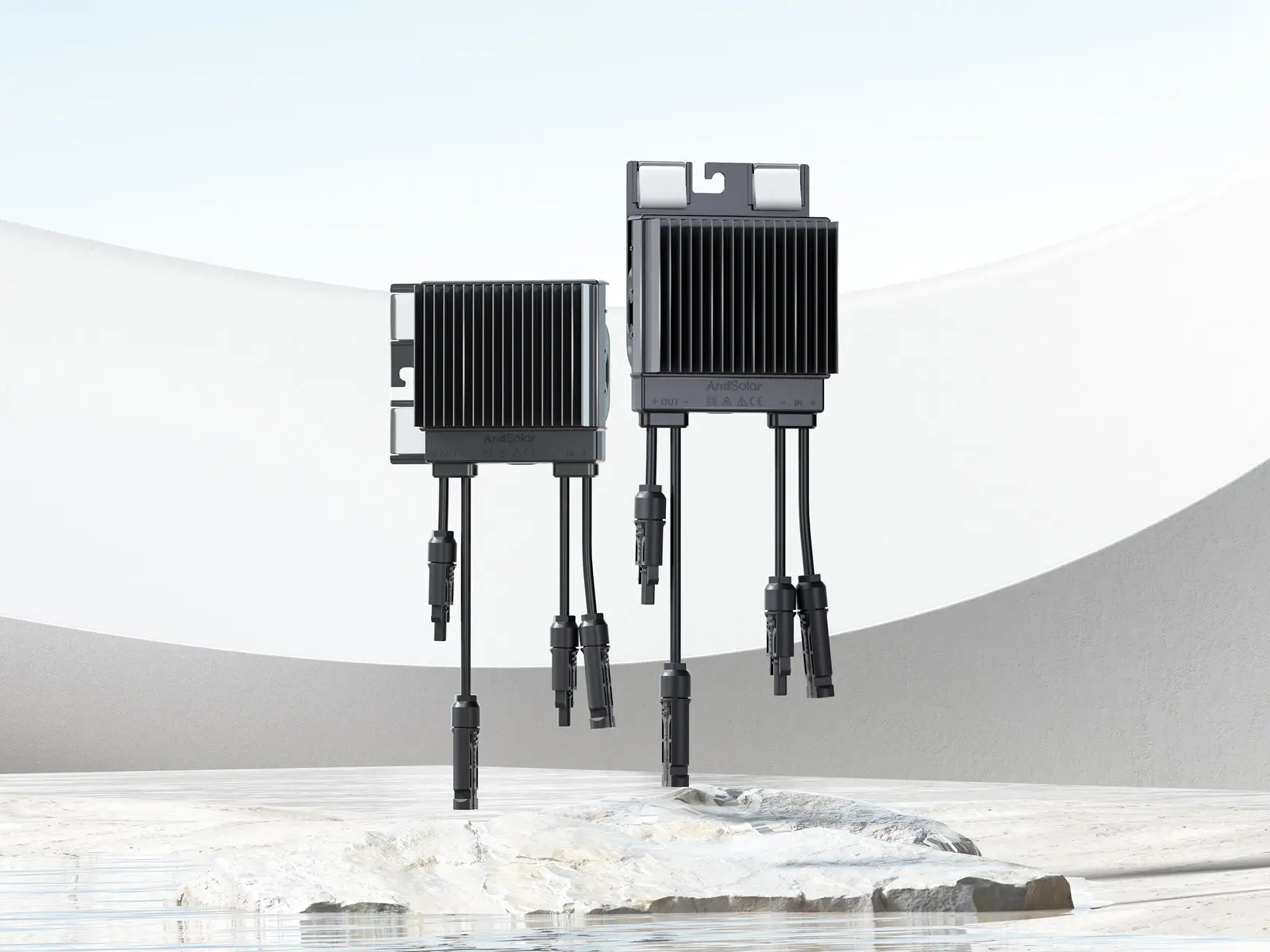
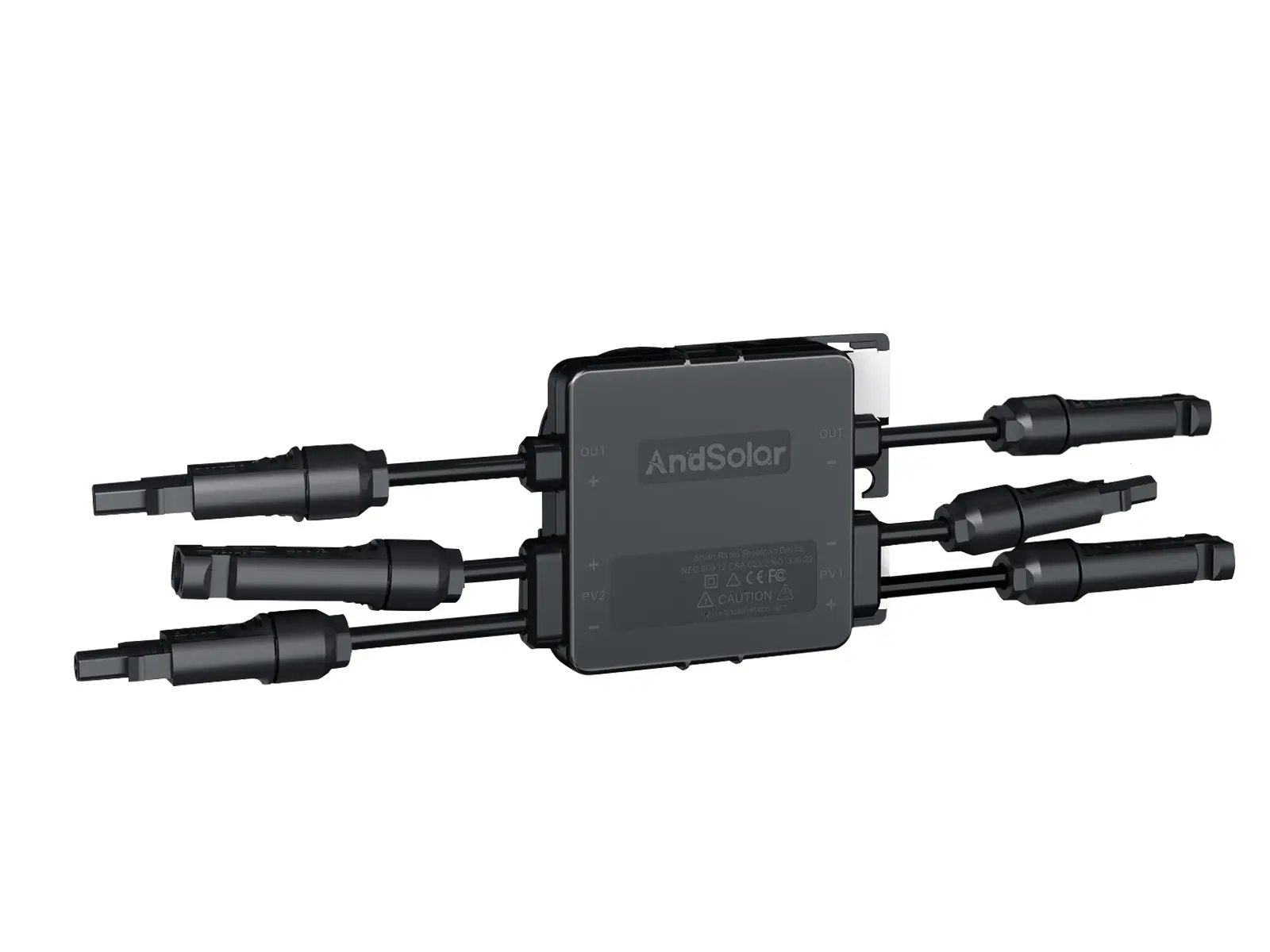
Solar Rapid Shutdown System: Advanced Safety Technology for Photovoltaic Installations

  • 8F, Block B, Building 1, 286 Qinglonggang Road, Suzhou City, Jiangsu Province, P. R. China
  • [email protected]
AndSolar Cloud

solar rapid shutdown system

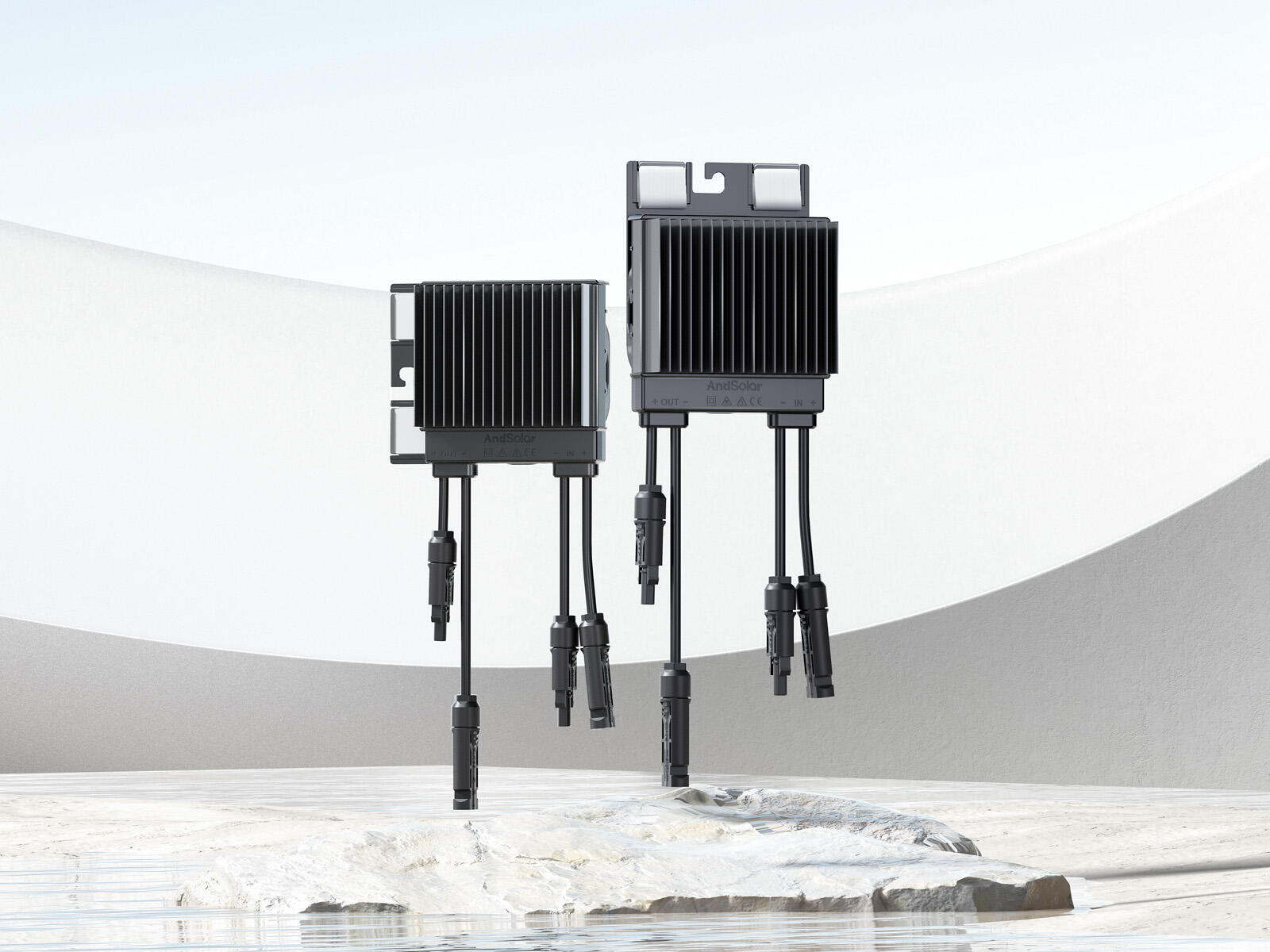
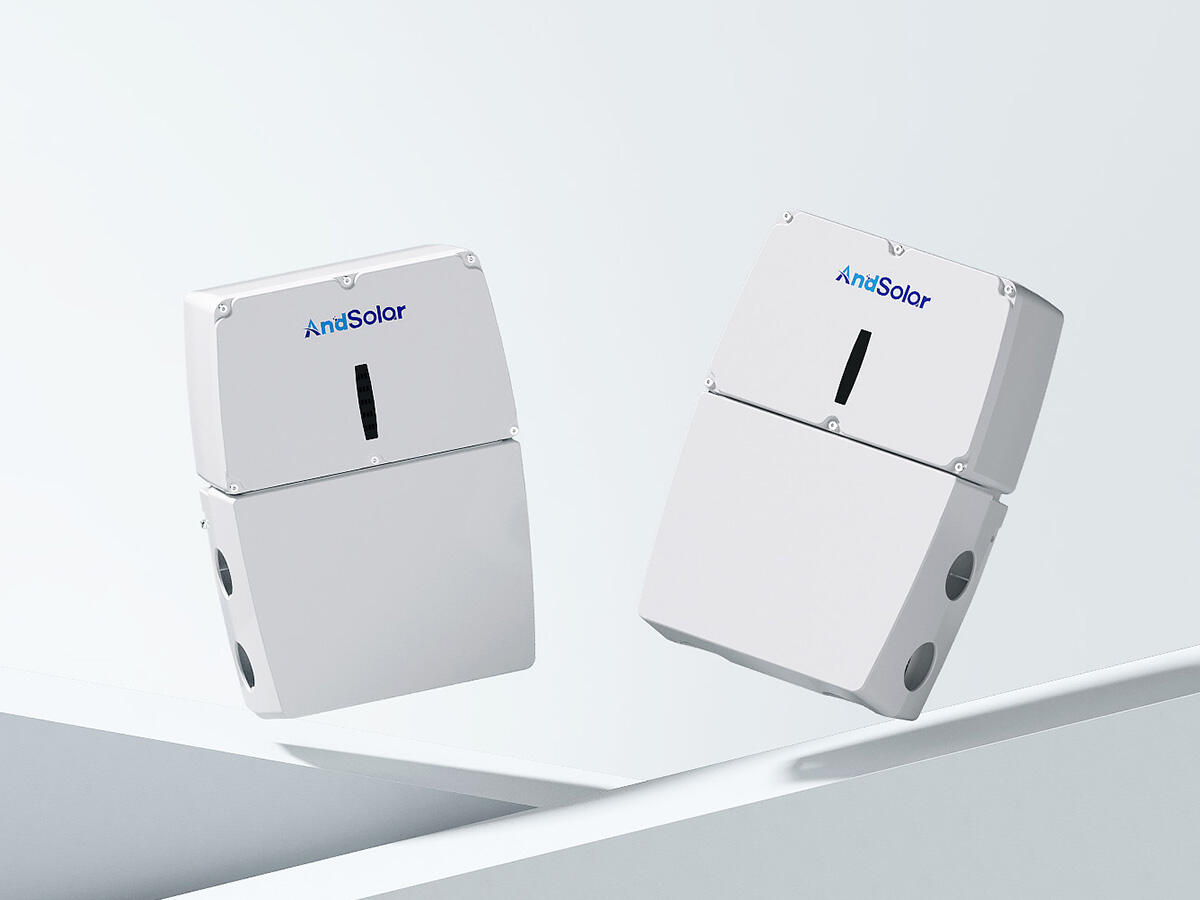
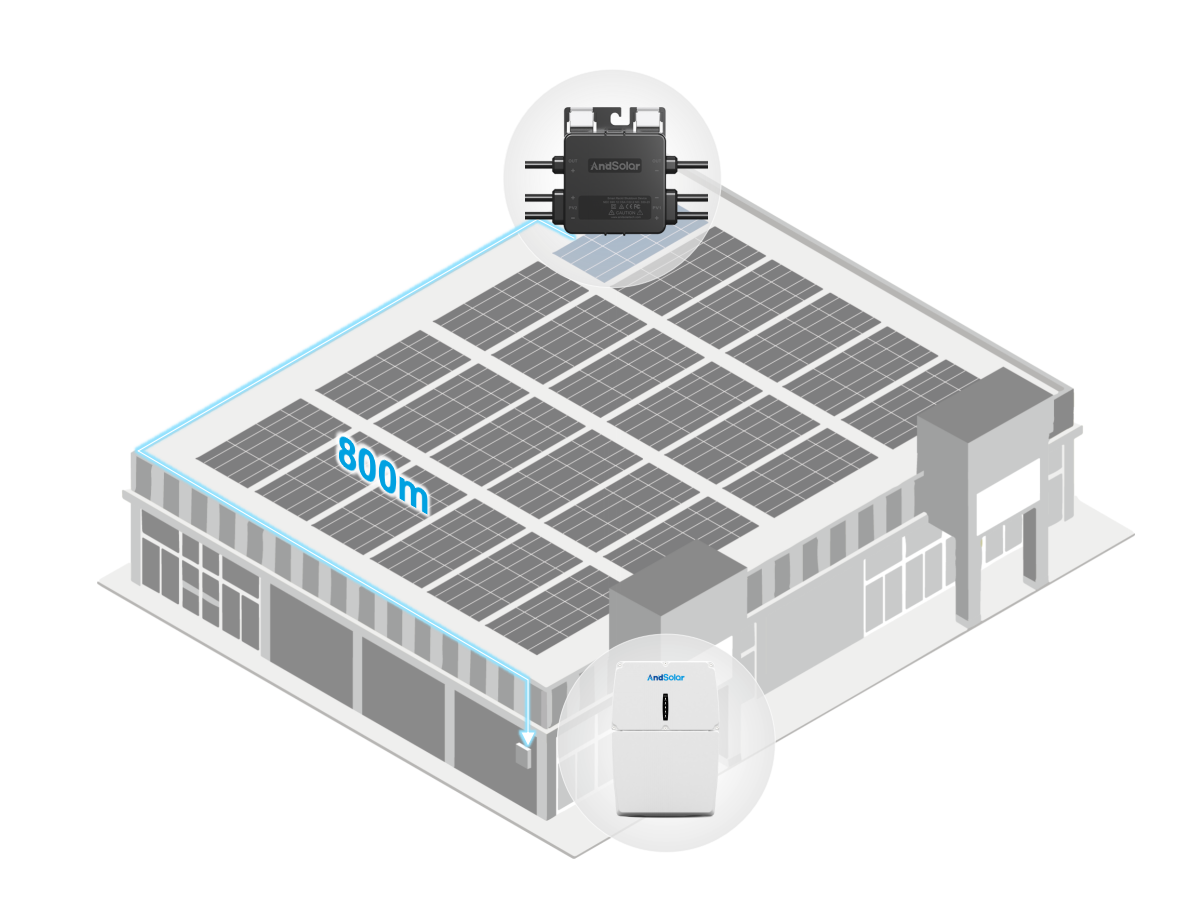
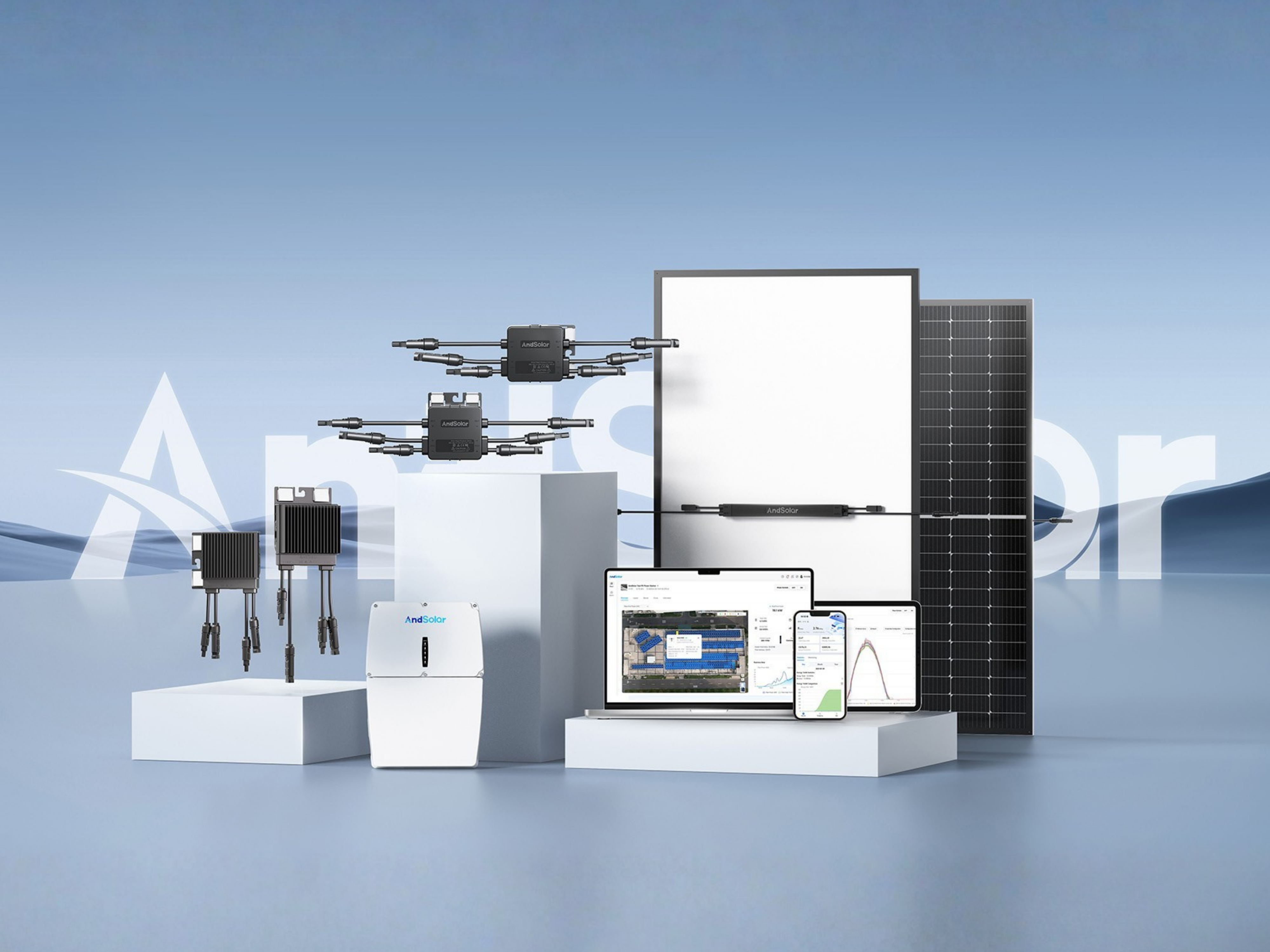
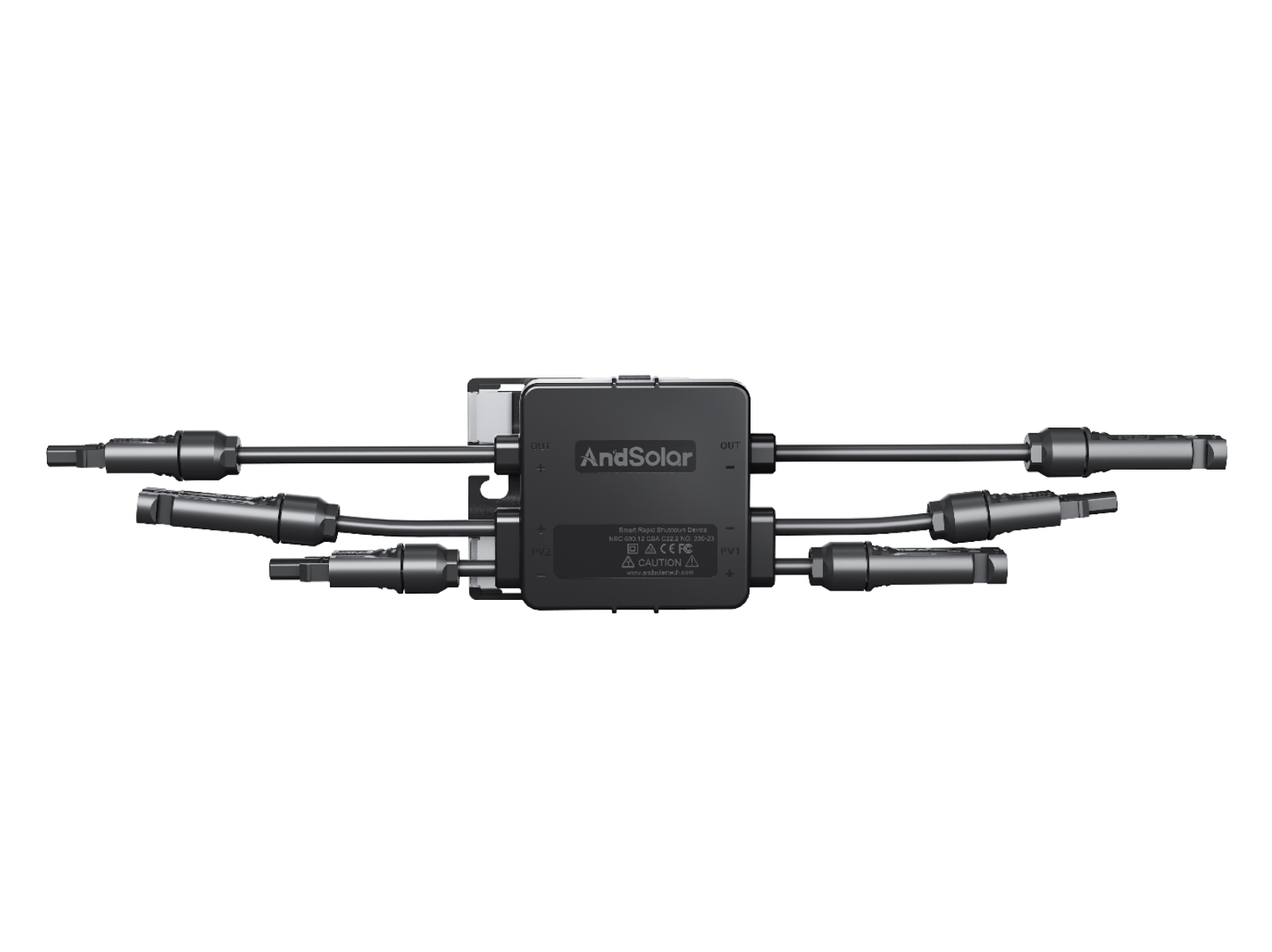
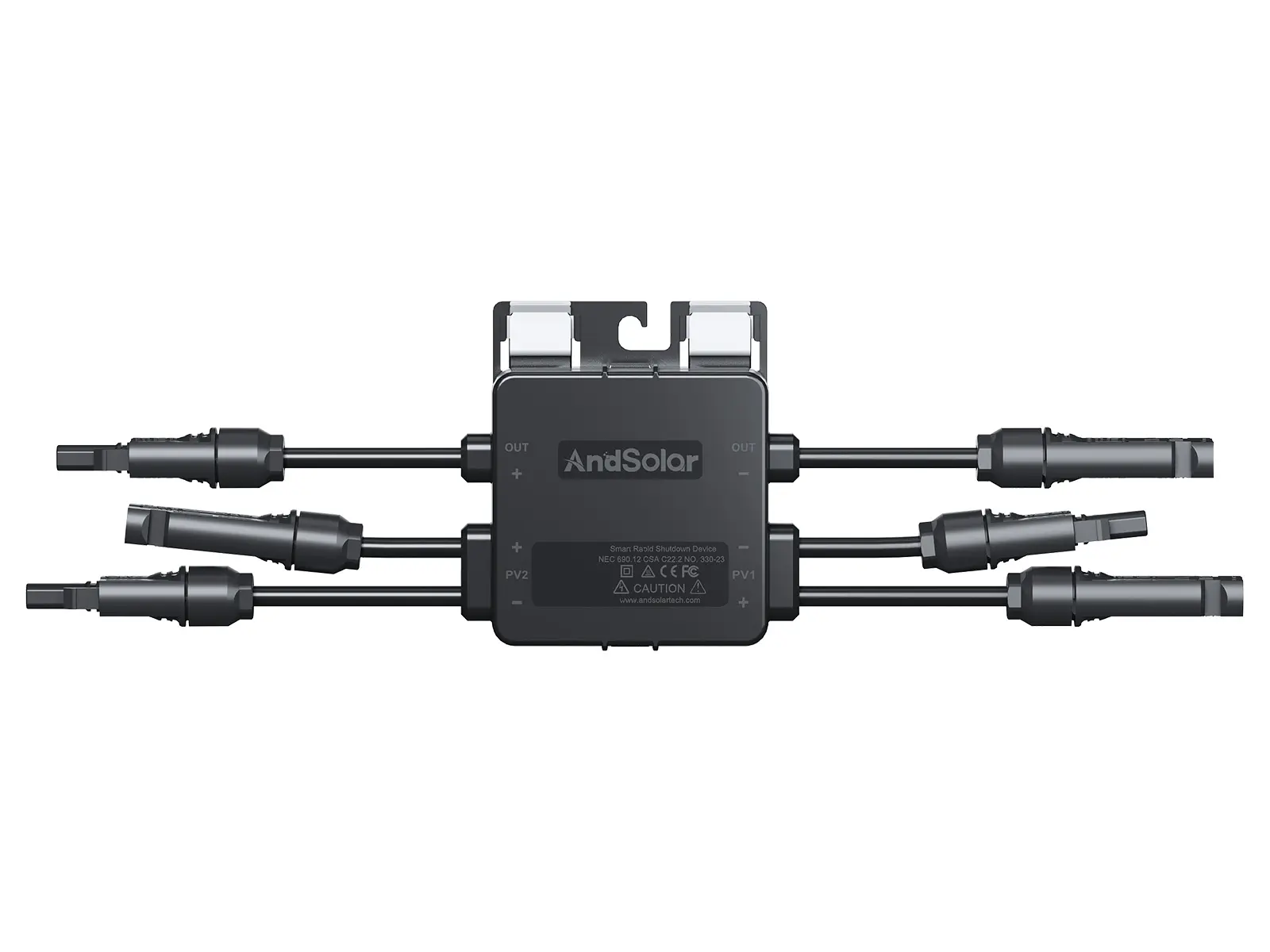
A solar rapid shutdown system represents a critical safety technology designed to quickly de-energize photovoltaic installations during emergency situations or maintenance procedures. This sophisticated system automatically reduces DC voltage levels at solar panels to safe thresholds within seconds, protecting first responders and maintenance personnel from electrical hazards. The solar rapid shutdown system operates through intelligent power electronics that monitor grid conditions and respond instantly to shutdown commands from inverters or emergency switches. When activated, the system effectively isolates individual solar modules or entire arrays, preventing dangerous voltage levels from persisting in the DC wiring infrastructure. The technology incorporates advanced communication protocols that enable seamless integration with existing solar installations while maintaining optimal energy production during normal operations. Modern solar rapid shutdown systems utilize cutting-edge semiconductor devices and microprocessors to ensure reliable performance across various environmental conditions and installation configurations. The system's primary technological features include module-level power electronics, centralized control units, and redundant safety mechanisms that work together to create multiple layers of protection. These components communicate through secure wireless or powerline communication channels, enabling real-time monitoring and control of shutdown operations. Installation flexibility represents another key characteristic, as the solar rapid shutdown system can be retrofitted to existing solar arrays or integrated during new construction projects. The system's modular design allows for scalable deployment across residential, commercial, and utility-scale installations, adapting to different voltage requirements and array configurations. Applications span across diverse sectors including residential rooftop installations, commercial building-integrated photovoltaics, ground-mounted solar farms, and specialized installations such as carports and canopies. The solar rapid shutdown system has become increasingly important as solar adoption expands and safety regulations evolve to address the unique challenges associated with distributed energy generation technologies.
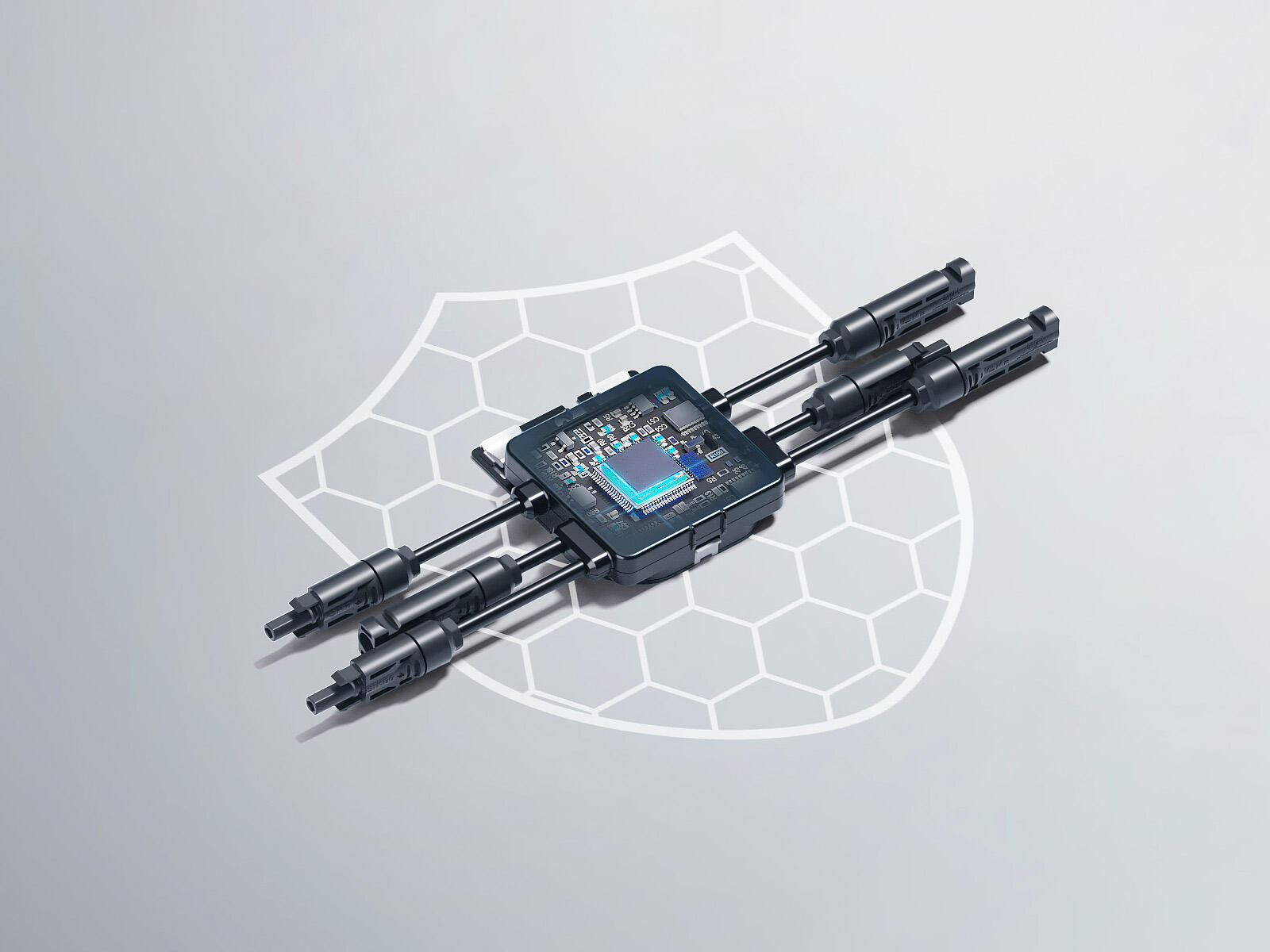
The solar rapid shutdown system delivers exceptional safety benefits that directly protect human lives and property investments. First responders can confidently approach solar-equipped buildings during emergency situations, knowing that the solar rapid shutdown system will automatically reduce electrical hazards to manageable levels. This life-saving capability eliminates the guesswork and potential dangers that emergency personnel previously faced when dealing with energized solar installations. Property owners gain peace of mind knowing their solar investment includes state-of-the-art safety technology that exceeds current industry standards and regulatory requirements. The system's rapid response time ensures that dangerous voltage levels disappear within seconds of activation, creating a safer working environment for maintenance technicians and installers. Financial advantages emerge through reduced insurance premiums, as many providers offer discounts for properties equipped with comprehensive solar safety systems. The solar rapid shutdown system also helps avoid costly electrical accidents that could result in property damage, legal liability, or worker compensation claims. Installation benefits include simplified compliance with local electrical codes and building regulations, streamlining the permitting process and reducing project timelines. The system's intelligent design minimizes impact on energy production, ensuring that safety enhancements do not compromise the economic benefits of solar power generation. Maintenance advantages become apparent through enhanced diagnostic capabilities that help identify potential issues before they become serious problems. The solar rapid shutdown system provides detailed performance data that enables proactive maintenance scheduling and optimized system operation. Long-term reliability benefits result from the system's robust construction and advanced protection features that extend overall system lifespan. Integration advantages include compatibility with existing solar equipment and smart home automation systems, creating seamless operation without requiring extensive modifications. The system's user-friendly interface makes it accessible to property owners while providing professional installers with advanced configuration options. Economic benefits extend beyond immediate safety considerations to include improved property values and enhanced marketability for solar-equipped buildings. Future-proofing advantages ensure that installations remain compliant with evolving safety standards and regulatory requirements. The solar rapid shutdown system represents a smart investment that pays dividends through enhanced safety, regulatory compliance, and peace of mind for years to come.

New Product Recommendations

Advanced Module-Level Safety Control

Advanced Module-Level Safety Control

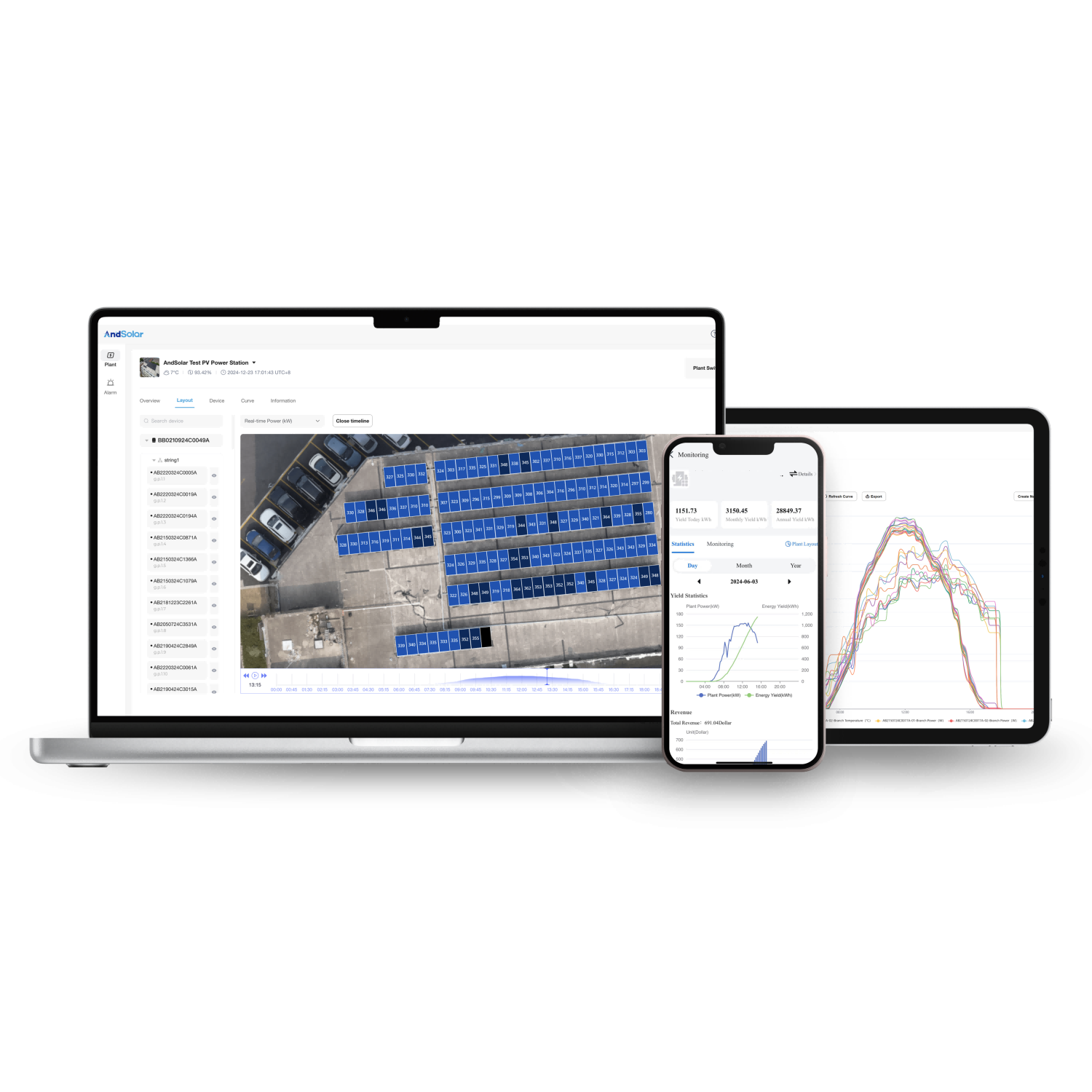
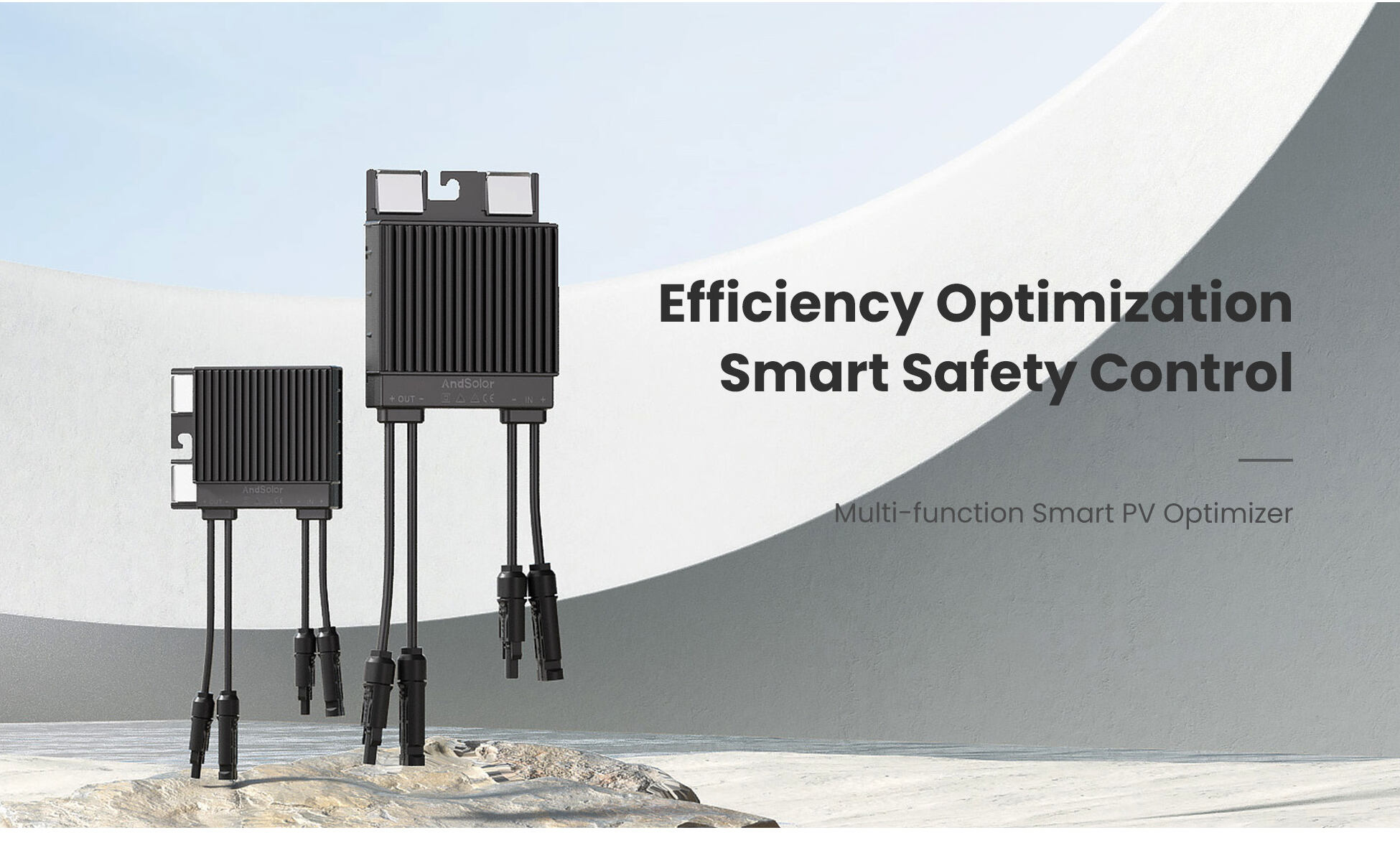
The solar rapid shutdown system's module-level safety control represents a breakthrough in photovoltaic safety technology, offering unprecedented protection through individual panel monitoring and control capabilities. This sophisticated feature enables the system to isolate specific solar modules within seconds of detecting abnormal conditions or receiving shutdown commands, creating multiple layers of safety that traditional systems cannot match. Each solar module equipped with this technology operates independently, allowing the solar rapid shutdown system to maintain granular control over every component in the array while preserving normal operation for unaffected sections. The module-level approach significantly reduces the risk of electrical hazards by ensuring that dangerous DC voltages cannot persist in any part of the installation, even if individual components experience failures or damage. Advanced power electronics integrated into each module continuously monitor electrical parameters and environmental conditions, providing real-time data that enhances both safety and performance optimization. The system's intelligent algorithms can distinguish between normal operational variations and genuine safety concerns, preventing unnecessary shutdowns while ensuring immediate response to legitimate hazards. This precision control extends beyond basic safety functions to include advanced diagnostics that identify potential issues before they compromise system integrity or create safety risks. Installation flexibility increases dramatically with module-level control, as the solar rapid shutdown system can accommodate complex array configurations, shading patterns, and mixed module types without compromising safety effectiveness. The technology's scalability allows for seamless expansion of existing installations while maintaining consistent safety standards across all components. Communication redundancy ensures reliable operation through multiple pathways, including wireless protocols and powerline communication systems that maintain connectivity even if primary communication channels experience interference. The module-level architecture also simplifies troubleshooting and maintenance procedures, as technicians can quickly identify and isolate specific components without affecting the entire system's operation. Long-term reliability benefits from distributed intelligence that eliminates single points of failure and provides backup control mechanisms throughout the installation.
Instant Emergency Response Technology

Instant Emergency Response Technology

The solar rapid shutdown system's instant emergency response technology delivers life-saving protection through ultra-fast shutdown capabilities that exceed industry standards and regulatory requirements by significant margins. This critical feature ensures that dangerous DC voltages throughout the solar installation drop to safe levels within seconds of activation, providing immediate protection for first responders, maintenance personnel, and property occupants during emergency situations. The system's response time represents a crucial safety advantage, as traditional solar installations could maintain dangerous voltage levels for extended periods, creating serious hazards for anyone working near or around the equipment. Advanced trigger mechanisms built into the solar rapid shutdown system monitor multiple input sources, including manual emergency switches, automatic fire detection systems, grid disconnection events, and inverter shutdown commands, ensuring comprehensive coverage of potential emergency scenarios. The technology's reliability stems from redundant control pathways that guarantee shutdown operation even if primary systems experience failures or damage during emergency conditions. Automatic activation features eliminate human error factors by responding instantly to predefined emergency conditions without requiring manual intervention or decision-making delays that could compromise safety outcomes. The system's integration capabilities extend to building automation systems, fire alarm networks, and emergency management protocols, creating coordinated safety responses that enhance overall protection effectiveness. Real-time monitoring capabilities provide continuous verification of shutdown status, giving emergency personnel confidence that electrical hazards have been properly mitigated before beginning rescue or firefighting operations. The solar rapid shutdown system's emergency response technology also includes visual and audible indicators that clearly communicate system status to personnel on-site, reducing confusion and improving coordination during high-stress situations. Recovery procedures are equally sophisticated, with controlled restart sequences that ensure safe restoration of normal operation only after proper clearance and verification protocols are completed. The technology's durability ensures reliable emergency response performance even under extreme conditions, including fire exposure, water damage, or physical impact that might occur during emergency situations. Testing and maintenance features allow for regular verification of emergency response capabilities without disrupting normal operation, ensuring that the solar rapid shutdown system remains ready to protect lives and property when emergencies occur.
Seamless Code Compliance Integration

Seamless Code Compliance Integration

The solar rapid shutdown system's seamless code compliance integration eliminates complex regulatory challenges while ensuring installations meet or exceed current and future safety standards across multiple jurisdictions. This comprehensive approach to regulatory compliance represents a significant value proposition for property owners, installers, and authorities having jurisdiction, as the system automatically satisfies stringent requirements without compromising system performance or creating installation complications. The technology's design philosophy prioritizes compliance with National Electrical Code requirements, local building codes, and emerging safety standards that continue to evolve as solar adoption expands across diverse applications and environments. Documentation and reporting capabilities built into the solar rapid shutdown system provide authorities with detailed verification of compliance measures, streamlining inspection processes and reducing project approval timelines significantly. The system's flexibility accommodates varying regulatory requirements across different regions and installation types, ensuring consistent compliance whether dealing with residential rooftop arrays, commercial installations, or utility-scale projects. Future-proofing features anticipate regulatory evolution by incorporating safety margins and expandable functionality that can adapt to new requirements without requiring complete system replacement or major modifications. Professional installer benefits include simplified training requirements and standardized installation procedures that reduce complexity while maintaining high safety standards across all project types and sizes. The solar rapid shutdown system's compliance integration extends to utility interconnection requirements, grid stability standards, and power quality regulations that affect solar installations' ability to connect and operate within existing electrical infrastructure. Automated testing and verification features ensure ongoing compliance throughout the system's operational lifespan, providing continuous monitoring of safety functions and regulatory adherence without manual intervention requirements. The system's documentation capabilities generate comprehensive compliance reports that satisfy auditing requirements and provide clear evidence of regulatory adherence for insurance providers, utility companies, and regulatory authorities. Integration with existing electrical systems follows established industry standards and best practices, ensuring compatibility with conventional electrical components while adding enhanced safety capabilities. The technology's modular approach allows for phased compliance upgrades that can address changing regulatory requirements incrementally rather than requiring complete system overhauls. Long-term compliance assurance comes through the solar rapid shutdown system's robust design and proven reliability record that provides confidence in meeting regulatory requirements throughout the installation's expected operational lifespan.

Get a Free Quote

Our representative will contact you soon.
Name
Email
Phone/ WhatsApp
Company Name
Product Selection
Message
0/1000

solar rapid shutdown system

Tips And Tricks

When Should You Use Power Optimizers?

17

Jun

When Should You Use Power Optimizers?

Understanding Power Optimizers in Solar Systems What Are Power Optimizers? Power optimizers are applied in solar system for energy harvest purpose. These smart devices are connected to every solar panel to optimise and manage the panel. Pow...
View More
How Does the Rapid Shutdown Policy Improve Solar Safety Standards?

13

Aug

How Does the Rapid Shutdown Policy Improve Solar Safety Standards?

Strengthening Solar Power Systems Through Advanced Safety Measures In the rapidly expanding solar industry, safety has emerged as one of the most critical aspects of system design and operation. As more residential, commercial, and utility-scale inst...
View More
AndSolar Power Optimizers Vs. Traditional String Inverters in MPPT

17

Sep

AndSolar Power Optimizers Vs. Traditional String Inverters in MPPT

Maximizing Solar Energy Harvesting Through Advanced Technology The solar industry continues to evolve with innovative solutions that enhance energy production and system efficiency. At the forefront of this evolution is the ongoing debate between sol...
View More
Understanding ABNT NBR 17193:2025 & Rapid Shutdown: Everything You Need to Know

23

Sep

Understanding ABNT NBR 17193:2025 & Rapid Shutdown: Everything You Need to Know

The Evolution of Solar Safety Standards in Brazil The solar energy landscape in Brazil is undergoing a significant transformation with the introduction of ABNT NBR 17193:2025, particularly focusing on rapid shutdown requirements. This revolutionary s...
View More

Get a Free Quote

Our representative will contact you soon.
Name
Email
Phone/ WhatsApp
Company Name
Product Selection
Message
0/1000