Commercial & Industrial PV Systems: Complete Solar Solutions for Business Energy Independence

  • 8F, Block B, Building 1, 286 Qinglonggang Road, Suzhou City, Jiangsu Province, P. R. China
  • [email protected]
AndSolar Cloud

Commercial & Industrial PV System

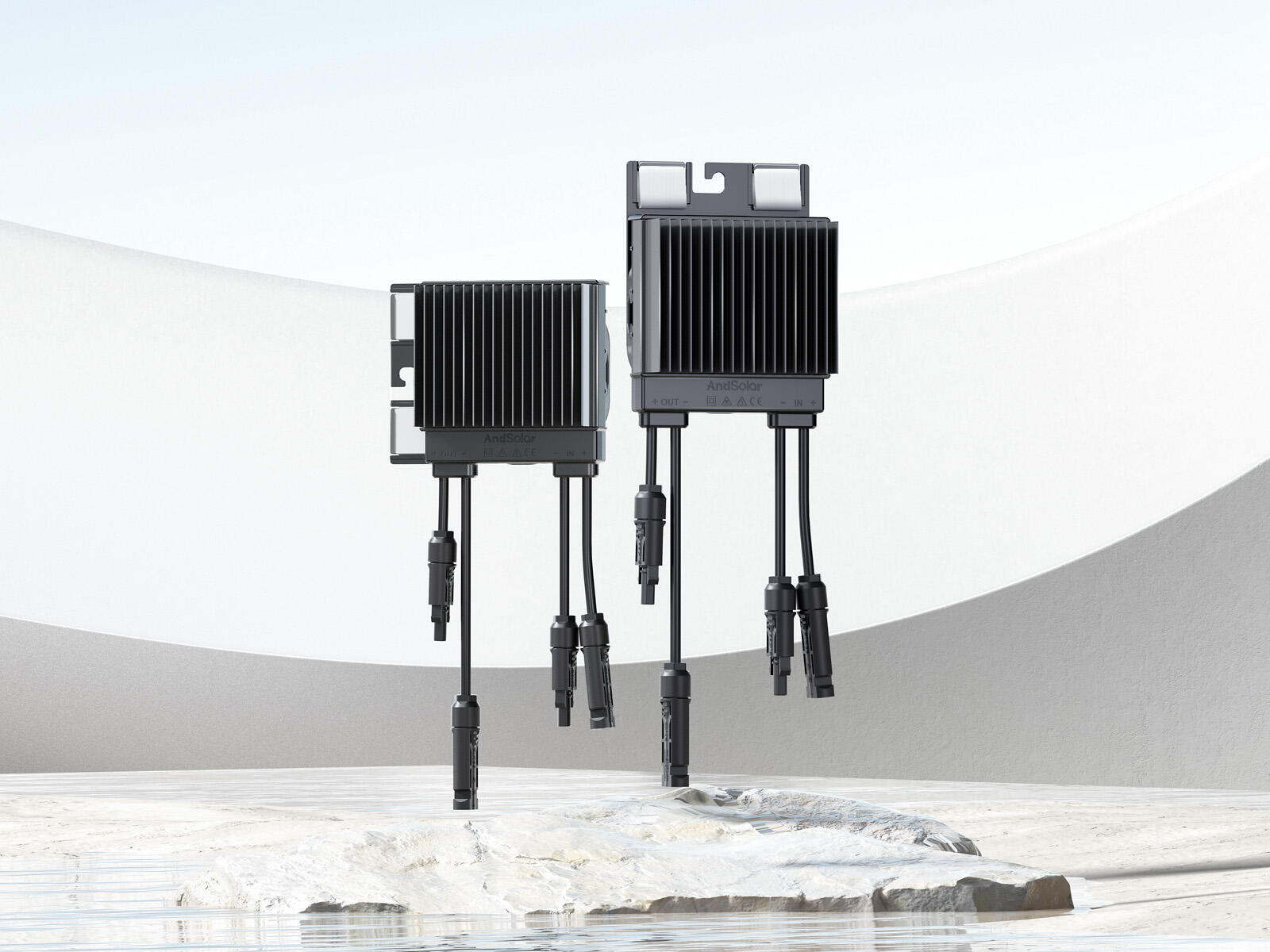
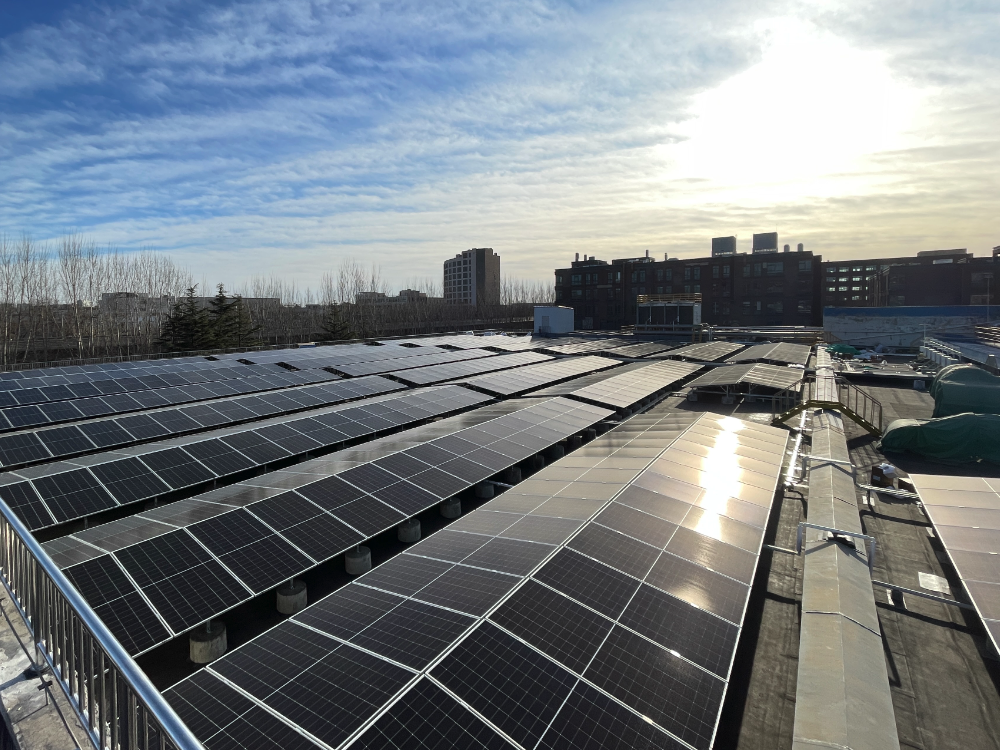
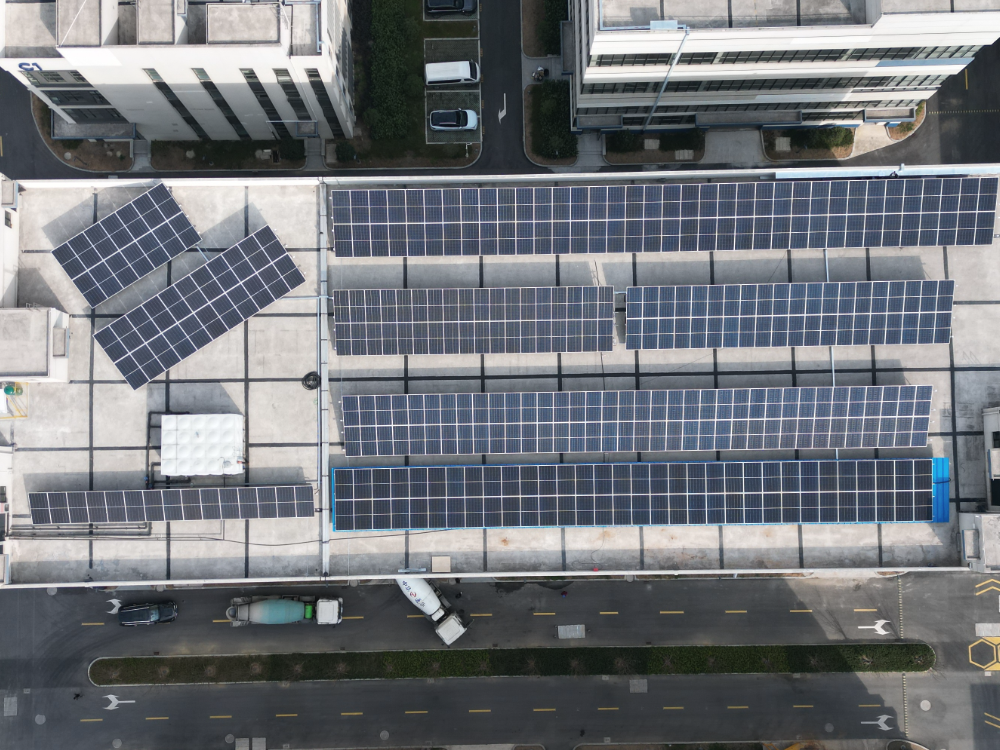
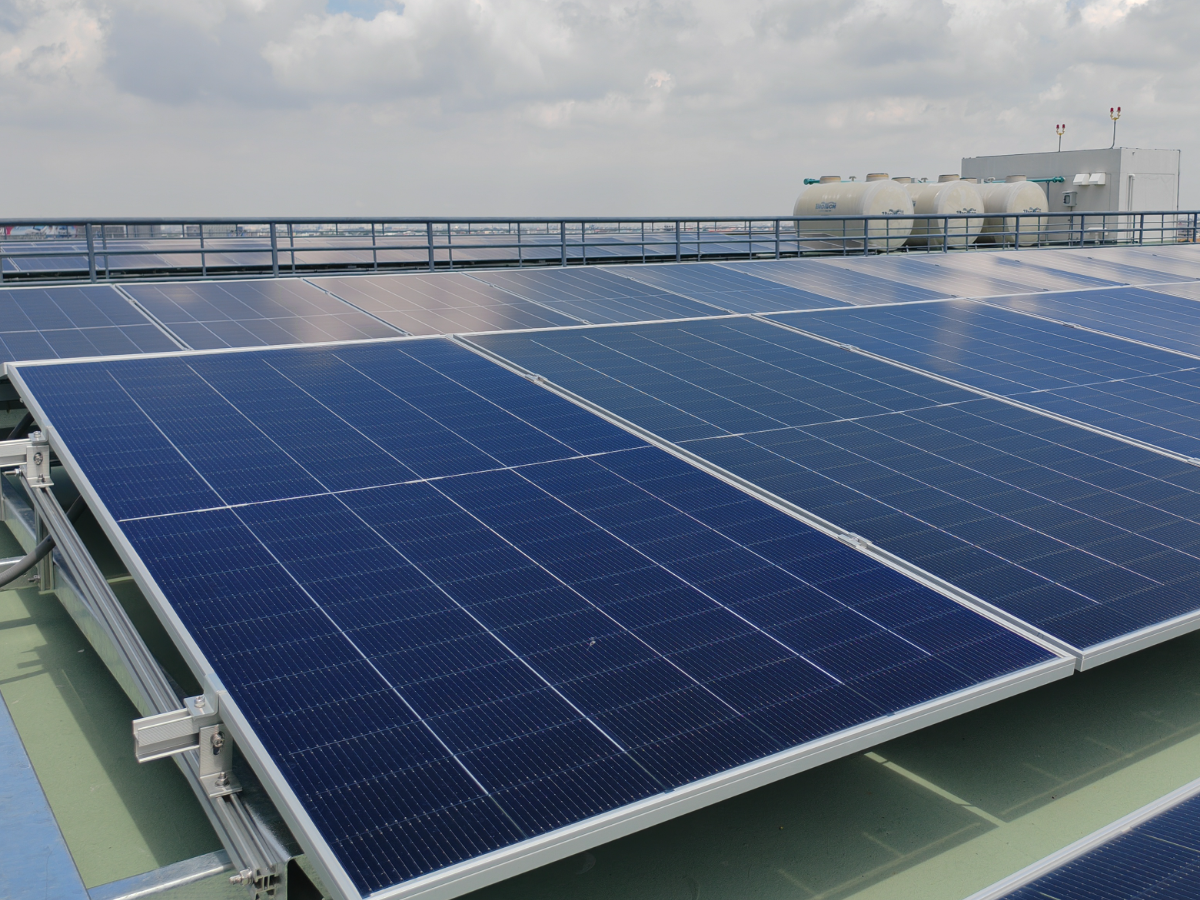
A commercial & industrial PV system represents a sophisticated solar energy solution specifically designed for businesses, manufacturing facilities, warehouses, and large-scale commercial operations. These systems harness sunlight through photovoltaic panels to generate clean electricity, offering organizations a sustainable path toward energy independence and cost reduction. The commercial & industrial PV system typically consists of high-efficiency solar panels, advanced inverters, monitoring equipment, and robust mounting structures engineered to withstand various weather conditions. Modern commercial & industrial PV systems incorporate cutting-edge technologies including maximum power point tracking (MPPT) optimizers, smart grid connectivity, and real-time performance monitoring capabilities. These systems can be configured as rooftop installations, ground-mounted arrays, or integrated building solutions depending on available space and architectural requirements. The scalability of commercial & industrial PV systems allows businesses to customize installations ranging from 100 kilowatts to multiple megawatts, accommodating diverse energy demands across different industry sectors. Advanced features include automated cleaning systems, weather monitoring stations, and predictive maintenance algorithms that ensure optimal performance throughout the system's operational lifetime. Commercial & industrial PV systems can operate in grid-tied configurations, allowing excess energy to be fed back into the utility grid, or in hybrid setups incorporating energy storage solutions for enhanced energy security. Applications span across manufacturing plants, office complexes, retail centers, educational institutions, healthcare facilities, data centers, and agricultural operations. The modular design of commercial & industrial PV systems enables phased installations, allowing businesses to expand their solar capacity gradually as energy needs grow or budget constraints permit. Integration with existing electrical infrastructure is seamless, with sophisticated power management systems ensuring stable electricity supply while maximizing solar energy utilization and minimizing grid dependency.
Commercial & industrial PV systems deliver substantial financial benefits that directly impact your bottom line. These systems dramatically reduce electricity costs, with many businesses achieving 50-80% reductions in their monthly utility bills. The return on investment typically occurs within 5-7 years, followed by decades of virtually free electricity generation. Federal and state tax incentives, including the Investment Tax Credit and accelerated depreciation schedules, further enhance the financial attractiveness of commercial & industrial PV systems. Beyond immediate cost savings, these systems provide long-term price stability, protecting businesses from volatile utility rate increases that can significantly impact operational expenses over time. The commercial & industrial PV system offers exceptional reliability and minimal maintenance requirements compared to traditional energy sources. Modern photovoltaic technology demonstrates remarkable durability, with most systems carrying 25-year performance warranties and actual lifespans extending beyond 30 years. This longevity ensures consistent energy production with minimal degradation rates, typically less than 0.5% annually. Automated monitoring systems continuously track performance metrics, identifying potential issues before they impact energy generation. Maintenance needs are minimal, primarily involving periodic cleaning and routine inspections, resulting in low ongoing operational costs. Environmental benefits position your organization as a sustainability leader while contributing to corporate social responsibility goals. Commercial & industrial PV systems eliminate thousands of tons of carbon emissions annually, equivalent to removing numerous vehicles from roads permanently. This environmental stewardship enhances brand reputation, attracts environmentally conscious customers, and helps meet increasingly stringent environmental regulations. Energy independence reduces vulnerability to grid outages and supply chain disruptions that can halt business operations. Commercial & industrial PV systems with battery storage capabilities ensure critical operations continue during power failures, protecting sensitive equipment and maintaining productivity. The scalable nature of these systems allows businesses to expand capacity as needs grow, providing flexibility for future business expansion. Installation creates minimal disruption to daily operations, with most projects completed within weeks rather than months. Advanced grid-tie capabilities enable businesses to sell excess energy back to utilities, creating additional revenue streams while supporting grid stability during peak demand periods.

New Product Releases

Advanced Energy Management and Grid Integration Capabilities

Advanced Energy Management and Grid Integration Capabilities

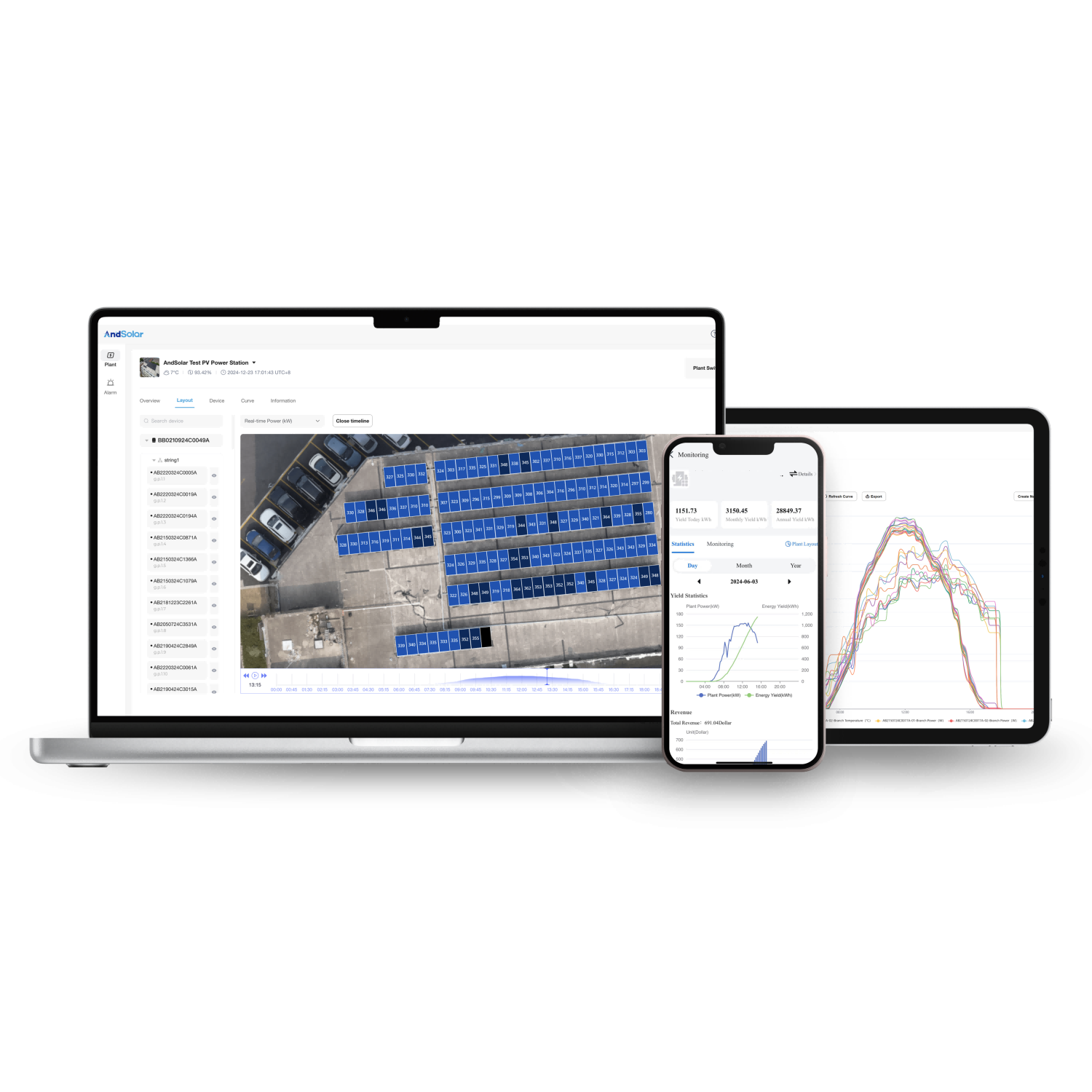
Commercial & industrial PV systems feature sophisticated energy management platforms that revolutionize how businesses control and optimize their electricity consumption. These advanced systems incorporate intelligent load balancing algorithms that automatically adjust energy distribution based on real-time demand patterns, weather conditions, and utility rate structures. The grid integration capabilities allow seamless interaction with existing electrical infrastructure while providing opportunities for demand charge reduction through strategic load shifting. Smart inverter technology enables precise power quality control, maintaining stable voltage and frequency levels that protect sensitive equipment from power fluctuations. The commercial & industrial PV system includes advanced metering infrastructure that provides granular visibility into energy production and consumption patterns, enabling facility managers to identify inefficiencies and optimize operational schedules. Grid-tie functionality allows excess energy to be exported to the utility grid during peak production periods, generating additional revenue through net metering arrangements or power purchase agreements. During utility outages, systems equipped with battery storage can seamlessly transition to island mode, maintaining critical operations without interruption. The energy management platform integrates with building automation systems, HVAC controls, and manufacturing equipment to create holistic energy optimization strategies. Machine learning algorithms continuously analyze historical performance data to predict energy generation and consumption patterns, enabling proactive system adjustments that maximize efficiency. Remote monitoring capabilities allow system operators to track performance metrics from anywhere, receiving instant alerts about potential issues or maintenance requirements. The platform provides comprehensive reporting tools that generate detailed analytics for energy audits, regulatory compliance, and carbon footprint tracking. Integration with time-of-use utility rates enables automatic load scheduling to minimize electricity costs during peak pricing periods. The commercial & industrial PV system can prioritize critical loads during emergency situations, ensuring essential business operations remain functional while non-critical systems are temporarily reduced to conserve available energy.
Scalable Modular Design for Future Expansion

Scalable Modular Design for Future Expansion

The modular architecture of commercial & industrial PV systems provides unparalleled flexibility for businesses planning long-term growth and energy strategy evolution. This design philosophy allows organizations to start with smaller installations that meet current energy requirements while maintaining the ability to expand capacity incrementally as business needs evolve. The commercial & industrial PV system utilizes standardized components and connection protocols that ensure seamless integration of additional panels, inverters, and supporting infrastructure without disrupting existing operations. Expansion planning becomes straightforward with pre-engineered mounting systems and electrical configurations that accommodate future growth scenarios. The modular approach extends beyond physical components to include software platforms and monitoring systems that scale proportionally with system size. Businesses can begin with basic grid-tie configurations and later incorporate energy storage, electric vehicle charging stations, or microgrid capabilities as operational requirements change. Financial benefits of modular expansion include spreading capital investments across multiple budget cycles while taking advantage of technology improvements and cost reductions over time. The commercial & industrial PV system design accounts for structural loading considerations, ensuring rooftop installations can accommodate additional panel arrays without requiring costly reinforcement projects. Electrical infrastructure planning incorporates oversized conduits and panel capacity to facilitate future connections without extensive retrofitting. Modular systems enable businesses to align solar expansion with facility expansion, production increases, or new equipment installations that increase energy demand. The standardized design approach ensures compatibility between system components installed years apart, protecting investment value and maintaining performance consistency. Installation scheduling flexibility allows expansion phases to occur during planned maintenance shutdowns or low-activity periods, minimizing operational disruption. Performance monitoring systems automatically adjust baselines and optimization algorithms as system capacity increases, ensuring continued peak efficiency across all installation phases. The commercial & industrial PV system modularity extends to maintenance and replacement procedures, allowing individual components to be serviced or upgraded without affecting overall system operation or requiring complete shutdowns.
Comprehensive Financial Performance and ROI Optimization

Comprehensive Financial Performance and ROI Optimization

Commercial & industrial PV systems deliver exceptional financial performance through multiple revenue streams and cost reduction mechanisms that create compelling return on investment profiles for businesses across all sectors. The primary financial benefit stems from dramatic electricity cost reductions, with most installations achieving 60-90% decreases in utility bills immediately upon system activation. The commercial & industrial PV system generates predictable long-term savings that hedge against future utility rate increases, which historically average 3-5% annually. Federal Investment Tax Credit programs allow businesses to deduct 30% of total installation costs from federal tax obligations, while accelerated depreciation schedules enable complete system depreciation within five years through MACRS programs. State and local incentive programs provide additional financial benefits including rebates, tax credits, and renewable energy certificates that further improve project economics. Net metering arrangements allow excess energy production to be sold back to utilities at retail rates, creating additional revenue streams during peak production periods. Demand charge reduction represents a significant cost savings opportunity, as commercial & industrial PV systems can reduce peak demand charges that often comprise 30-50% of commercial electricity bills. The commercial & industrial PV system provides cash flow benefits from day one, with energy savings typically exceeding financing payments when utilizing solar loans or leasing arrangements. Property value increases of 4-6% are commonly observed for commercial buildings with solar installations, improving asset values and potential resale prices. Energy price stability becomes increasingly valuable as businesses can accurately forecast electricity costs for budgeting and planning purposes over 25-year periods. Risk mitigation benefits include protection against utility rate volatility, energy supply disruptions, and regulatory changes affecting carbon emissions or renewable energy requirements. The commercial & industrial PV system performance warranties guarantee minimum energy production levels, providing financial protection against underperformance risks. Advanced monitoring and maintenance programs ensure optimal system performance throughout the operational lifetime, maximizing energy generation and financial returns. Corporate sustainability benefits include carbon credit opportunities, enhanced brand reputation, and improved competitiveness for contracts requiring environmental compliance or renewable energy usage commitments.

Get a Free Quote

Our representative will contact you soon.
Name
Email
Phone/ WhatsApp
Company Name
Product Selection
Message
0/1000

Commercial & Industrial PV System

Practical Tips

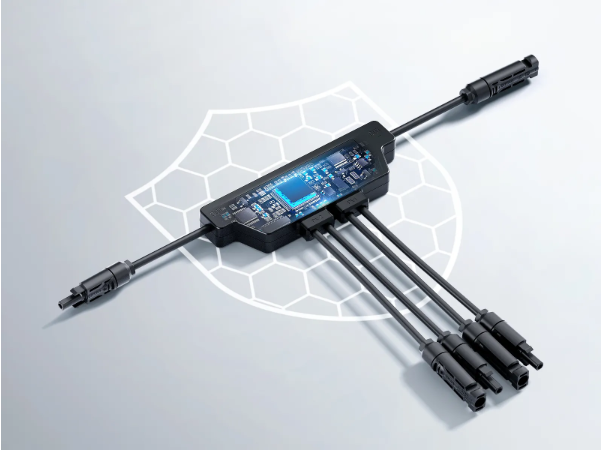
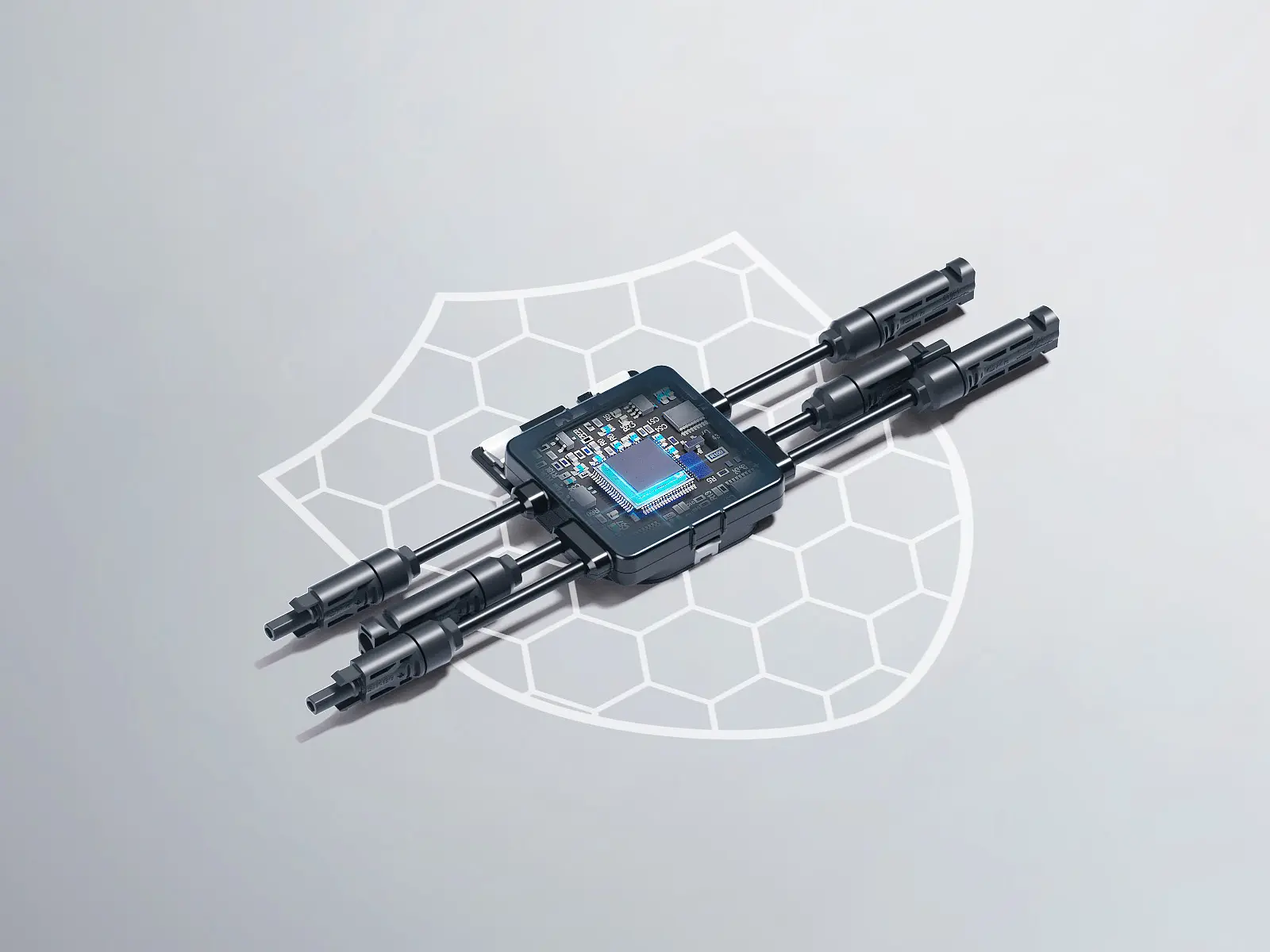
What Is Rapid Shutdown for Solar PV, and Why Is It Necessary?

16

Jun

What Is Rapid Shutdown for Solar PV, and Why Is It Necessary?

Understanding Rapid Shutdown Technology in Solar PV Systems What is Rapid Shutdown for Solar Panels?Safety behind-the-panel Rapid Shutdown technology serves as a critical last resort in a solar PV system, acting as a protective measure in case o...
View More
How to choose the rapid shutdown device for your solar installation

21

Jul

How to choose the rapid shutdown device for your solar installation

Making the Right Safety Choice for Solar Installations As solar energy adoption continues to rise in both residential and commercial sectors, safety considerations are becoming a top priority during system design and installation. One of the most cr...
View More
Why rapid shutdown device necessary for PV system

21

Jul

Why rapid shutdown device necessary for PV system

Enhancing Solar Safety through Smart Shutdown Solutions The solar industry has evolved tremendously over the past decade, with increasing attention not only to efficiency and performance but also to safety and regulatory compliance. One of the most ...
View More
Will Rapid Shutdown Devices Affect Solar System Performance?

13

Aug

Will Rapid Shutdown Devices Affect Solar System Performance?

Optimizing Solar System Safety Without Compromising Efficiency In the modern solar energy landscape, safety and performance go hand in hand. The industry has evolved from focusing solely on maximizing energy yield to ensuring that systems operate wit...
View More

Get a Free Quote

Our representative will contact you soon.
Name
Email
Phone/ WhatsApp
Company Name
Product Selection
Message
0/1000