
Rows of solar modules may look perfectly uniform, but is every module really generating power efficiently? The answer may be different from what you expect.
The shadow of a leaf, a different roof orientation, or an aging module can trigger a weakest-link effect and quietly reduce the output of an entire PV string.
AndSolar's smart optimizer gives each module its own energy manager, allowing it to operate more independently. Here is how this efficiency engine works.
In a conventional string system, modules are connected in series and send DC power to an inverter. The design is simple and cost-effective, but the lowest-performing module can constrain the current and output of the entire string. Like the shortest stave in a barrel, one shaded or degraded module can limit the whole system.
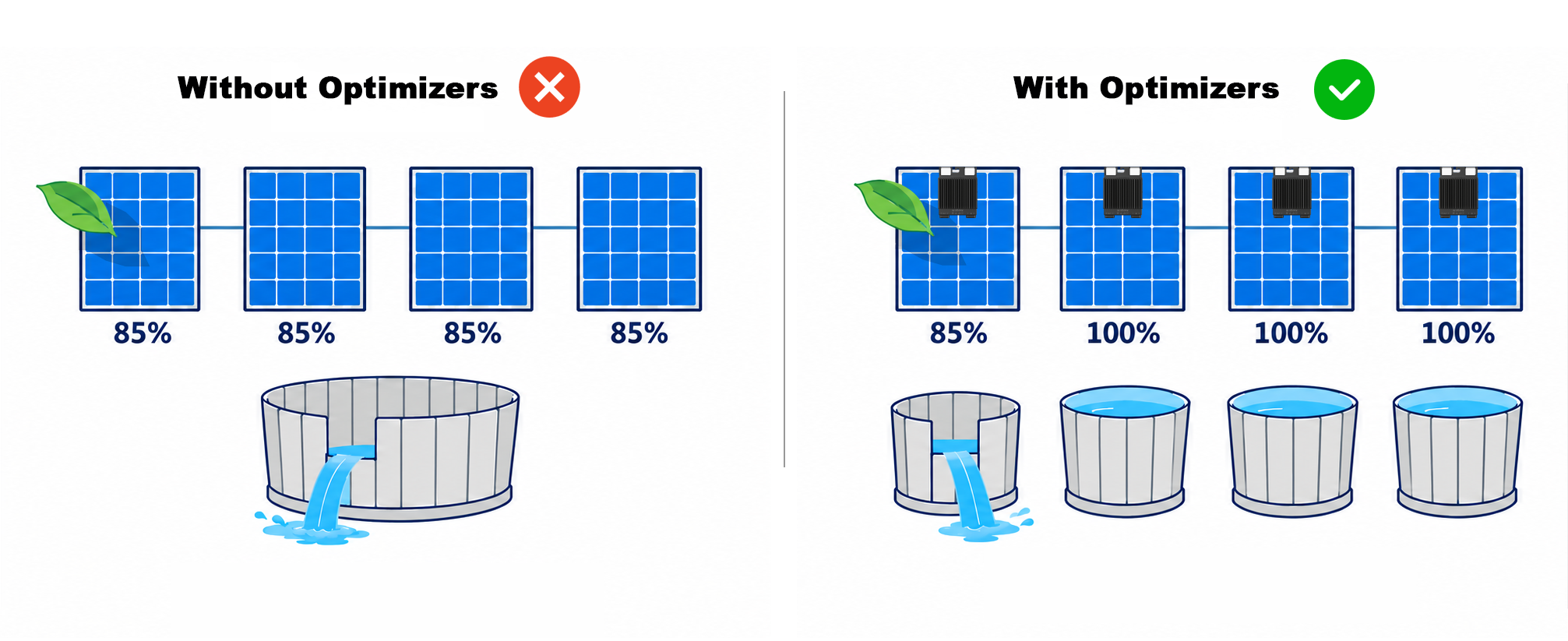
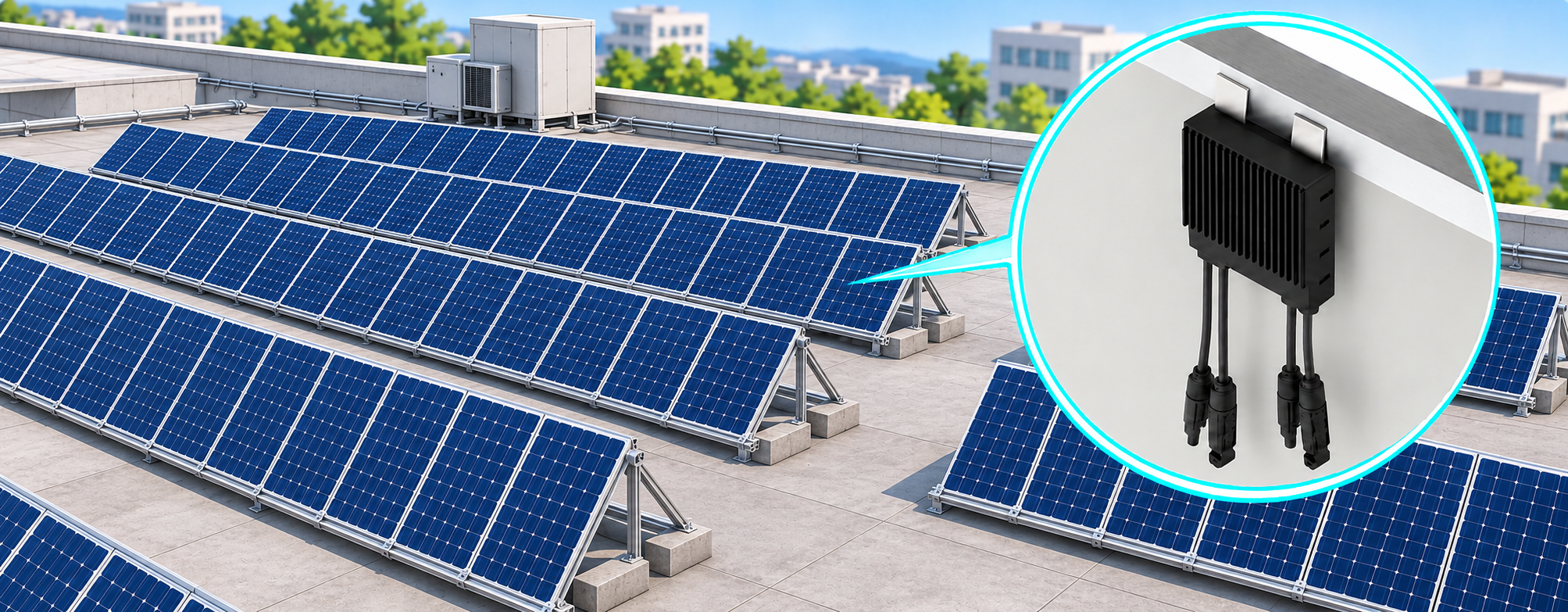
AndSolar smart optimizer is a DC-DC converter installed behind a solar module. It creates a suitable operating condition for each module through two core functions.
Maximum power point tracking, or MPPT, monitors each module's voltage and current and adjusts its operating point in real time. A shaded module can therefore optimize its own output without forcing the other modules to operate at the same reduced level.
The optimizer also adjusts output voltage to meet the inverter's requirements. Modules with different orientations or power ratings can then share a string with less mismatch loss.
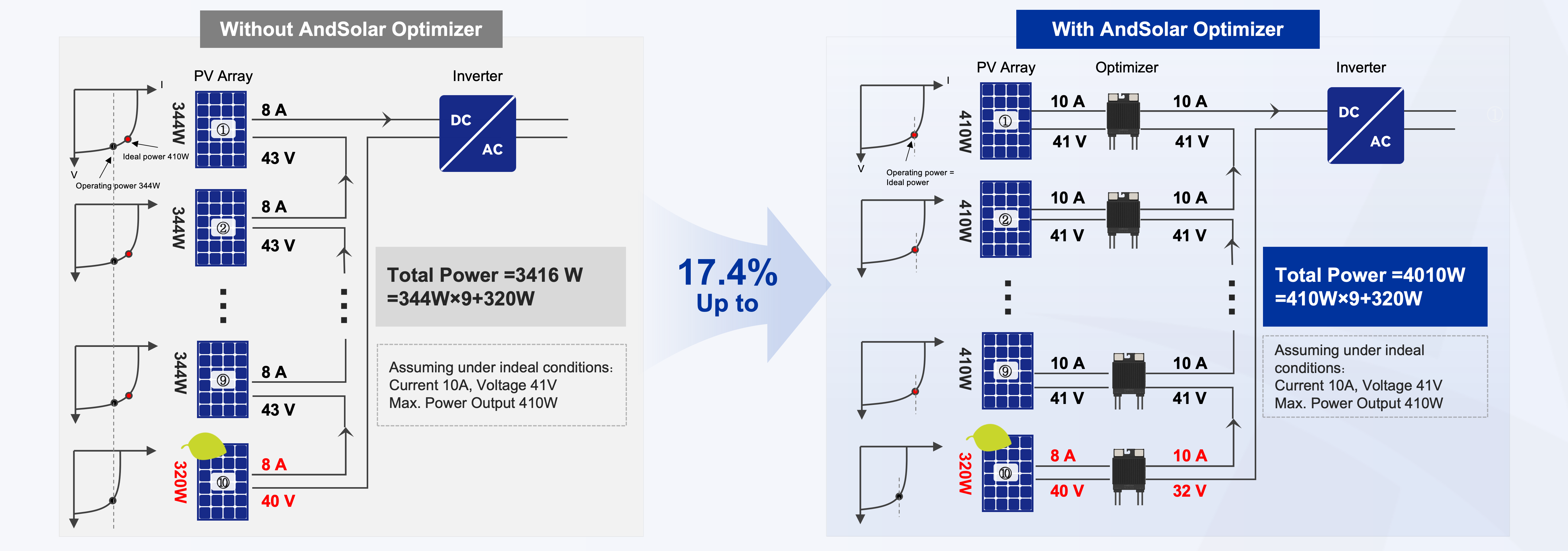
Consider a ten-module rooftop string. Nine modules can each produce 410 W at 41 V and 10 A, while one shaded module produces only 320 W at 40 V and 8 A.
In this example, module-level MPPT raises total string power from 3,416 W to 4,010 W, an increase of approximately 17.4%.
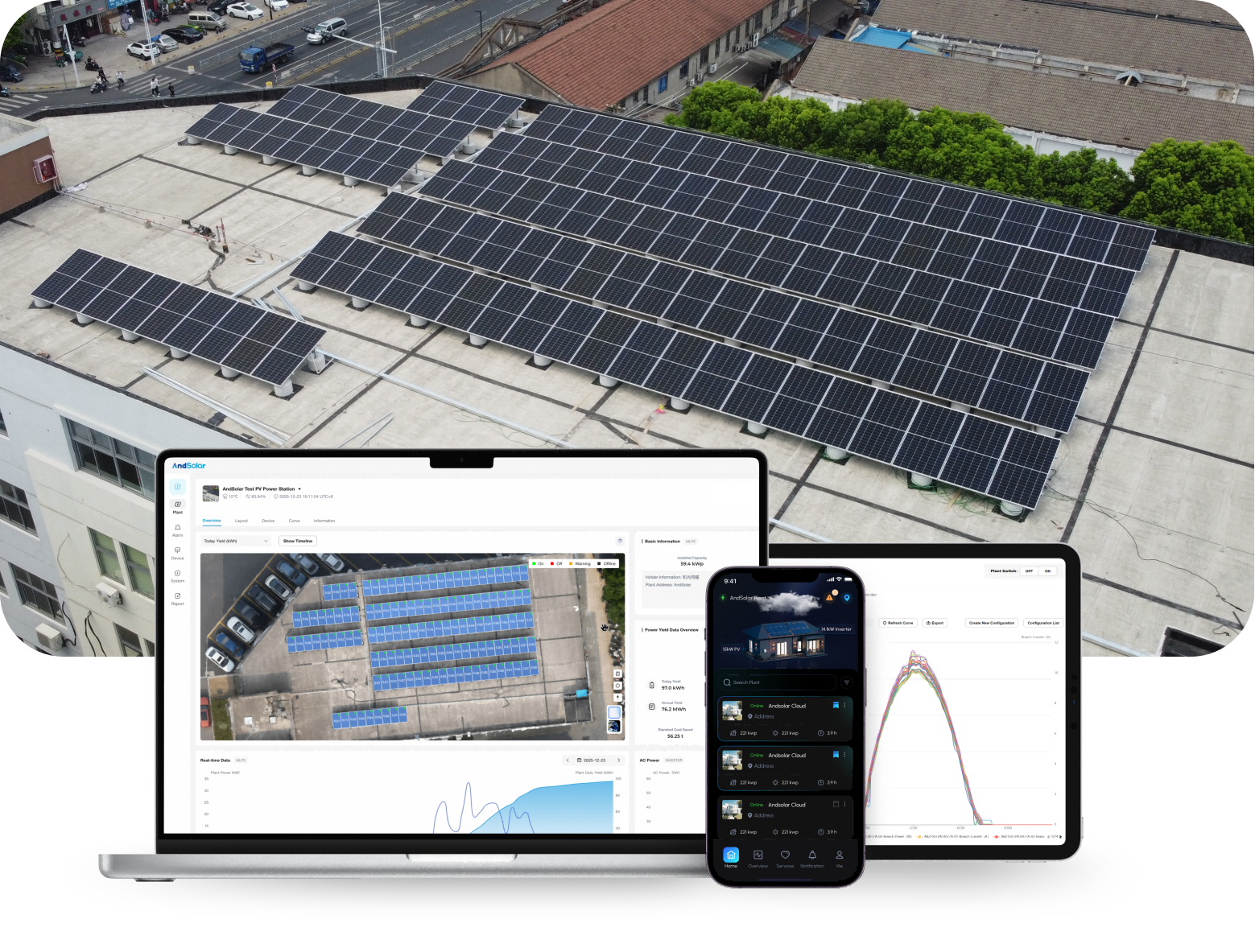
The AndSolar smart optimizer #AMCP also supports module-level rapid shutdown, intelligent monitoring, and mixed deployment with compatible rapid-shutdown devices.
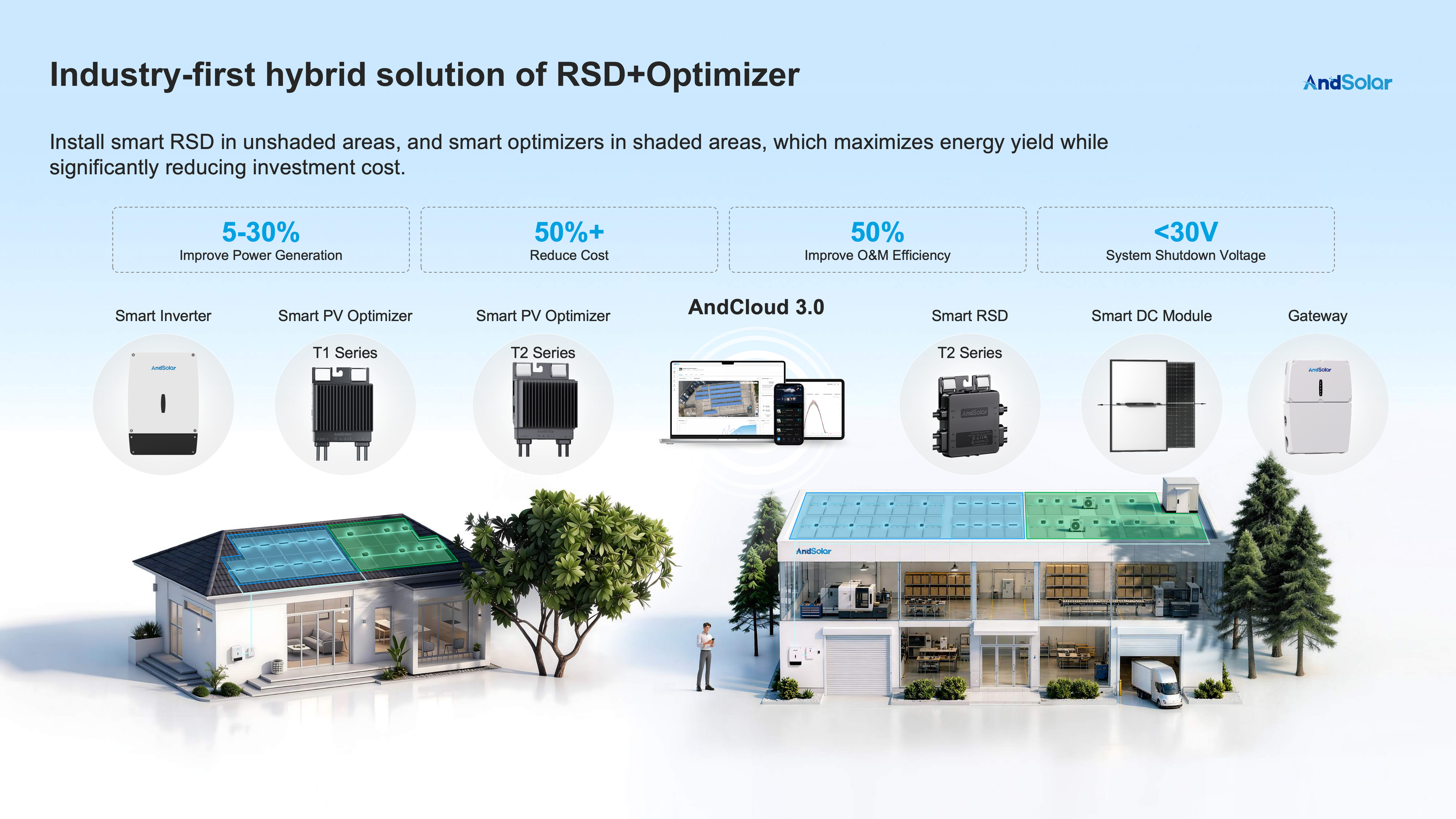
Partially Shaded Environments: Where trees, chimneys, antennas, or other objects cast shadows on the roof, optimizers can significantly reduce the power loss caused by shading.
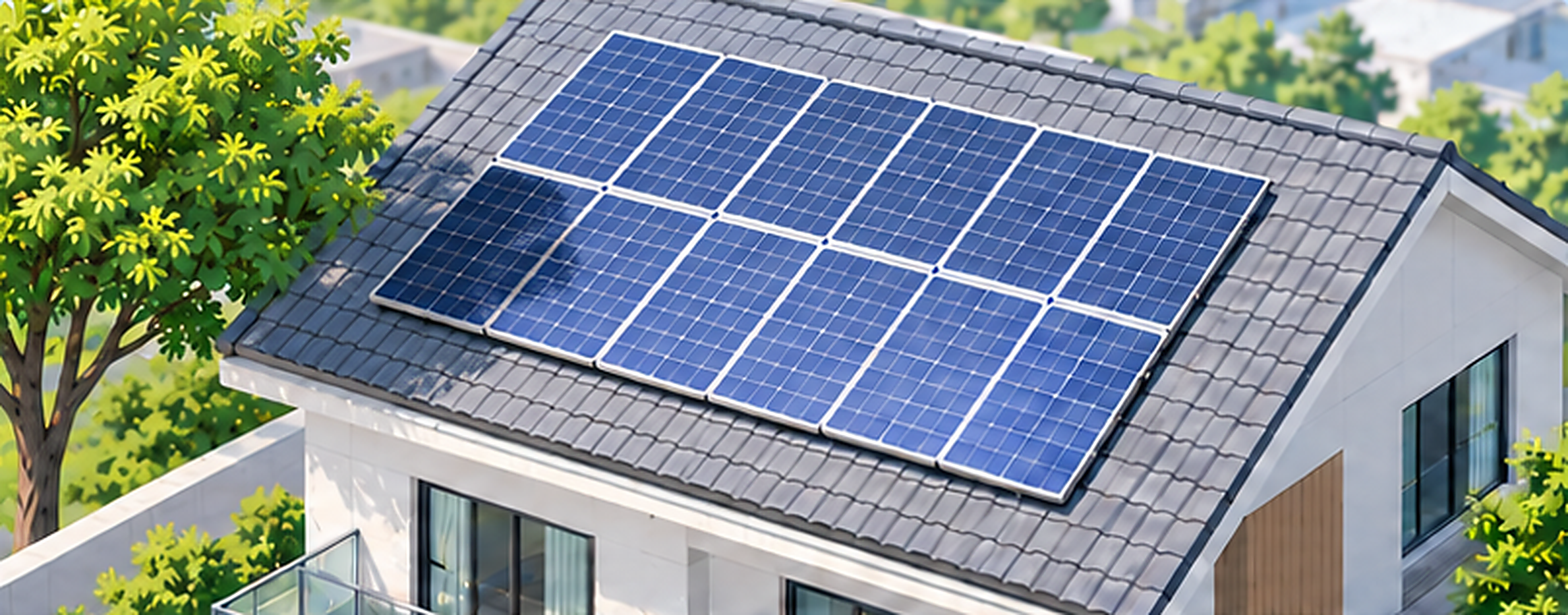
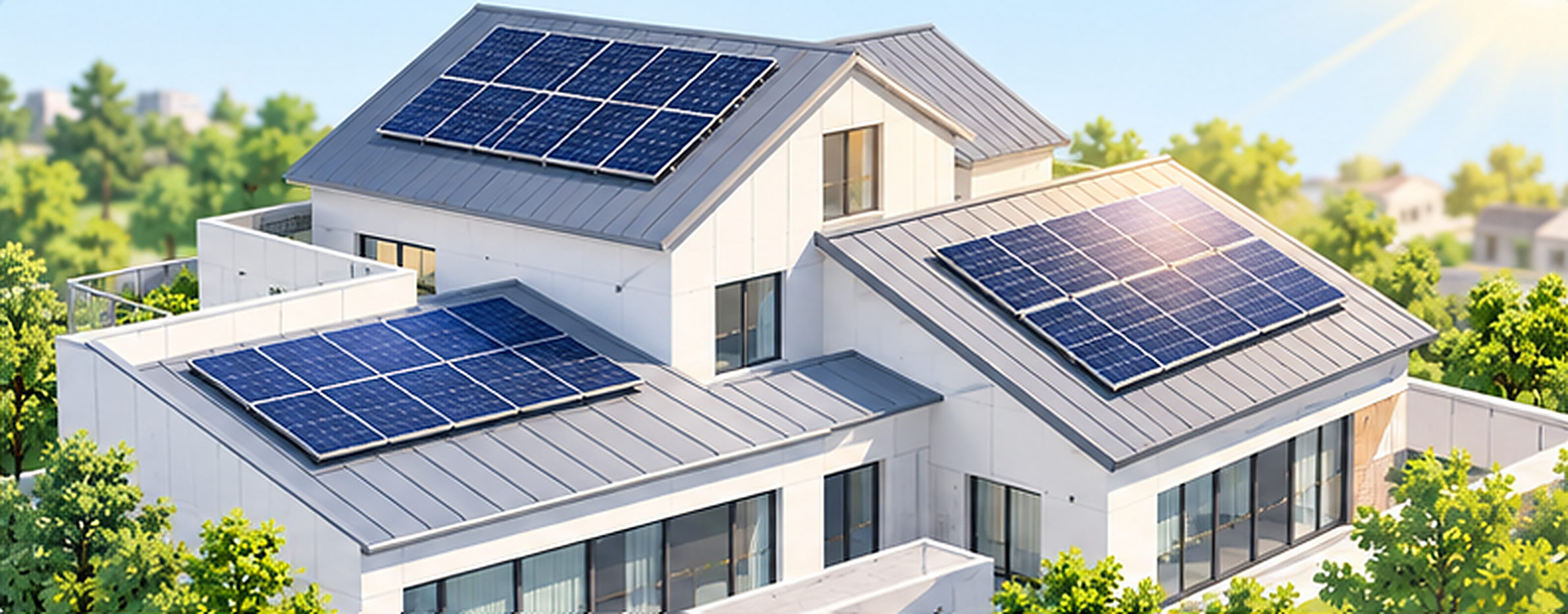
Complex Roof Structures: Modules installed on roof surfaces with different orientations or tilt angles can be optimized separately, helping maintain stable overall output.
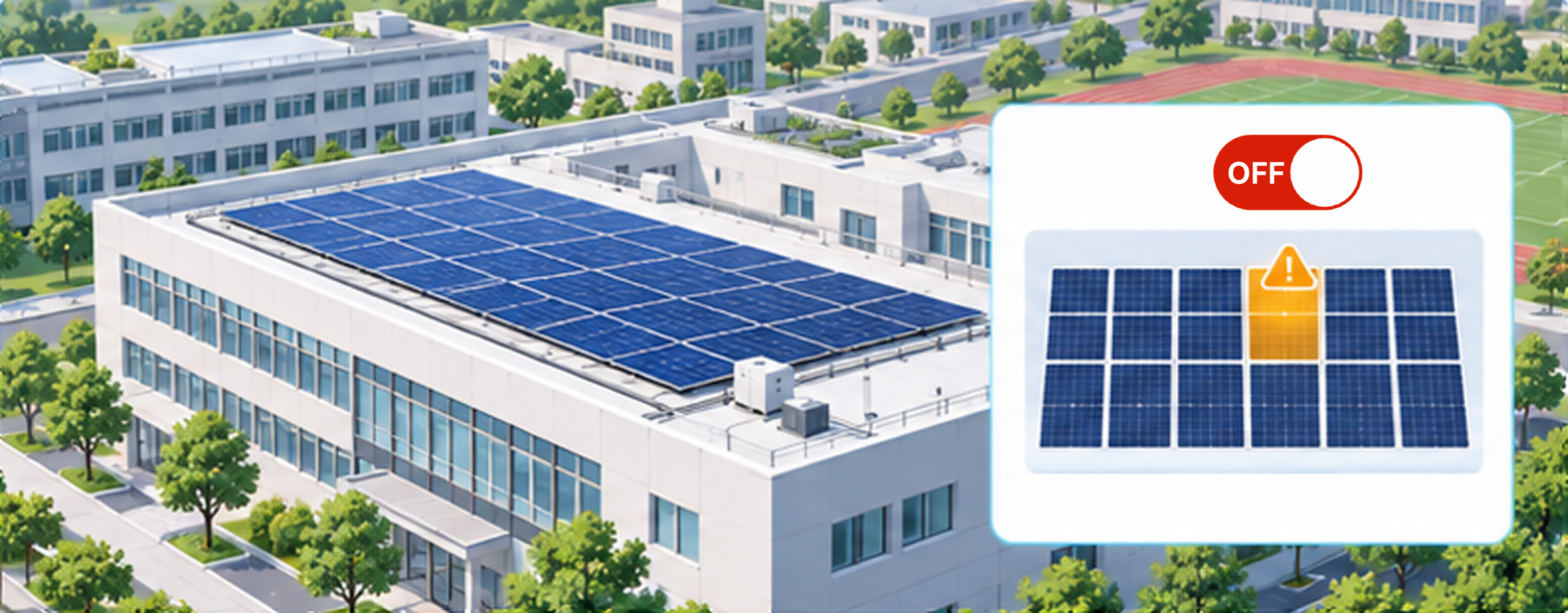
Sites with High Reliability Requirements: Module-level monitoring and rapid shutdown make optimizers suitable for homes, commercial buildings, and public facilities with strict safety requirements.
System Upgrade Projects: Adding optimizers to an existing PV system can improve the energy efficiency and monitoring capability of an older installation.
As distributed PV becomes more widespread, power optimizers are increasingly becoming a standard part of system design. Beyond improving energy yield, they add module-level monitoring, fault location, rapid shutdown, and remote O&M capabilities.
No module should be left behind. By managing power at the module level, PV power optimizers help every module realize more of its potential and move PV systems toward more intelligent operation.

AndSolar Technology is a tech-company engaged in photovoltaic module-level power electronics (MLPE) and distributed photovoltaic smart energy overall solutions.