
In distributed PV investments, every additional watt directly contributes to project returns. However, shading, module mismatch, and hidden system losses are continuously eroding system performance and ROI, leaving many investors facing persistent “efficiency anxiety.” As a result, Module-Level Power Electronics (MLPE) technologies have gained increasing attention due to their advantages in flexible design, higher energy yield, enhanced safety, and digitalized O&M. At the same time, MLPE includes different technical routes—primarily PV optimizers (hereafter “optimizers”) and microinverters (hereafter “microinverters”). Selecting the most suitable solution for a specific project can be challenging. This article evaluates both solutions across key dimensions, including system architecture, overall efficiency, return on investment, safety, and reliability, to support informed decision-making.
Same MLPE, But Different Technology
Although both optimizers and microinverters fall under MLPE, their system architectures differ fundamentally, which directly impacts project cost, installation, O&M, and long-term returns.
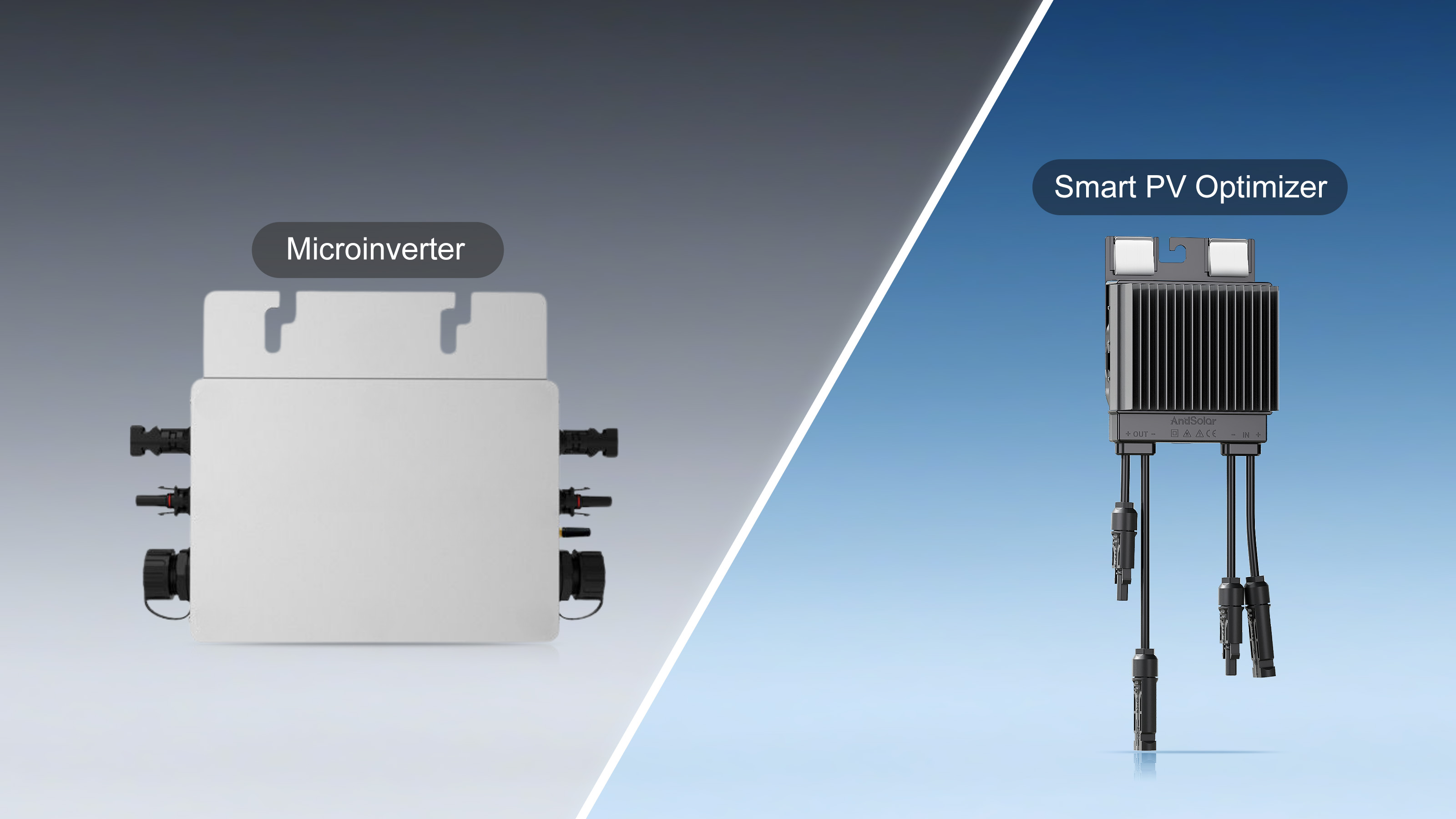
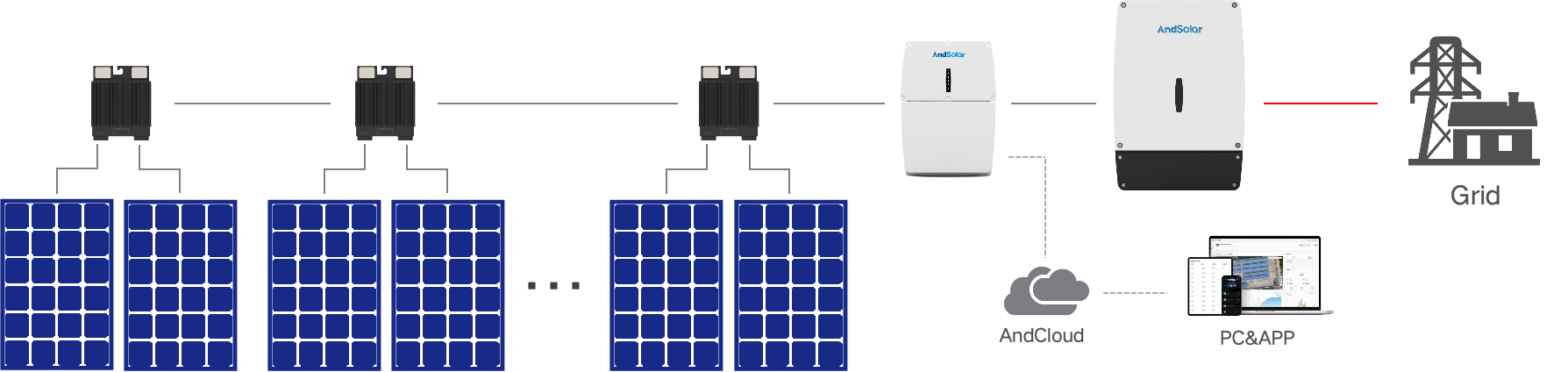
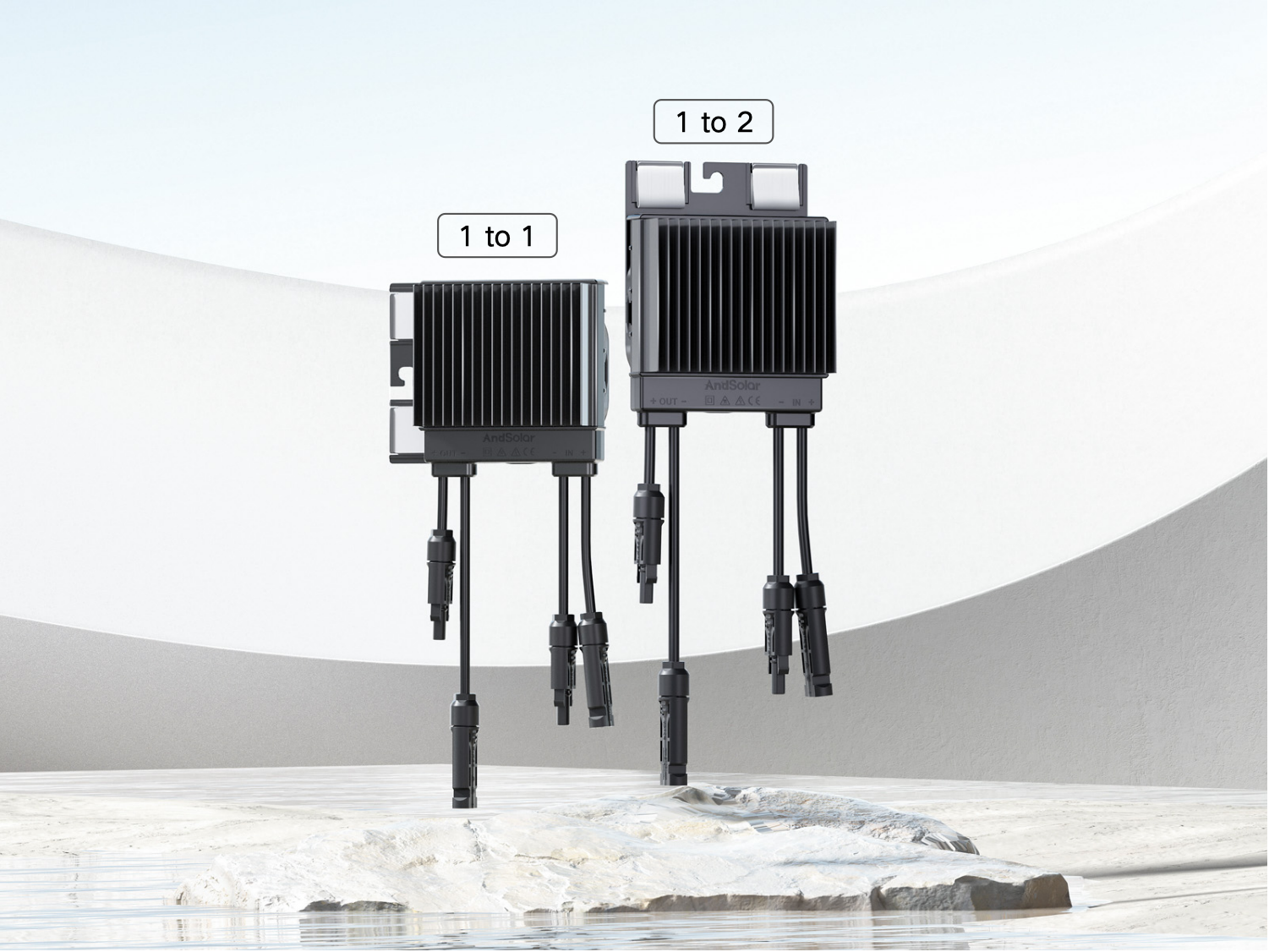
Taking AndSolar smart PV optimizers as an example, these devices do not perform DC-to-AC conversion. Instead, they operate on the DC side, enabling module-level Maximum Power Point Tracking (MPPT) to eliminate mismatch losses and ensure stable coordination among modules. Each module operates at its optimal power point in real time, while all DC outputs are aggregated and converted to AC by the string inverter.
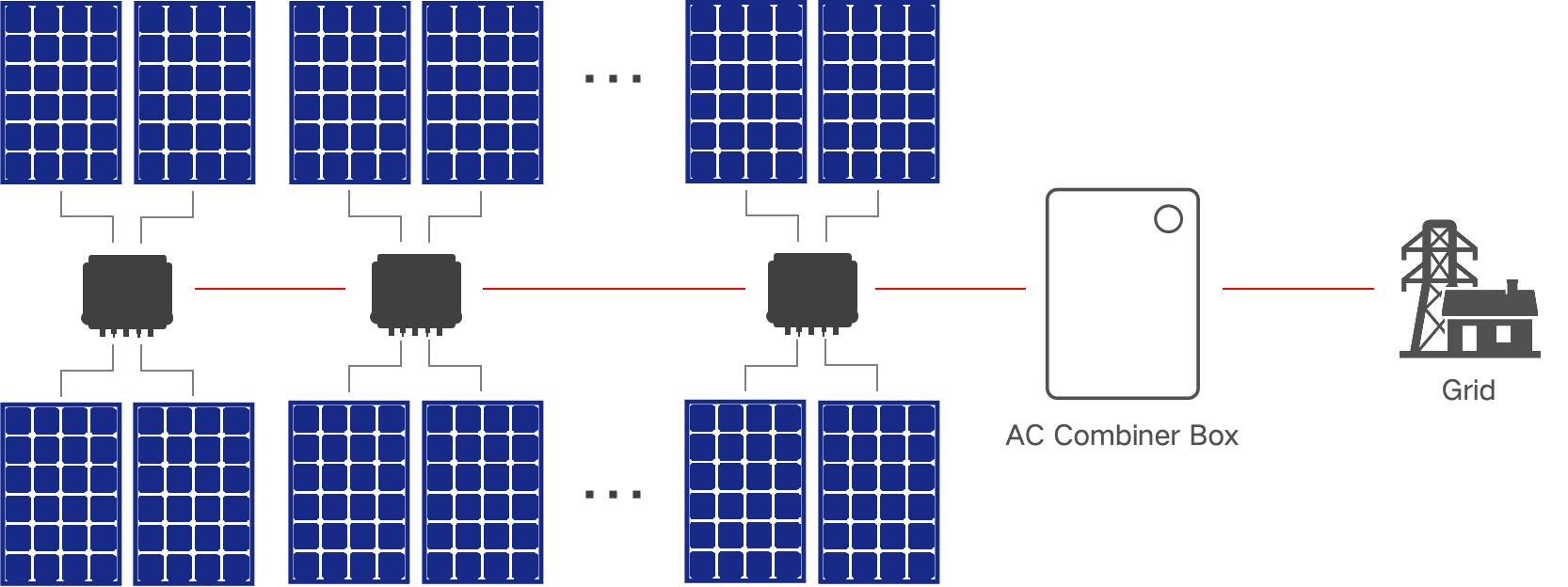
Microinverters, as the name suggests, are miniature inverters. While enabling module-level MPPT, they also perform DC-to-AC conversion. Each microinverter operates as an independent unit, forming a fully distributed system architecture. In terms of improving system energy yield, microinverters serve a similar function to optimizers, as both can eliminate mismatch losses within the system and ensure each module operates at its maximum power point. Microinverters and optimizers appear to deliver comparable functionality. However, due to differences in system architecture, they are suited to different application scenarios. The following sections will analyze their key differences from multiple perspectives.
Investment Perspective: Lifecycle Cost and Return
Evaluating a PV solution requires balancing initial investment and long-term returns from a full lifecycle perspective.
In small-scale systems such as balcony PV, microinverters offer advantages. Due to limited system capacity and constrained revenue potential, investment decisions focus more on deployment cost, simplicity, and risk control. The distributed nature of microinverters makes them suitable for such scenarios.
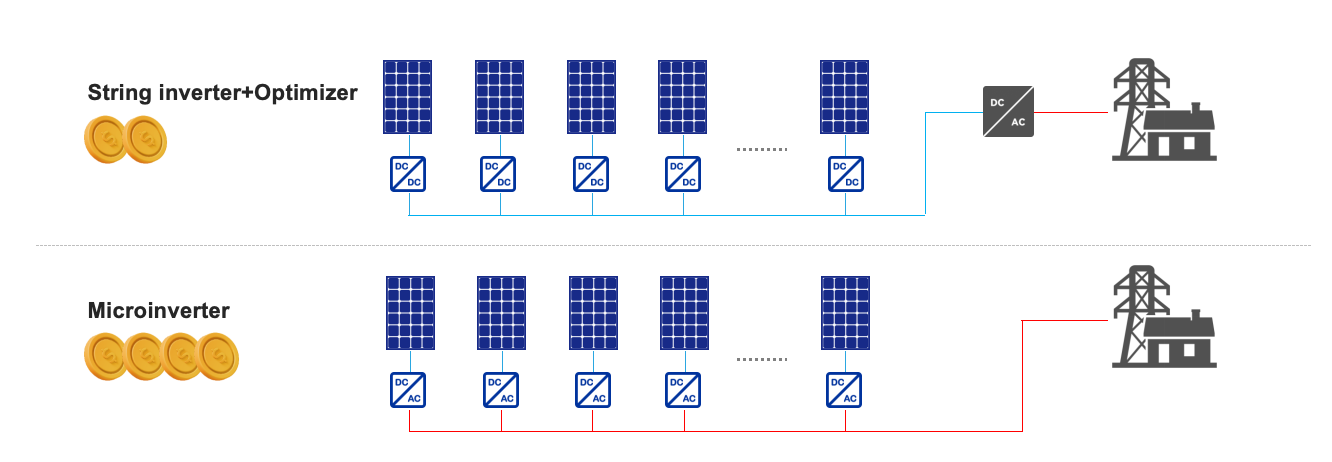
In medium-to-large systems, however, optimizers demonstrate clear cost advantages. For example, in a 36-module project, an AndSolar PV optimizer + string inverter solution can reduce cost per watt by 20%–50% compared to microinverters. As the project scale increases, the cost gap between the two solutions continues to widen. In such scenarios, microinverter-based systems typically require a larger number of AC-side devices during the initial installation phase, along with greater consumption of AC cabling and related materials. This leads to higher installation complexity and increased material costs compared to optimizer-based solutions, creating a more pronounced cost difference as system size grows.
From a long-term O&M perspective, microinverters contain densely packed electronic components, including wear-prone parts such as electrolytic capacitors, which are sensitive to heat and increase failure probability.In terms of warranty, the microinverters offers typically 5 years and the optimizers offer typically 10 years. This difference becomes particularly important in commercial and industrial applications.
Overall, in small-scale system scenarios, the modular design of microinverters allows for more flexible project and system layout during the early-stage design. Optimizers, on the other hand, have fewer potential failure points, lower heat generation, and stronger stability, and they typically come with longer warranty periods. This significantly reduces replacement and maintenance frequency, continuously ensures maximum power generation revenue of the power plant, and delivers clear advantages in long-term O&M cost.
Scenario Adaptation: Matching Appropriate Solutions Based on Demand
Different application scenarios of distributed PV systems have significantly different requirements in terms of system scale, cost structure, and O&M capabilities. Only by selecting MLPE solutions that fit the actual application scenario can a project achieve its expected performance.
The microinverter solution, with its modular and flexible installation characteristics, is typically used in small-scale residential or small commercial projects where rooftop layouts are scattered, installation space is limited, and sensitivity to initial cost is relatively low, while higher O&M complexity is acceptable. Due to differences in cost and return across project scales, its scalability and cost structure in large-scale applications need to be evaluated based on specific conditions.
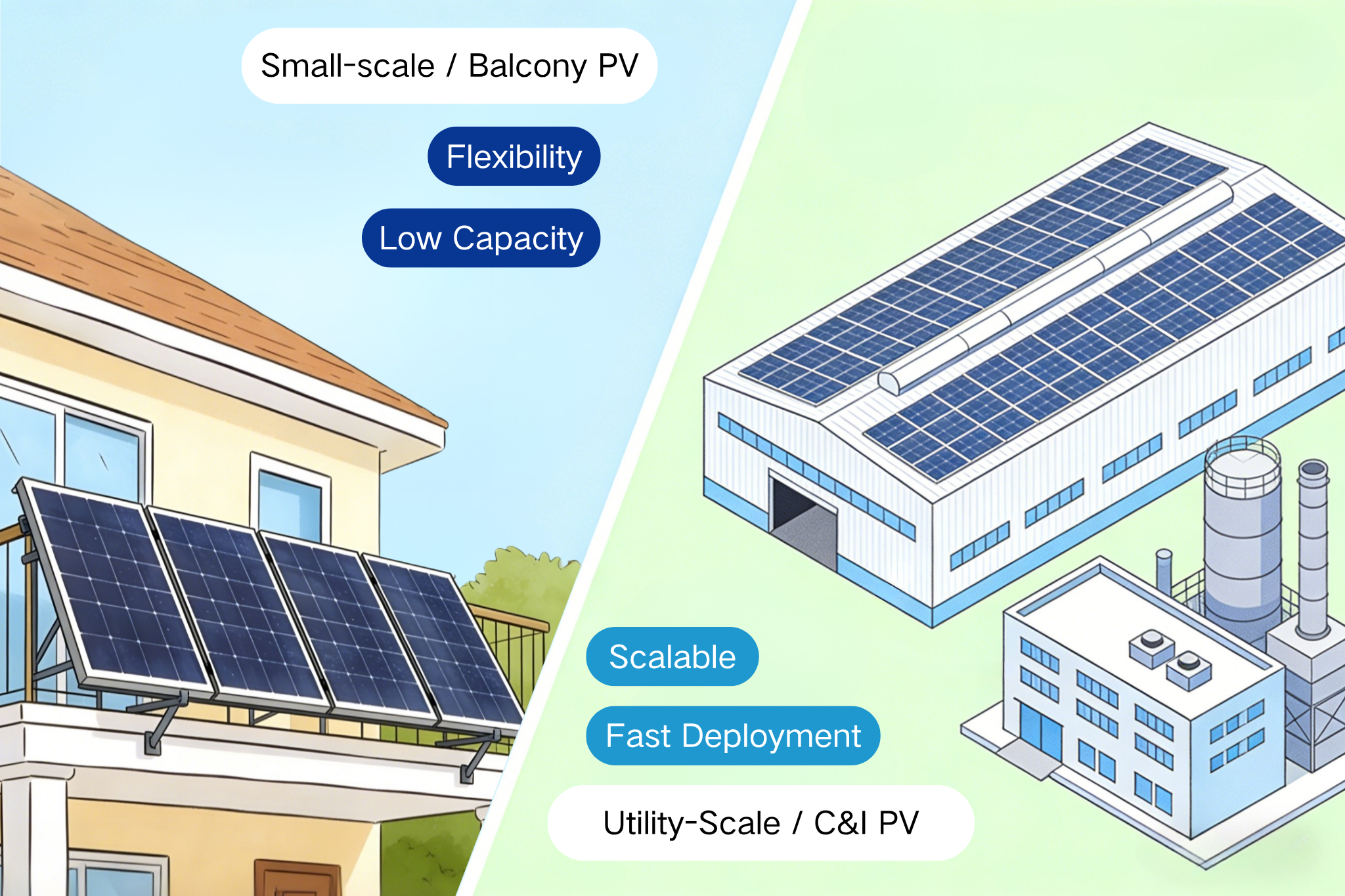
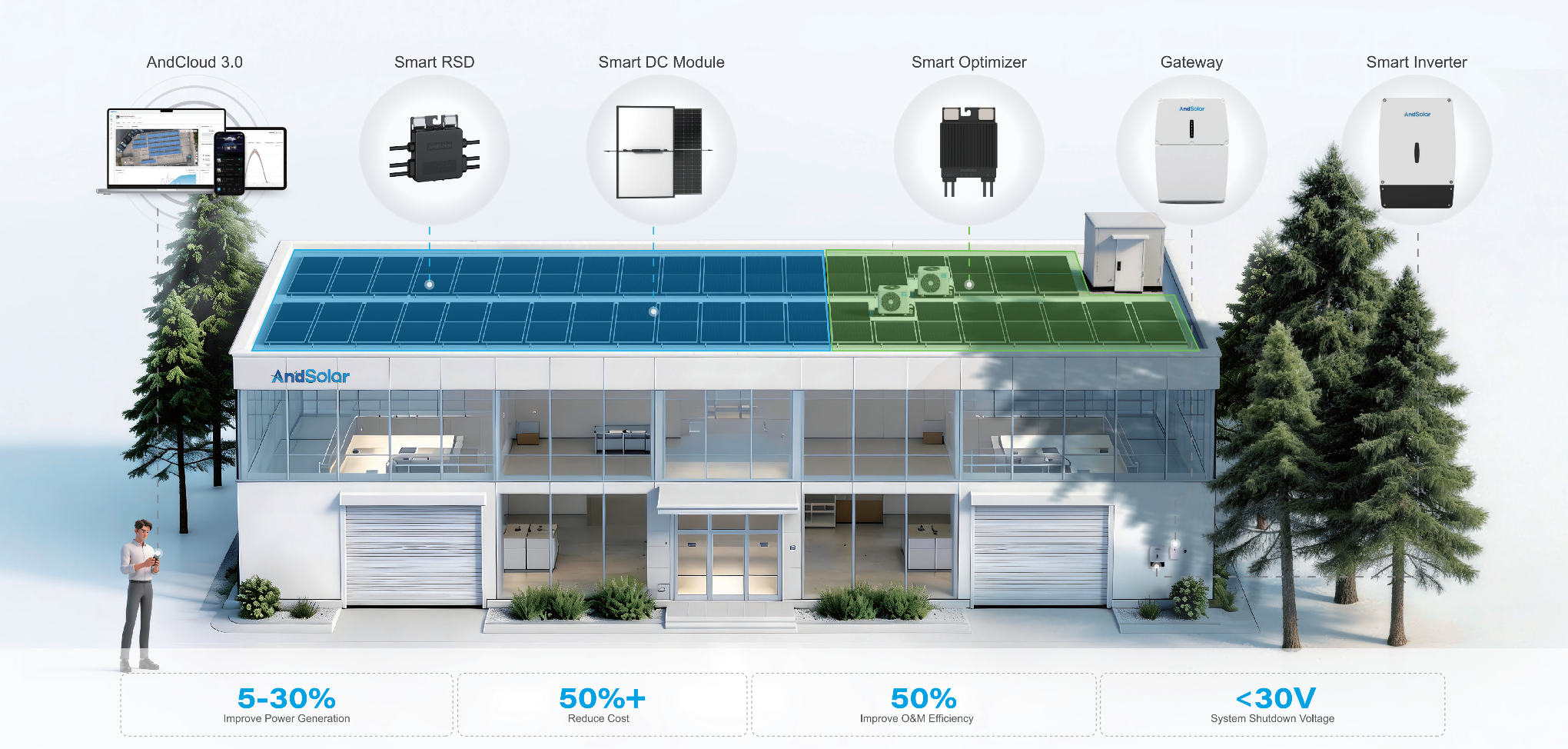
The optimizer solution offers strong adaptability in terms of system architecture and engineering compatibility. It can be applied in a wide range of scenarios, including residential, small and medium commercial projects, as well as large-scale rooftop power plants such as factories and industrial parks. In addition, it can also be used in retrofit projects for aging power plants. Taking the AndSolar smart optimizer as an example, it enables the introduction of module-level optimization, monitoring, and rapid shutdown capabilities without major reconstruction of the existing system, while retaining the original inverter and system architecture of the old power plant. This allows for improved power generation and enhanced system safety while effectively controlling retrofit costs.
Installation and Scalability: Adaptability to Different System Scales
Optimizers are typically installed on module frames or mounting structures. DC cables are routed through the optimizers and aggregated into a string inverter. This process closely follows traditional string system installation, requiring minimal additional materials. Commissioning can be performed at ground level, reducing rooftop risks and allowing for easier future expansion.
Microinverters are also installed on the module frame or mounting structure. Their systems typically require a relatively dense AC-side wiring network to be laid across the rooftop, where the AC outputs of each microinverter are connected in parallel and aggregated. As a result, the number of AC connection points increases accordingly, and the wiring architecture becomes more complex. This wiring characteristic becomes more pronounced as the system scale expands, and the project correspondingly requires more auxiliary materials such as AC cables and trunk connectors. In addition, a large number of AC plug-in or terminal connections must be completed on the rooftop, which places higher demands on construction organization and installation consistency. Greater attention is also required during later-stage O&M and fault localization processes.
Overall, optimizer-based solutions are very similar to traditional PV systems in terms of installation workflow and construction organization, making them well-suited for large-scale and rapid deployment. In contrast, microinverter systems feature a distributed AC wiring structure, which is better suited for flexible deployment, but also places higher requirements on construction quality control and long-term O&M capabilities.
Conversion Efficiency: Stability and Long-Term Performance
Both optimizer-based solutions and microinverter solutions can mitigate the impact of string mismatch at the module level. This advantage is particularly evident in complex rooftop scenarios with shading or inconsistent module orientations. Microinverters perform DC-to-AC conversion directly at the module level, with a complete inverter unit integrated behind each module. This results in a high concentration of power components operating continuously in the high-temperature environment at the back of the module. Due to limitations in component layout and heat dissipation, their peak conversion efficiency is typically around 97%, which also places higher demands on system thermal management and long-term reliability.
In contrast, optimizer-based solutions centralize the high-power, high thermal-density inversion process within the string inverter. Taking AndSolar smart optimizers as an example, the module-level peak conversion efficiency can reach up to 99.6%, while the overall system benefits from the high efficiency of the centralized string inverter. Thanks to extremely low power losses, optimizers generate negligible heat at the module level, thereby minimizing the impact on module performance and long-term reliability.
From a long-term operational perspective, stable, predictable, and sustainable system efficiency is often a more valuable core metric in distributed PV project investment decisions.
Energy Storage Compatibility: A Comparison of Two Solutions
As energy storage becomes more integrated into distributed PV systems, the focus shifts toward overall energy coordination.
Optimizer solutions paired with DC-coupled storage allow power optimization at the module level before centralized inversion. This reduces multiple conversion steps and minimizes losses associated with DC/AC/DC conversions.
In a system architecture combining microinverters with AC-coupled energy storage, the power generated by PV modules is first converted from DC to AC by the microinverters and fed into the AC side, then rectified back into DC for storage, resulting in multi-stage energy conversion that introduces additional losses and affects the coordination between PV and storage; as energy storage penetration continues to rise, the overall system efficiency and long-term energy yield of this architecture require careful consideration.
Returning to the Long-Term Value of Distributed PV
The essence of distributed photovoltaic systems has never been about adopting “conceptually newer” technological solutions, but rather about building an energy system that can operate stably and reliably in real-world conditions over the long term. As system scale expands, operational lifespans extend, and energy storage gradually becomes a standard configuration, the evaluation criteria for module-level solutions are shifting from “whether the function exists” to “whether it delivers long-term controllability and sustainable yield.”
As power plants grow in scale and their operating cycles become longer, module-level monitoring, management, and optimization are evolving from “value-added features” into “fundamental capabilities.” Against this backdrop, the AndSolar smart optimizer solution, with its excellent safety and communication capabilities, provides centralized management through a dedicated gateway (with each communication gateway capable of connecting up to 600 modules), offering a more reliable solution for distributed systems.
If you are planning a new distributed PV project or considering upgrading an existing power plant, feel free to contact AndSolar to learn more about our solutions!

AndSolar Technology is a tech-company engaged in photovoltaic module-level power electronics (MLPE) and distributed photovoltaic smart energy overall solutions.