RSD For C&I Projects
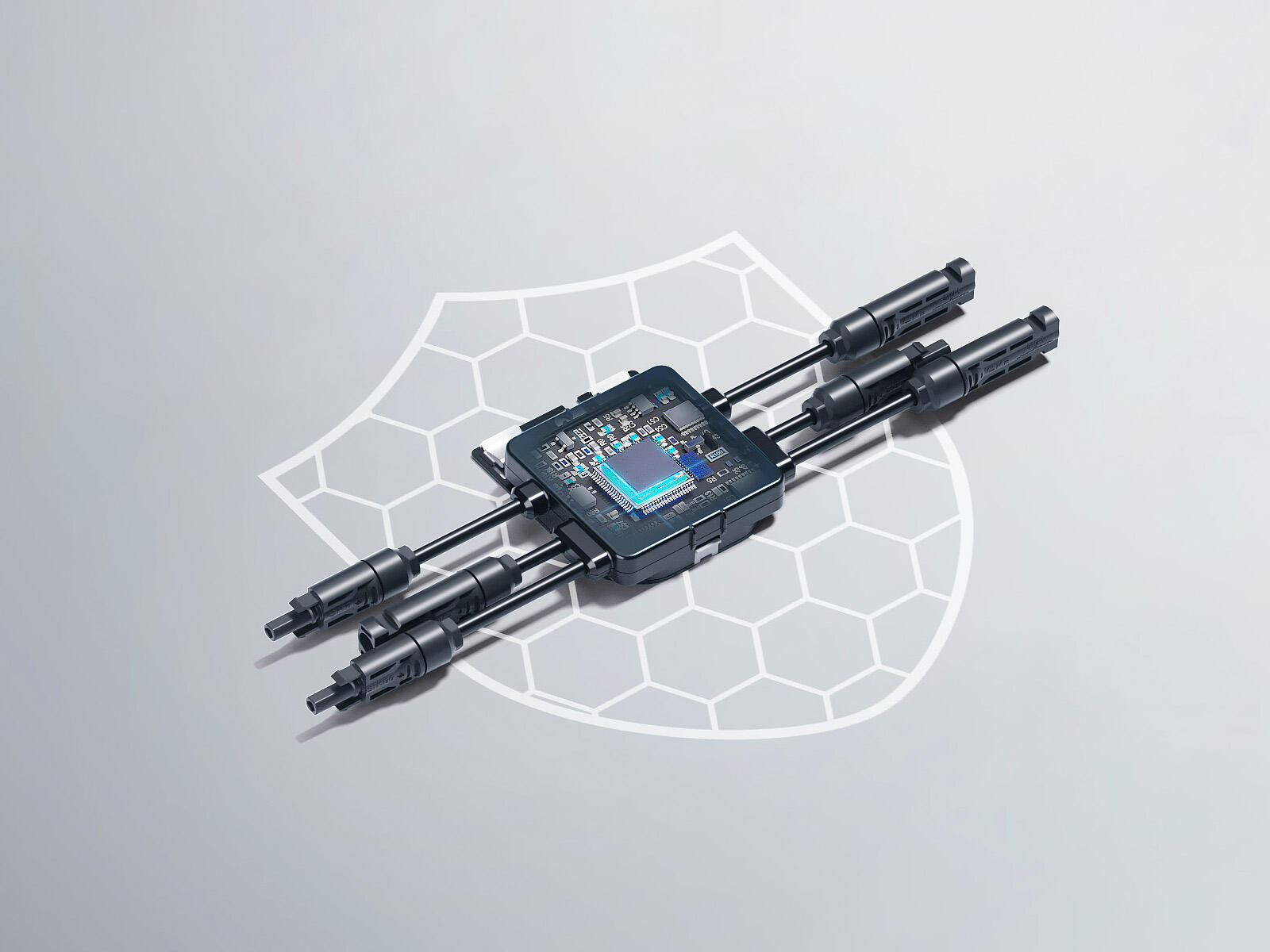
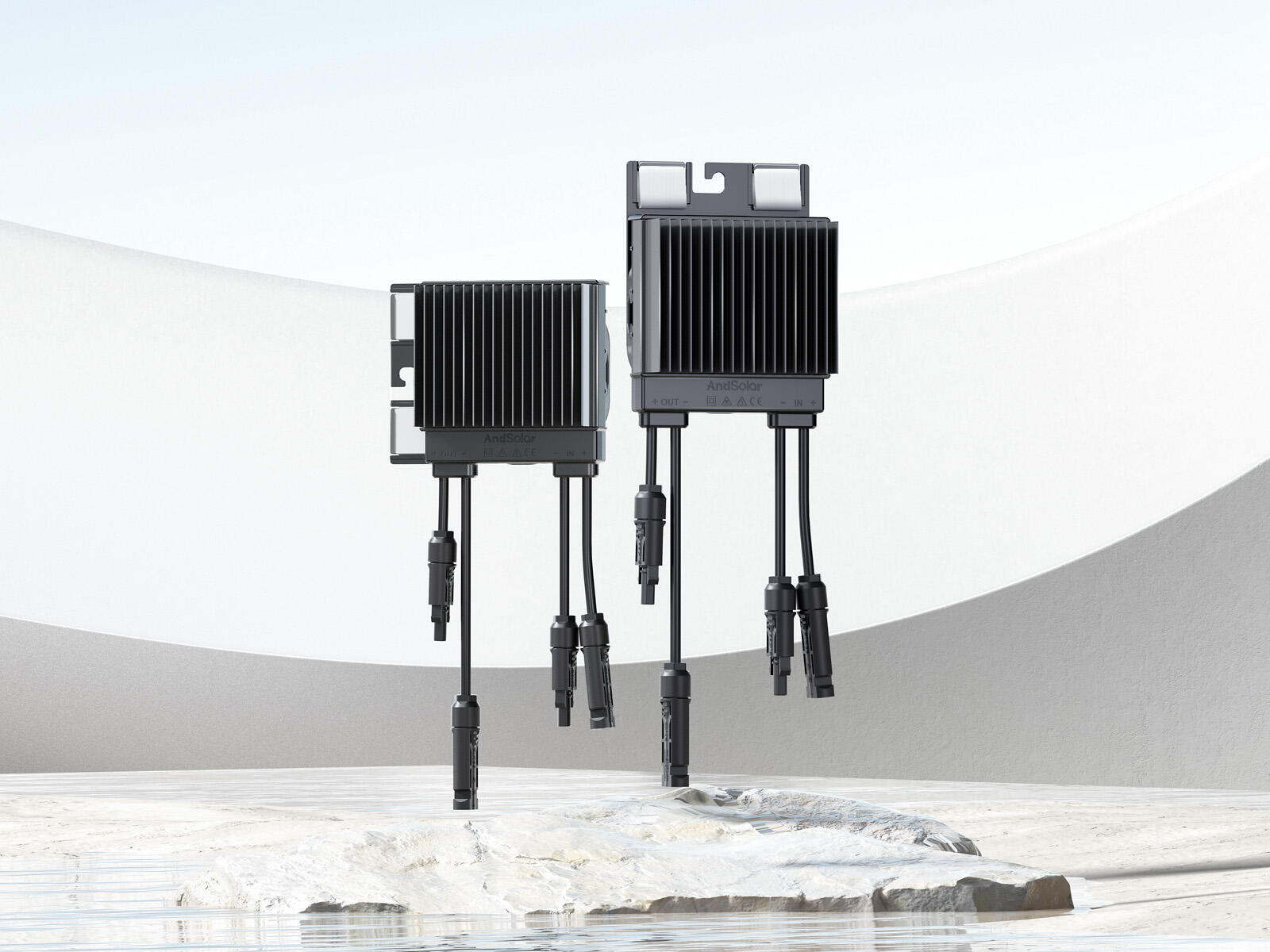
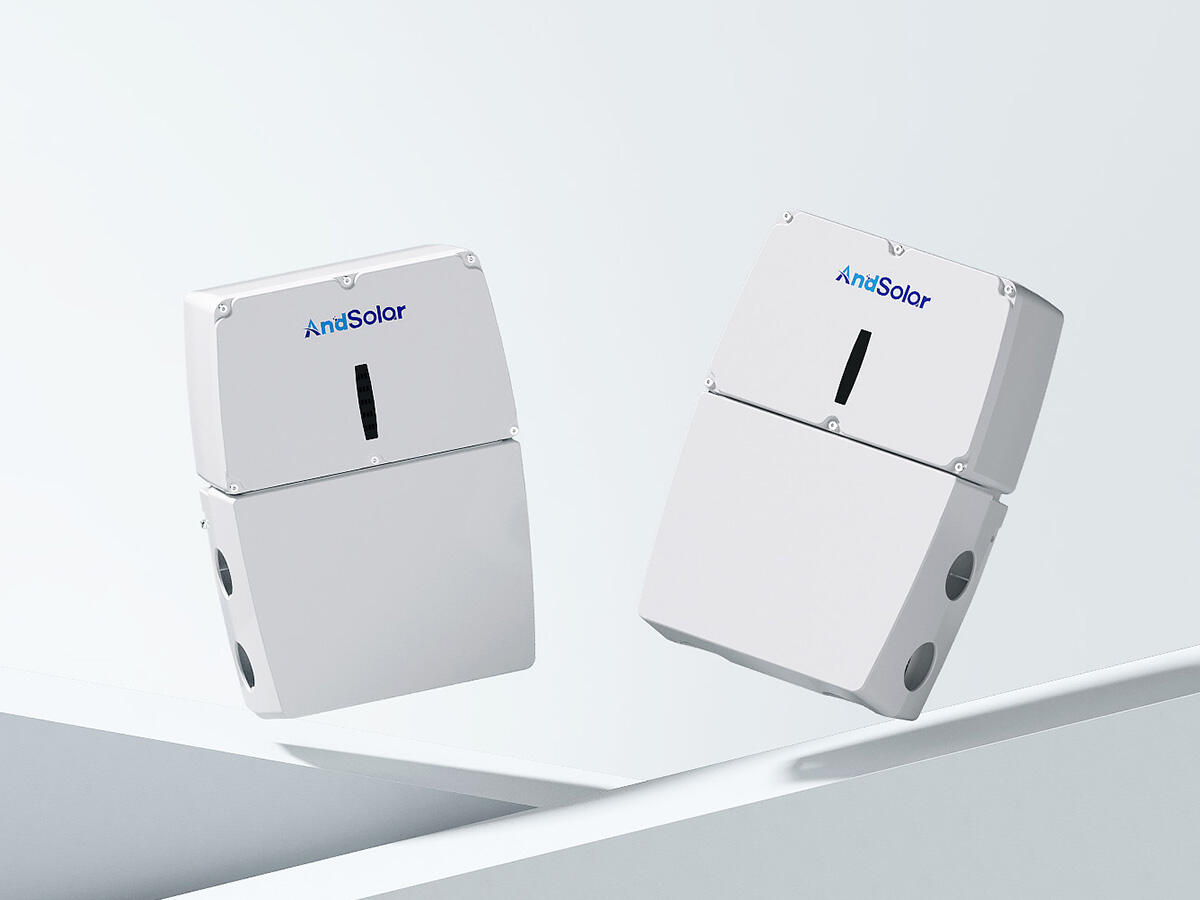
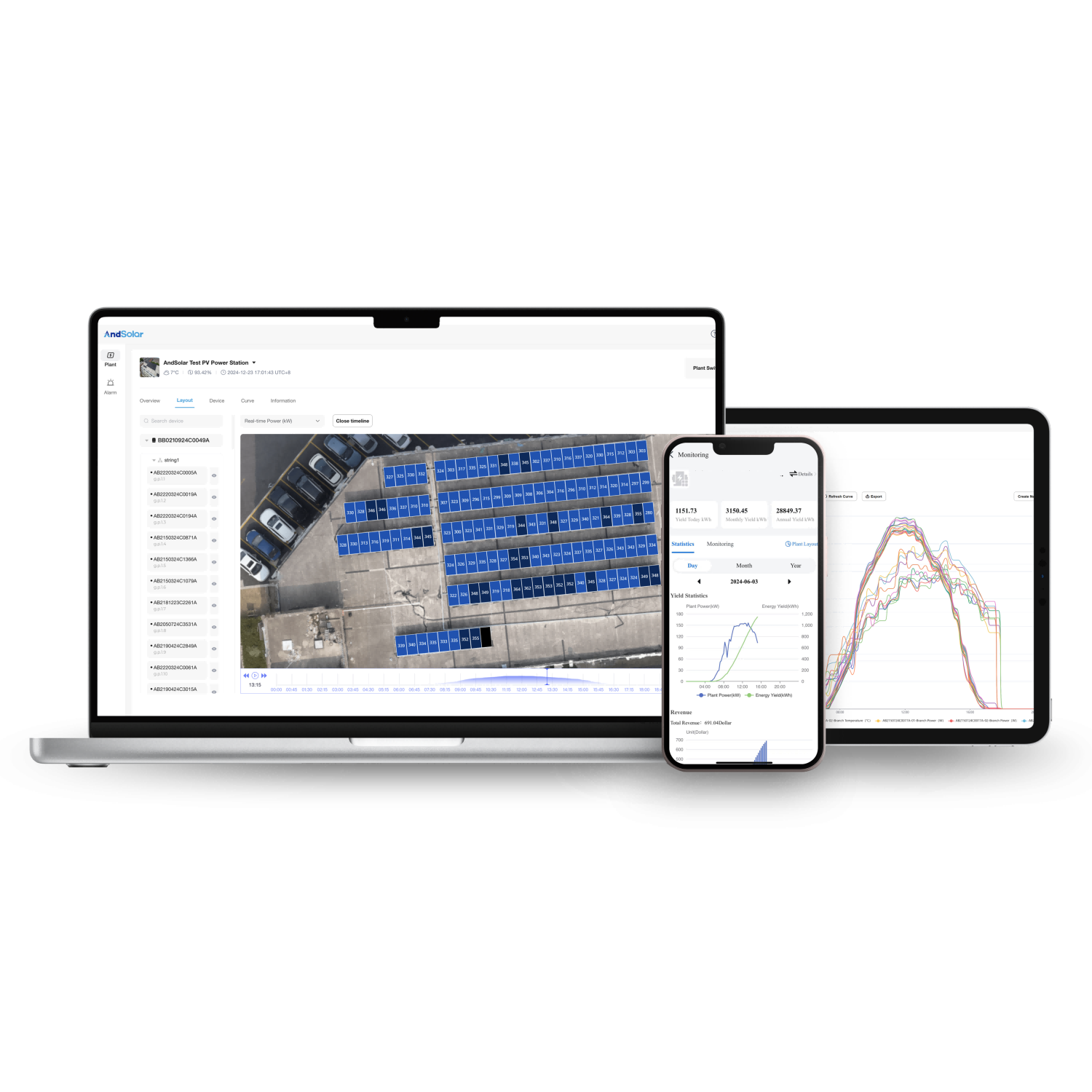
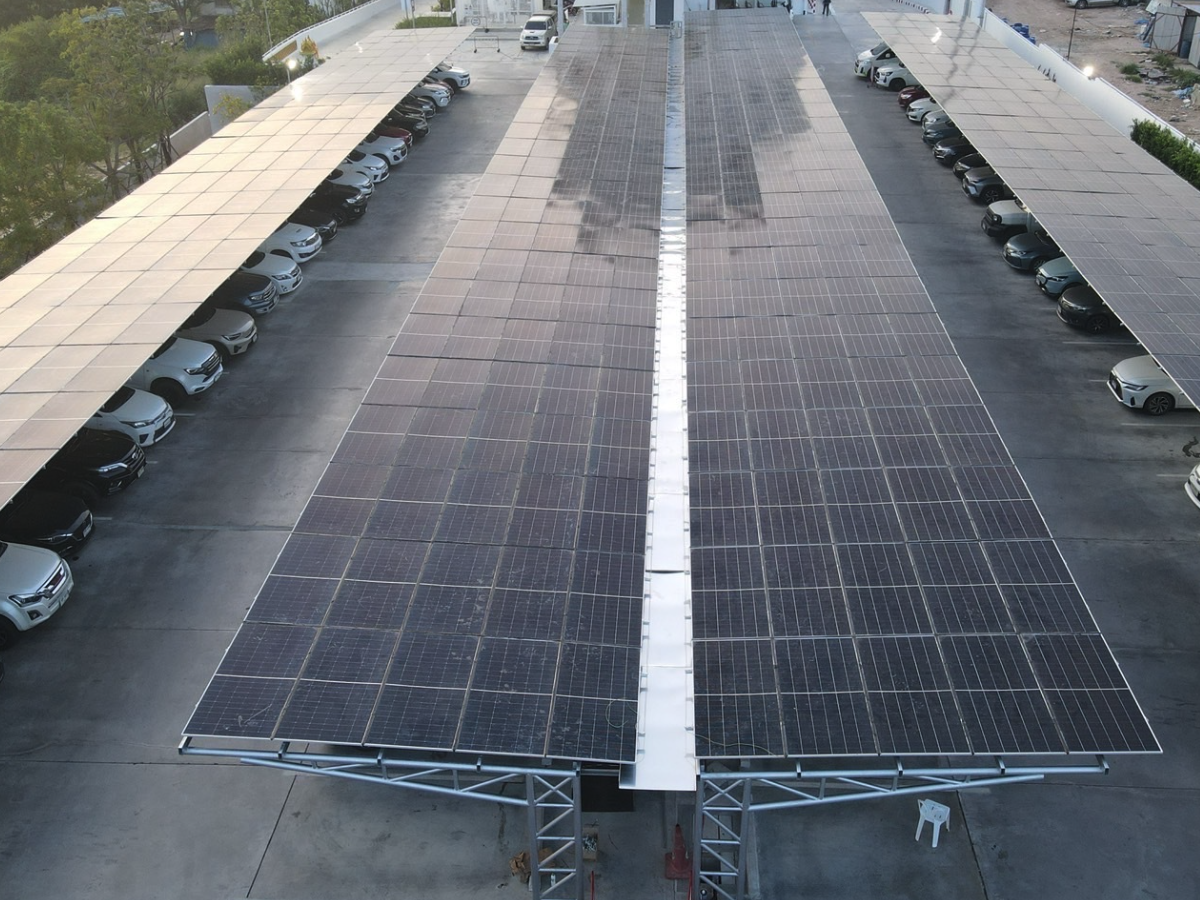
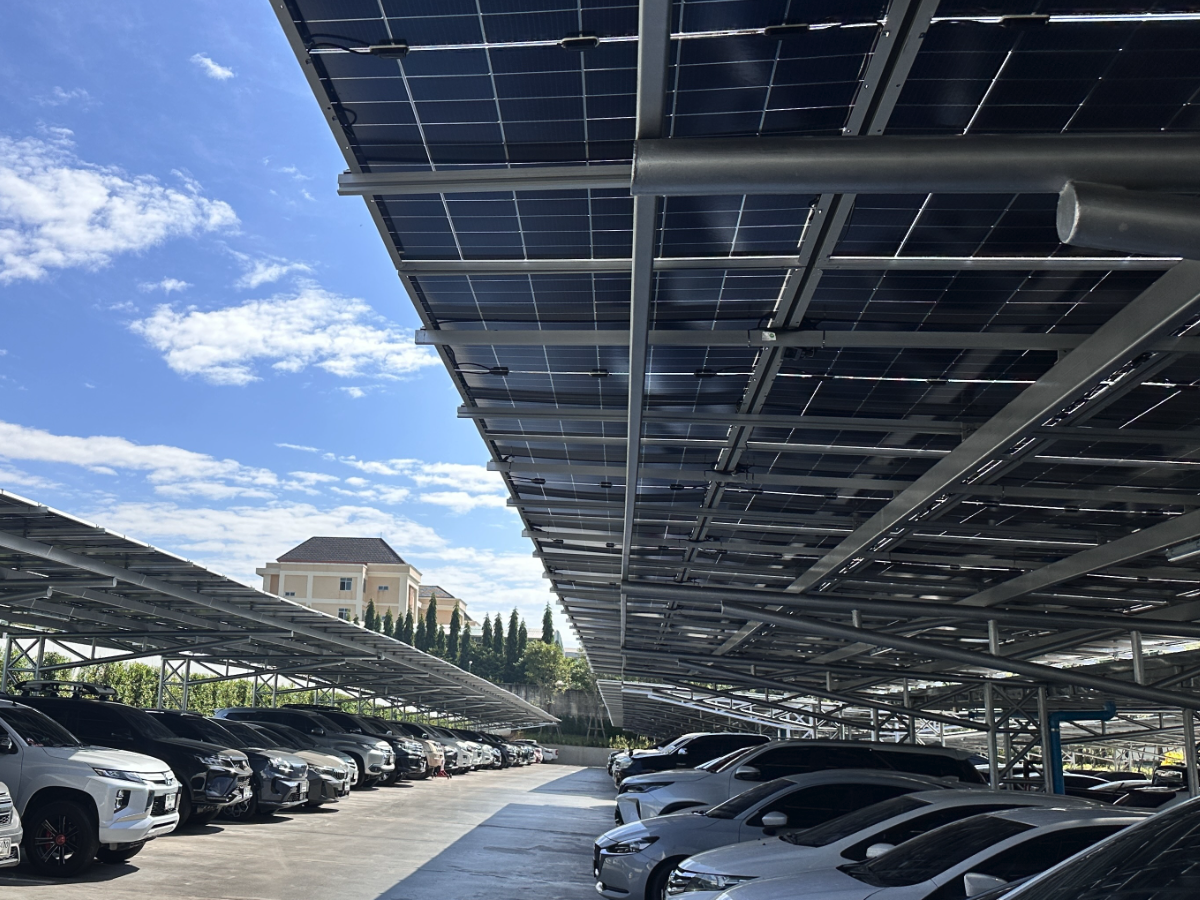
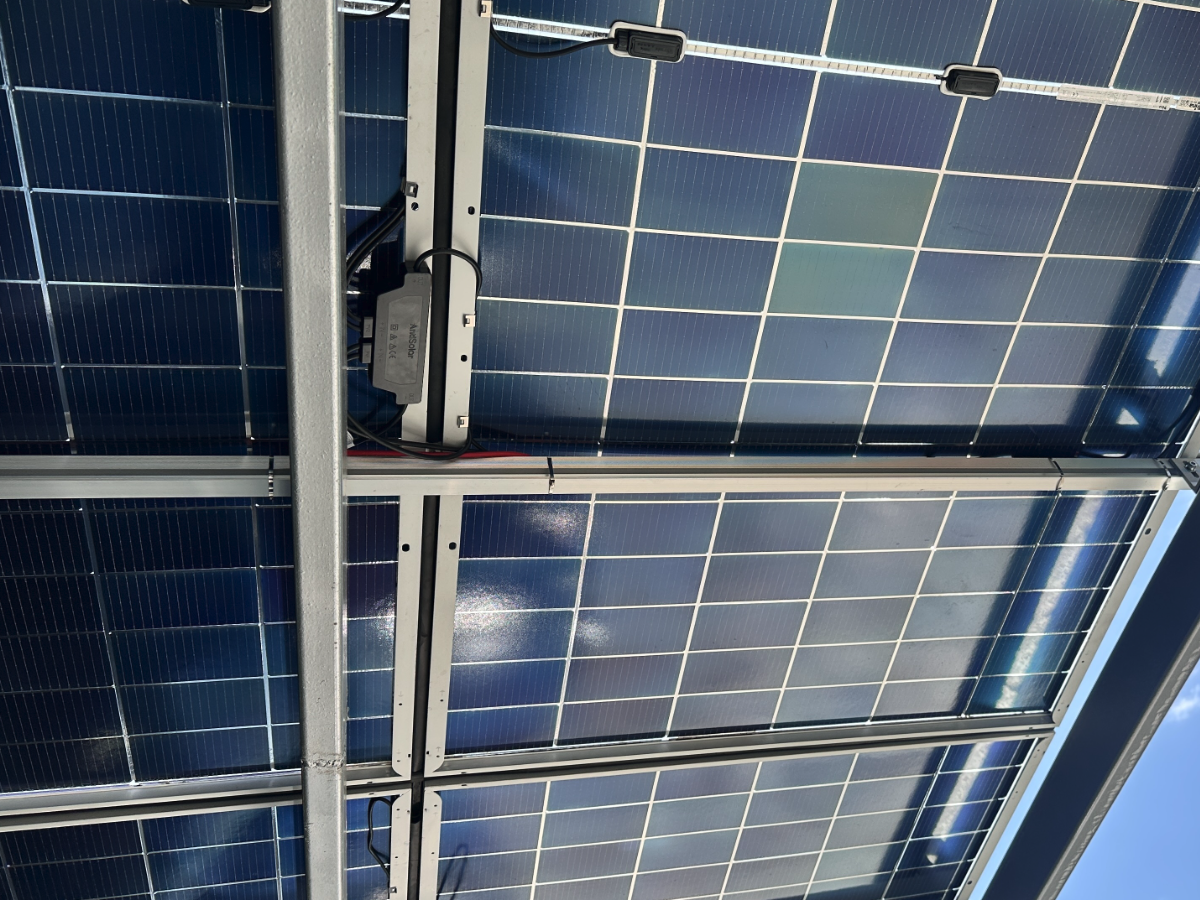
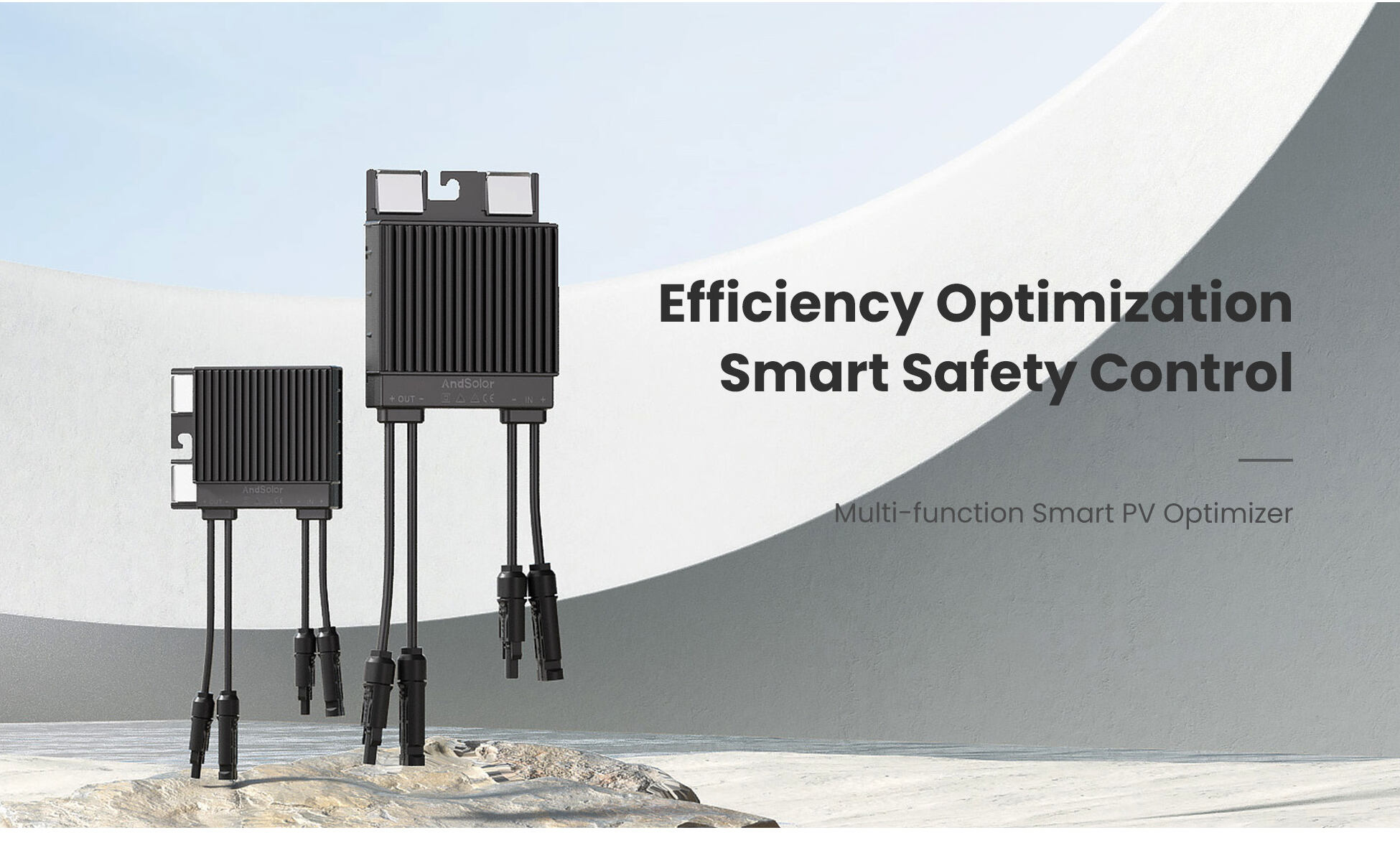
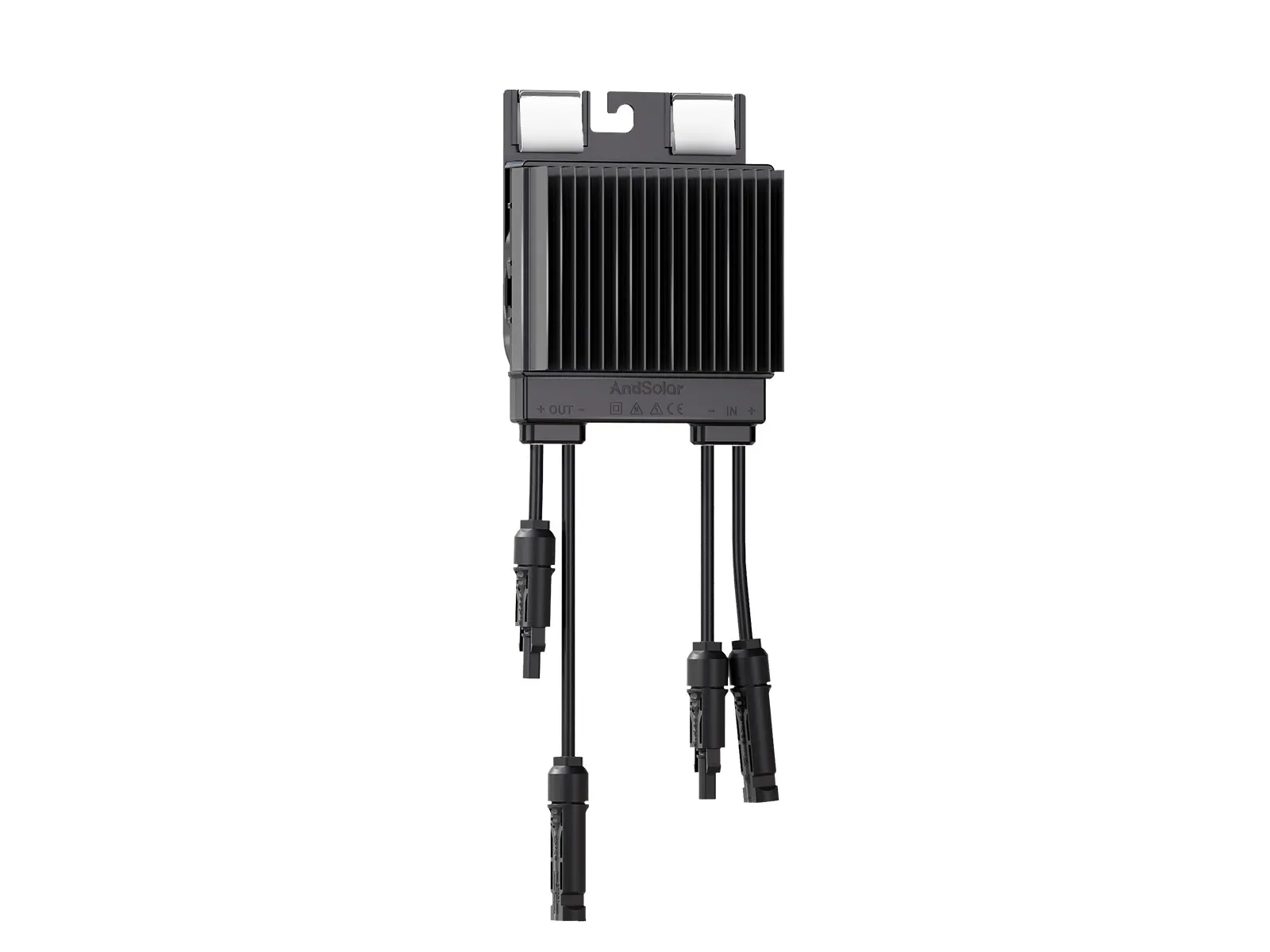
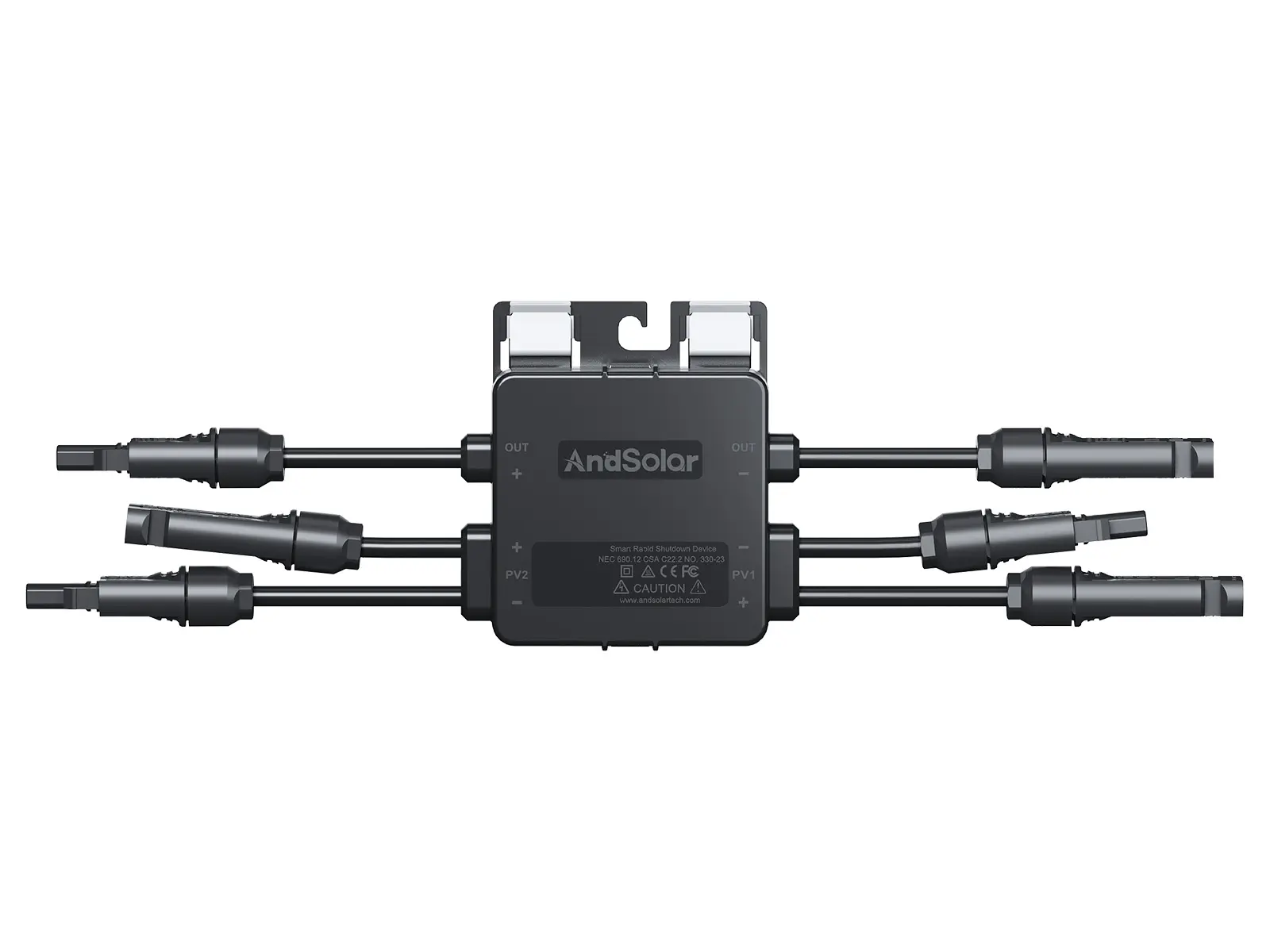
The Rapid Shutdown Device (RSD) for Commercial and Industrial (C&I) projects represents a critical safety component in modern photovoltaic systems, designed to enhance operational security and regulatory compliance. This sophisticated technology serves as an essential protective mechanism that enables swift deactivation of solar panel arrays during emergency situations, maintenance procedures, or system malfunctions. The RSD for C&I projects incorporates advanced electronic circuitry and intelligent monitoring capabilities to ensure immediate response when shutdown protocols are initiated. Commercial and industrial solar installations require robust safety measures due to their substantial scale and complex infrastructure, making the RSD for C&I projects an indispensable component for facility managers and operators. The primary function of these devices centers on reducing DC voltage levels to safe thresholds within seconds of activation, effectively minimizing electrical hazards for maintenance personnel and emergency responders. Modern RSD for C&I projects feature wireless communication protocols, enabling remote monitoring and control through centralized management systems. These devices integrate seamlessly with existing building management systems, providing real-time status updates and diagnostic information. The technological architecture incorporates fail-safe mechanisms that ensure reliable operation even during adverse weather conditions or system stress scenarios. Installation flexibility allows the RSD for C&I projects to accommodate various mounting configurations and panel layouts commonly found in commercial rooftops and industrial facilities. The devices utilize solid-state switching technology, eliminating mechanical wear components and extending operational lifespan significantly. Power line communication capabilities enable the RSD for C&I projects to transmit control signals through existing DC wiring infrastructure, reducing installation complexity and associated costs. Advanced models incorporate predictive analytics and machine learning algorithms to optimize shutdown sequences based on system conditions and historical performance data.