Industrial Solar Rapid Shutdown Systems - Advanced Safety Solutions for Commercial Solar Installations

  • 8F, Block B, Building 1, 286 Qinglonggang Road, Suzhou City, Jiangsu Province, P. R. China
  • [email protected]
AndSolar Cloud

industrial solar rapid shutdown project

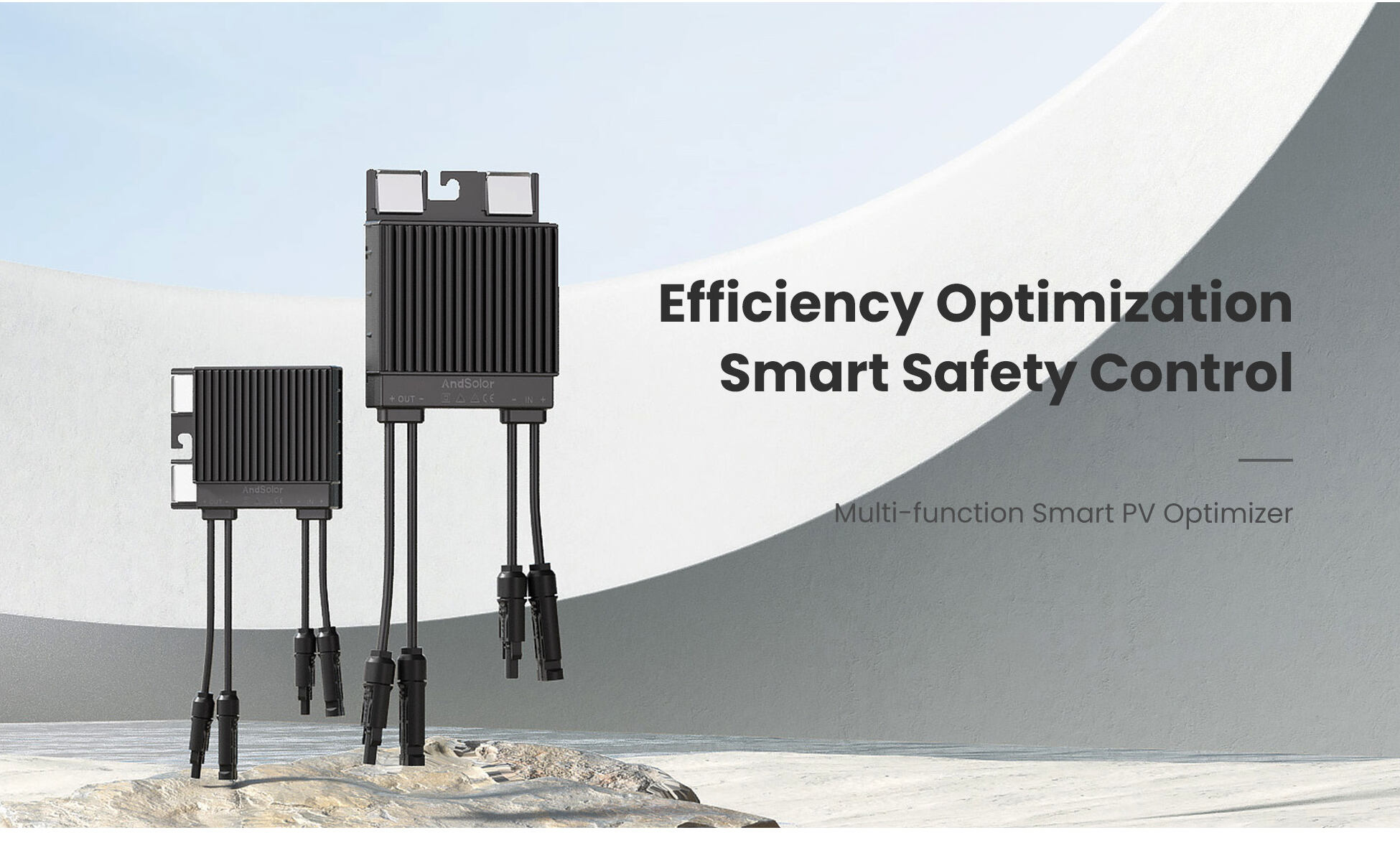
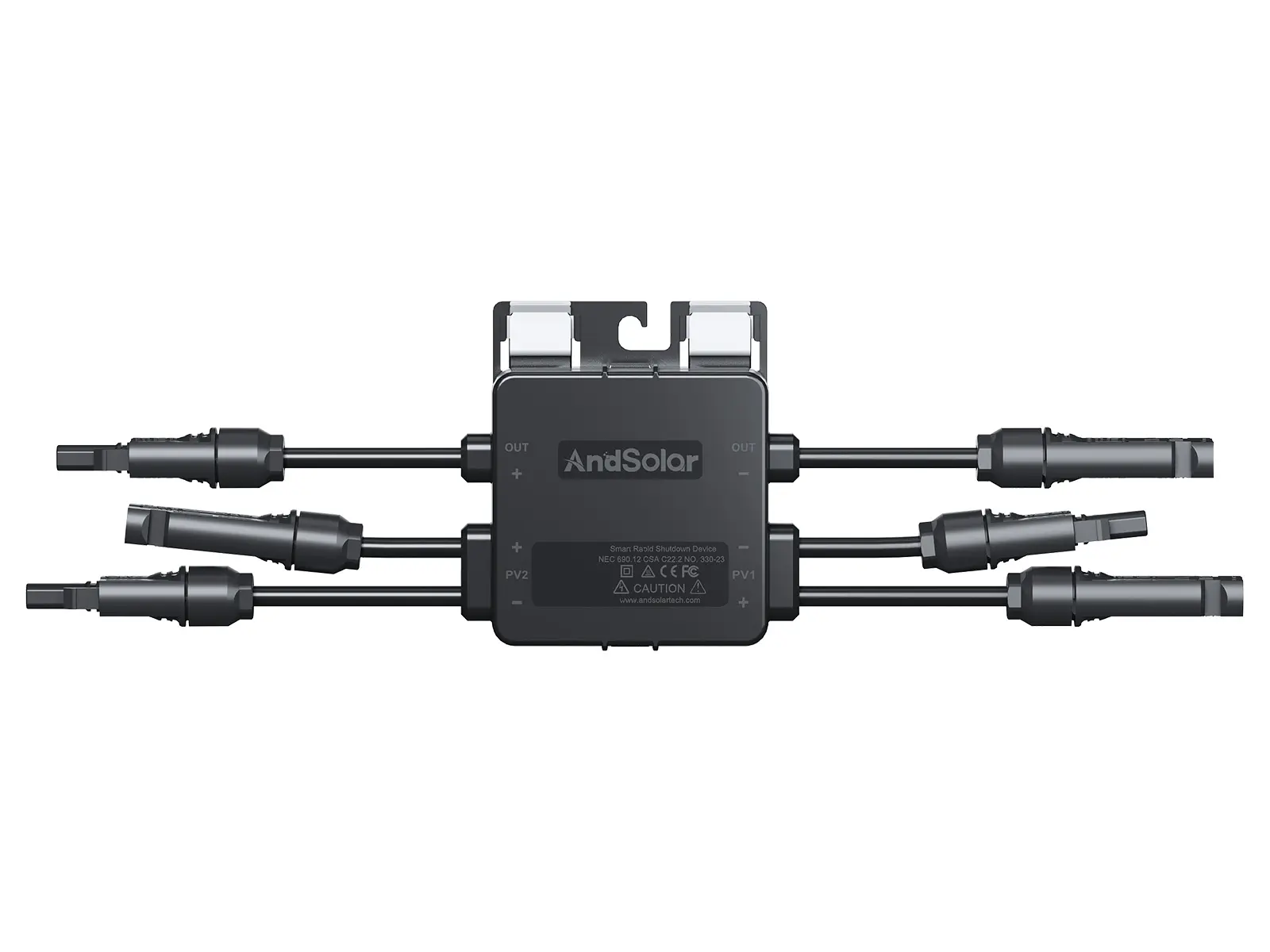
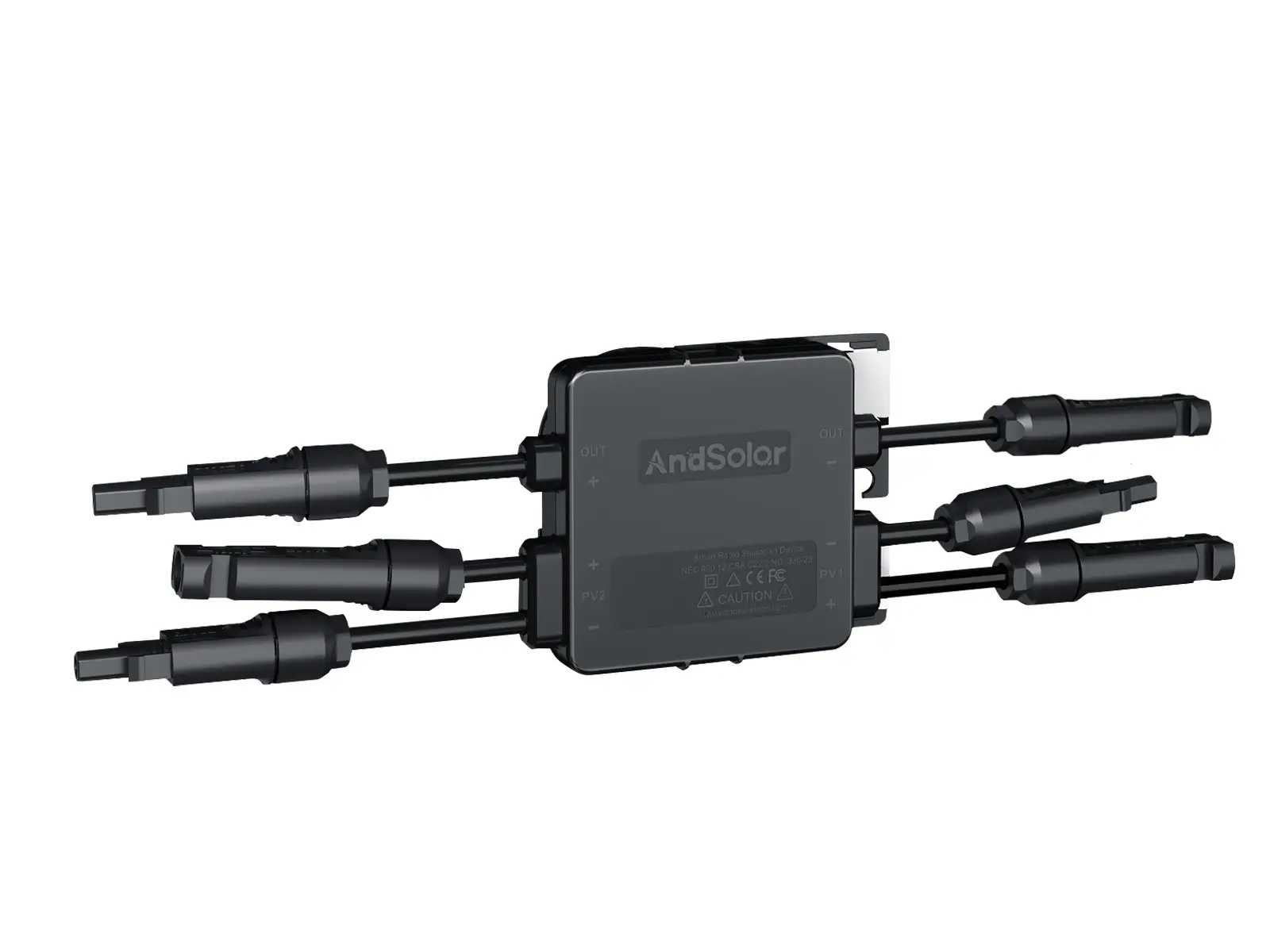
The industrial solar rapid shutdown project represents a cutting-edge safety solution designed to protect personnel and equipment in commercial and utility-scale photovoltaic installations. This comprehensive system addresses critical safety requirements by providing immediate power disconnection capabilities when emergency situations arise. The industrial solar rapid shutdown project incorporates advanced monitoring technology that continuously tracks system performance while maintaining compliance with National Electrical Code standards and local safety regulations. At its core, this project delivers automated shutdown functionality that activates within seconds of detecting hazardous conditions, equipment malfunctions, or receiving manual shutdown commands. The system architecture includes intelligent module-level power electronics that communicate through robust wireless protocols, ensuring reliable operation even in challenging industrial environments. Each component within the industrial solar rapid shutdown project features weatherproof construction rated for extreme temperature variations and environmental stresses commonly encountered in commercial installations. The technological framework supports scalable deployment across facilities ranging from mid-sized manufacturing plants to large-scale solar farms spanning hundreds of acres. Integration capabilities allow seamless connection with existing building management systems and emergency response protocols. The project encompasses comprehensive monitoring dashboards that provide real-time visibility into system status, individual module performance, and safety parameter compliance. Remote diagnostic capabilities enable proactive maintenance scheduling and rapid troubleshooting without requiring on-site personnel access during potentially dangerous conditions. The industrial solar rapid shutdown project supports multiple communication protocols including wireless mesh networks and hardwired connections to ensure redundant safety pathways. Installation procedures are streamlined through modular components and standardized mounting systems that reduce deployment time while maintaining consistent safety standards. The system automatically generates detailed compliance reports for regulatory inspections and insurance requirements, simplifying administrative overhead for facility operators.
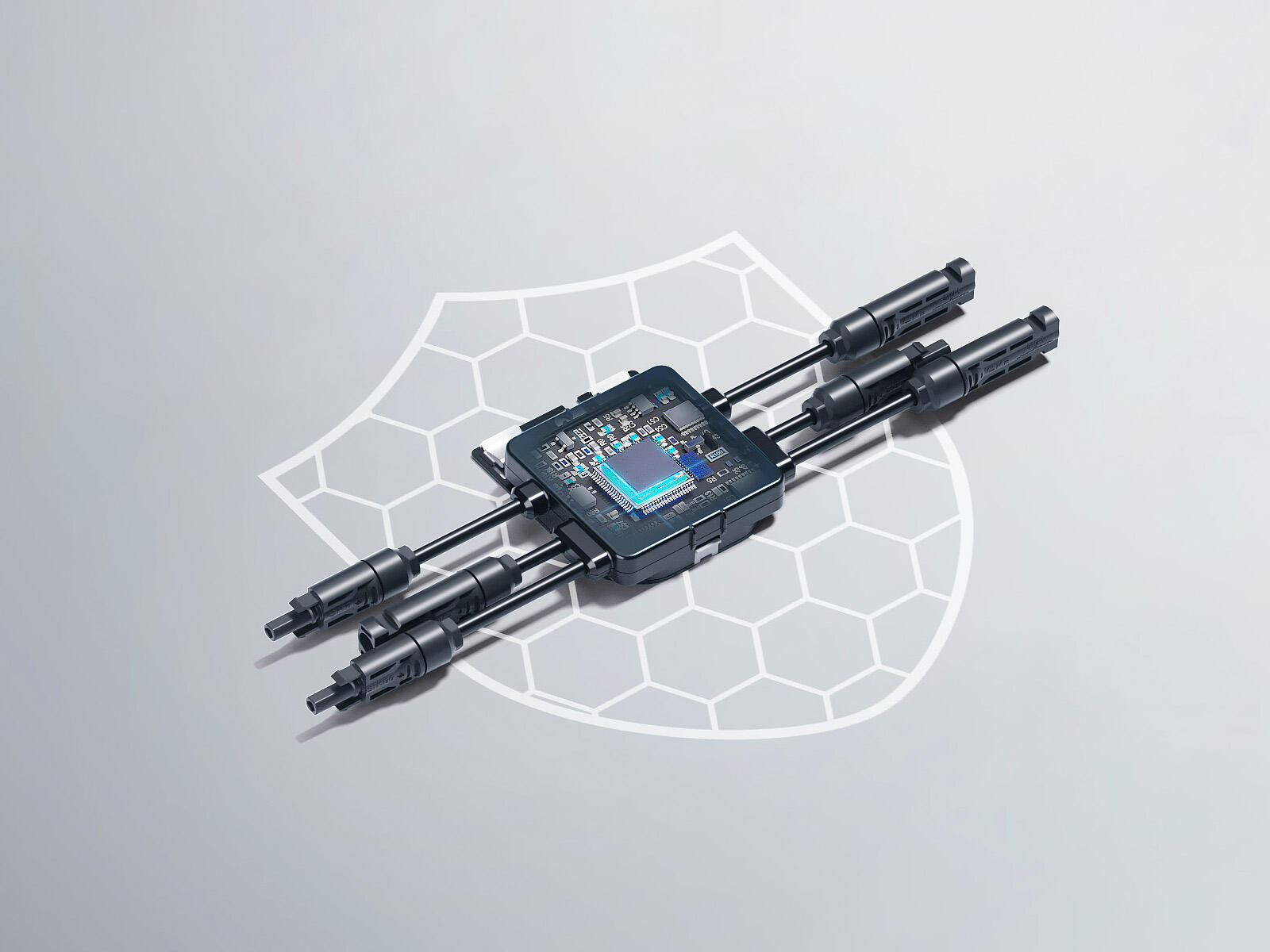
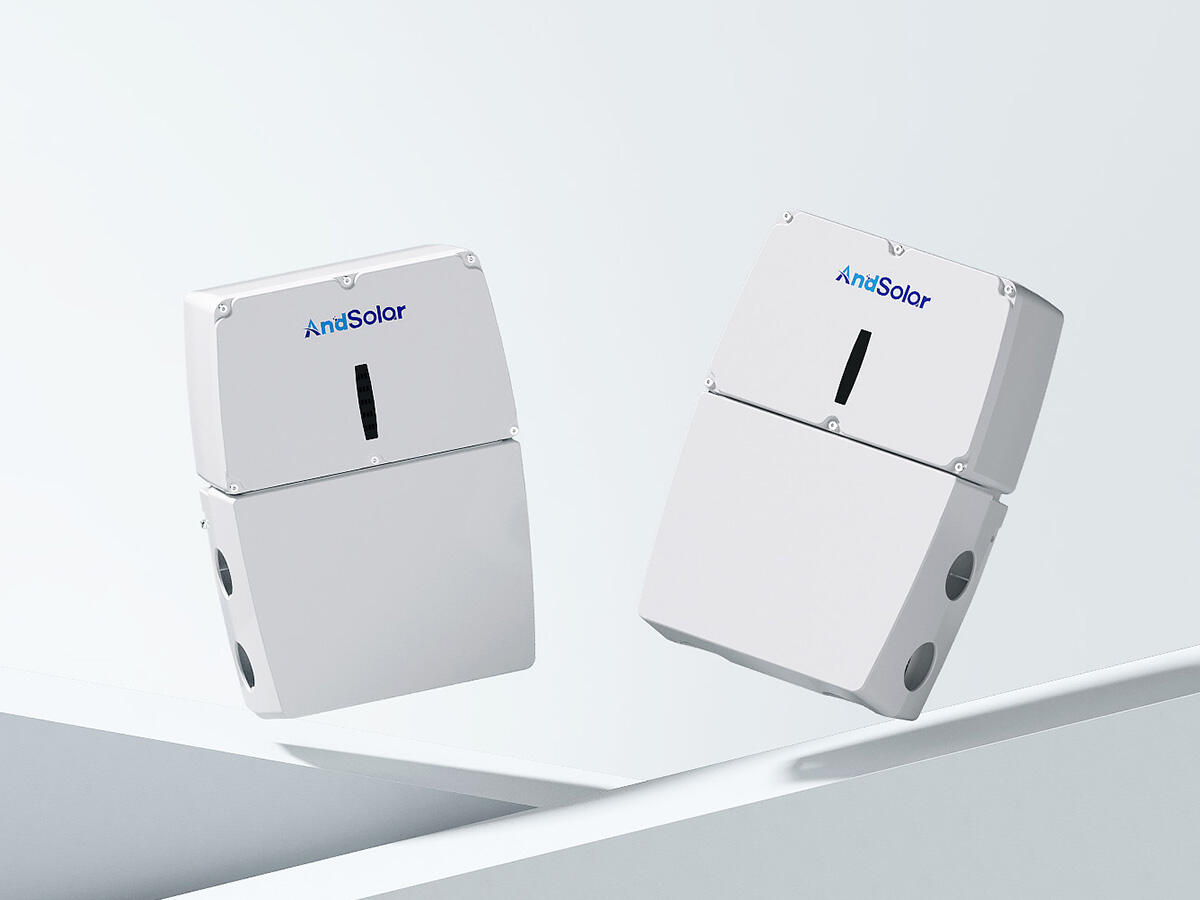
The industrial solar rapid shutdown project delivers substantial operational benefits that directly impact safety protocols and cost management for commercial solar installations. First responders gain immediate confidence knowing that electrical hazards can be eliminated within 30 seconds of activation, creating safer working conditions during emergency responses, maintenance procedures, and routine inspections. This rapid response capability significantly reduces liability exposure for facility owners while demonstrating commitment to worker safety standards. The project eliminates the need for manual breaker switching during emergencies, removing human error risks and providing consistent shutdown performance regardless of personnel availability or training levels. Operational costs decrease through reduced insurance premiums as carriers recognize enhanced safety measures, while maintenance expenses drop due to predictive monitoring capabilities that identify potential issues before they become costly failures. The industrial solar rapid shutdown project enables continued operation during partial system maintenance, maximizing energy production uptime and revenue generation. Remote monitoring capabilities reduce the frequency of on-site inspections, lowering labor costs and minimizing disruption to facility operations. Energy yield optimization features automatically adjust individual module performance parameters to maximize overall system efficiency, directly increasing return on investment calculations. The system provides detailed performance analytics that help facility managers identify underperforming sections and schedule targeted maintenance activities during optimal weather windows. Compliance management becomes automated through continuous monitoring and reporting features that eliminate manual documentation requirements while ensuring adherence to evolving safety standards. The industrial solar rapid shutdown project supports future system expansions without requiring complete infrastructure overhauls, protecting capital investments and enabling scalable growth strategies. Integration with existing facility management systems creates unified operational dashboards that streamline oversight responsibilities and reduce staffing requirements. The project delivers measurable improvements in system reliability through proactive fault detection and isolation capabilities that prevent minor issues from cascading into major equipment failures. Overall facility safety ratings improve significantly, supporting corporate sustainability goals while enhancing property values and marketability for future transactions.

Popular Products

Advanced Module-Level Safety Control Technology

Advanced Module-Level Safety Control Technology

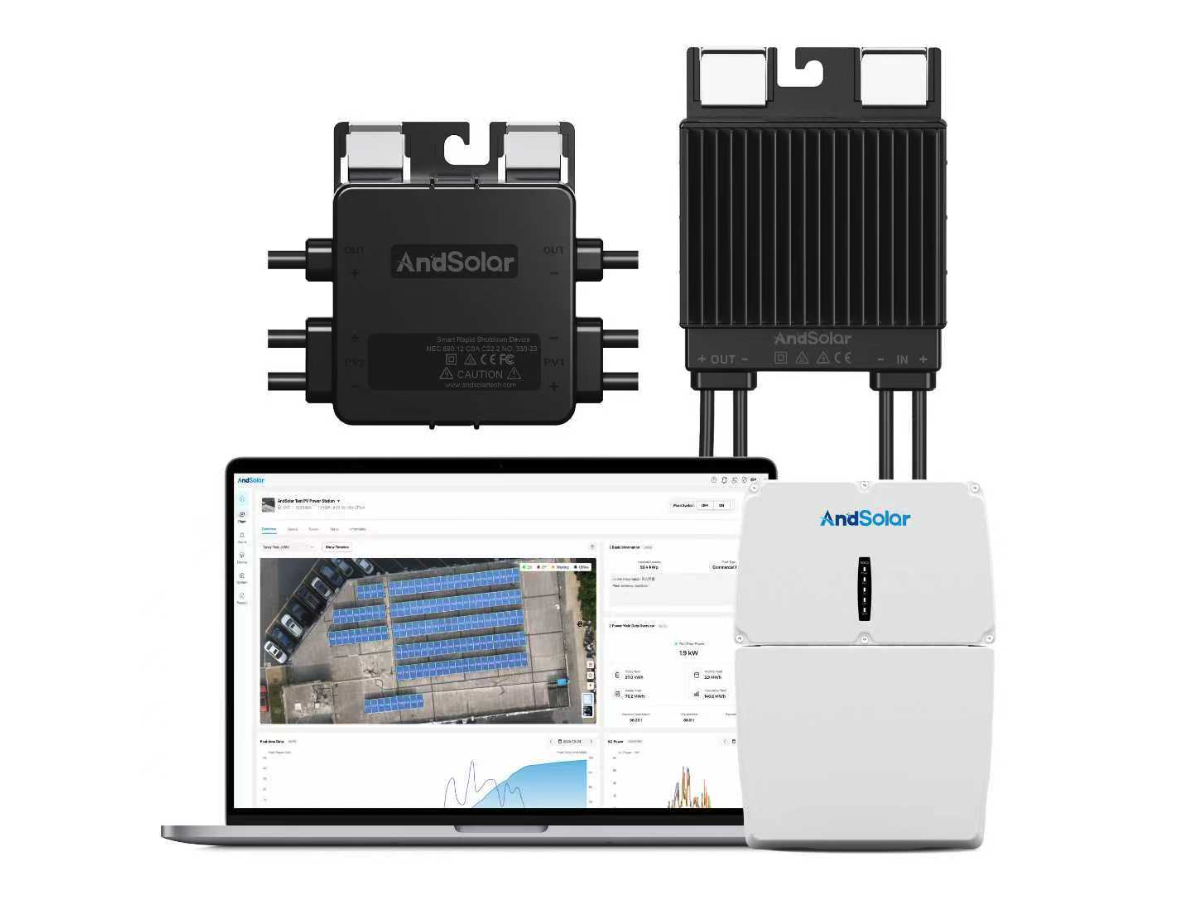
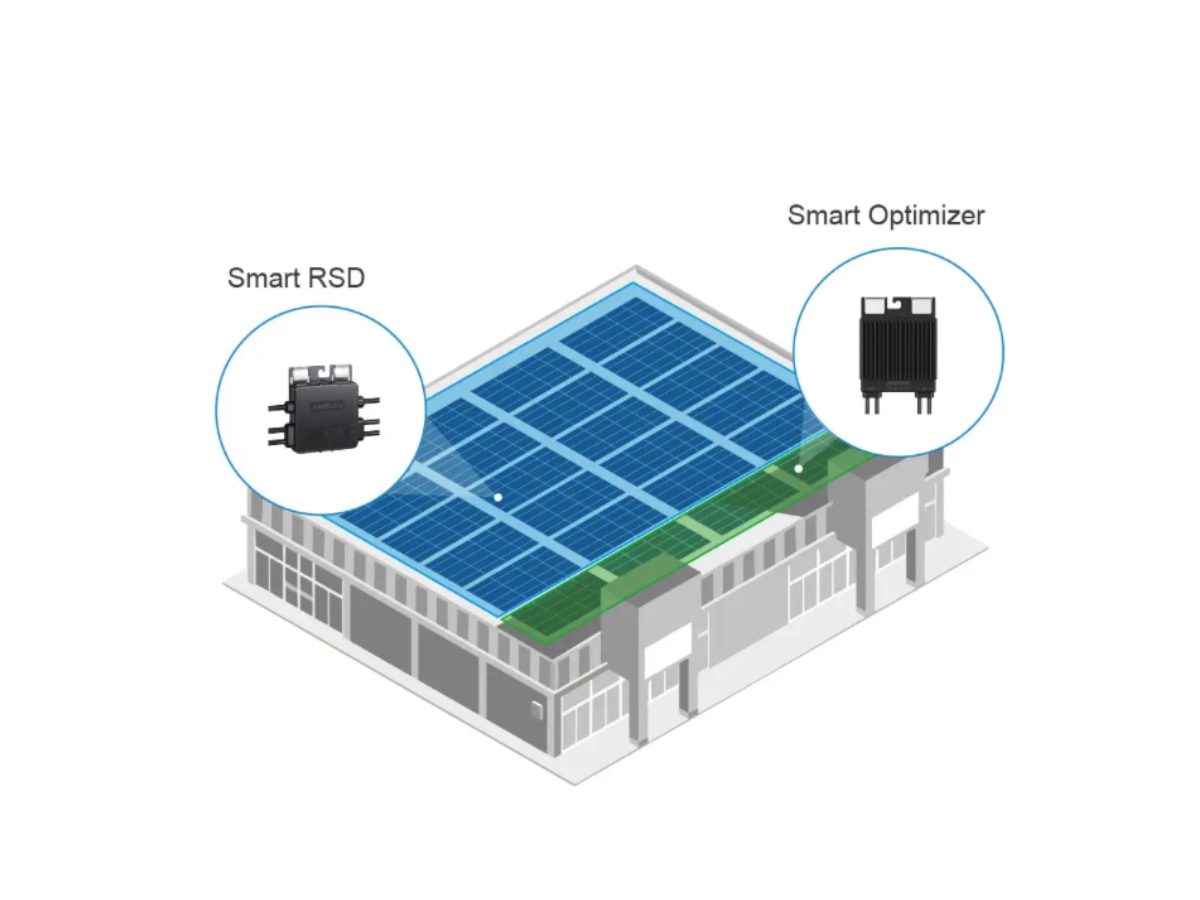
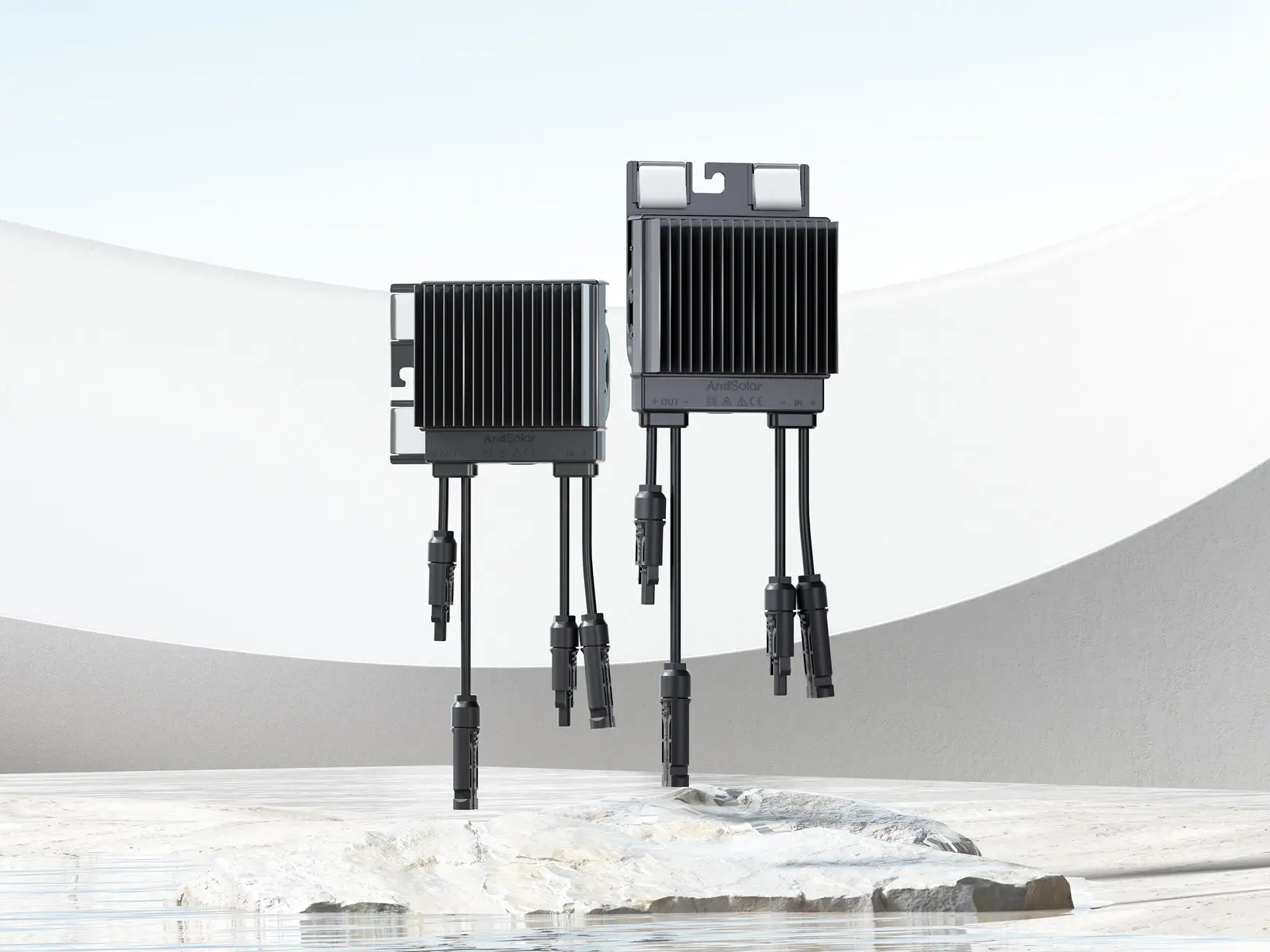
The industrial solar rapid shutdown project incorporates state-of-the-art module-level safety control technology that revolutionizes how commercial solar installations manage electrical hazards and emergency response protocols. This sophisticated system deploys intelligent power optimizers at each photovoltaic module, creating granular control capabilities that extend far beyond traditional string-level shutdown mechanisms. Each optimizer continuously monitors individual module performance parameters including voltage output, current flow, temperature variations, and insulation resistance levels. When the industrial solar rapid shutdown project detects anomalous conditions such as arc faults, ground faults, or overheating scenarios, the system immediately isolates affected modules while maintaining operation of unaffected sections. This selective shutdown capability prevents unnecessary production losses while ensuring comprehensive safety protection. The technology employs advanced algorithms that differentiate between temporary environmental factors and genuine safety threats, minimizing false positives that could disrupt normal operations. Communication between optimizers occurs through redundant wireless mesh networks that maintain connectivity even when individual units experience failures or interference. The industrial solar rapid shutdown project integrates seamlessly with existing inverter technologies and building management systems through standardized communication protocols. Installation procedures are simplified through plug-and-play connectivity that reduces commissioning time and eliminates complex wiring requirements. Each optimizer features robust construction with IP67 weatherproof ratings, ensuring reliable performance throughout extreme temperature cycles and environmental conditions typical of industrial installations. The system provides real-time visibility into individual module performance through intuitive monitoring interfaces that enable facility managers to optimize energy production while maintaining safety compliance. Predictive analytics capabilities analyze historical performance data to identify modules approaching end-of-life conditions, enabling proactive replacement scheduling that prevents unexpected failures. The technology supports remote firmware updates that ensure continued compatibility with evolving safety standards without requiring on-site service calls. This comprehensive approach to module-level control establishes the industrial solar rapid shutdown project as the definitive solution for commercial facilities requiring both maximum safety protection and optimal energy production efficiency.
Comprehensive Emergency Response Integration

Comprehensive Emergency Response Integration

The industrial solar rapid shutdown project delivers unparalleled emergency response integration capabilities that transform how first responders and facility personnel manage safety protocols during critical situations. This comprehensive system establishes multiple activation pathways including manual emergency stops, automated fire detection triggers, and remote shutdown commands from emergency services personnel. The integration architecture connects directly with existing facility fire alarm systems, security networks, and building automation platforms to create unified emergency response procedures. When activated, the industrial solar rapid shutdown project initiates a coordinated shutdown sequence that not only de-energizes photovoltaic modules but also communicates system status to emergency responders through standardized protocols used by fire departments and safety personnel. Visual indicators positioned at strategic locations throughout the facility provide clear confirmation of shutdown status, enabling first responders to proceed with confidence during emergency operations. The system maintains detailed event logs that document shutdown activation times, duration, and specific modules affected, providing valuable information for post-incident analysis and insurance claims processing. Communication capabilities extend to mobile devices through dedicated emergency response applications that allow authorized personnel to monitor system status and initiate shutdowns from remote locations. The industrial solar rapid shutdown project supports integration with facility-wide emergency notification systems, ensuring that all personnel receive immediate alerts when shutdown procedures are activated. Backup power systems maintain critical communication pathways during grid outages, ensuring that emergency response capabilities remain functional when they are needed most. The system architecture includes redundant activation mechanisms that prevent single points of failure from compromising emergency response effectiveness. Training modules and documentation packages help facility personnel and local emergency services understand proper procedures for interacting with the shutdown system during various emergency scenarios. The industrial solar rapid shutdown project automatically coordinates with utility disconnection procedures to ensure complete electrical isolation when required by emergency protocols. Recovery procedures are streamlined through automated system checks that verify safe conditions before allowing restart operations, reducing downtime while maintaining comprehensive safety standards. This integrated approach establishes the industrial solar rapid shutdown project as an essential component of modern facility emergency preparedness strategies.
Real-Time Performance Monitoring and Predictive Maintenance

Real-Time Performance Monitoring and Predictive Maintenance

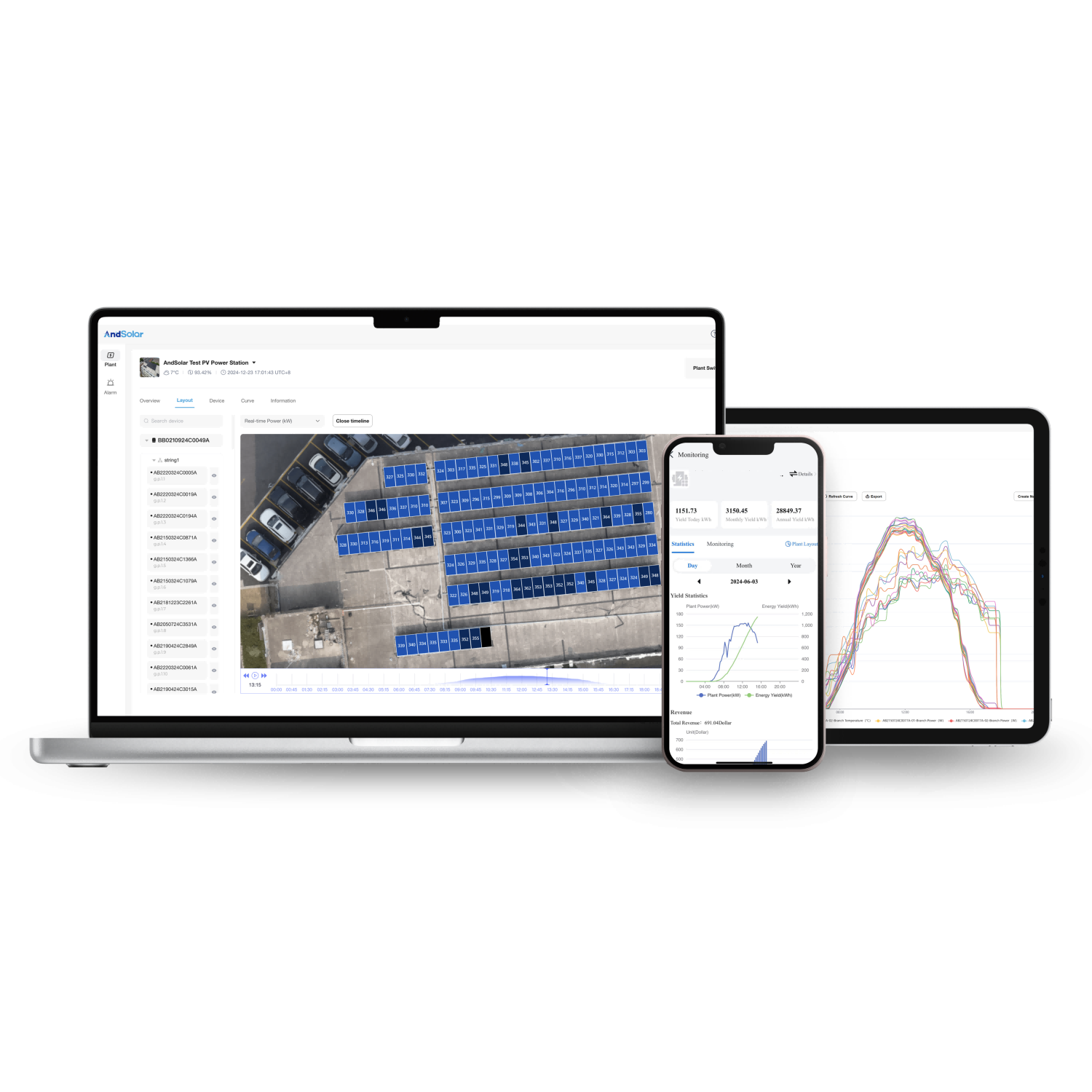
The industrial solar rapid shutdown project incorporates sophisticated real-time performance monitoring and predictive maintenance capabilities that revolutionize how facility managers optimize solar asset performance while maintaining safety compliance. This advanced monitoring ecosystem continuously collects and analyzes performance data from every module, inverter, and system component to provide unprecedented visibility into operational efficiency and equipment health. The platform employs machine learning algorithms that establish baseline performance profiles for individual modules and identify deviations that may indicate developing issues before they impact system performance or create safety concerns. Customizable dashboards present complex performance data through intuitive visualizations that enable facility managers to quickly assess system status and identify optimization opportunities. The industrial solar rapid shutdown project generates automated maintenance recommendations based on performance trends, environmental conditions, and manufacturer specifications to ensure optimal system longevity and safety compliance. Weather correlation features analyze the relationship between environmental conditions and system performance to distinguish between normal variations and equipment-related issues that require attention. Historical data retention capabilities support long-term trend analysis that helps facility managers make informed decisions about equipment replacement, system expansion, and maintenance scheduling. The monitoring system provides detailed energy production forecasting based on weather predictions and historical performance patterns, enabling better facility energy management and cost planning. Alert notification systems send immediate warnings to designated personnel when performance parameters exceed acceptable ranges or safety conditions require attention. The industrial solar rapid shutdown project supports integration with enterprise resource planning systems to automate maintenance work order generation and parts inventory management. Mobile applications provide remote access to monitoring capabilities, allowing facility managers and maintenance personnel to assess system status from any location. The platform generates comprehensive compliance reports that document safety system performance for regulatory inspections and insurance requirements. Data export capabilities enable integration with third-party analytics platforms and facility management systems for organizations requiring specialized reporting or analysis tools. The industrial solar rapid shutdown project maintains cybersecurity protection through encrypted communications and secure authentication protocols that prevent unauthorized access while ensuring reliable data transmission. This comprehensive monitoring and maintenance approach maximizes return on investment while ensuring consistent safety performance throughout the system lifecycle.

Get a Free Quote

Our representative will contact you soon.
Name
Email
Phone/ WhatsApp
Company Name
Product Selection
Message
0/1000

industrial solar rapid shutdown project

Practical Tips

When Should You Use Power Optimizers?

17

Jun

When Should You Use Power Optimizers?

Understanding Power Optimizers in Solar Systems What Are Power Optimizers? Power optimizers are applied in solar system for energy harvest purpose. These smart devices are connected to every solar panel to optimise and manage the panel. Pow...
View More
How Does the Rapid Shutdown Policy Improve Solar Safety Standards?

13

Aug

How Does the Rapid Shutdown Policy Improve Solar Safety Standards?

Strengthening Solar Power Systems Through Advanced Safety Measures In the rapidly expanding solar industry, safety has emerged as one of the most critical aspects of system design and operation. As more residential, commercial, and utility-scale inst...
View More
Will Rapid Shutdown Devices Affect Solar System Performance?

13

Aug

Will Rapid Shutdown Devices Affect Solar System Performance?

Optimizing Solar System Safety Without Compromising Efficiency In the modern solar energy landscape, safety and performance go hand in hand. The industry has evolved from focusing solely on maximizing energy yield to ensuring that systems operate wit...
View More
AndSolar Power Optimizers Vs. Traditional String Inverters in MPPT

17

Sep

AndSolar Power Optimizers Vs. Traditional String Inverters in MPPT

Maximizing Solar Energy Harvesting Through Advanced Technology The solar industry continues to evolve with innovative solutions that enhance energy production and system efficiency. At the forefront of this evolution is the ongoing debate between sol...
View More

Get a Free Quote

Our representative will contact you soon.
Name
Email
Phone/ WhatsApp
Company Name
Product Selection
Message
0/1000