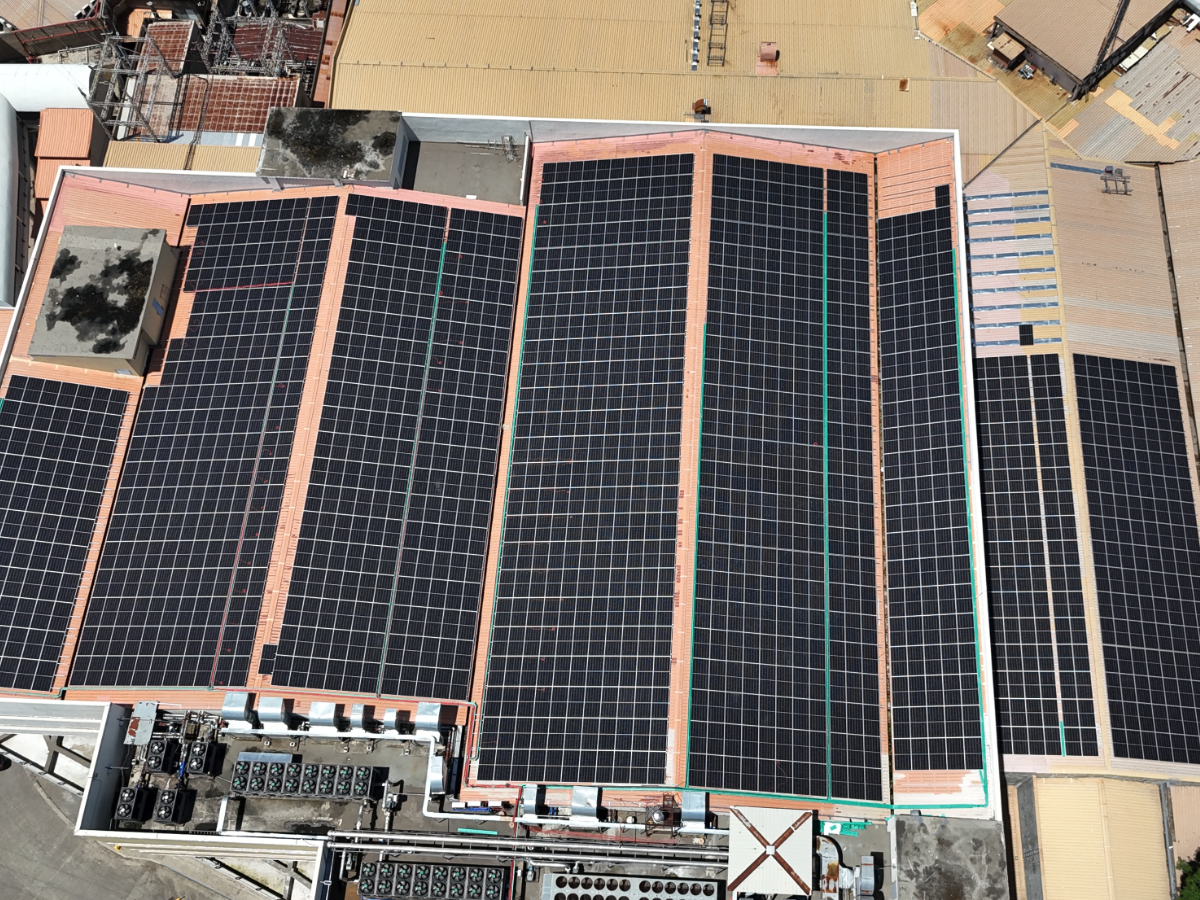
Achieving solar interconnection compliance requires a comprehensive understanding of utility requirements, technical standards, and regulatory frameworks that govern how solar installations connect to the electrical grid. Solar project developers and installers must navigate a complex web of local utility policies, state regulations, and federal guidelines to ensure their systems meet all necessary safety, performance, and operational standards before receiving permission to operate.
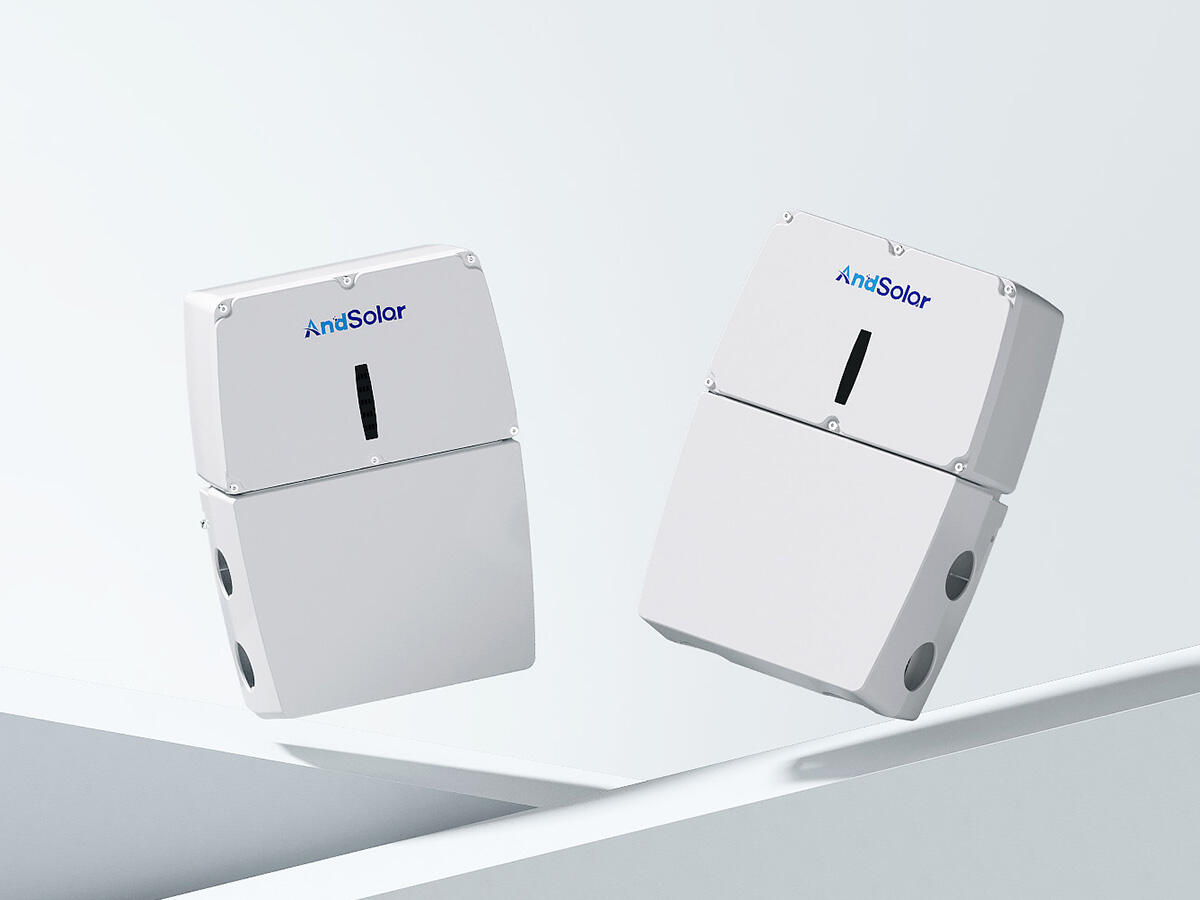
Proper solar interconnection compliance protects both the solar system owner and the utility grid from potential safety hazards, equipment damage, and operational disruptions. Understanding these requirements early in the project planning phase helps avoid costly delays, redesigns, and potential rejection of interconnection applications that could derail project timelines and financial projections.
Understanding Interconnection Standards and Requirements
IEEE Standards for Solar Grid Connection
The Institute of Electrical and Electronics Engineers (IEEE) establishes fundamental technical standards that form the backbone of solar interconnection compliance across the United States. IEEE 1547 serves as the primary standard governing the interconnection and interoperability of distributed energy resources, including solar photovoltaic systems, with electric power systems.
IEEE 1547 defines essential safety requirements, power quality parameters, and operational characteristics that solar systems must maintain to ensure grid stability and safety. These standards specify voltage and frequency limits, synchronization requirements, and anti-islanding protection measures that prevent solar systems from continuing to operate when the grid is de-energized for maintenance or emergency situations.
Solar installers must ensure their systems incorporate protective devices and control systems that meet IEEE 1547 specifications for voltage regulation, frequency response, and fault detection. Compliance with these standards typically requires installation of certified inverters and protective relaying equipment that can automatically disconnect the solar system from the grid when abnormal conditions are detected.
Utility-Specific Interconnection Procedures
Each utility company maintains its own interconnection procedures and technical requirements that supplement national standards with local grid-specific considerations. These utility-specific requirements for solar interconnection compliance often address local grid infrastructure limitations, voltage regulation concerns, and operational procedures unique to their service territory.
Utility interconnection procedures typically establish different approval pathways based on system size, installation type, and potential grid impact. Small residential systems may qualify for simplified interconnection processes, while larger commercial and utility-scale projects require more comprehensive technical reviews, impact studies, and potentially costly grid upgrades.
Understanding your local utility's specific interconnection timeline, application requirements, and technical specifications is crucial for maintaining project schedules and budgets. Many utilities provide detailed interconnection manuals, application forms, and technical specifications on their websites, though requirements can change periodically as grid conditions and regulatory frameworks evolve.
Technical Documentation and Application Process
Required Engineering Studies and Reports
Solar interconnection compliance demands comprehensive engineering documentation that demonstrates system safety, performance, and grid compatibility. Interconnection applications typically require detailed electrical drawings, equipment specifications, protection coordination studies, and sometimes power flow analysis or short circuit studies depending on system size and complexity.
Single-line electrical diagrams must accurately represent all system components, including solar panels, inverters, transformers, protective devices, and metering equipment. These diagrams help utility engineers understand system configuration and verify that proposed protection schemes will operate correctly under normal and fault conditions.
For larger solar installations, utilities may require detailed impact studies that analyze how the proposed solar system will affect local grid voltage regulation, power quality, and system stability. These studies often involve sophisticated computer modeling and may identify necessary grid upgrades or system modifications required to maintain solar interconnection compliance.
Equipment Certification and Testing Requirements
All major solar system components must carry appropriate certifications from recognized testing laboratories to demonstrate compliance with applicable safety and performance standards. Solar modules must be listed to UL 1703 or IEC 61215/61730 standards, while inverters require UL 1741 listing that includes IEEE 1547 compliance testing.
Inverter certification is particularly critical for solar interconnection compliance because these devices control how solar-generated electricity interfaces with the utility grid. UL 1741 testing verifies that inverters incorporate proper anti-islanding protection, voltage and frequency trip settings, and power quality controls required for safe grid operation.
Solar installers should maintain documentation of all equipment certifications and ensure that installed components match the specific models and firmware versions listed in interconnection applications. Using non-certified equipment or making unauthorized modifications to certified systems can result in interconnection approval delays or rejection.
Safety and Protection System Requirements
Anti-Islanding Protection Measures
Anti-islanding protection represents one of the most critical safety requirements for solar interconnection compliance, preventing solar systems from continuing to energize utility lines when the grid is disconnected for maintenance or emergency response. This protection is essential for utility worker safety and equipment protection during grid outages or maintenance activities.
Modern grid-tied solar inverters incorporate multiple anti-islanding detection methods, including passive voltage and frequency monitoring, active impedance detection, and communication-based schemes. These systems must detect islanding conditions within two seconds and disconnect the solar system from the grid to prevent potential safety hazards.
Solar installations may also require additional external anti-islanding protection devices, particularly for larger systems or installations in areas with specific utility concerns about islanding potential. These devices provide redundant protection and may include transfer trip schemes that use utility communication systems to immediately disconnect solar systems when grid outages occur.
Grounding and Electrical Safety Systems
Proper grounding and electrical safety systems are fundamental requirements for solar interconnection compliance that protect both equipment and personnel from electrical hazards. Solar installations must incorporate equipment grounding conductors, grounding electrode systems, and proper bonding of all metallic components to ensure electrical safety.
The National Electrical Code (NEC) provides detailed requirements for solar system grounding that must be followed to achieve interconnection approval. These requirements include proper sizing of grounding conductors, installation of grounding electrode conductors, and bonding of solar module frames, racking systems, and electrical enclosures.
Solar installations must also incorporate appropriate overcurrent protection devices, disconnect switches, and arc fault circuit interrupters as required by the NEC and local electrical codes. These safety systems protect against electrical faults, fires, and other hazards that could compromise system safety or grid stability.
Monitoring and Compliance Verification
Performance Monitoring and Reporting Systems
Many utility interconnection agreements require ongoing performance monitoring and reporting to verify continued solar interconnection compliance throughout the system's operational life. These monitoring requirements may include real-time power output reporting, power quality measurements, and periodic compliance testing.
Advanced solar monitoring systems can track key performance parameters including power output, voltage regulation, frequency response, and protective device operation. This data helps system owners identify potential compliance issues before they result in utility concerns or interconnection violations.
Some utilities require direct communication links between solar installations and their control centers to enable remote monitoring and control capabilities. These communication systems allow utilities to monitor solar system performance, verify protective device settings, and potentially curtail solar output during grid emergencies or maintenance activities.
Ongoing Maintenance and Compliance Verification
Maintaining solar interconnection compliance requires ongoing attention to system maintenance, equipment updates, and periodic compliance verification testing. Solar system owners must ensure that protective device settings remain accurate, communication systems function properly, and all safety systems operate as designed.
Regular maintenance activities should include verification of inverter protective settings, testing of anti-islanding protection systems, and inspection of grounding and bonding connections. Any modifications to solar system configuration, equipment replacement, or protective device setting changes may require utility notification and approval to maintain interconnection compliance.
Some utilities conduct periodic compliance audits or require annual certification reports to verify continued adherence to interconnection requirements. Solar system owners should maintain detailed documentation of all maintenance activities, equipment changes, and compliance testing results to support these verification processes and demonstrate ongoing solar interconnection compliance.
FAQ
What happens if my solar system fails to meet interconnection compliance requirements?
Solar systems that fail to meet interconnection compliance requirements will not receive permission to operate from the utility, preventing the system from connecting to the grid and generating electricity. The utility will typically provide a detailed list of deficiencies that must be corrected before resubmitting the interconnection application. Depending on the nature of the compliance failures, corrections may require equipment replacement, system redesign, or additional safety measures that can significantly increase project costs and delays.
How long does the solar interconnection compliance review process typically take?
The interconnection compliance review timeline varies significantly based on system size, utility procedures, and application completeness. Small residential systems under simplified interconnection procedures may receive approval within 15-45 business days, while larger commercial systems requiring detailed engineering reviews can take 60-120 days or longer. Complex utility-scale projects requiring impact studies and grid upgrades may take six months to several years for complete interconnection approval.
Can I operate my solar system while waiting for final interconnection approval?
Solar systems cannot legally operate or connect to the utility grid without final interconnection approval and permission to operate (PTO) from the utility company. Operating a solar system without proper interconnection approval violates utility tariffs and may result in disconnection, fines, or legal action. Most utilities require installation of a production meter and final safety inspection before issuing PTO, ensuring that all solar interconnection compliance requirements have been verified.
Do interconnection compliance requirements change over time?
Solar interconnection compliance requirements do evolve as technology advances, grid conditions change, and regulatory frameworks are updated. Utilities may modify their interconnection procedures, adopt new technical standards, or implement additional requirements based on operational experience and changing grid needs. Existing solar installations are typically grandfathered under their original interconnection agreements, but system modifications or expansions may trigger requirements to meet current compliance standards.
Table of Contents
- Understanding Interconnection Standards and Requirements
- Technical Documentation and Application Process
- Safety and Protection System Requirements
- Monitoring and Compliance Verification
-
FAQ
- What happens if my solar system fails to meet interconnection compliance requirements?
- How long does the solar interconnection compliance review process typically take?
- Can I operate my solar system while waiting for final interconnection approval?
- Do interconnection compliance requirements change over time?
