PV systems are expanding beyond rooftops and ground-mounted installations into more application scenarios. Water surfaces are becoming an important space for solar development.
Floating PV makes full use of water surfaces and reduces land use. However, compared with rooftop or ground-mounted PV systems, its unique operating environment creates greater challenges for system safety and long-term operation and maintenance.
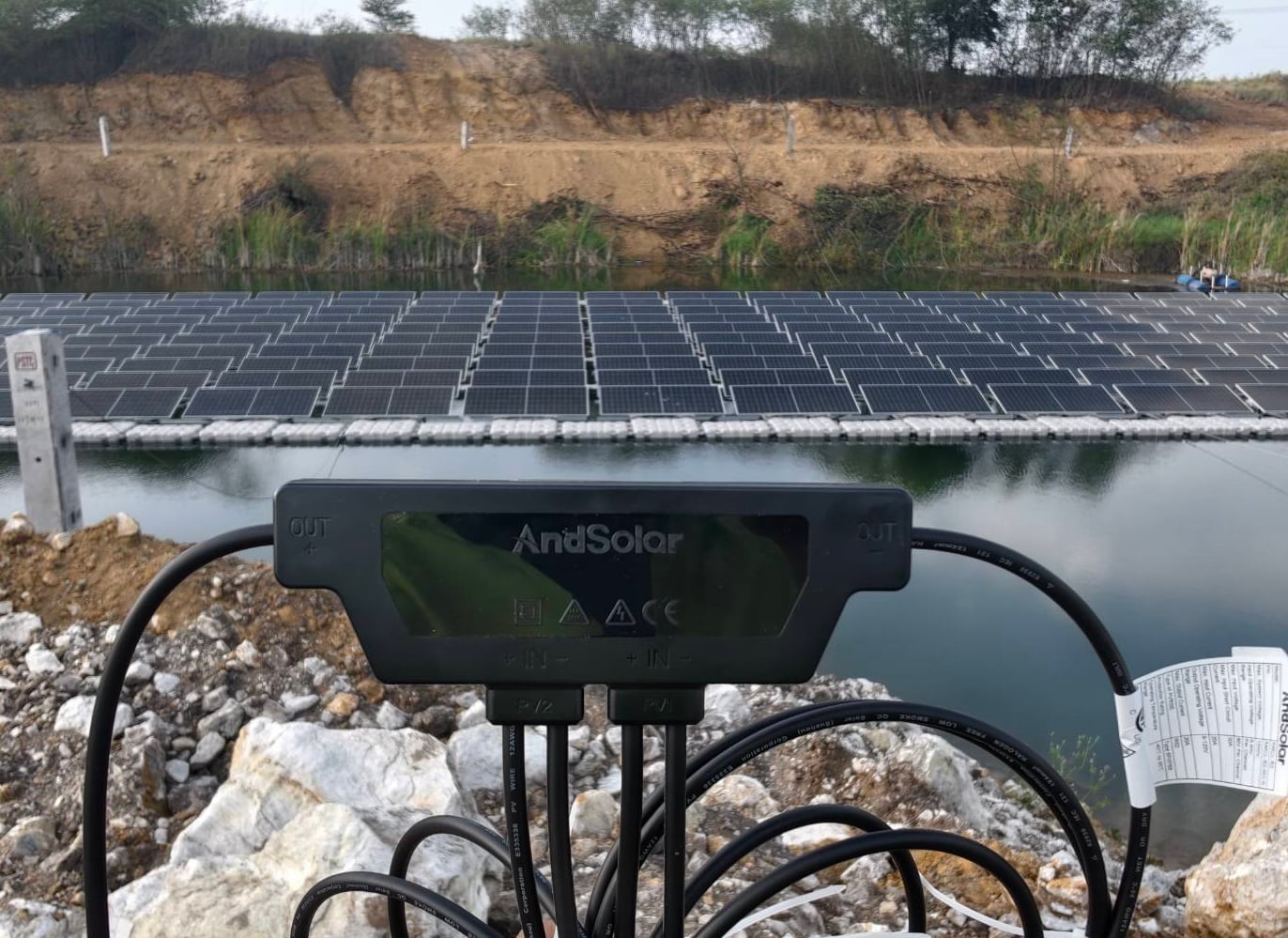
This floating PV plant in Nakhon Sawan, Thailand, faces several challenges caused by the water-based environment. Ensuring both system safety and efficient long-term O&M is essential for the plant’s reliable operation.
Safety is the first priority.
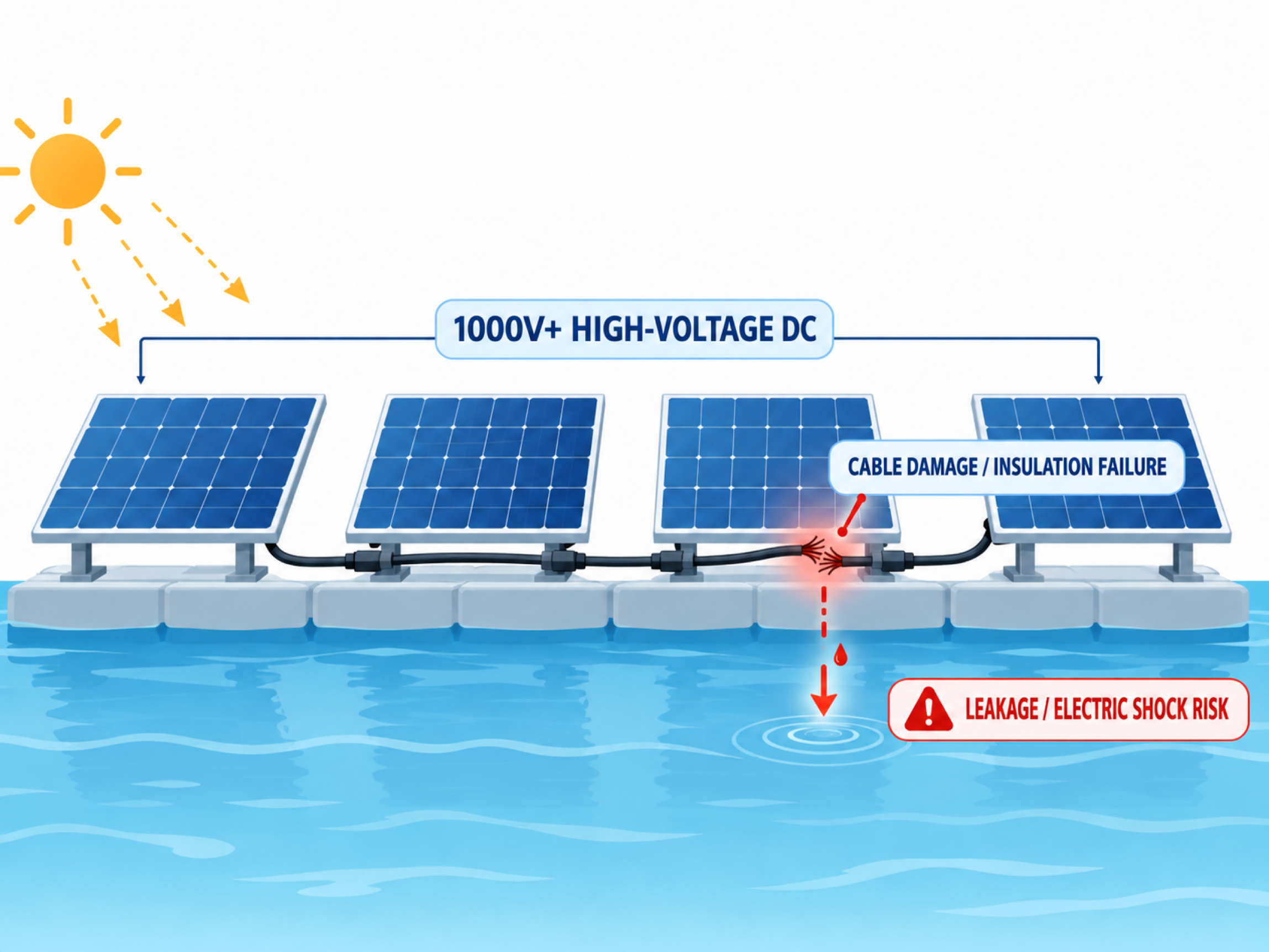
As long as sunlight is present, PV modules continue to generate voltage. When multiple modules are connected in series, the DC voltage can reach 1,000 V, creating risks of electric shock and fire.
Even when the inverter stops operating, the DC voltage at and between the modules does not disappear immediately.
Floating PV systems also operate in highly humid environments for long periods. If cables are damaged or insulation performance decreases, live components may create an unintended conductive path through the water or other conductive structures. This further increases the risks of current leakage and electric shock.
Therefore, quickly reducing the high DC voltage in the module array is essential.
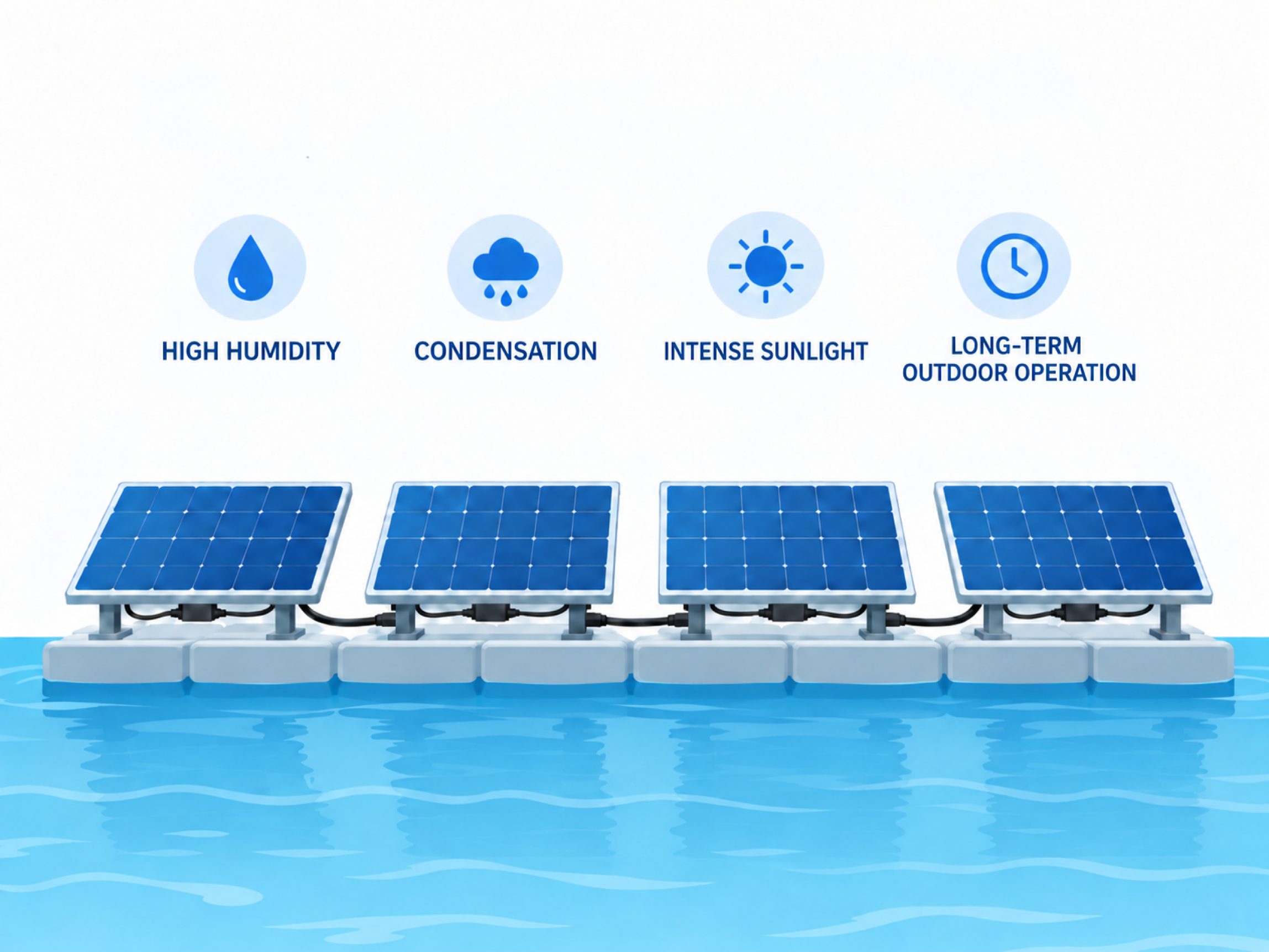
The water-based environment also requires greater long-term equipment reliability.
Equipment is continuously exposed to high humidity, strong sunlight, and condensation caused by temperature changes between day and night. This places higher demands on sealing, weather resistance, and long-term reliability.
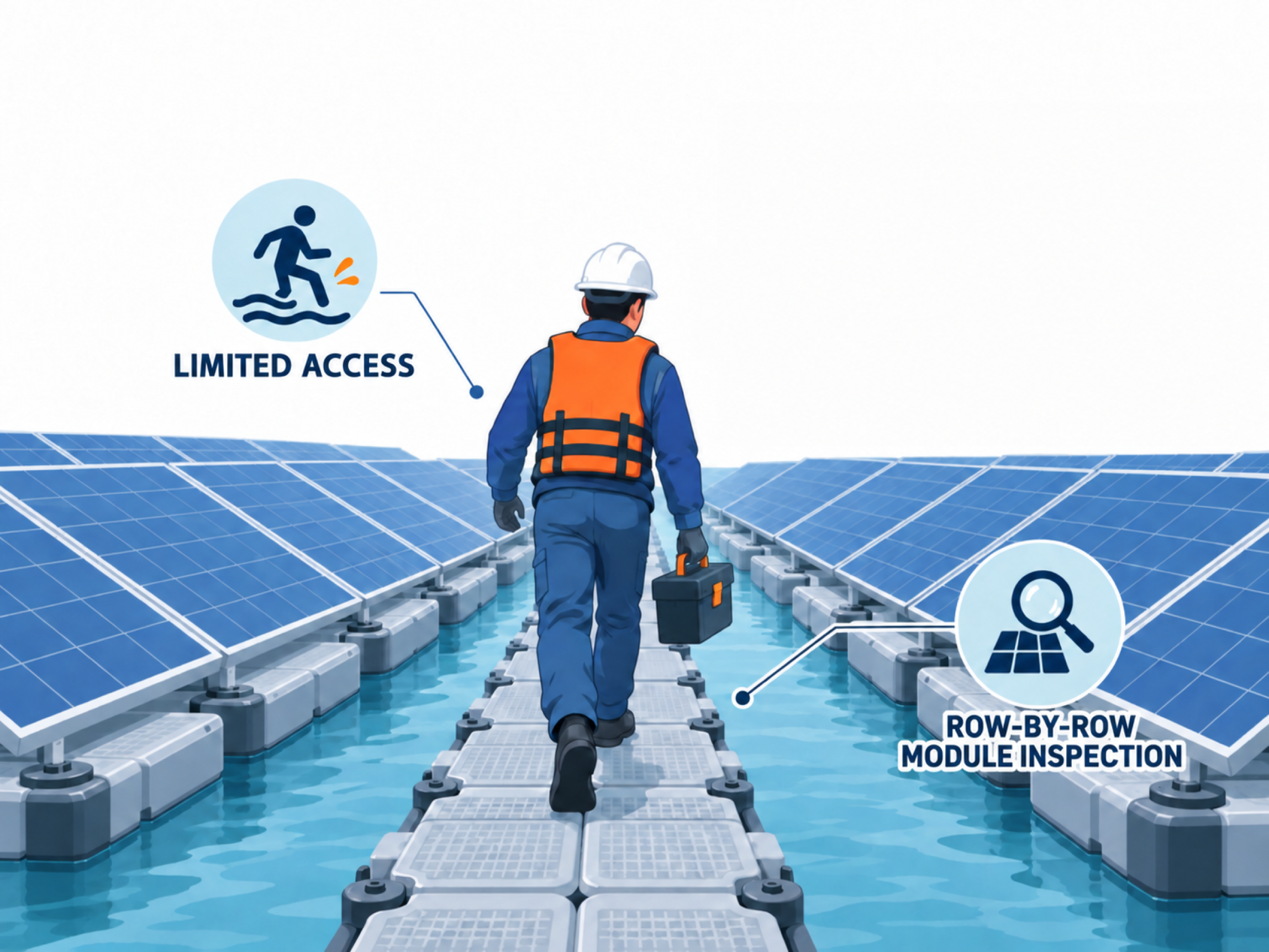
A large number of PV modules are installed on floating platforms.
Compared with fixed rooftop or ground-mounted systems, floating platforms move with the water and offer limited space for workers. Carrying tools, moving between modules, and performing maintenance are therefore more difficult.
In addition, when a module develops a fault, maintenance teams cannot immediately identify its exact location. This further increases the workload required for on-site troubleshooting.
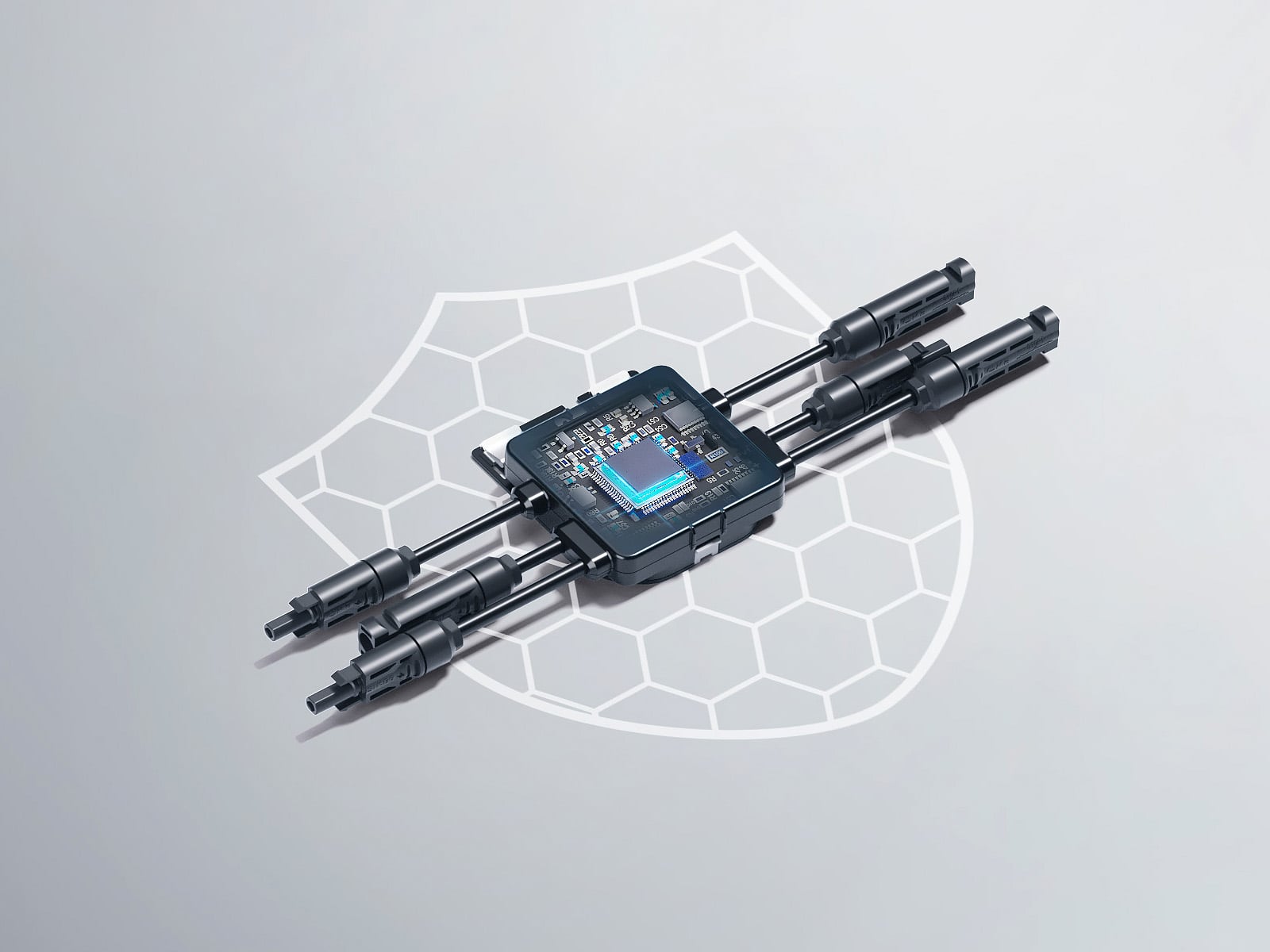
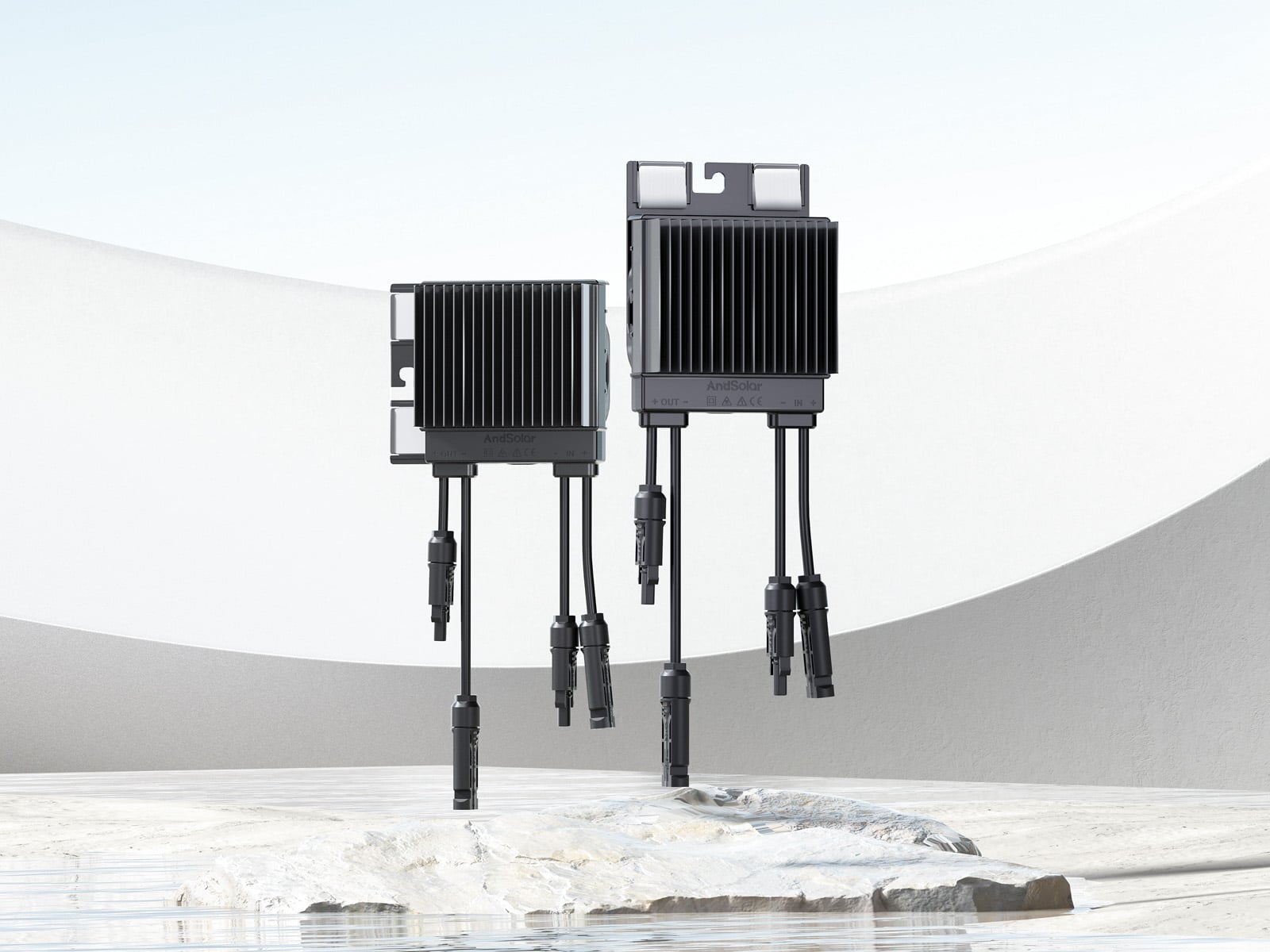
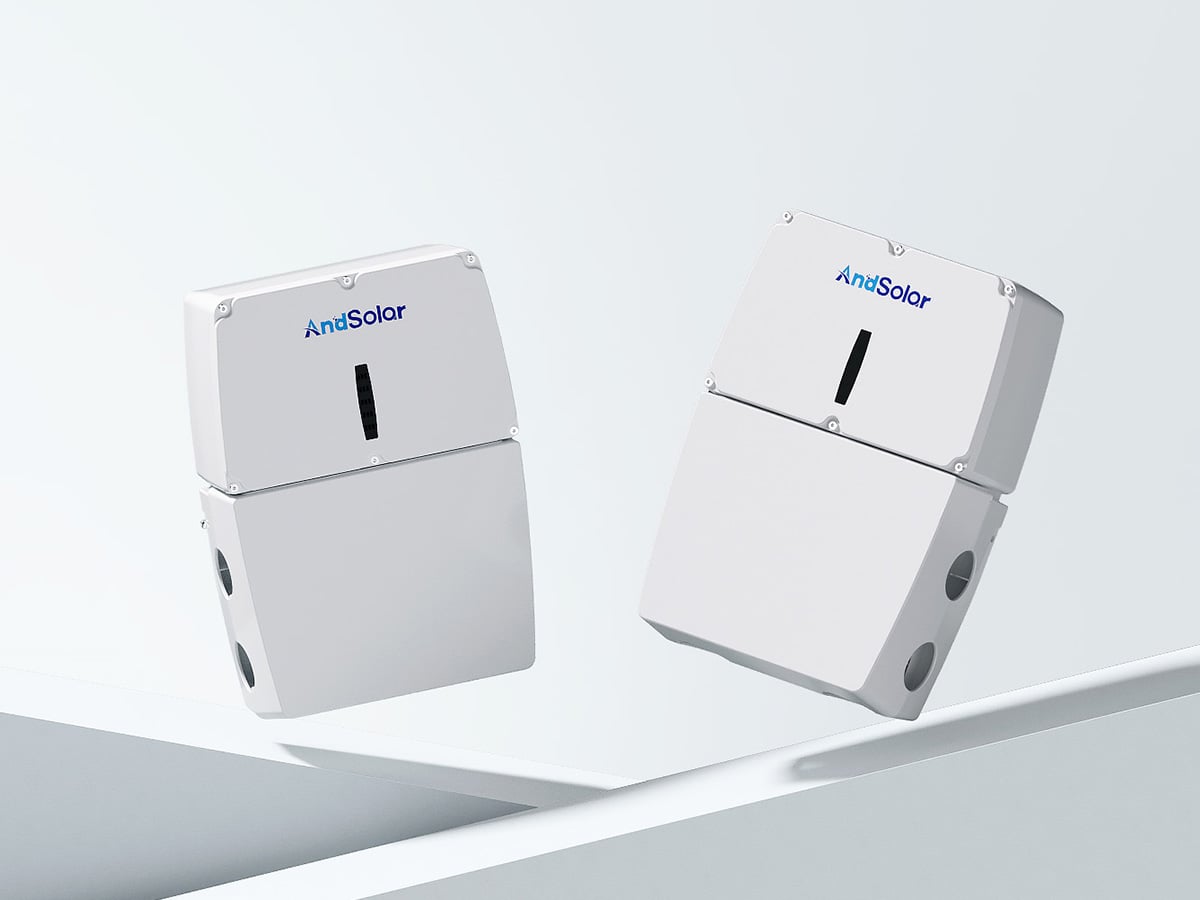
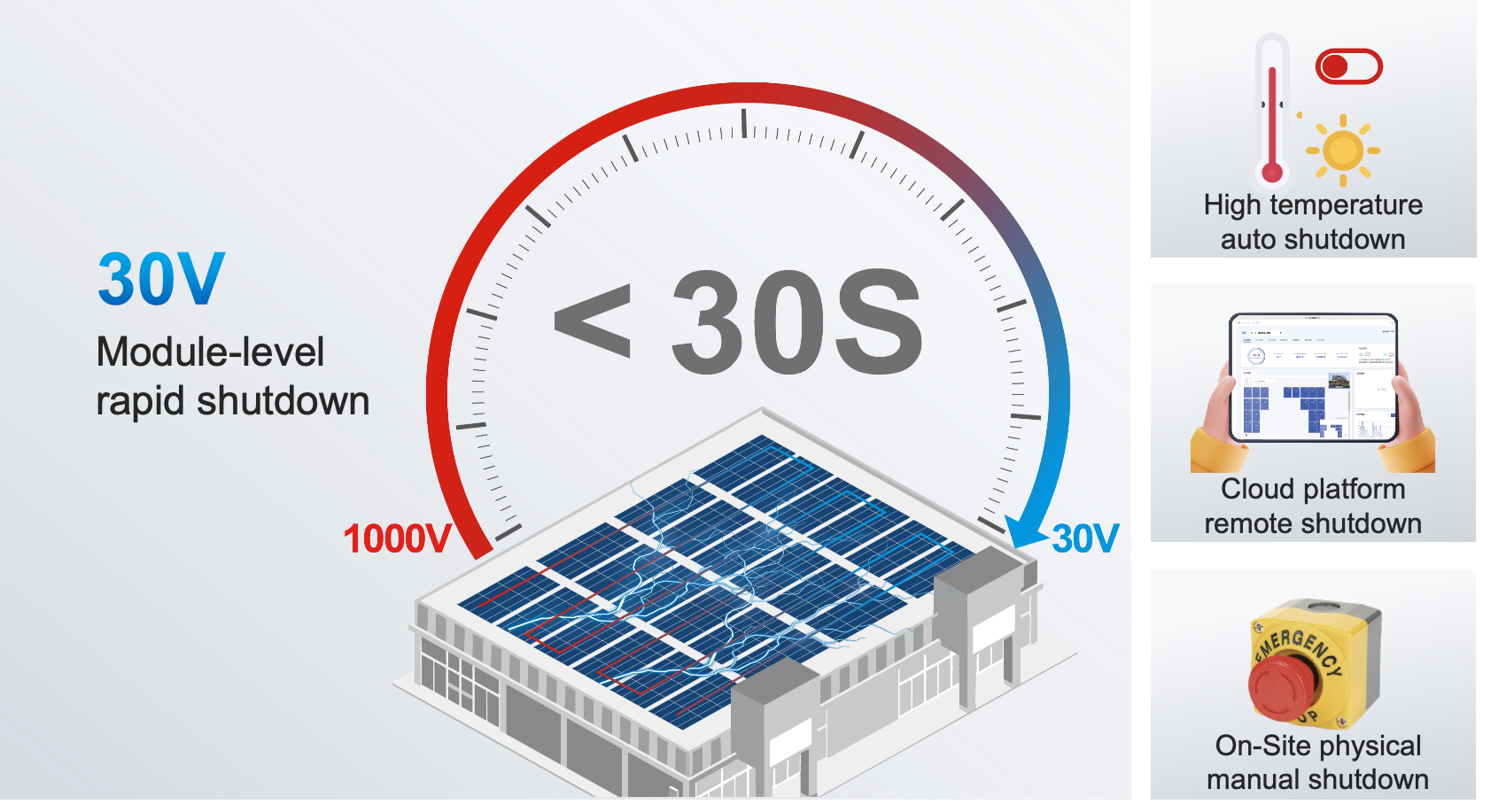
For this floating PV project, AndSolar installed its AMCL Smart Rapid Shutdown Devices.
In an emergency or abnormal situation, the rapid shutdown function can reduce the system voltage to below the safe threshold of 80 V within 30 seconds. This helps prevent electric shock and protects both people and equipment.
The system supports both individual module shutdown and full-site shutdown, making it suitable for different operating situations.
To meet the demands of high humidity and long-term outdoor operation, the smart rapid shutdown device has an IP68 protection rating. It effectively protects the equipment from moisture, dust, and other environmental conditions, improving long-term reliability in complex environments.
The product has obtained certifications including UL 1741, UL 3741, IEC/EN 62109-1, and IEC/EN 61000-6-1/-2/-3/-4.
It has also passed demanding reliability tests, including TC600, HF10, and DH2000, which exceed conventional testing requirements. These tests verify both its protection performance and long-term environmental reliability, supporting the stable operation of floating PV projects.
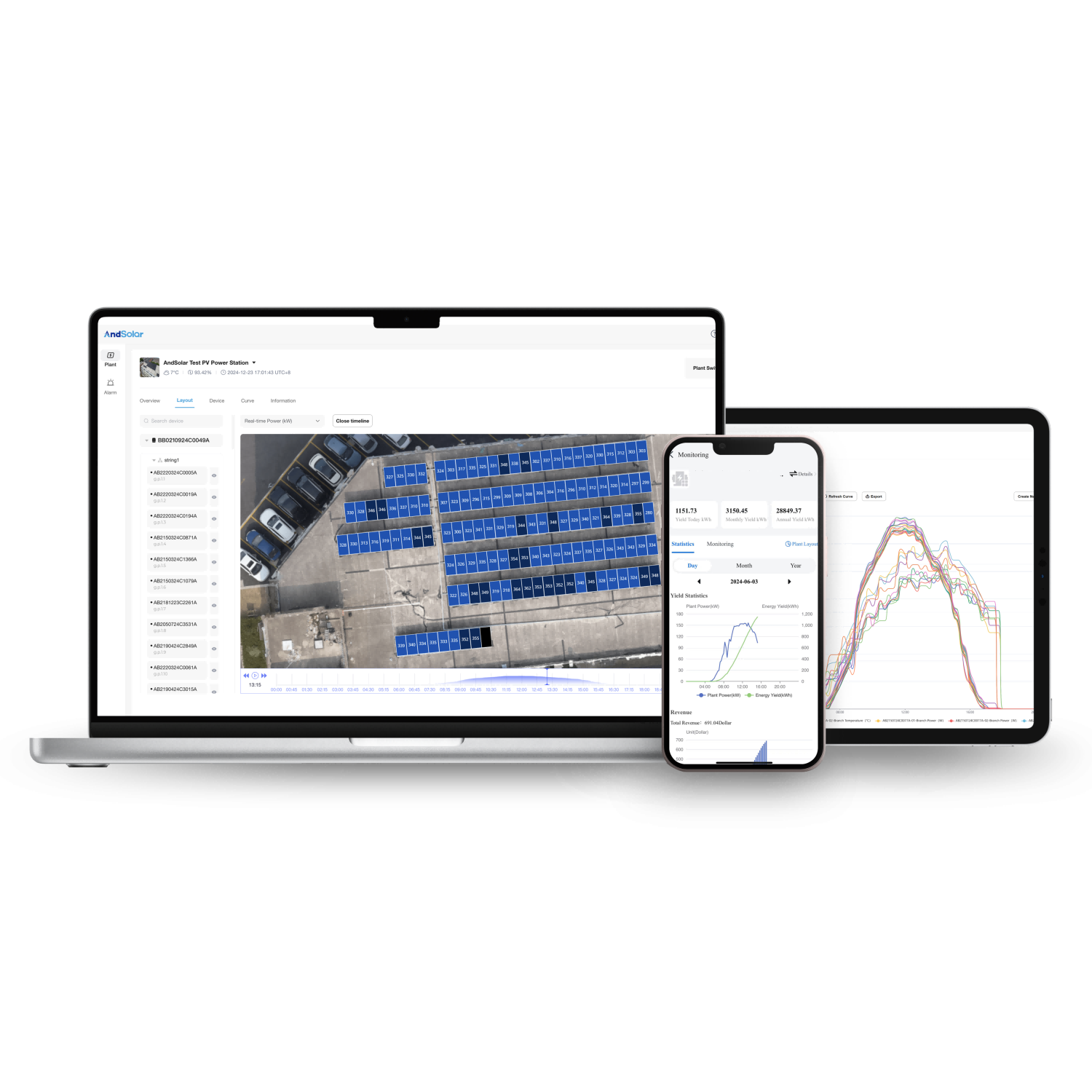
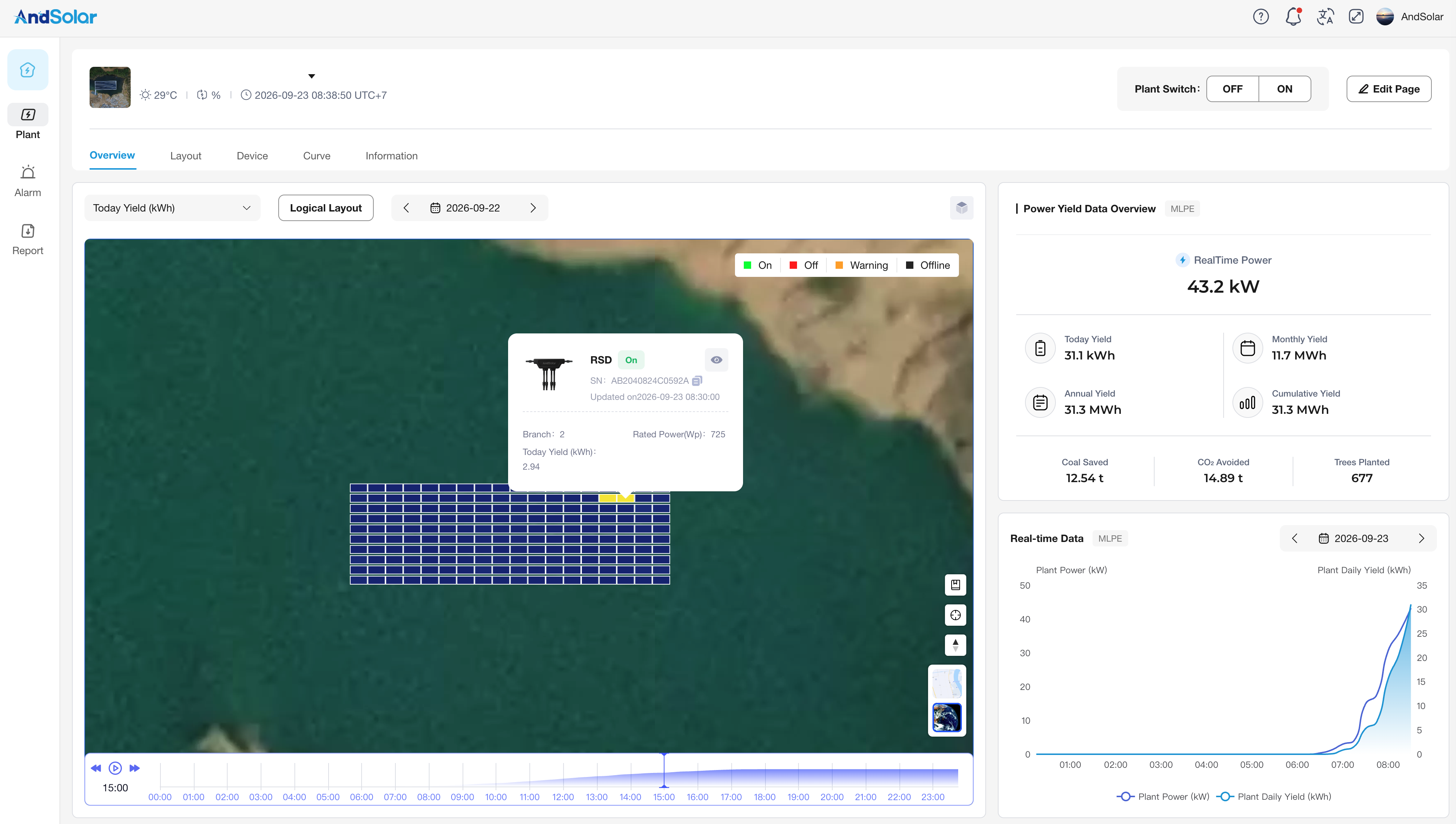
AndCloud 3.0 provides detailed monitoring of the entire PV plant, down to each individual module.
The platform creates a 1:1 digital twin based on the actual module layout. O&M teams can remotely check the operating status, real-time data, and historical data of every module.
When a module develops a fault, the platform can directly identify its exact location, greatly improving maintenance efficiency.
It also continuously records module operating data, providing more detailed information for daily monitoring, fault analysis, and long-term O&M.
The main challenges of floating PV are safety management and long-term O&M in a complex environment.
With AndSolar’s module-level precision management solution, this project now has both rapid shutdown and detailed operating-condition monitoring.
The solution reduces high DC voltage risks, helps O&M teams quickly locate faulty modules, and improves overall maintenance efficiency.
AndSolar will continue to focus on safety, precision, intelligence, and convenience, providing module-level precision management solutions for more floating PV projects and other complex applications.

AndSolar Technology is a tech-company engaged in photovoltaic module-level power electronics (MLPE) and distributed photovoltaic smart energy overall solutions.