Advanced Optimizer Compatibility with Solar Panels: Maximize Efficiency & Safety

  • 8F, Block B, Building 1, 286 Qinglonggang Road, Suzhou City, Jiangsu Province, P. R. China
  • [email protected]
AndSolar Cloud

optimizer compatibility with solar panels

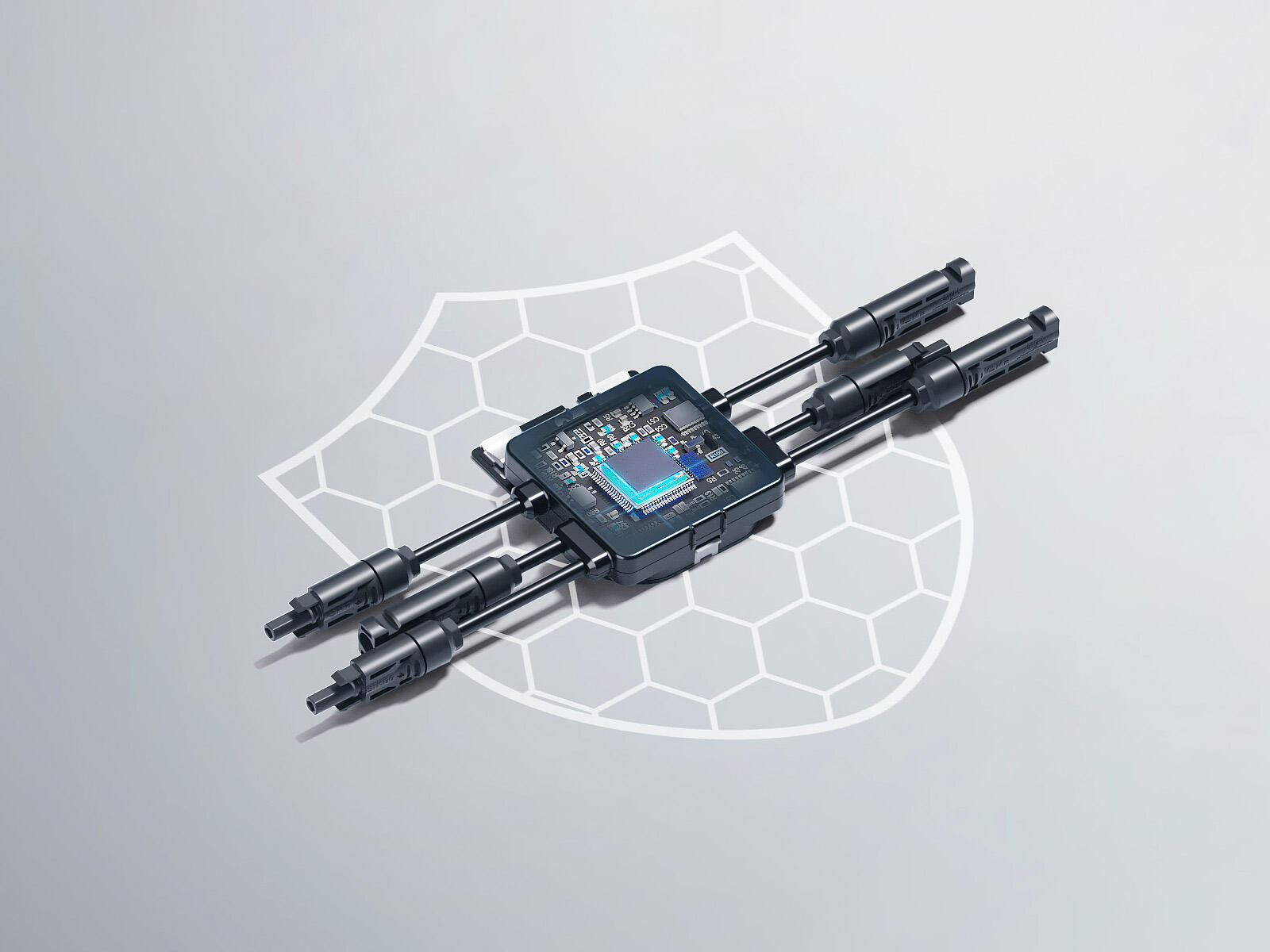
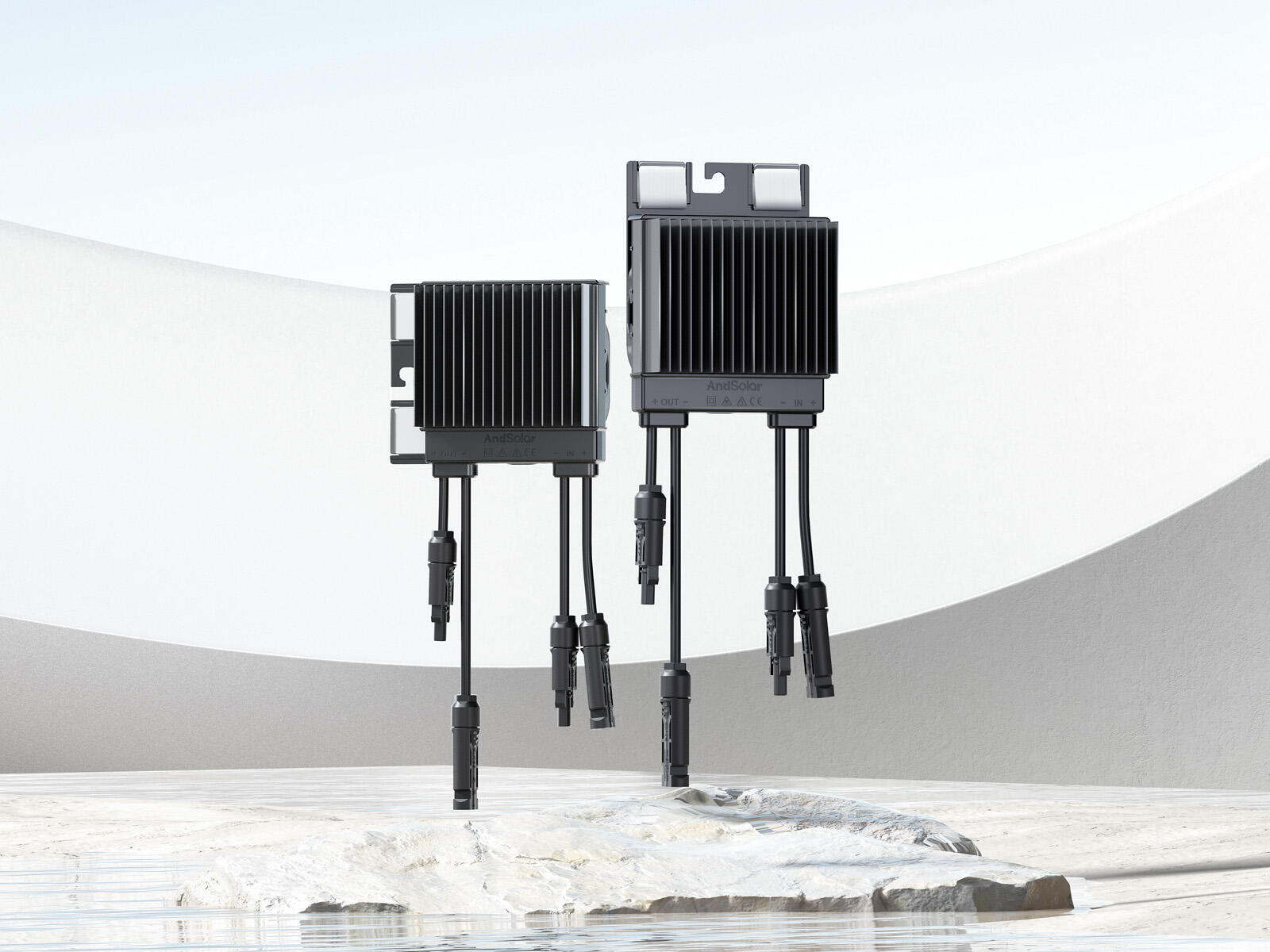
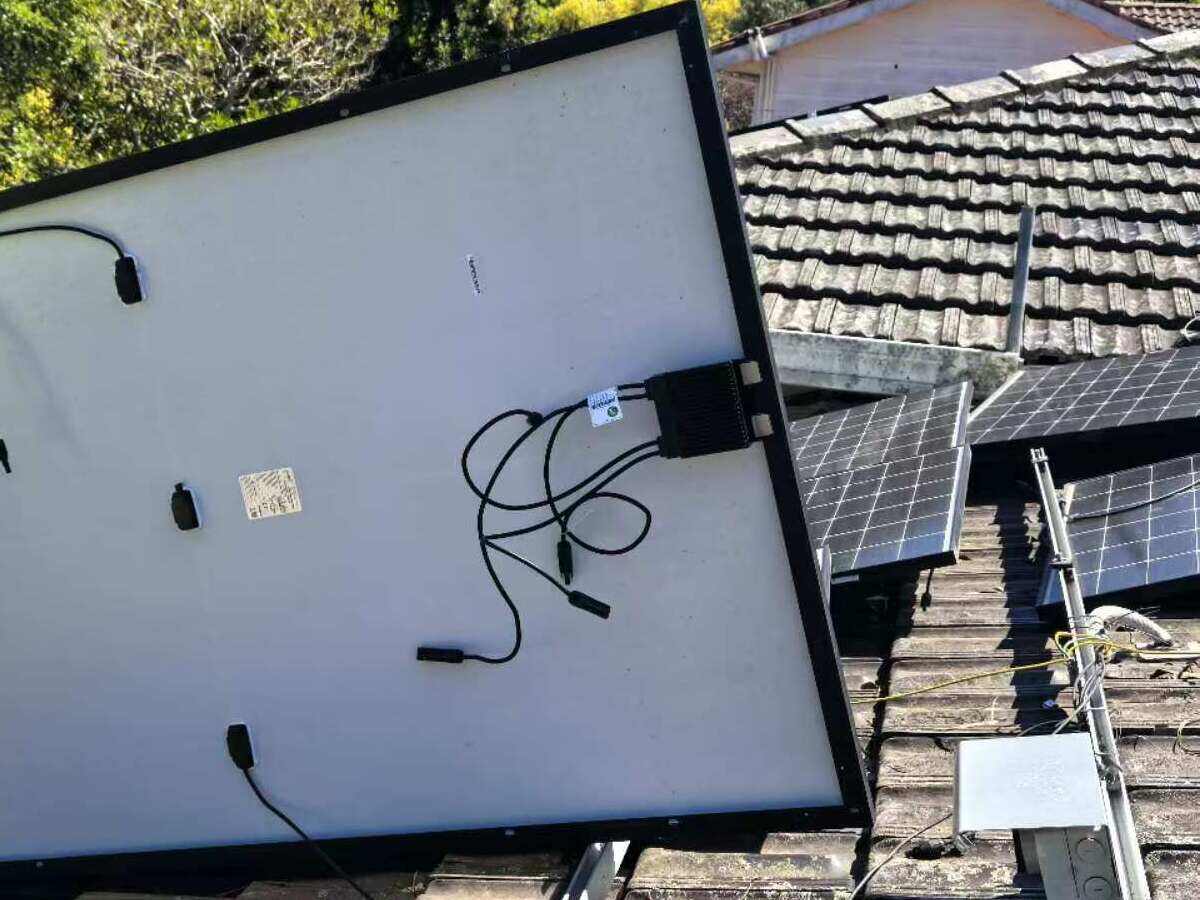
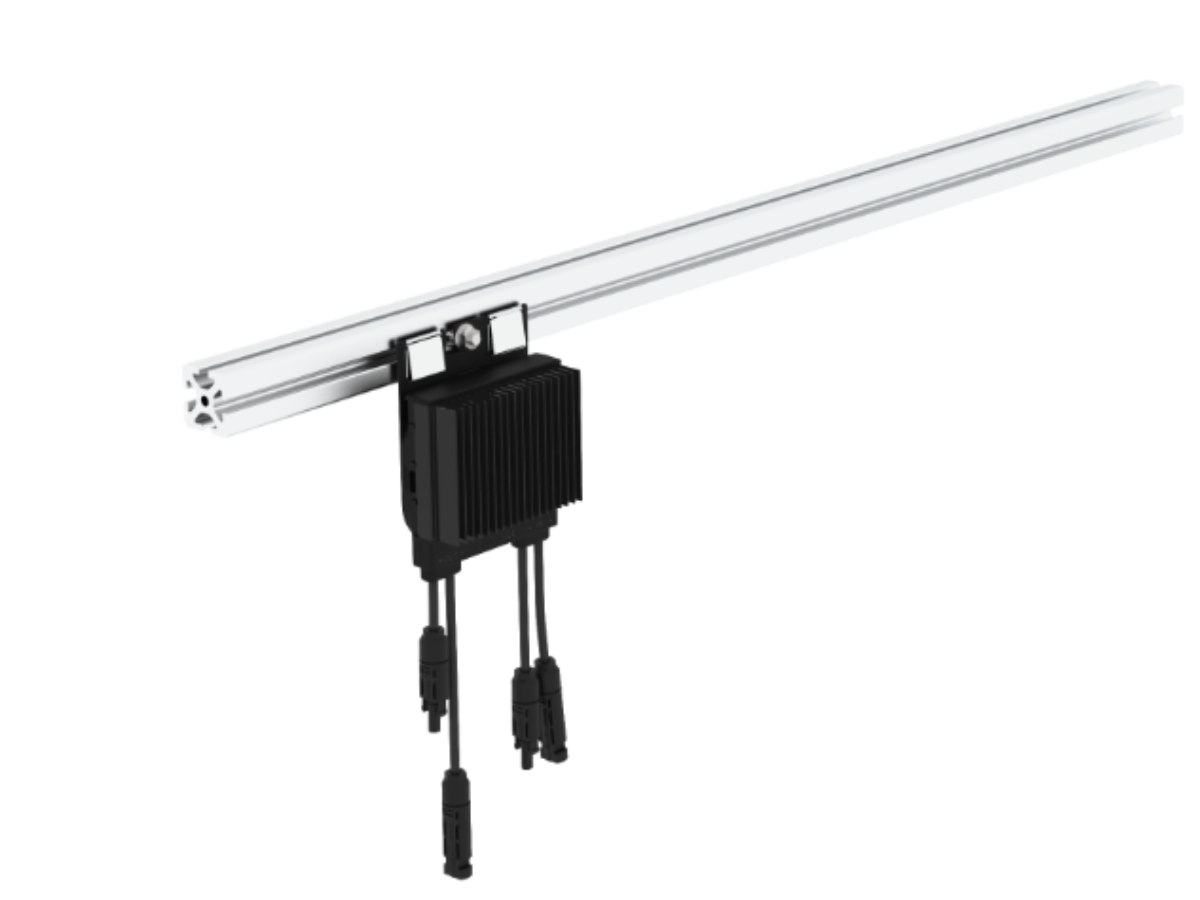
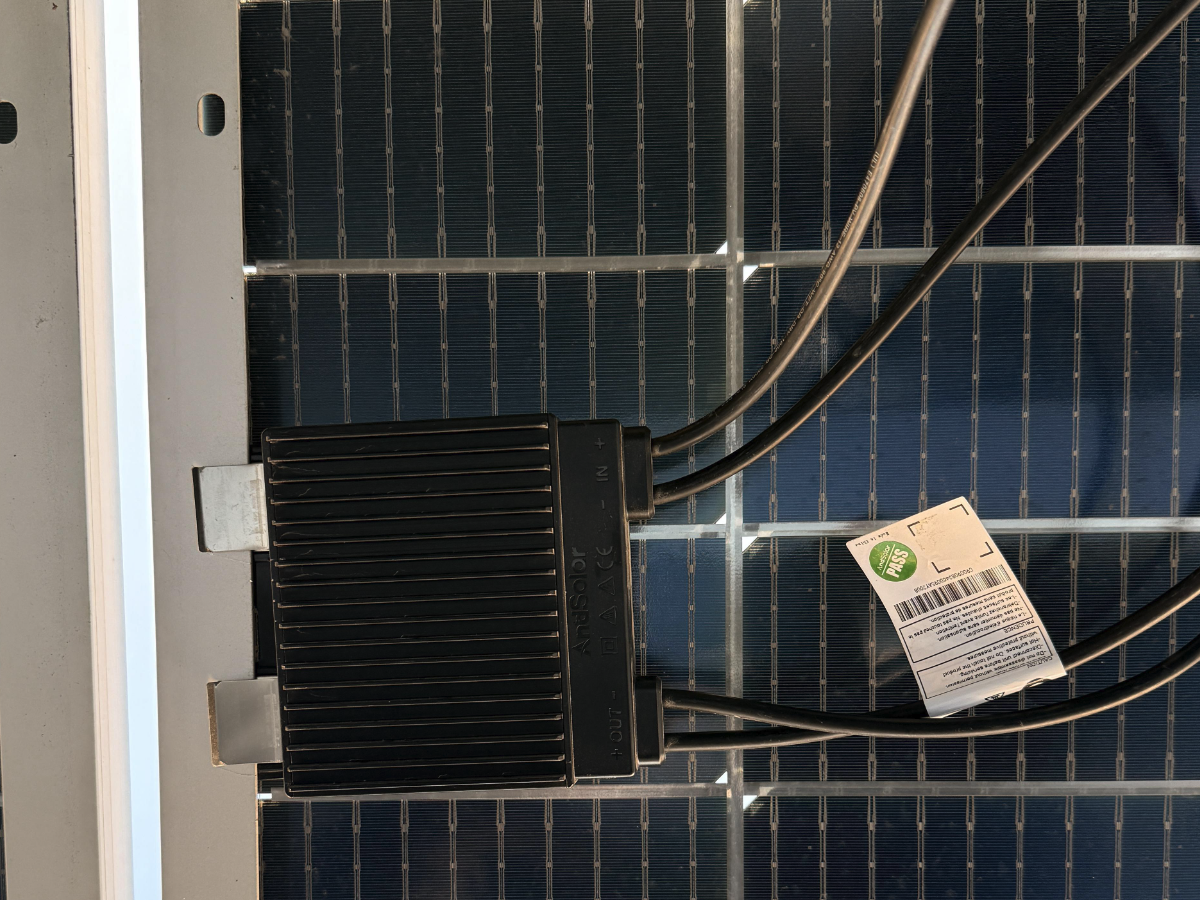
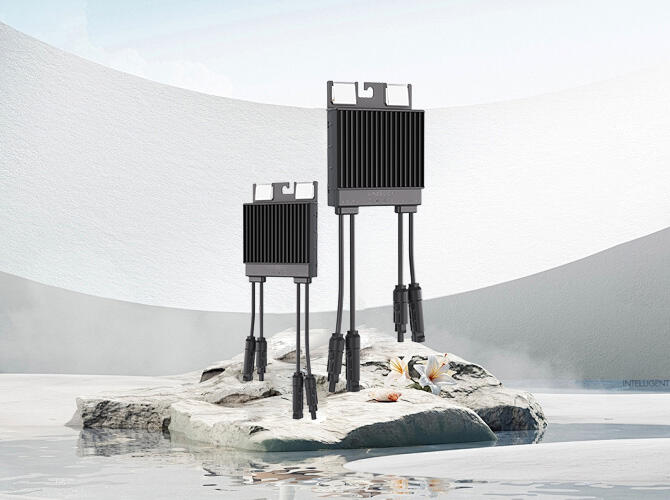
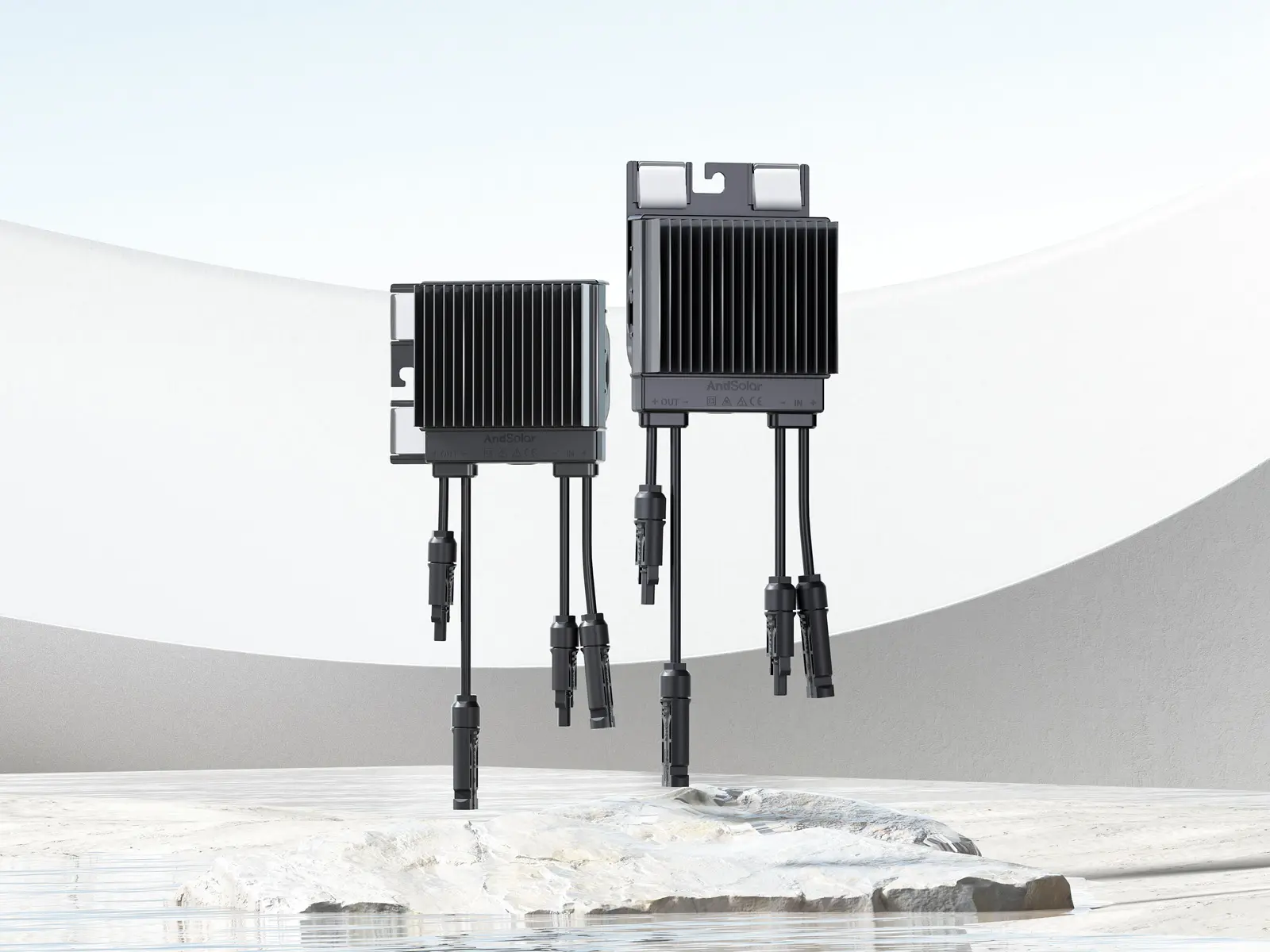
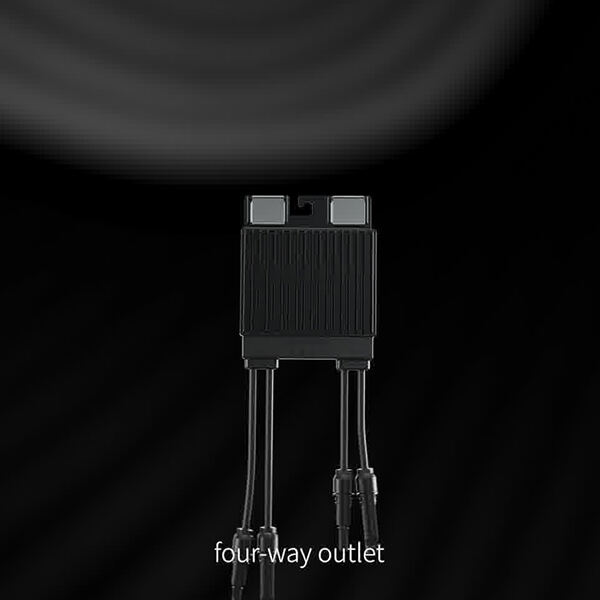
Optimizer compatibility with solar panels represents a revolutionary advancement in photovoltaic technology, fundamentally transforming how solar energy systems operate and perform. Solar optimizers are sophisticated electronic devices that attach to individual solar panels, creating a comprehensive system that maximizes energy production while providing unprecedented monitoring capabilities. The optimizer compatibility with solar panels ensures that each panel operates at its optimal power point, regardless of shading conditions, debris accumulation, or manufacturing variations that might affect neighboring panels. This technology eliminates the traditional series connection limitations found in conventional solar installations, where the performance of one underperforming panel could significantly impact the entire string's output. Modern optimizer compatibility with solar panels incorporates advanced maximum power point tracking algorithms that continuously adjust voltage and current parameters to extract the maximum available power from each individual panel throughout varying environmental conditions. The system includes integrated safety features such as rapid shutdown capabilities, which automatically reduce DC voltage to safe levels when needed, enhancing installer and first responder safety. Communication protocols built into optimizer compatibility with solar panels enable real-time monitoring of each panel's performance, allowing system owners and installers to identify maintenance needs, performance issues, or potential failures before they become significant problems. The technology supports various panel types, orientations, and tilt angles within the same installation, providing unprecedented design flexibility for complex roof configurations. Data collection capabilities inherent in optimizer compatibility with solar panels generate detailed analytics about energy production patterns, environmental impacts, and system health metrics that prove invaluable for maintenance scheduling and performance optimization strategies.
The advantages of optimizer compatibility with solar panels deliver substantial practical benefits that directly translate to improved system performance and enhanced return on investment for property owners. First and foremost, this technology dramatically increases energy harvest by ensuring each panel operates independently at its maximum efficiency point, typically resulting in 15-25% higher energy production compared to traditional string inverter systems. This improvement becomes particularly significant in installations with partial shading, multiple orientations, or varying tilt angles, where conventional systems would suffer from the weakest panel limiting overall performance. Optimizer compatibility with solar panels provides exceptional monitoring capabilities that give property owners complete visibility into their system's performance at the individual panel level. This granular monitoring allows for proactive maintenance approaches, enabling quick identification and resolution of issues before they impact overall system performance or cause complete panel failures. The enhanced safety features integrated into optimizer compatibility with solar panels significantly reduce risks during installation, maintenance, and emergency situations through automatic rapid shutdown capabilities that bring DC voltages to safe levels within seconds when activated. Design flexibility represents another major advantage, as optimizer compatibility with solar panels allows installations on complex roof configurations with multiple orientations, different tilt angles, and varying shading patterns that would be challenging or impossible with traditional inverter systems. The technology extends system lifespan by preventing hot spots and reducing stress on individual panels through optimized power management, resulting in better long-term performance and reduced degradation rates. Financial benefits include improved warranty terms, higher property values, and better financing options, as lenders and insurance companies recognize the superior performance and safety characteristics of systems with optimizer compatibility with solar panels. Maintenance costs decrease significantly due to precise fault detection capabilities and reduced need for system-wide troubleshooting. The modular nature of optimizer compatibility with solar panels also enables easy system expansion, allowing property owners to add panels incrementally without major system redesign or component replacement.

New Product Releases

Advanced Individual Panel Optimization Technology

Advanced Individual Panel Optimization Technology

The cornerstone advantage of optimizer compatibility with solar panels lies in its sophisticated individual panel optimization technology that revolutionizes energy harvesting efficiency. Unlike traditional solar installations where panels are connected in series and limited by the lowest-performing unit, optimizer compatibility with solar panels ensures each panel operates as an independent power generation unit with its own dedicated maximum power point tracking system. This technology continuously monitors and adjusts the electrical characteristics of each panel to extract optimal power output regardless of environmental conditions affecting neighboring panels. When partial shading occurs on a rooftop installation, conventional systems experience dramatic power losses as the shaded panels reduce the performance of the entire string. However, optimizer compatibility with solar panels eliminates this limitation by isolating each panel's performance, allowing unshaded panels to continue operating at full capacity while only the directly affected panels experience reduced output. This independent operation extends to manufacturing variations between panels, where slight differences in electrical characteristics that would normally create imbalances in string configurations are automatically compensated through individual optimization algorithms. The technology incorporates sophisticated power electronics that include DC-DC converters capable of handling wide voltage ranges and current variations while maintaining high efficiency levels throughout the optimization process. Real-time environmental condition assessment enables optimizer compatibility with solar panels to adapt instantly to changing light conditions, temperature fluctuations, and seasonal variations that affect panel performance throughout the day and across different weather patterns. The precision control achieved through this individual optimization approach typically results in 15-25% increased energy production compared to conventional systems, with even greater improvements in installations with challenging environmental conditions or complex architectural features that create shading patterns.
Comprehensive Real-Time Monitoring and Diagnostics

Comprehensive Real-Time Monitoring and Diagnostics

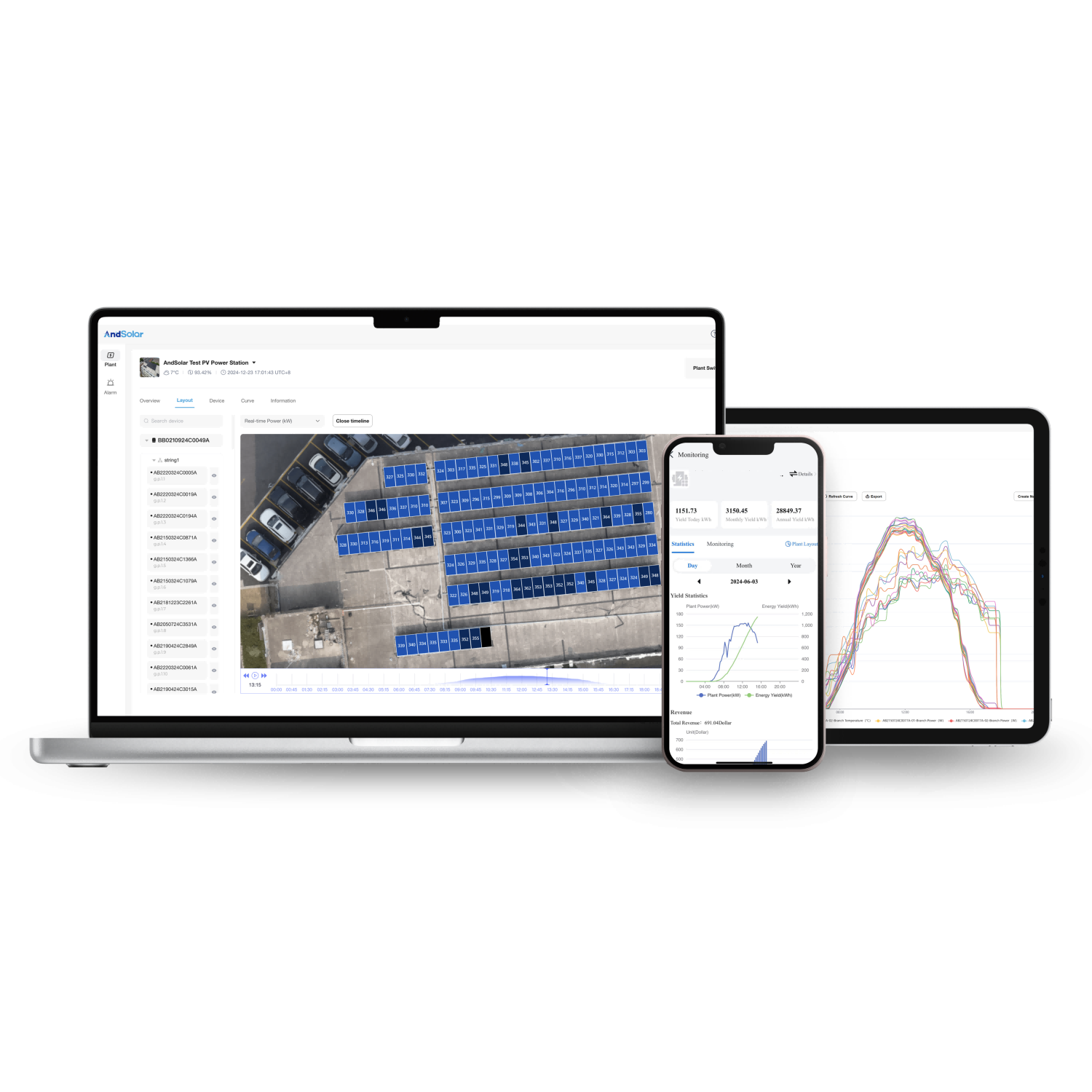
Optimizer compatibility with solar panels delivers unprecedented monitoring and diagnostic capabilities that transform system management from reactive maintenance to proactive performance optimization. Each optimizer unit functions as an intelligent sensor platform that continuously collects detailed performance data from its associated panel, including voltage, current, power output, temperature readings, and operational status indicators that provide complete visibility into system health and performance characteristics. This comprehensive data collection enables optimizer compatibility with solar panels to generate detailed analytics that reveal performance trends, identify gradual degradation patterns, and predict maintenance needs before they result in significant energy losses or component failures. The monitoring system creates individual performance profiles for each panel, establishing baseline measurements that serve as reference points for ongoing performance comparisons and anomaly detection algorithms. When performance deviations occur, the system immediately flags affected panels and provides specific diagnostic information that guides maintenance personnel to exact problem locations, eliminating time-consuming troubleshooting procedures and reducing service costs. Environmental correlation features built into optimizer compatibility with solar panels cross-reference performance data with weather conditions, seasonal patterns, and historical production records to distinguish between normal environmental variations and actual system issues requiring attention. Advanced fault detection algorithms can identify various problem types including cell-level failures, connection issues, soiling accumulation, and physical damage that might not be visible during routine visual inspections. The monitoring platform typically includes user-friendly interfaces accessible through web portals and mobile applications that present complex technical data in easily understandable formats, enabling system owners to track energy production, identify optimization opportunities, and verify system performance against expectations. Integration capabilities allow optimizer compatibility with solar panels monitoring systems to interface with building management systems, utility programs, and third-party energy management platforms for comprehensive energy monitoring and control strategies.
Enhanced Safety Features and Code Compliance

Enhanced Safety Features and Code Compliance

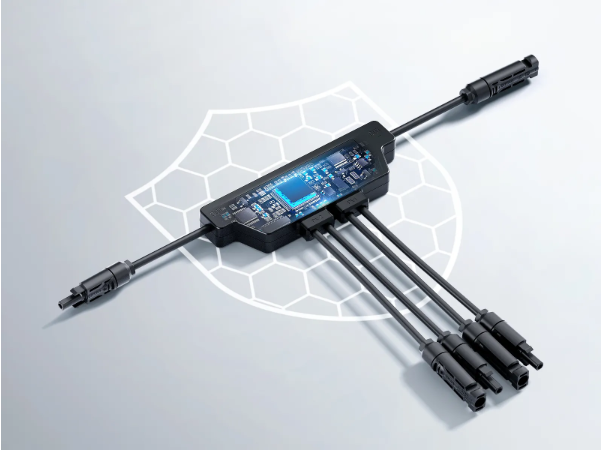
Safety enhancement represents a critical advantage of optimizer compatibility with solar panels, incorporating advanced rapid shutdown capabilities and safety protocols that exceed traditional solar installation requirements while providing superior protection for installers, maintenance personnel, and emergency responders. The integrated safety systems automatically reduce DC voltage levels to safe parameters within seconds when shutdown signals are received, effectively eliminating the high-voltage hazards typically associated with solar installations during emergency situations or maintenance procedures. This rapid shutdown functionality operates at the individual panel level through optimizer compatibility with solar panels, ensuring that voltage reduction occurs immediately at the source rather than relying on centralized shutdown systems that might be compromised during emergency conditions. The technology includes multiple redundant safety mechanisms that continue operating even if primary communication systems fail, providing fail-safe protection through independent shutdown circuits built into each optimizer unit. Arc fault detection capabilities integrated into optimizer compatibility with solar panels continuously monitor electrical connections for signs of arcing conditions that could lead to fire hazards, automatically disconnecting affected circuits when dangerous conditions are detected. Ground fault protection systems provide additional safety layers by monitoring insulation integrity and detecting ground faults that might compromise system safety or create electrocution risks. Installation safety improves significantly through optimizer compatibility with solar panels because installers work with reduced DC voltages and can test individual panel performance during installation rather than working with high-voltage string configurations. Code compliance advantages include meeting evolving electrical codes and safety standards that increasingly require module-level safety features and rapid shutdown capabilities. The technology supports various safety communication protocols including power line communication and wireless systems that ensure reliable safety signal transmission even in challenging installation environments. Emergency response benefits include simplified system shutdown procedures that emergency personnel can activate without specialized knowledge of solar system configurations, and clear identification of safe and de-energized system components during emergency operations.

Get a Free Quote

Our representative will contact you soon.
Name
Email
Phone/ WhatsApp
Company Name
Product Selection
Message
0/1000

optimizer compatibility with solar panels

Practical Tips

Rapid shutdown for solar: What you need to know

16

Jun

Rapid shutdown for solar: What you need to know

What Is Solar Rapid Shutdown? Definition and Core Purpose Solar rapid shutdown is an essential safety measure referring to the quick disconnection of photovoltaic (PV) panels from the power system. This process ensures the system stops producing ele...
View More
A detailed comparison between microinverters and optimizers

21

Jul

A detailed comparison between microinverters and optimizers

Understanding Modern Solar Panel Efficiency Technologies As solar energy systems become more mainstream for residential and commercial applications, the conversation has moved beyond panels themselves to the technologies that enhance their performan...
View More
How Much Will the Optimizer Improve My Power Generation?

11

Aug

How Much Will the Optimizer Improve My Power Generation?

Unlocking Higher Energy Yields Through Advanced Optimization The evolution of solar technology has shifted the conversation from simply installing panels to maximizing their potential. Today, system owners are looking for ways to extract every possib...
View More
How Can the Optimizers Maximize the Energy Output?

11

Aug

How Can the Optimizers Maximize the Energy Output?

Driving Solar Efficiency to New Heights In the fast-evolving world of renewable energy, technology plays a crucial role in making solar systems more effective and profitable. Beyond choosing high-quality panels, the way each panel operates can greatl...
View More

Get a Free Quote

Our representative will contact you soon.
Name
Email
Phone/ WhatsApp
Company Name
Product Selection
Message
0/1000