Malaysia Rapid Shutdown Regulation: Comprehensive Safety Standards for Solar Installations

  • 8F, Block B, Building 1, 286 Qinglonggang Road, Suzhou City, Jiangsu Province, P. R. China
  • [email protected]
AndSolar Cloud

malaysia rapid shutdown regulation

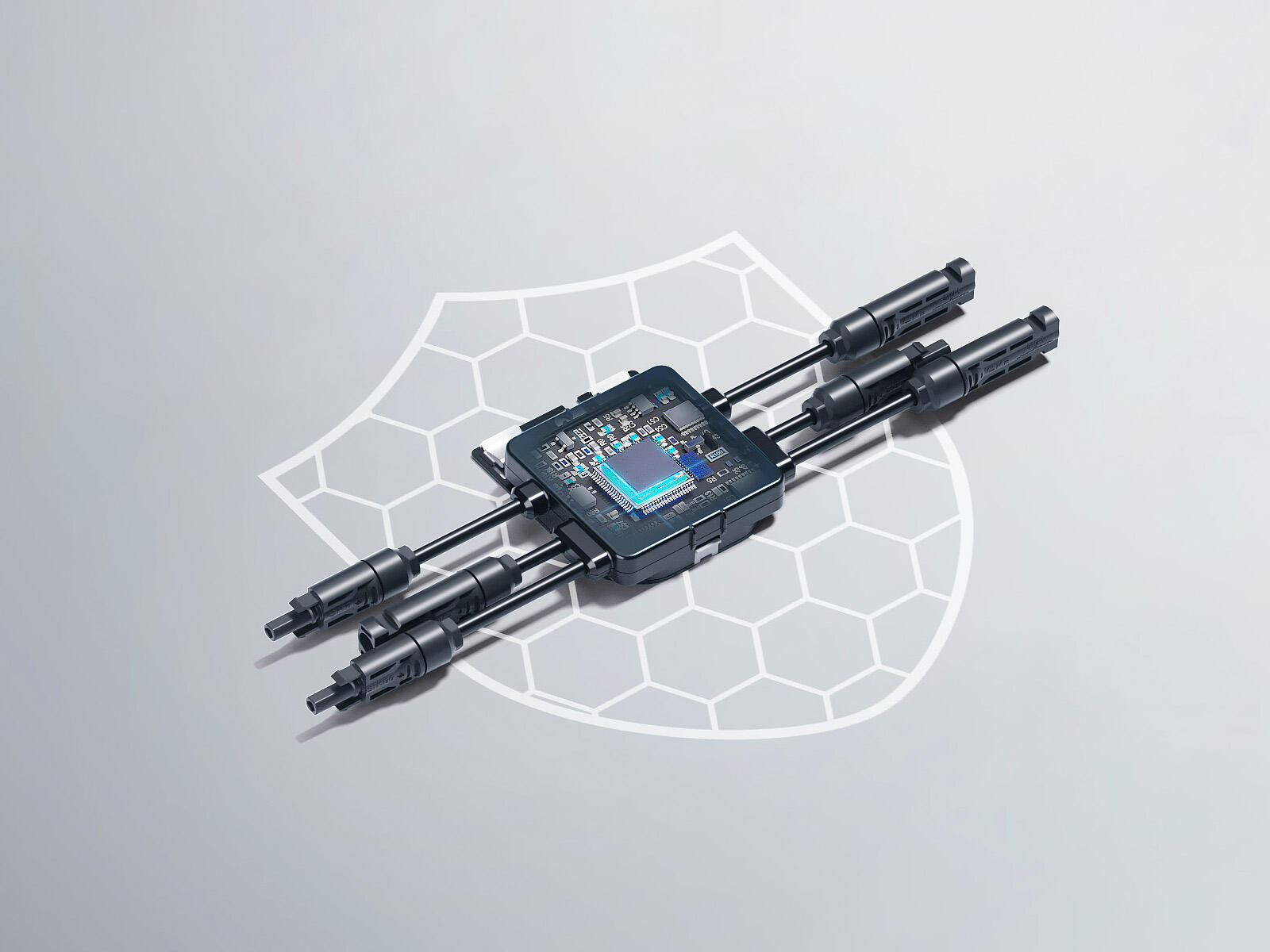
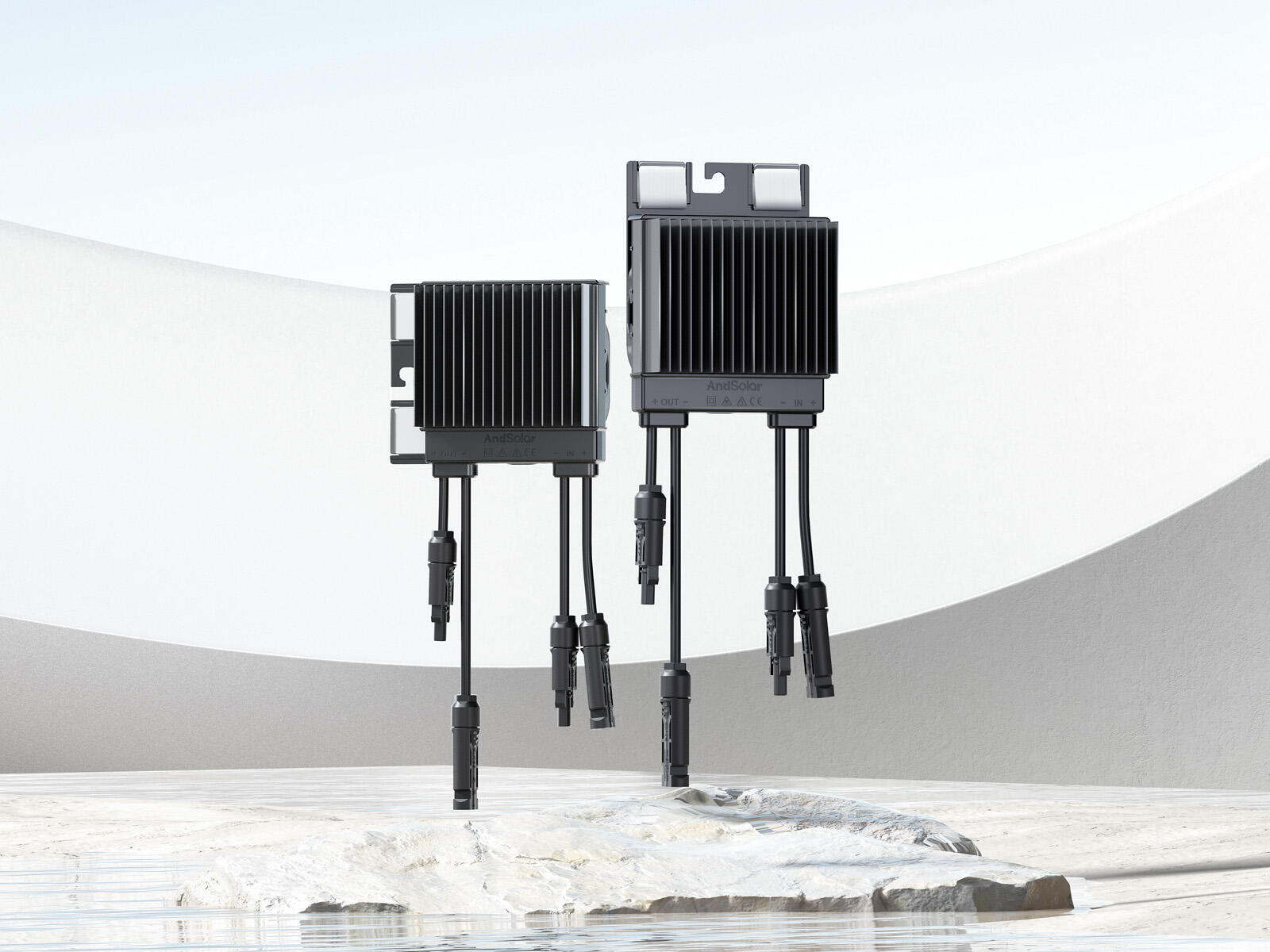
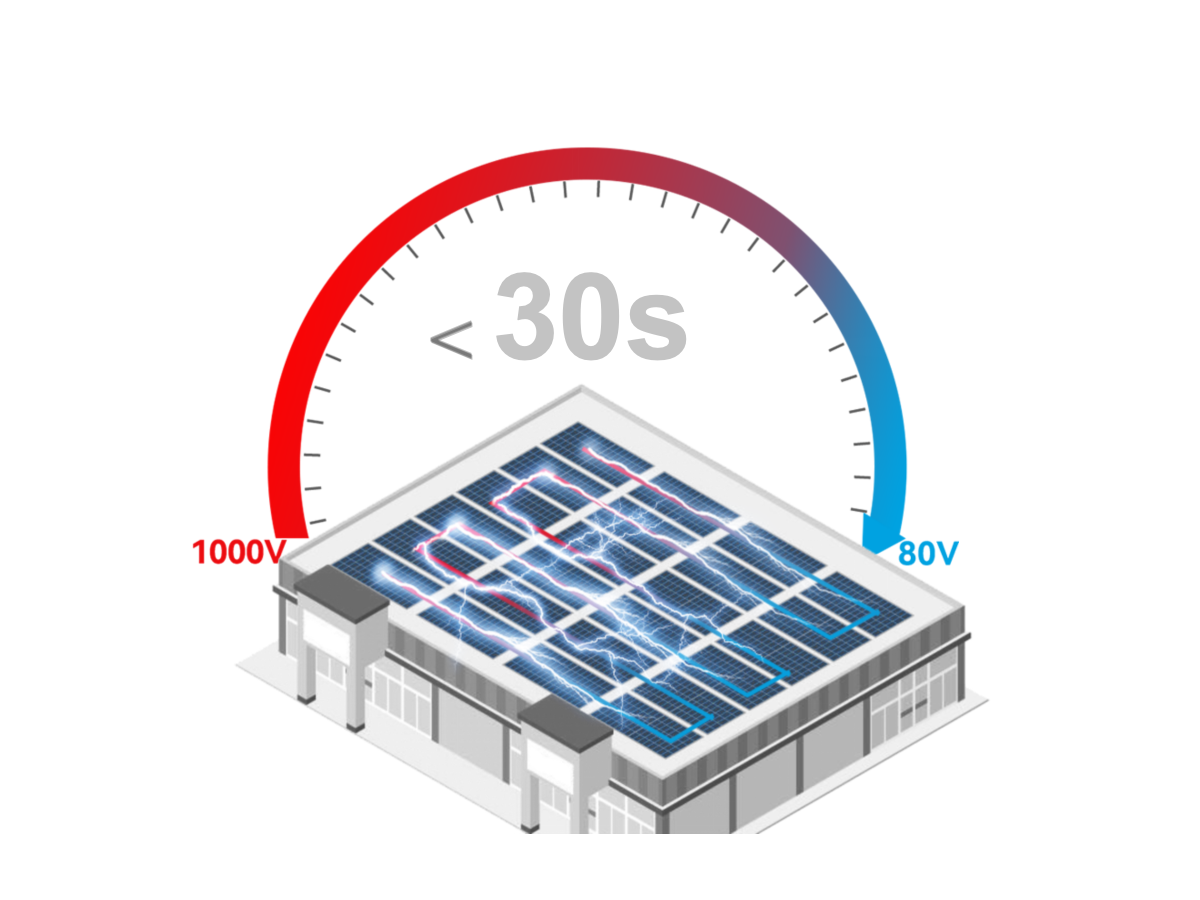
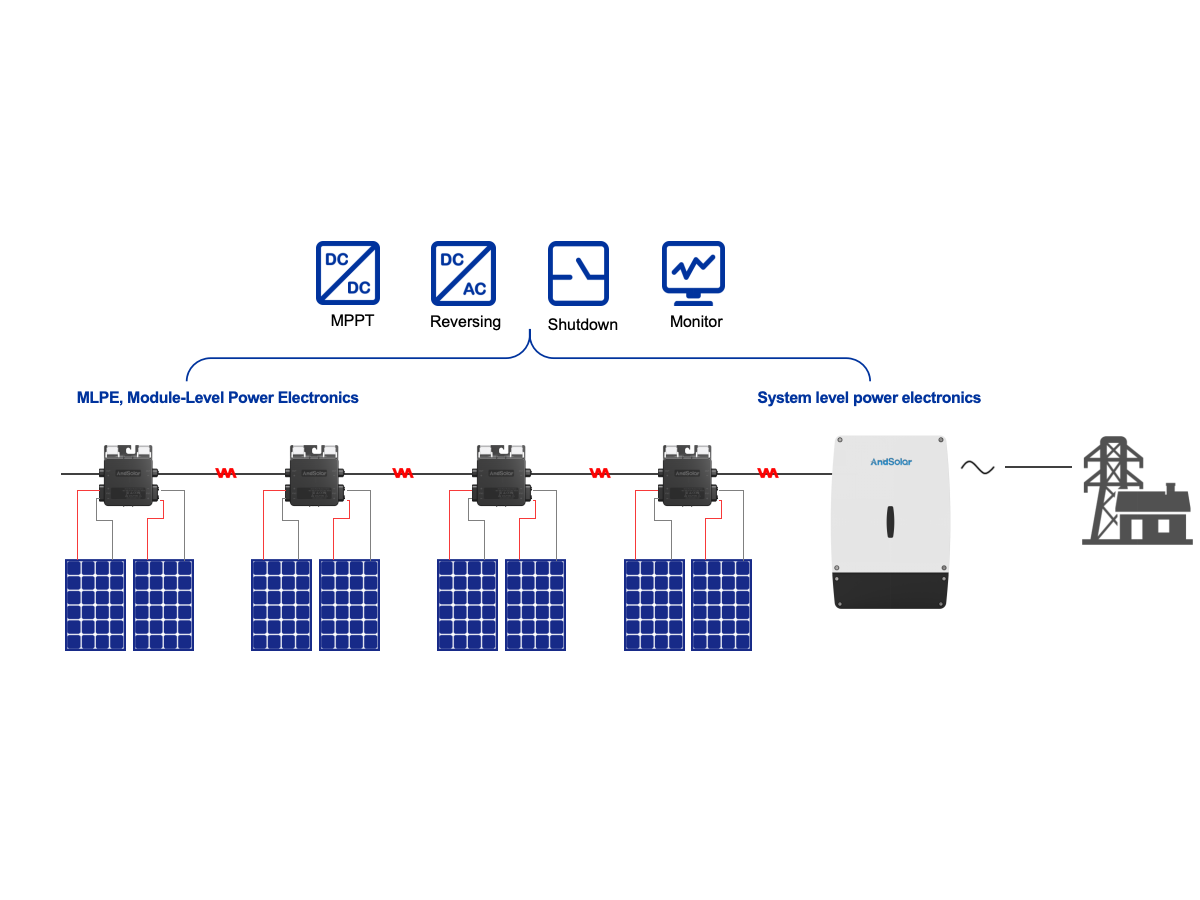
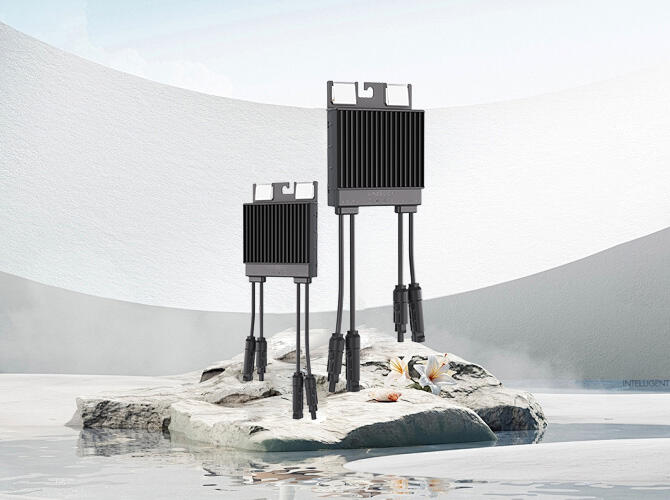
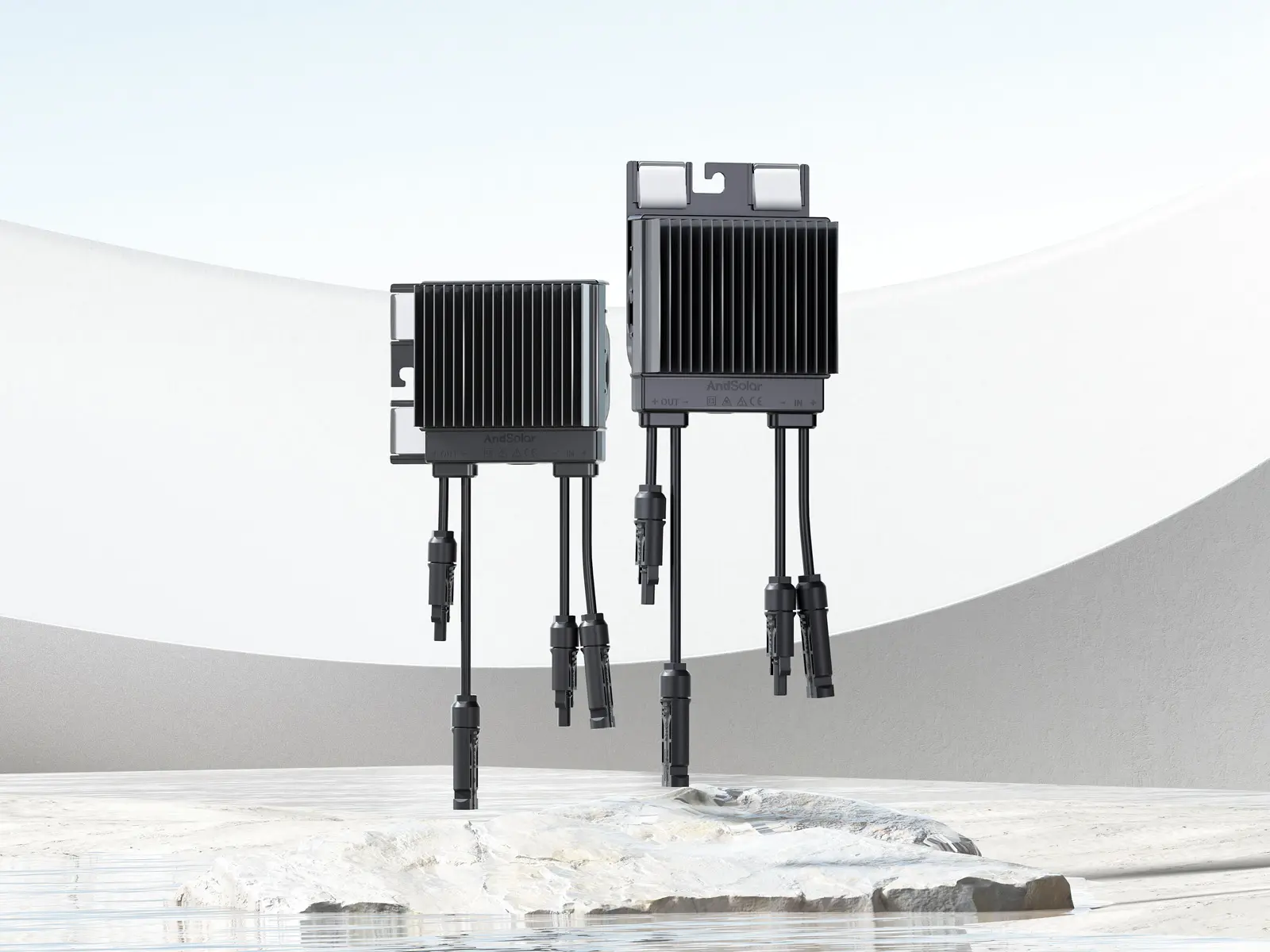
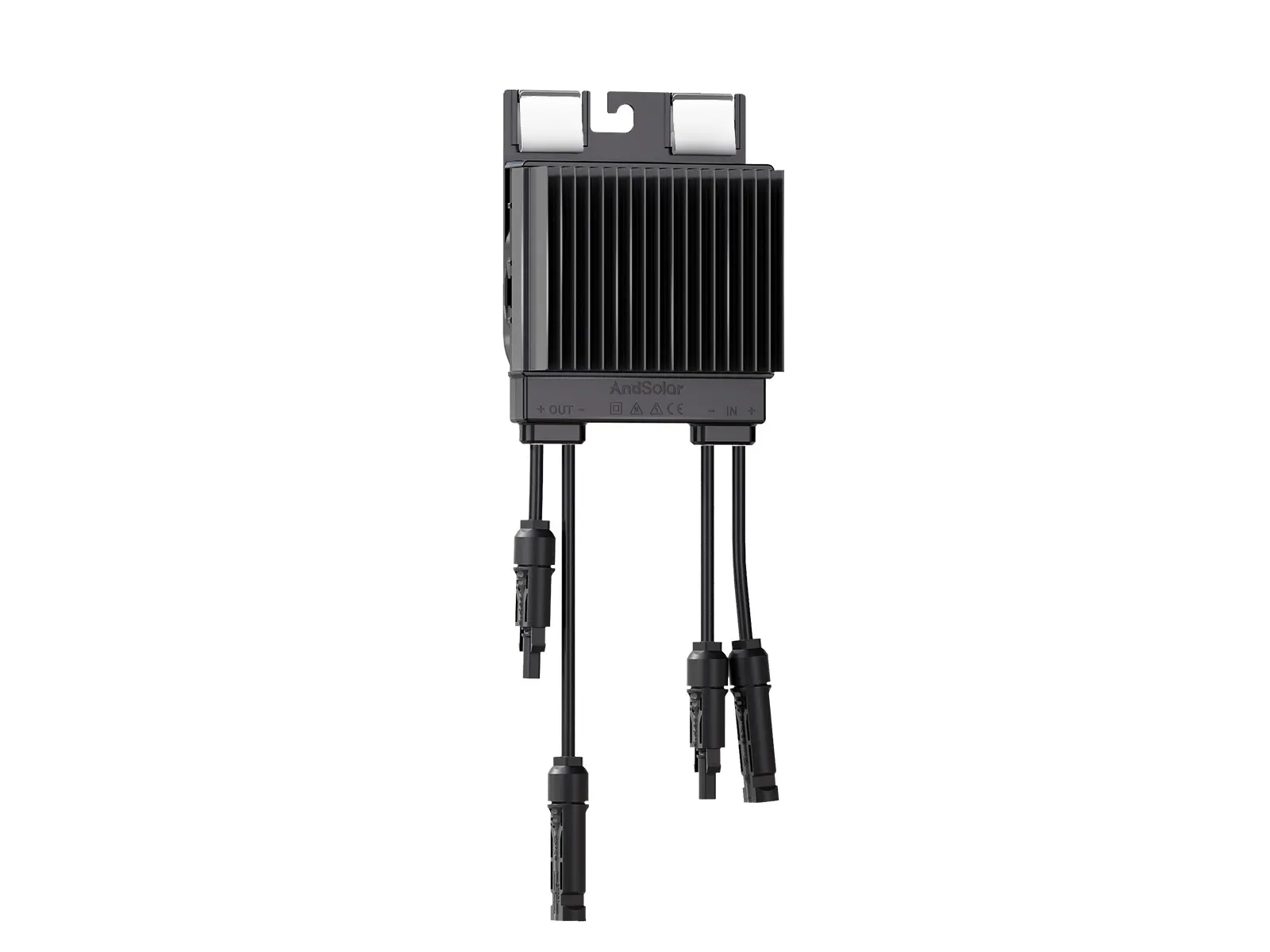
The malaysia rapid shutdown regulation represents a comprehensive safety framework designed to enhance the protection of solar photovoltaic installations throughout Malaysia. This critical regulation mandates the implementation of rapid shutdown devices and systems in solar energy installations to ensure the safety of emergency responders, maintenance personnel, and the general public. The malaysia rapid shutdown regulation establishes specific requirements for how quickly solar systems must be de-energized when necessary, typically requiring shutdown within 30 seconds of activation. The regulation applies to both residential and commercial solar installations, ensuring consistent safety standards across all sectors of the renewable energy industry. Key technological features of the malaysia rapid shutdown regulation include module-level power electronics integration, centralized shutdown controllers, and communication protocols that enable remote monitoring and control capabilities. These systems must be capable of reducing DC voltage to safe levels at both the module and system levels, preventing electrical hazards during emergencies or maintenance activities. The regulation specifies that rapid shutdown devices must be installed at strategic points throughout the solar array, including individual modules, combiner boxes, and inverter locations. Installation requirements under the malaysia rapid shutdown regulation encompass proper labeling, accessible shutdown switches, and integration with existing electrical safety systems. The regulation also addresses communication requirements between different system components, ensuring reliable and instantaneous response when shutdown commands are initiated. Applications of the malaysia rapid shutdown regulation extend beyond basic safety compliance, as it enables enhanced system diagnostics, improved maintenance procedures, and better integration with smart grid technologies. The regulation supports various deployment scenarios, from small residential rooftop installations to large-scale commercial and utility projects, providing scalable safety solutions that adapt to different system configurations and requirements while maintaining consistent protection standards.
The malaysia rapid shutdown regulation delivers substantial benefits that directly impact safety, operational efficiency, and long-term system reliability for solar energy stakeholders. Enhanced safety protection stands as the primary advantage, as the regulation ensures that emergency responders can quickly de-energize solar systems during fire suppression or rescue operations, significantly reducing the risk of electrical shock or electrocution. This safety enhancement extends to maintenance personnel who can confidently perform routine inspections, cleaning, and repairs knowing that the system can be rapidly shutdown when required. The malaysia rapid shutdown regulation also provides substantial cost savings through reduced insurance premiums, as many insurance companies offer lower rates for solar installations that comply with advanced safety standards. Property owners benefit from increased system reliability, as rapid shutdown devices often include diagnostic capabilities that help identify potential issues before they become costly problems. The regulation facilitates faster emergency response times, as first responders no longer need to wait for utility personnel to disconnect solar systems before beginning their operations. This improved response capability can be crucial in life-threatening situations where every second matters. Compliance with the malaysia rapid shutdown regulation also enhances property values, as safety-certified solar installations are increasingly viewed as premium features by potential buyers and commercial tenants. The regulation supports better system monitoring and control, enabling property owners to optimize energy production and identify performance issues more quickly. Installation companies benefit from standardized requirements that streamline design and installation processes, reducing project timelines and associated costs. The malaysia rapid shutdown regulation promotes technological innovation by encouraging manufacturers to develop more sophisticated and reliable shutdown devices, ultimately leading to better products and competitive pricing. Long-term maintenance costs are reduced because rapid shutdown systems often include remote monitoring capabilities that allow for predictive maintenance scheduling. The regulation also supports grid stability by enabling utility companies to quickly isolate solar installations during grid disturbances or maintenance activities, contributing to overall electrical system reliability and reducing the risk of cascading failures.

New Product Recommendations

Advanced Safety Integration for Emergency Response

Advanced Safety Integration for Emergency Response

The malaysia rapid shutdown regulation establishes unprecedented safety standards that revolutionize how emergency responders interact with solar-powered properties during critical situations. This comprehensive safety integration ensures that firefighters, paramedics, and other first responders can operate with confidence, knowing that solar systems can be immediately de-energized to eliminate electrical hazards. The regulation mandates that shutdown activation must occur within 30 seconds, providing rapid response capabilities that can mean the difference between life and death in emergency scenarios. Traditional solar installations without rapid shutdown capabilities pose significant risks to emergency personnel, as energized DC circuits can remain active even when AC power is disconnected, creating invisible dangers that complicate rescue operations. The malaysia rapid shutdown regulation addresses these concerns by requiring multiple layers of protection, including module-level shutdown devices, centralized control systems, and clearly marked emergency disconnect switches that are easily accessible to emergency personnel. The safety integration extends beyond basic shutdown functionality to include comprehensive labeling requirements that help first responders quickly identify system components and shutdown procedures. Emergency response training programs have been developed specifically to support the malaysia rapid shutdown regulation, ensuring that local fire departments and emergency services understand how to effectively utilize these safety systems. The regulation also requires that shutdown devices maintain their protective functions even during adverse weather conditions, power outages, or system malfunctions, providing reliable safety performance when it is needed most. Property owners benefit from enhanced insurance coverage options and reduced liability concerns, as compliance with the malaysia rapid shutdown regulation demonstrates a commitment to safety that insurance companies recognize and reward. The advanced safety integration also supports better coordination between emergency responders and utility personnel, as standardized shutdown procedures reduce confusion and improve response effectiveness during complex emergency situations involving multiple agencies and stakeholders.
Intelligent System Monitoring and Diagnostic Capabilities

Intelligent System Monitoring and Diagnostic Capabilities

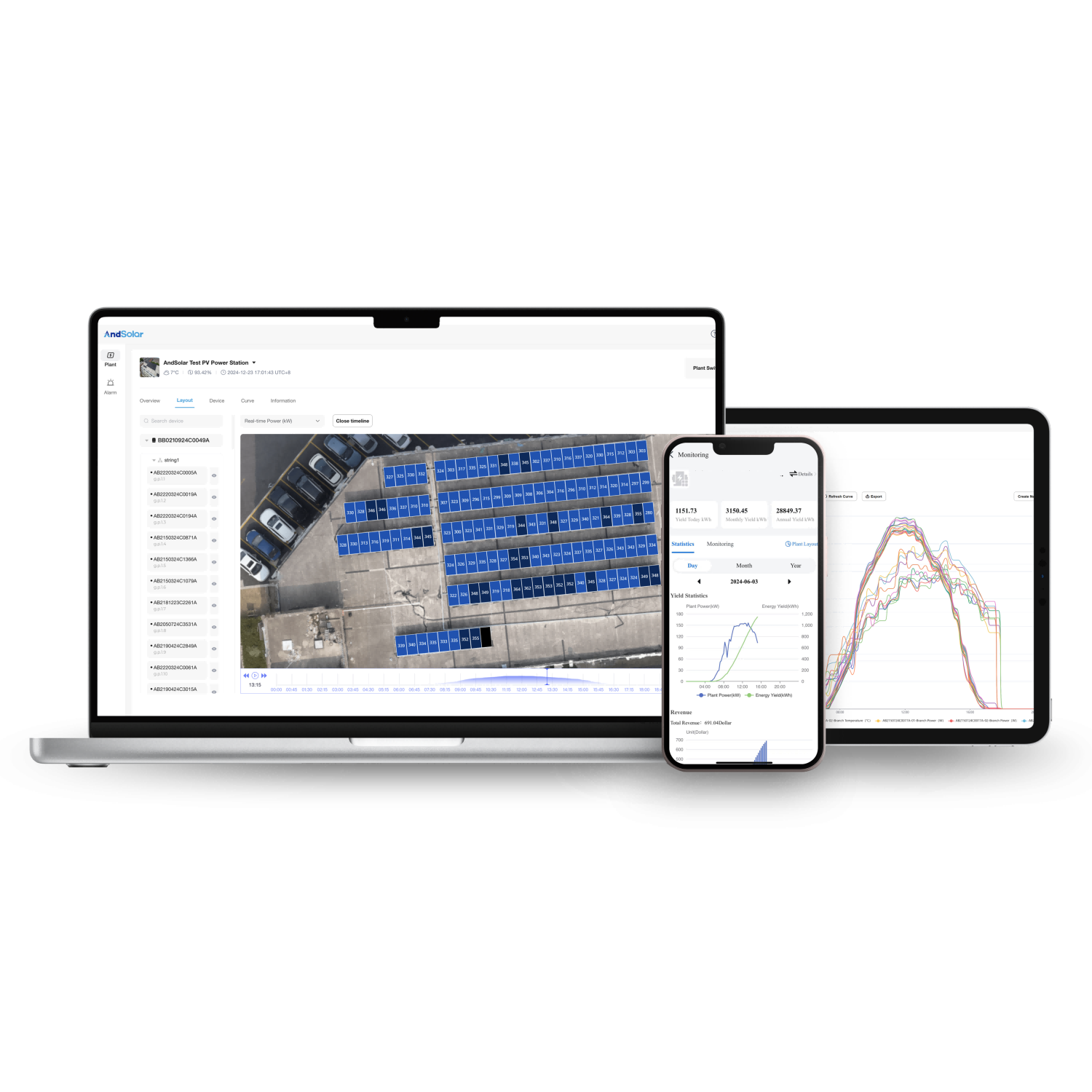
The malaysia rapid shutdown regulation incorporates sophisticated monitoring and diagnostic features that transform solar installations into intelligent energy systems capable of self-assessment and predictive maintenance. These advanced capabilities extend far beyond basic shutdown functionality, providing property owners with comprehensive insights into system performance, component health, and potential maintenance needs. The regulation requires that rapid shutdown devices include communication protocols that enable real-time monitoring of individual modules, inverters, and system components, creating a detailed picture of overall system health and performance. This intelligent monitoring capability allows property owners to identify underperforming modules, detect wiring issues, and predict component failures before they impact energy production or system safety. The malaysia rapid shutdown regulation supports integration with smart home systems and energy management platforms, enabling automated responses to changing energy demands, weather conditions, and utility rate structures. Advanced diagnostic features include thermal monitoring, arc fault detection, and ground fault protection that work together to prevent dangerous conditions while optimizing energy production. The regulation also mandates that monitoring systems maintain historical performance data, enabling trend analysis that helps property owners make informed decisions about system upgrades, maintenance scheduling, and energy usage patterns. Remote monitoring capabilities supported by the malaysia rapid shutdown regulation allow installation companies and maintenance providers to offer superior customer service through proactive system management and rapid response to potential issues. The intelligent monitoring features also support utility grid integration by providing real-time data about distributed solar generation, helping utility companies better manage grid stability and plan for renewable energy integration. Property owners can access detailed performance reports through mobile applications and web-based dashboards that present complex system data in user-friendly formats, making it easy to understand energy production trends and system efficiency metrics. These monitoring capabilities often include weather correlation features that help users understand how environmental conditions affect their solar energy production and make informed decisions about energy consumption and storage strategies.
Future-Proof Technology Integration and Scalability

Future-Proof Technology Integration and Scalability

The malaysia rapid shutdown regulation establishes a foundation for future-proof technology integration that ensures solar installations remain compatible with evolving safety standards, grid requirements, and smart energy technologies. This forward-thinking approach protects property owners' investments by requiring shutdown systems that can adapt to changing regulatory requirements and technological advances without necessitating complete system replacements. The regulation supports modular technology architectures that enable easy upgrades and additions as new features become available, ensuring that early adopters of rapid shutdown technology can benefit from future innovations without significant additional investments. Scalability features built into the malaysia rapid shutdown regulation allow systems to grow with changing energy needs, whether through additional solar modules, battery storage integration, or electric vehicle charging capabilities. The regulation anticipates the integration of artificial intelligence and machine learning technologies that can optimize system performance, predict maintenance needs, and automatically adjust system parameters based on usage patterns and environmental conditions. Communication protocols specified in the malaysia rapid shutdown regulation support integration with emerging smart grid technologies, including demand response programs, virtual power plants, and peer-to-peer energy trading platforms that are expected to become more prevalent in the coming years. The regulation also addresses cybersecurity requirements that protect solar installations from digital threats while maintaining the connectivity needed for advanced monitoring and control features. Future-proof design elements include support for wireless communication upgrades, enhanced data analytics capabilities, and integration with energy storage systems that are becoming increasingly important for maximizing solar energy value. The malaysia rapid shutdown regulation recognizes that energy technology continues to evolve rapidly and establishes flexible standards that can accommodate innovations while maintaining essential safety and performance requirements. Property owners benefit from investment protection through standardized interfaces and communication protocols that prevent technology lock-in and ensure compatibility with multiple manufacturer products. The regulation also supports integration with building automation systems, enabling solar installations to work seamlessly with heating, cooling, lighting, and security systems to optimize overall building energy performance and create truly intelligent building environments that adapt to occupant needs and environmental conditions.

Get a Free Quote

Our representative will contact you soon.
Name
Email
Phone/ WhatsApp
Company Name
Product Selection
Message
0/1000

malaysia rapid shutdown regulation

Latest News

Rapid shutdown for solar: What you need to know

16

Jun

Rapid shutdown for solar: What you need to know

What Is Solar Rapid Shutdown? Definition and Core Purpose Solar rapid shutdown is an essential safety measure referring to the quick disconnection of photovoltaic (PV) panels from the power system. This process ensures the system stops producing ele...
View More
A detailed comparison between microinverters and optimizers

21

Jul

A detailed comparison between microinverters and optimizers

Understanding Modern Solar Panel Efficiency Technologies As solar energy systems become more mainstream for residential and commercial applications, the conversation has moved beyond panels themselves to the technologies that enhance their performan...
View More
Benefits of MLPE VS. traditional PV system

21

Jul

Benefits of MLPE VS. traditional PV system

Comparing Modern and Traditional Approaches to Solar Power Management As solar energy adoption continues to grow globally, both homeowners and commercial operators face critical choices in system architecture. Among the most significant is the decis...
View More
Module-level power electronics (MLPE) roles in PV systems

21

Jul

Module-level power electronics (MLPE) roles in PV systems

Enhancing Solar Energy Efficiency Through Module-Level Innovations In the evolution of solar energy systems, the demand for improved efficiency, safety, and monitoring capabilities has driven the emergence of module-level technologies that fundament...
View More

Get a Free Quote

Our representative will contact you soon.
Name
Email
Phone/ WhatsApp
Company Name
Product Selection
Message
0/1000