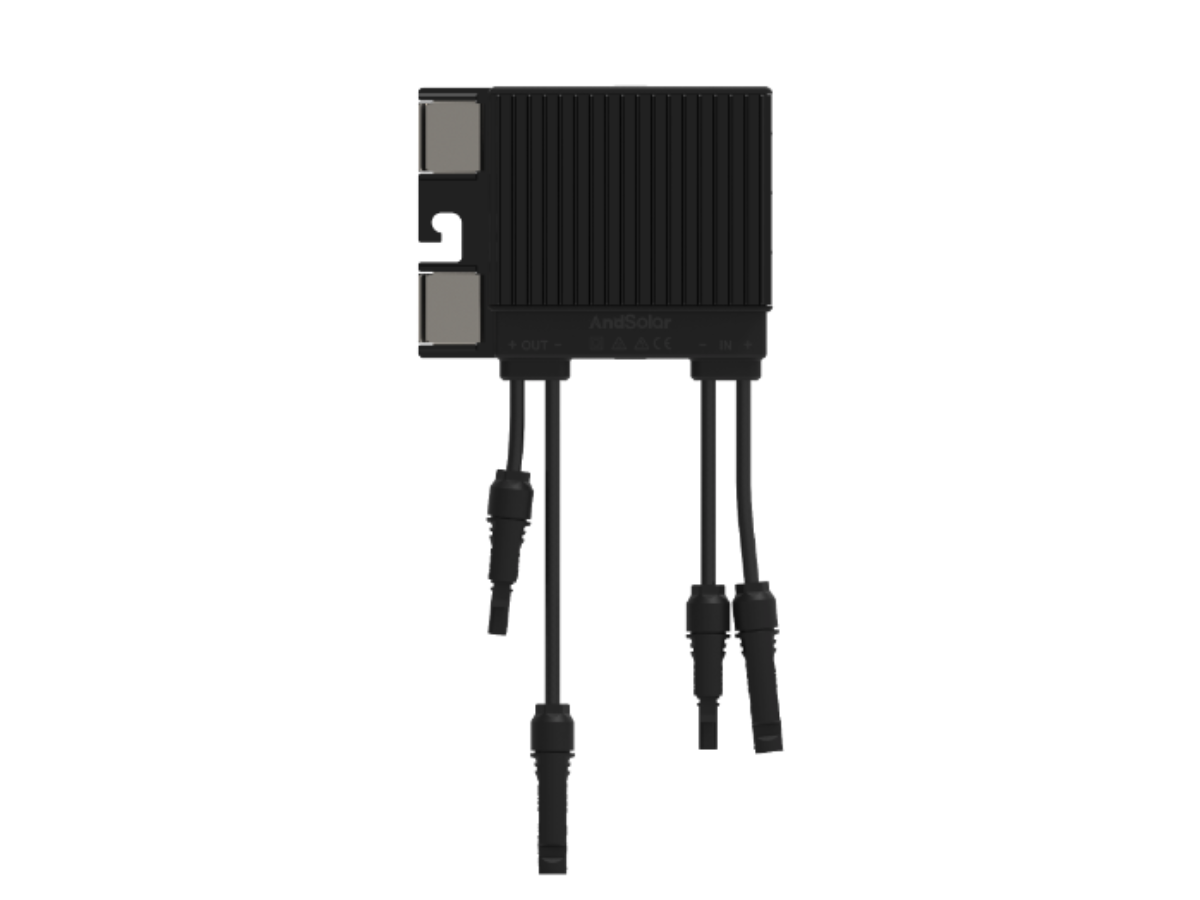
Accurate forecasting of energy production and revenue represents one of the most critical challenges facing solar project developers, investors, and operators today. The financial viability of solar installations hinges on precise predictions that account for complex variables including meteorological conditions, equipment performance degradation, grid interconnection factors, and evolving market dynamics. Without robust solar energy forecasting methodologies, project stakeholders face significant risks including cash flow shortfalls, financing complications, and suboptimal operational decisions that can impact long-term profitability.
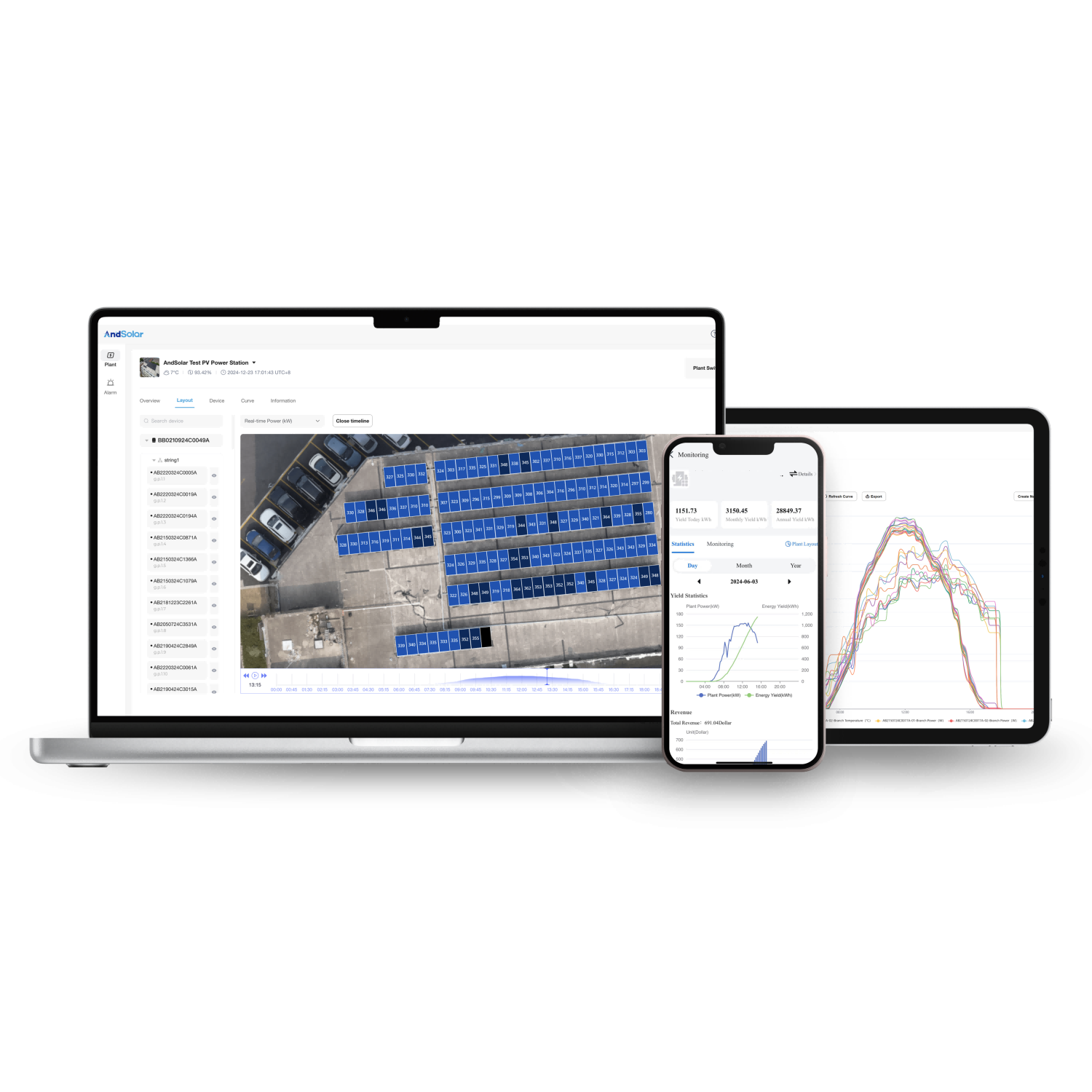
The complexity of solar energy forecasting extends beyond simple irradiance calculations to encompass sophisticated modeling techniques that integrate historical weather patterns, real-time atmospheric data, equipment specifications, and economic variables. Modern forecasting approaches leverage machine learning algorithms, satellite imagery analysis, and advanced statistical models to generate probabilistic scenarios that inform critical business decisions. Understanding how to implement comprehensive forecasting frameworks enables solar professionals to minimize uncertainty, optimize system design parameters, and establish realistic revenue projections that satisfy both technical requirements and financial expectations.
Understanding the Fundamentals of Solar Energy Production Forecasting
Core Components of Solar Irradiance Modeling
Solar energy forecasting begins with comprehensive irradiance modeling that captures the complex relationship between solar resource availability and photovoltaic system output. Direct normal irradiance, diffuse horizontal irradiance, and global horizontal irradiance measurements form the foundation for accurate production estimates. Advanced forecasting systems integrate multiple meteorological parameters including cloud cover patterns, atmospheric turbidity, aerosol optical depth, and precipitable water vapor content to generate detailed irradiance profiles. These parameters directly influence the conversion efficiency of photovoltaic modules and must be carefully analyzed across different temporal scales ranging from minute-by-minute operational forecasts to long-term climate projections spanning decades.
The spatial resolution of irradiance data significantly impacts forecasting accuracy, particularly for large utility-scale installations where microclimatic variations can create substantial production differences across array sections. High-resolution numerical weather prediction models, combined with ground-based pyranometer networks and satellite-derived irradiance datasets, provide the comprehensive data foundation necessary for robust solar energy forecasting. Modern forecasting platforms utilize ensemble modeling techniques that combine multiple data sources to reduce uncertainty and improve prediction reliability across various time horizons.
Equipment Performance Modeling and Degradation Analysis
Accurate solar energy forecasting requires detailed modeling of photovoltaic module performance characteristics, inverter efficiency curves, and system-level losses that affect overall energy yield. Temperature coefficient analysis becomes particularly important as module efficiency decreases with elevated operating temperatures, creating seasonal and diurnal variations in energy output. Advanced performance models incorporate manufacturer-specific parameters including maximum power point tracking accuracy, power optimizer behavior, and transformer losses to generate realistic production estimates.
Long-term degradation modeling represents a critical component of revenue forecasting, as photovoltaic modules typically experience annual performance decline rates between 0.5% and 0.8%. Sophisticated forecasting systems track multiple degradation mechanisms including potential-induced degradation, light-induced degradation, and thermal cycling effects that compound over operational lifespans exceeding 25 years. These degradation models must account for module technology differences, installation conditions, and maintenance practices that influence actual performance decline rates compared to manufacturer warranties.
Advanced Weather Data Integration and Analysis Techniques
Multi-Source Meteorological Data Fusion
Effective solar energy forecasting requires sophisticated integration of diverse meteorological data sources to capture the full spectrum of weather phenomena affecting solar irradiance. Numerical weather prediction models from multiple agencies, including the Global Forecast System, European Centre for Medium-Range Weather Forecasts, and regional high-resolution models, provide complementary perspectives on atmospheric conditions. Ground-based weather stations, automated surface observing systems, and specialized solar measurement networks contribute real-time observations that validate and calibrate model predictions.
Satellite-based irradiance retrieval algorithms offer unique advantages for solar energy forecasting by providing spatially continuous coverage and frequent temporal updates. Geostationary satellite imagery enables detection of cloud formation, movement patterns, and optical properties that directly influence surface irradiance levels. Advanced processing techniques combine visible, near-infrared, and thermal infrared satellite channels to estimate cloud optical depth, particle size distributions, and atmospheric water vapor content with high temporal resolution.
Probabilistic Forecasting and Uncertainty Quantification
Modern solar energy forecasting methodologies emphasize probabilistic approaches that quantify prediction uncertainty rather than relying solely on deterministic point forecasts. Ensemble forecasting techniques generate multiple possible scenarios by perturbing initial atmospheric conditions, model physics parameters, and boundary conditions within their respective uncertainty ranges. These ensemble members provide statistical distributions of potential outcomes that inform risk assessment and decision-making processes for solar project stakeholders.
Quantile regression methods and Bayesian statistical frameworks enable comprehensive uncertainty characterization across different probability levels and time horizons. Advanced forecasting systems generate confidence intervals, exceedance probabilities, and value-at-risk metrics that support financial modeling and operational planning activities. Machine learning algorithms including random forests, neural networks, and gradient boosting techniques enhance probabilistic forecasting capabilities by capturing nonlinear relationships between meteorological variables and solar irradiance patterns.
Revenue Modeling and Financial Forecasting Methodologies
Electricity Market Price Analysis and Integration
Accurate revenue forecasting for solar projects requires sophisticated modeling of electricity market dynamics, pricing mechanisms, and regulatory frameworks that govern compensation structures. Power purchase agreements, renewable energy certificates, and capacity market participation create multiple revenue streams with distinct forecasting requirements. Historical price analysis, forward curve modeling, and volatility assessment enable realistic revenue projections that account for market uncertainty and price evolution patterns.
Real-time electricity pricing adds complexity to solar energy forecasting as project revenues become dependent on both production timing and instantaneous market values. Load following capabilities, curtailment risks, and grid congestion patterns influence the economic value of solar generation beyond simple energy volume calculations. Advanced revenue models incorporate locational marginal pricing, transmission losses, and ancillary service opportunities that affect overall project economics. Solar energy forecasting platforms must integrate these market factors with production estimates to generate comprehensive financial projections.
Risk Assessment and Scenario Analysis
Comprehensive revenue forecasting incorporates Monte Carlo simulation techniques that propagate uncertainties from weather predictions, equipment performance, and market conditions through integrated financial models. These simulations generate probability distributions of potential revenue outcomes that inform financing decisions, insurance requirements, and operational strategies. Stress testing under extreme weather scenarios, equipment failure conditions, and adverse market developments provides insights into downside risks and mitigation strategies.
Climate change considerations increasingly influence long-term solar energy forecasting as shifting weather patterns, extreme event frequencies, and seasonal variations affect both energy production and market dynamics. Advanced forecasting methodologies incorporate climate model projections, historical trend analysis, and extreme value statistics to assess long-term performance risks. These analyses support investment decisions, asset valuation processes, and portfolio optimization strategies for solar project developers and investors.
Implementation Strategies and Technology Platform Selection
Data Management and Quality Control Frameworks
Successful implementation of solar energy forecasting systems requires robust data management frameworks that ensure data quality, consistency, and availability across multiple sources and time scales. Automated quality control procedures identify and correct erroneous measurements, missing data periods, and sensor calibration issues that could compromise forecasting accuracy. Data validation algorithms compare measurements against physical limits, neighboring station observations, and satellite-derived estimates to detect anomalies and maintain dataset integrity.
Real-time data ingestion capabilities enable continuous model updates and adaptive forecasting approaches that respond to changing atmospheric conditions. Application programming interfaces facilitate seamless integration between weather data providers, forecasting models, and operational systems. Cloud-based data storage solutions provide scalable infrastructure for managing large volumes of meteorological data, historical performance records, and model output archives required for comprehensive solar energy forecasting operations.
Model Validation and Performance Monitoring
Rigorous model validation procedures ensure forecasting accuracy and reliability through systematic comparison of predictions against observed outcomes. Statistical metrics including mean absolute error, root mean square error, and skill scores quantify forecasting performance across different time horizons, weather conditions, and seasonal patterns. Continuous monitoring systems track model performance degradation and trigger recalibration procedures when accuracy falls below acceptable thresholds.
Adaptive learning algorithms enable forecasting models to improve performance over time by incorporating new observations, updated equipment parameters, and evolving atmospheric patterns. Machine learning techniques automatically adjust model parameters, feature selections, and ensemble weights based on recent performance feedback. These adaptive capabilities ensure that solar energy forecasting systems maintain high accuracy levels despite changing environmental conditions and equipment aging effects.
FAQ
What time horizons are most critical for solar energy forecasting accuracy?
Solar energy forecasting requirements vary significantly across different time horizons, with each serving distinct operational and financial purposes. Short-term forecasts spanning 1-6 hours ahead are critical for grid integration, real-time trading decisions, and operational dispatch optimization. Day-ahead forecasts support electricity market participation, maintenance scheduling, and resource planning activities. Monthly and seasonal forecasts inform capacity factor assessments, financial reporting, and performance guarantee evaluations, while multi-year projections support investment decisions and asset valuation processes.
How do cloud dynamics affect solar irradiance forecasting accuracy?
Cloud dynamics represent the primary source of uncertainty in solar energy forecasting due to their rapid temporal evolution and complex optical properties. Convective cloud development can cause irradiance variations exceeding 80% within minutes, making short-term predictions particularly challenging. Advanced forecasting systems utilize high-resolution satellite imagery, cloud motion vectors, and nowcasting algorithms to track cloud evolution patterns. Machine learning approaches help identify cloud type classifications and their associated irradiance impact patterns, improving prediction accuracy for different meteorological conditions.
What role does equipment degradation play in long-term revenue projections?
Equipment degradation significantly impacts long-term revenue projections as photovoltaic module performance typically declines by 0.5-0.8% annually over 25-30 year operational periods. Accurate forecasting models incorporate multiple degradation mechanisms including ultraviolet exposure, thermal cycling, humidity effects, and potential-induced degradation. Inverter replacement schedules, balance-of-system component aging, and soiling accumulation patterns must also be considered. These degradation factors compound over time, potentially reducing cumulative energy production by 15-20% compared to initial performance levels, directly affecting project economics and debt service capabilities.
How can solar project developers improve forecasting accuracy for financial planning?
Solar project developers can enhance forecasting accuracy through comprehensive site-specific meteorological campaigns, advanced modeling techniques, and continuous performance monitoring systems. Installing on-site weather monitoring equipment for 12-24 months before construction provides valuable calibration data for long-term projections. Engaging experienced forecasting service providers with proven track records and utilizing multiple independent assessments helps reduce prediction uncertainties. Implementing adaptive forecasting systems that continuously update models based on operational performance data improves accuracy over time and supports ongoing financial management decisions.
Table of Contents
- Understanding the Fundamentals of Solar Energy Production Forecasting
- Advanced Weather Data Integration and Analysis Techniques
- Revenue Modeling and Financial Forecasting Methodologies
- Implementation Strategies and Technology Platform Selection
-
FAQ
- What time horizons are most critical for solar energy forecasting accuracy?
- How do cloud dynamics affect solar irradiance forecasting accuracy?
- What role does equipment degradation play in long-term revenue projections?
- How can solar project developers improve forecasting accuracy for financial planning?
