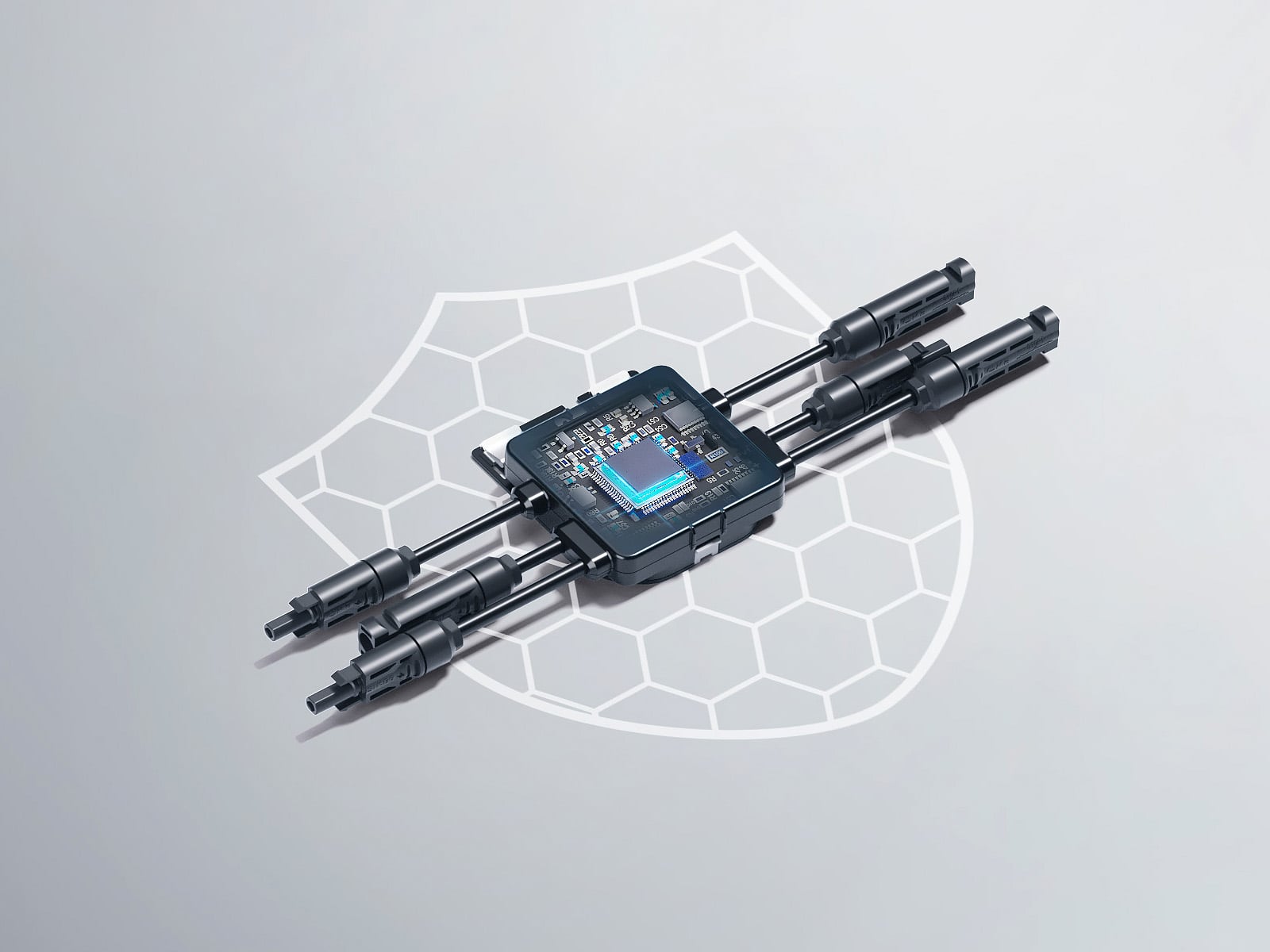
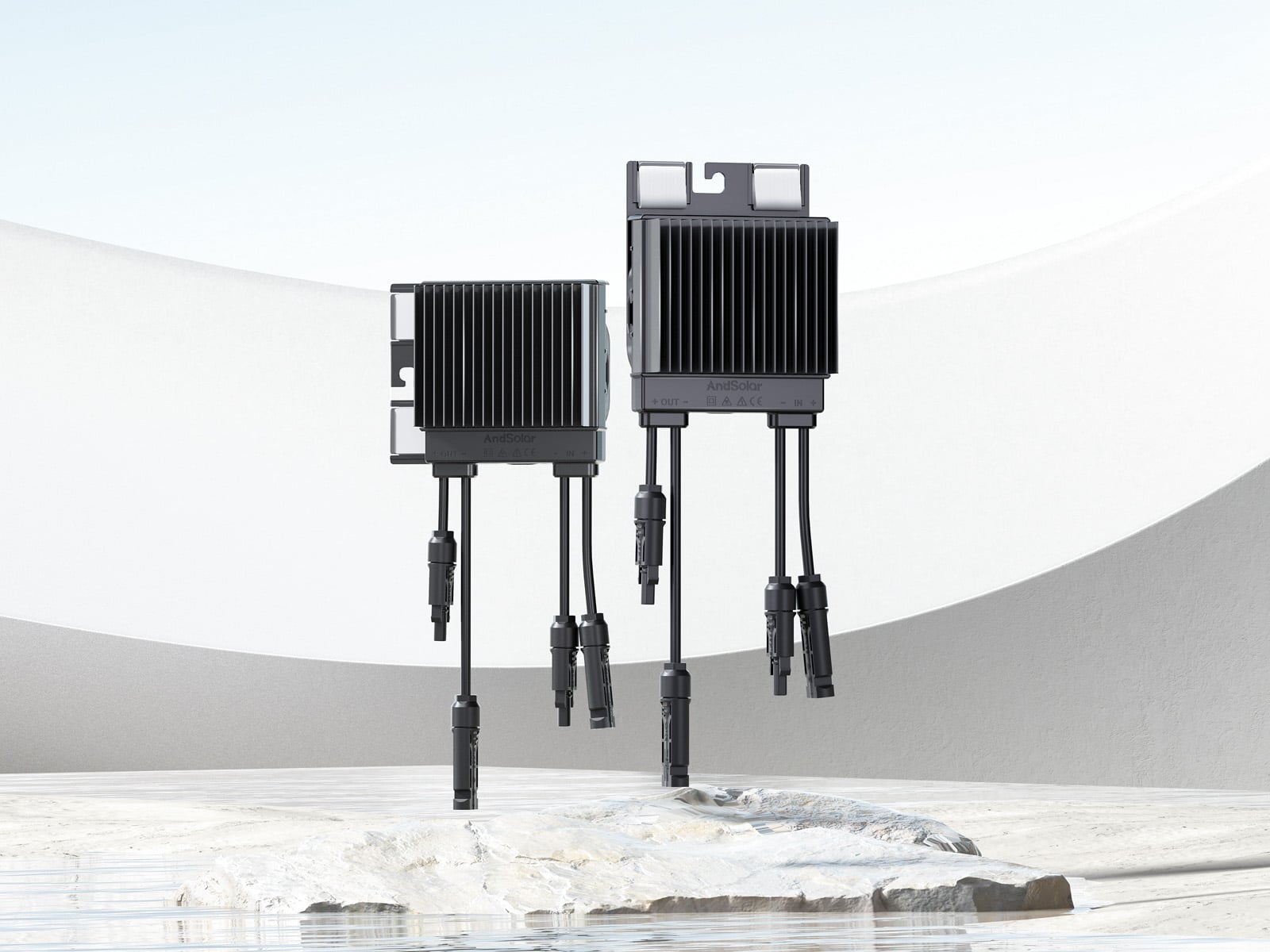
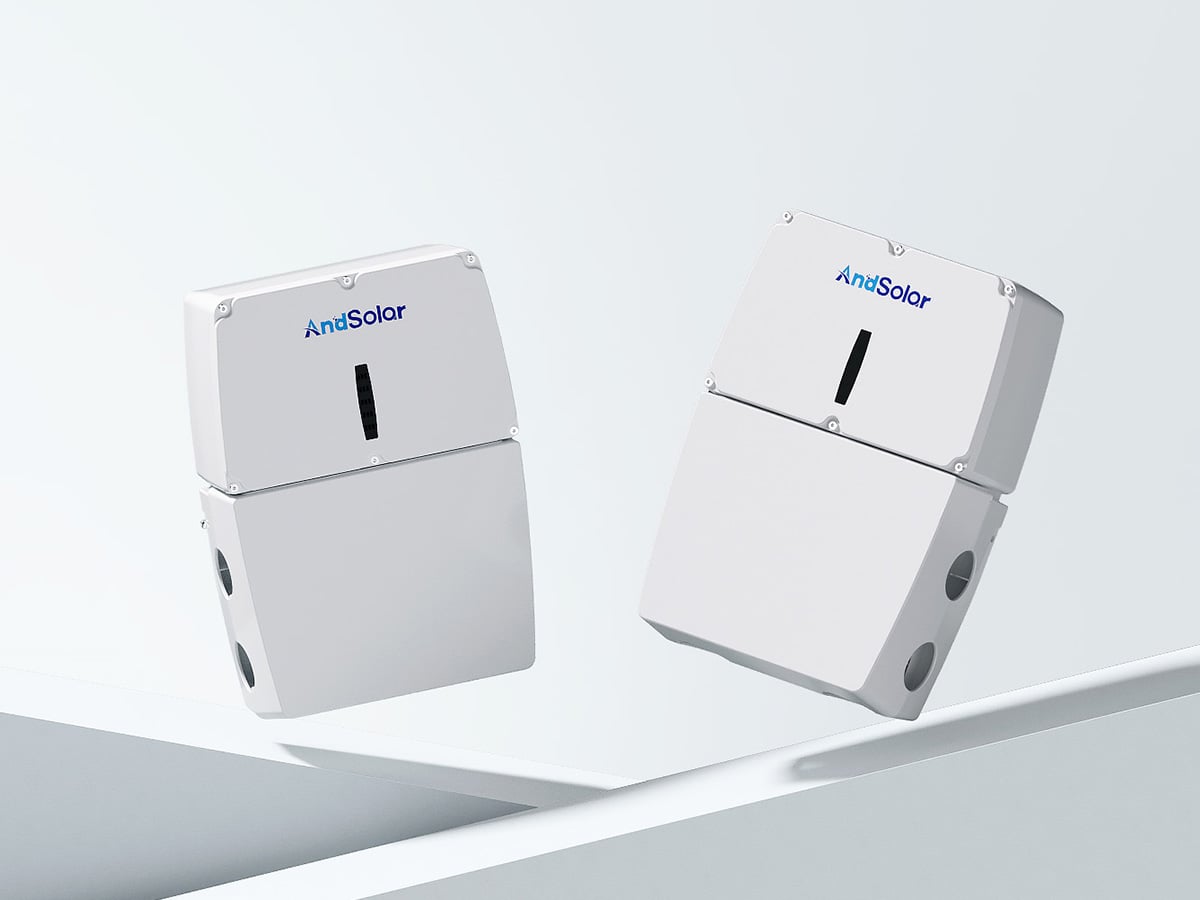
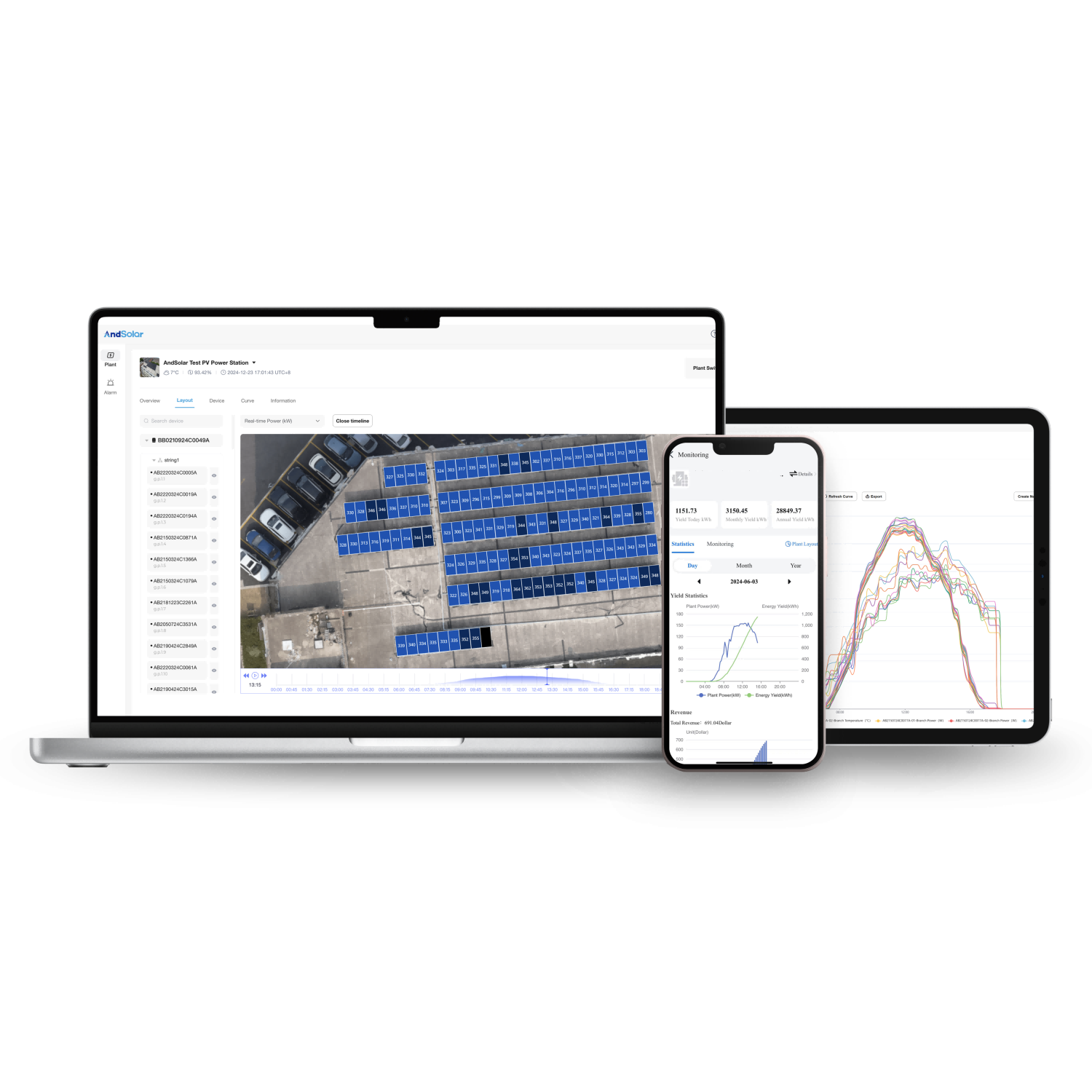
𝐇𝐚𝐥𝐟 𝐭𝐡𝐞 𝐂𝐨𝐬𝐭, 𝐍𝐞𝐚𝐫𝐥𝐲 𝐅𝐮𝐥𝐥 𝐎𝐩𝐭𝐢𝐦𝐢𝐳𝐚𝐭𝐢𝐨𝐧 — 𝐀 𝐆𝐚𝐦𝐞-𝐂𝐡𝐚𝐧𝐠𝐢𝐧𝐠 𝐑𝐒𝐃 + 𝐎𝐏𝐓 𝐒𝐨𝐥𝐮𝐭𝐢𝐨𝐧
 𝐅𝐨𝐮𝐫 𝐂𝐨𝐧𝐟𝐢𝐠𝐮𝐫𝐚𝐭𝐢𝐨𝐧𝐬, 𝐎𝐧𝐞 𝐑𝐞𝐚𝐥-𝐑𝐨𝐨𝐟 𝐓𝐞𝐬𝐭
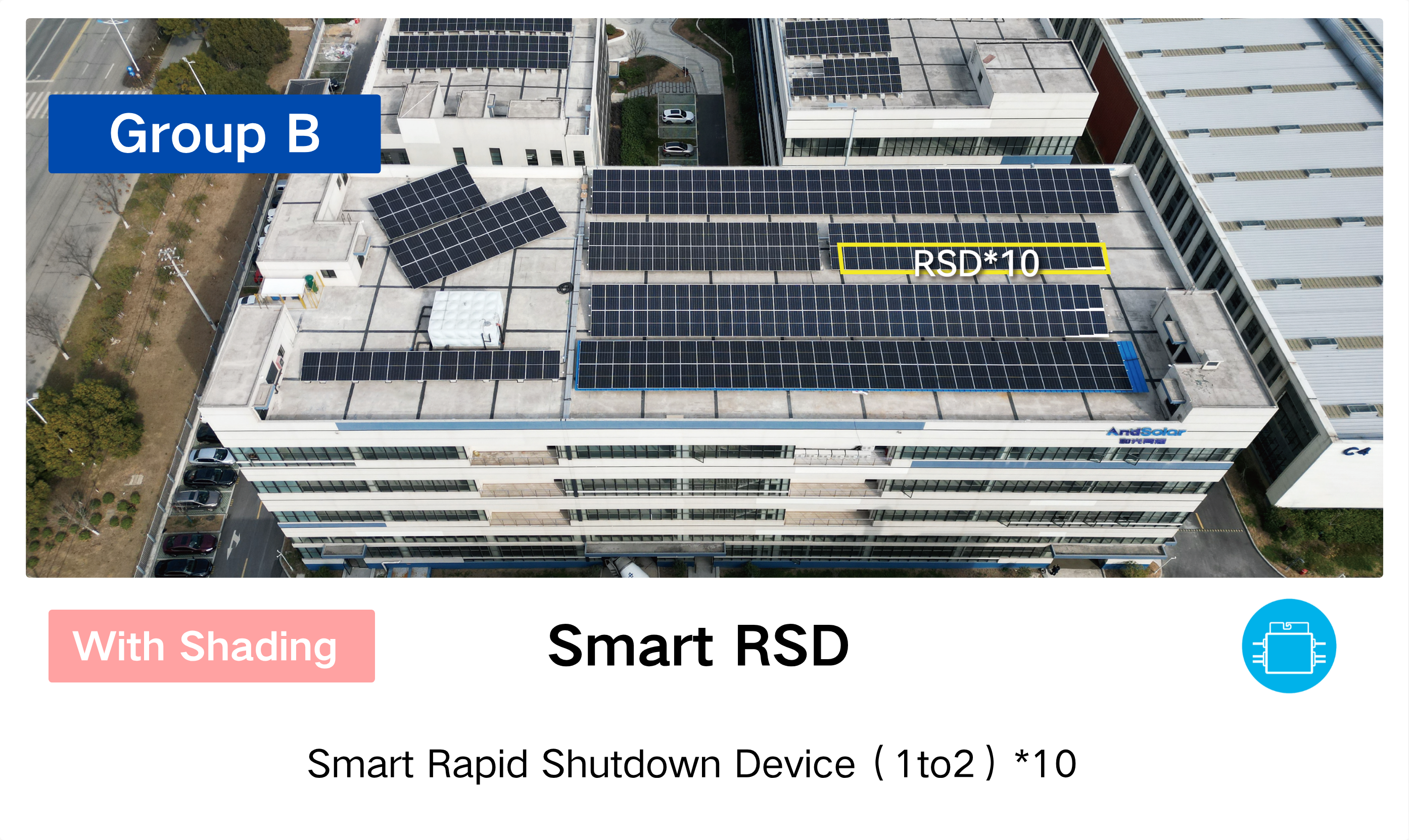
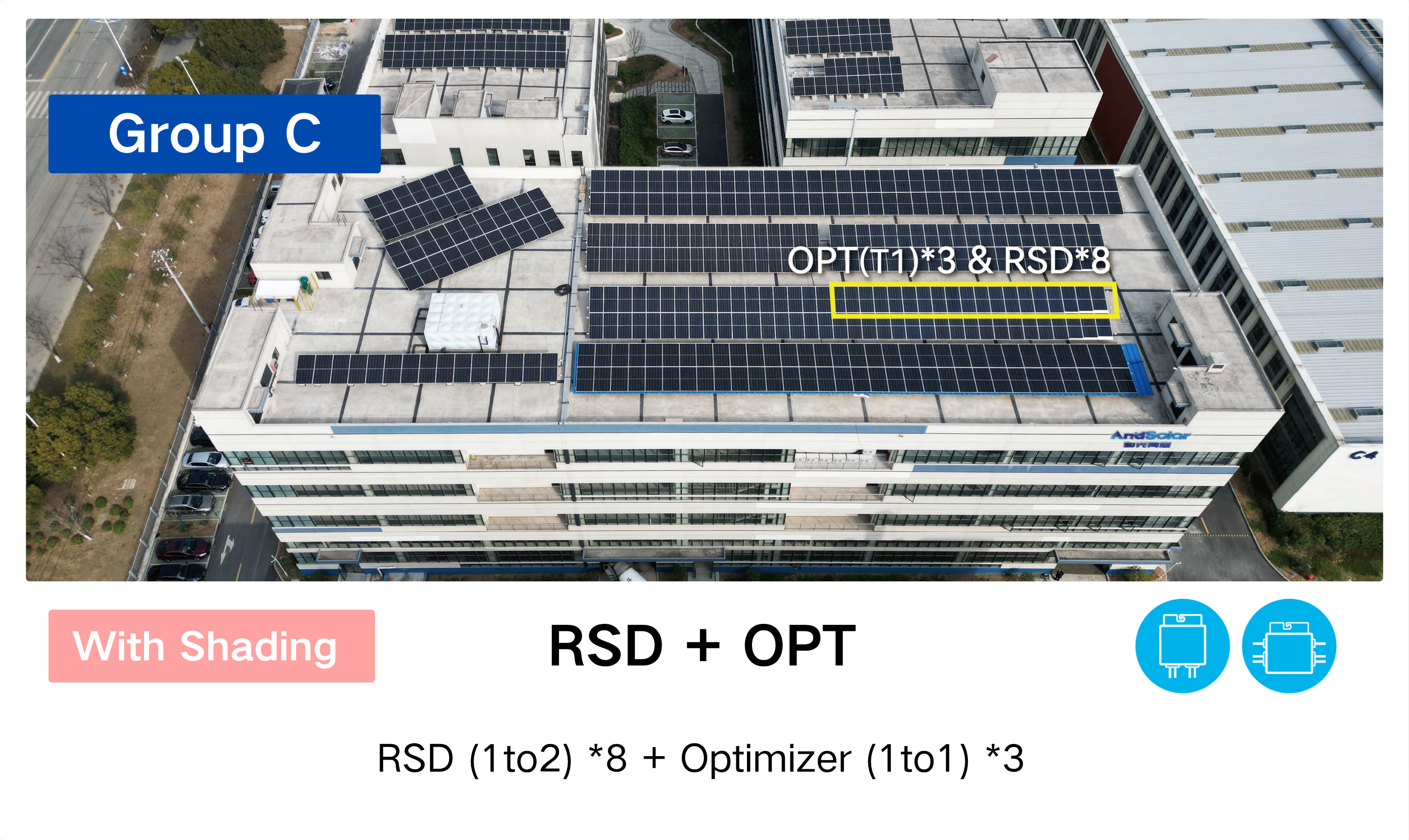
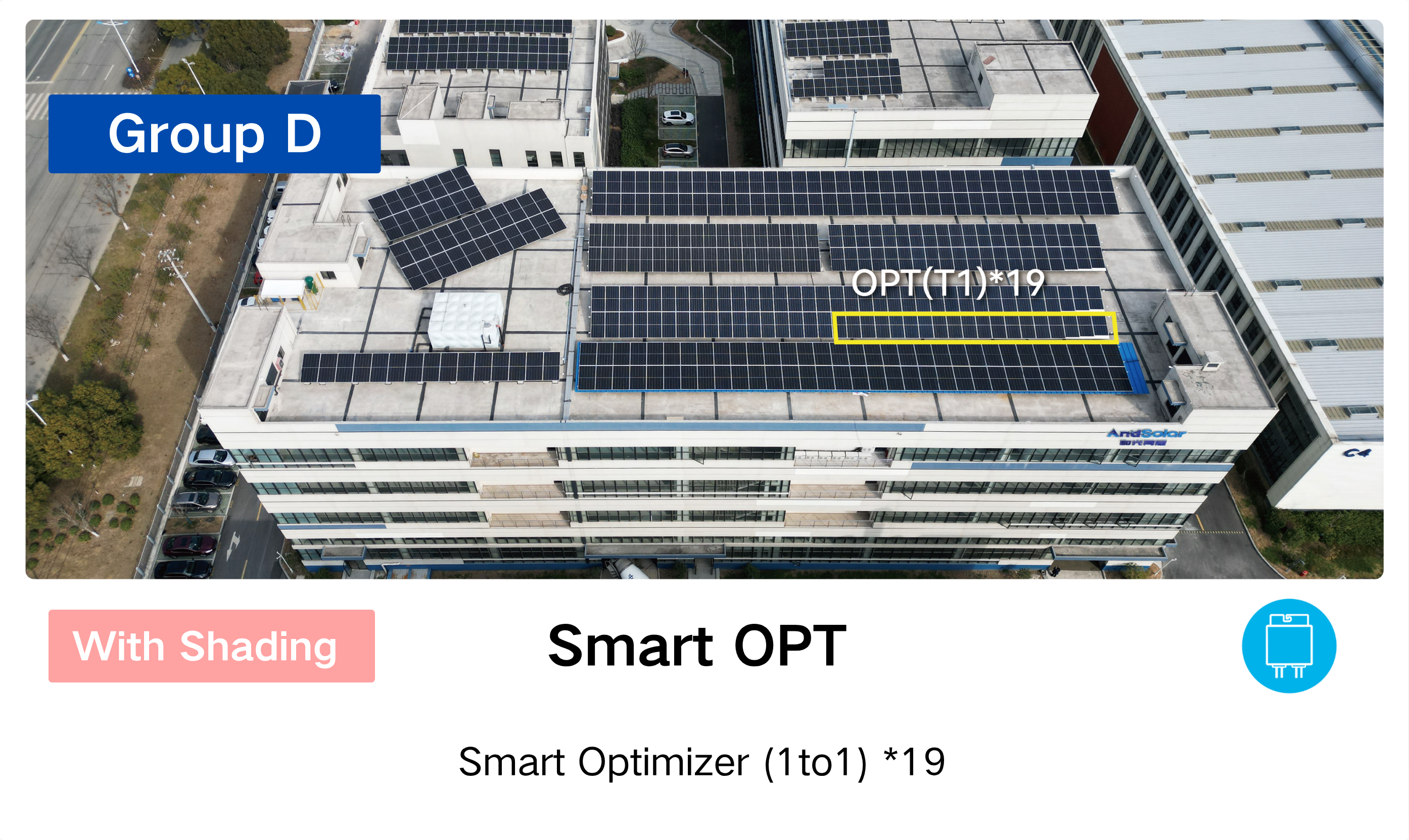
 Group A: RSD, No Shading Group B: RSD, With Shading Group C: RSD + Optimizer, With Shading Group D: Optimizer, With Shading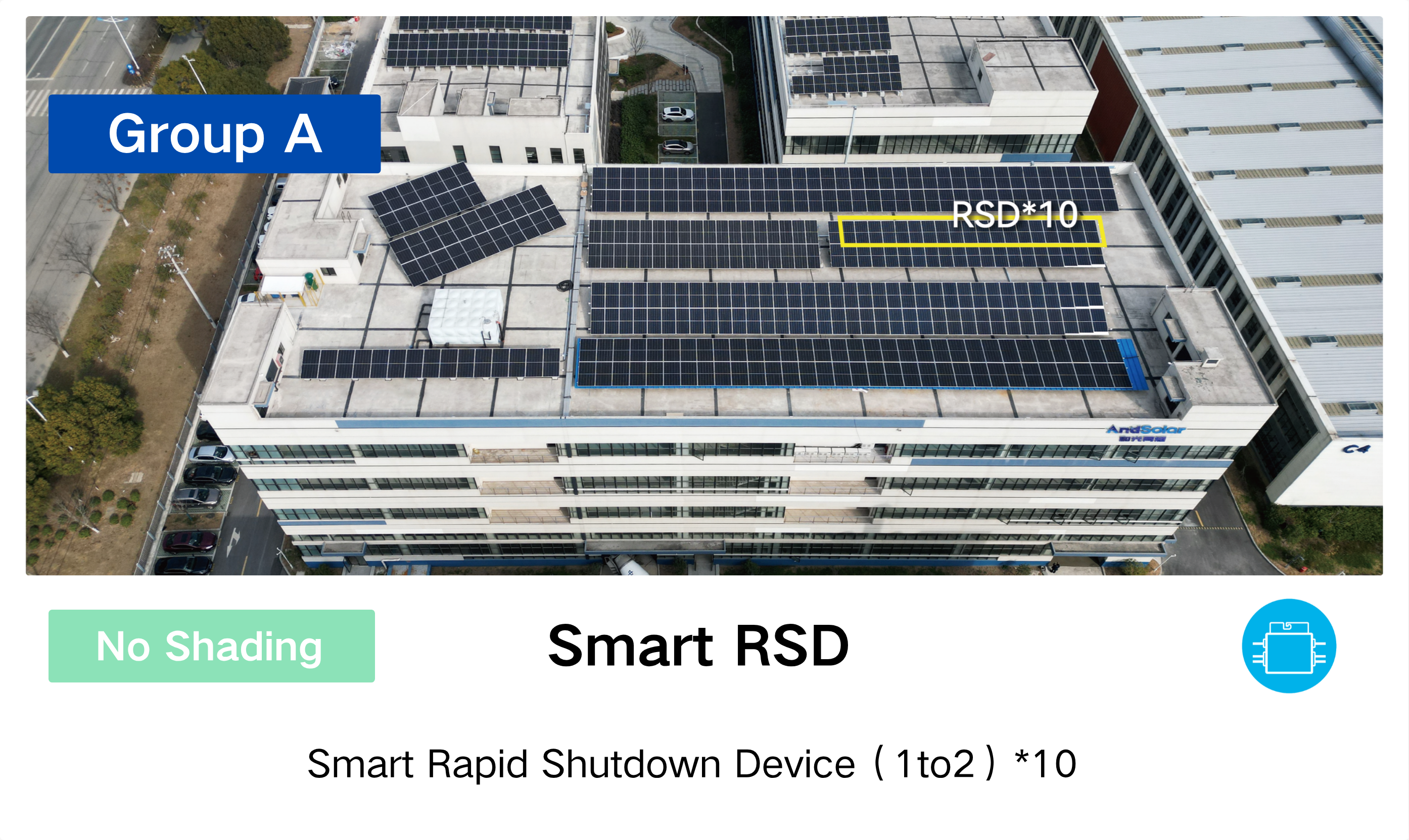
 𝐒𝐦𝐚𝐥𝐥 𝐒𝐡𝐚𝐝𝐨𝐰𝐬, 𝐁𝐢𝐠 𝐈𝐦𝐩𝐚𝐜𝐭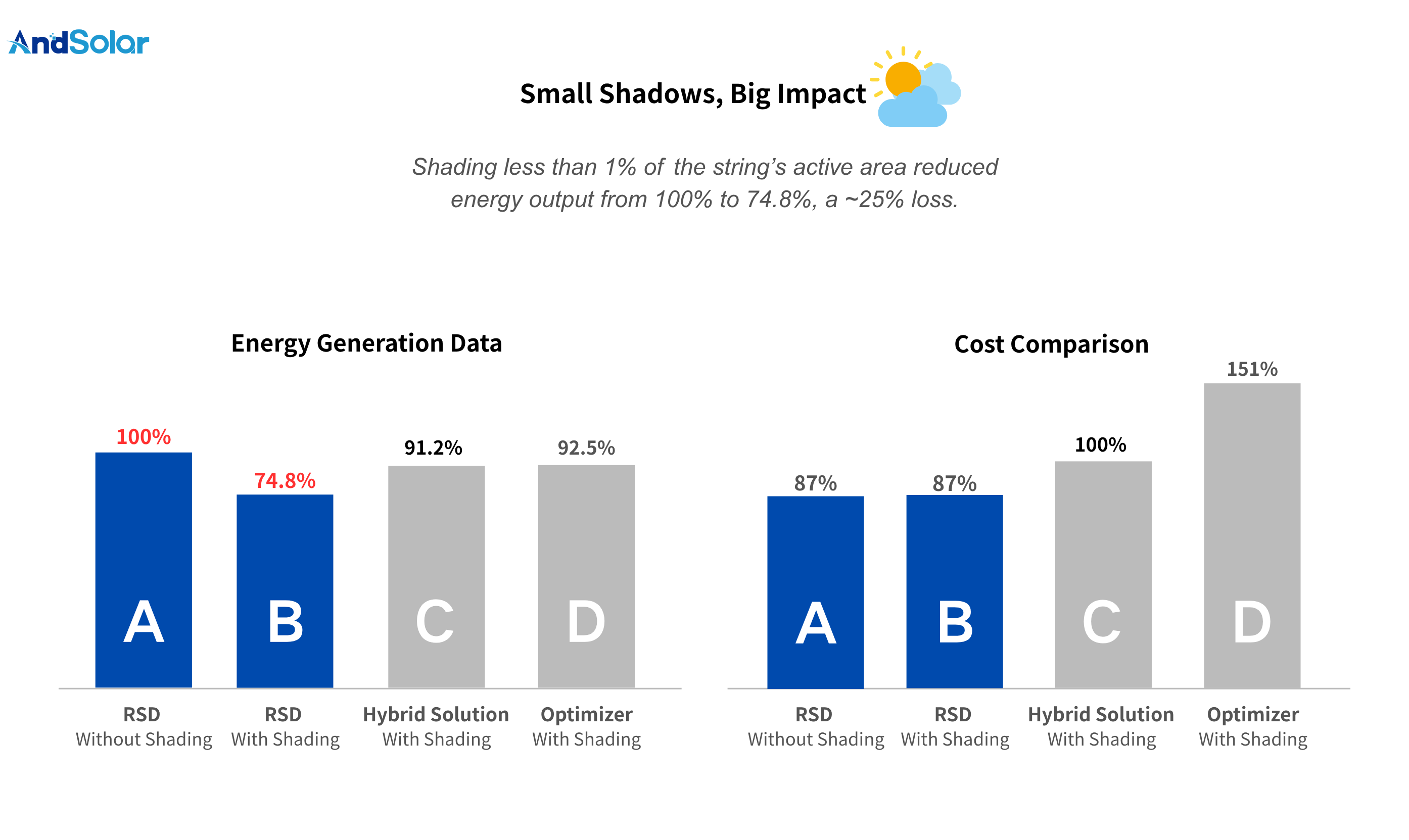
 𝐎𝐩𝐭𝐢𝐦𝐢𝐳𝐞 𝐖𝐡𝐞𝐫𝐞 𝐈𝐭 𝐌𝐚𝐭𝐭𝐞𝐫𝐬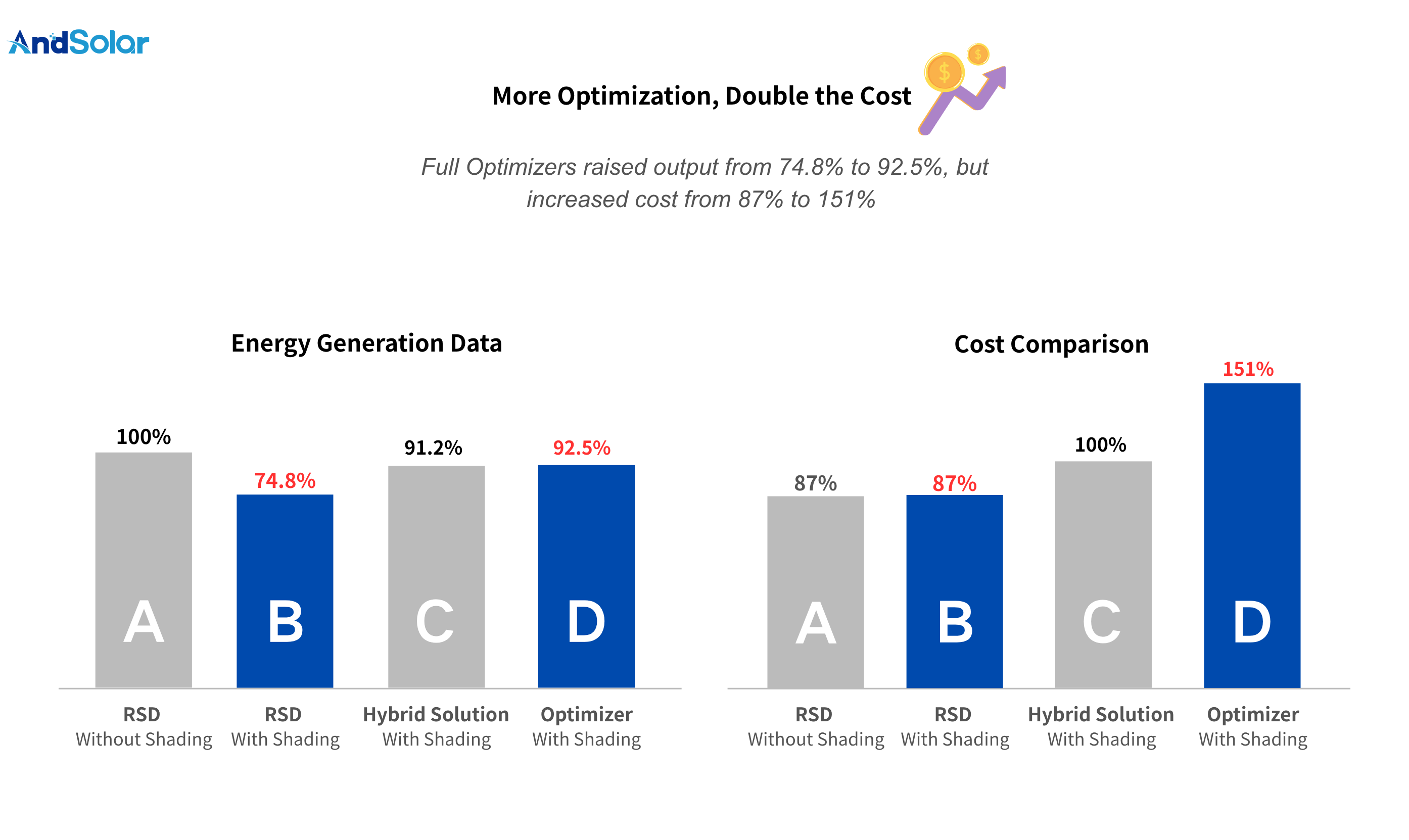
 𝐍𝐞𝐚𝐫𝐥𝐲 𝐅𝐮𝐥𝐥 𝐎𝐩𝐭𝐢𝐦𝐢𝐳𝐚𝐭𝐢𝐨𝐧, 𝐋𝐨𝐰𝐞𝐫 𝐂𝐨𝐬𝐭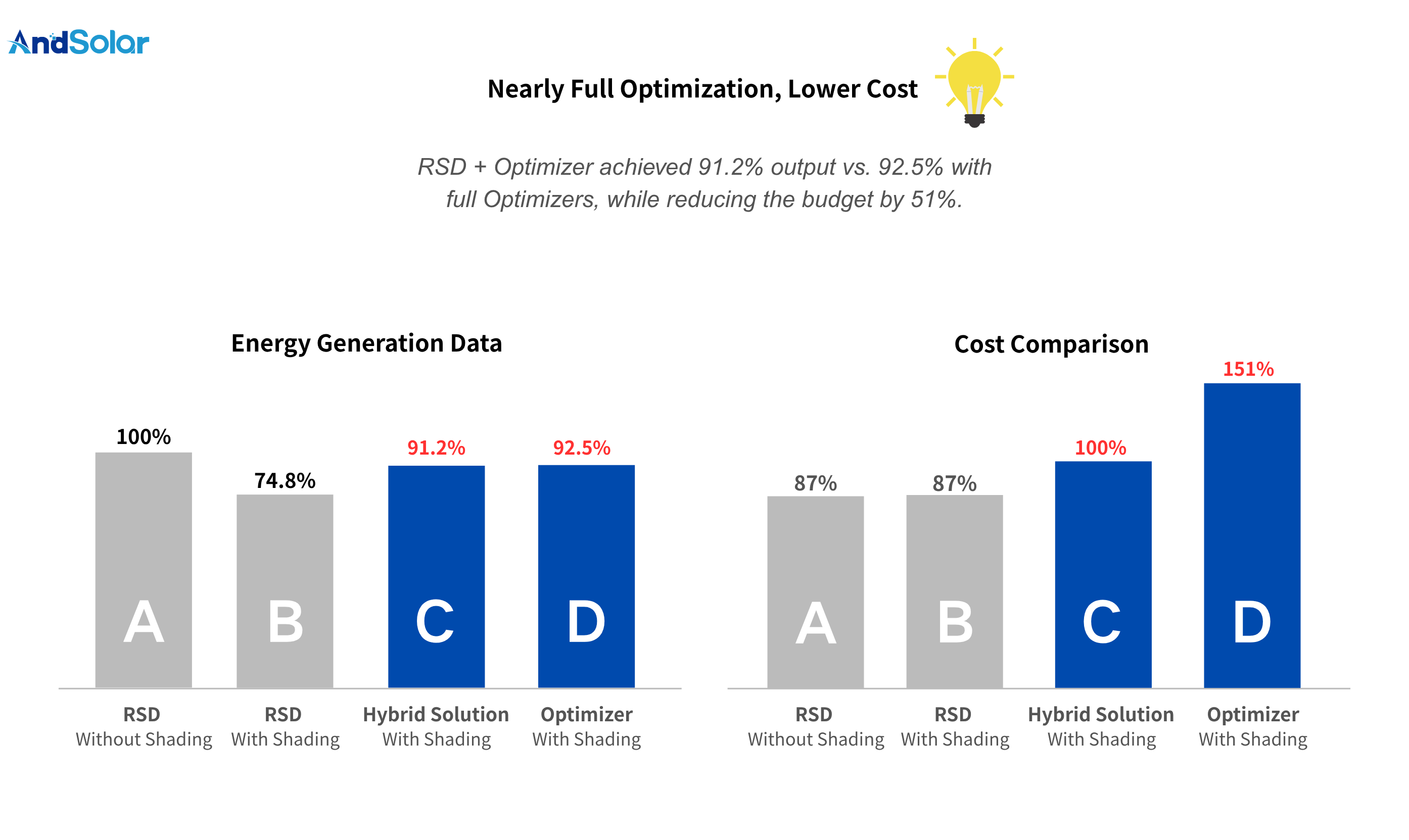

AndSolar Technology is a tech-company engaged in photovoltaic module-level power electronics (MLPE) and distributed photovoltaic smart energy overall solutions.