правила быстрого отключения в Таиланде
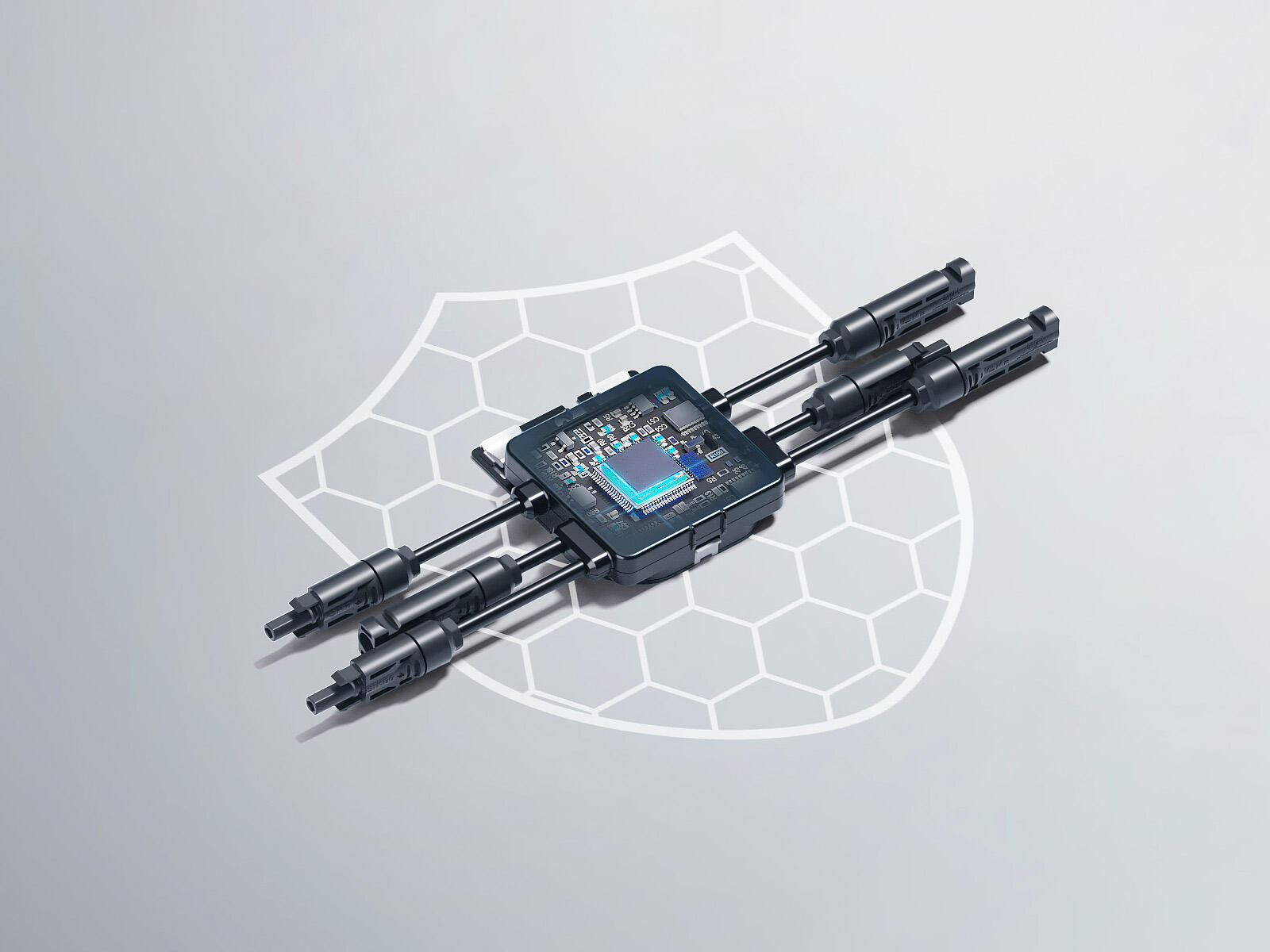
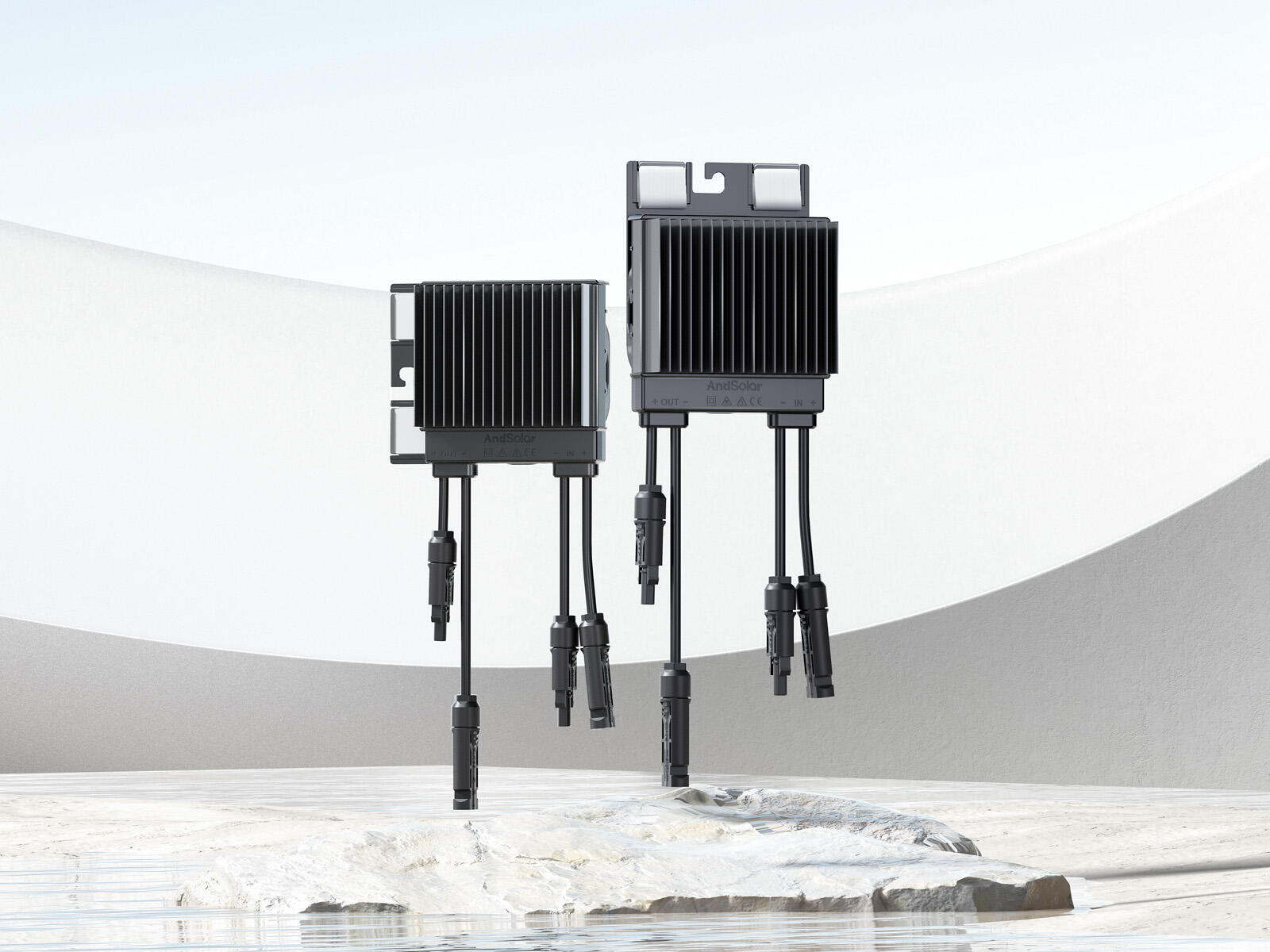
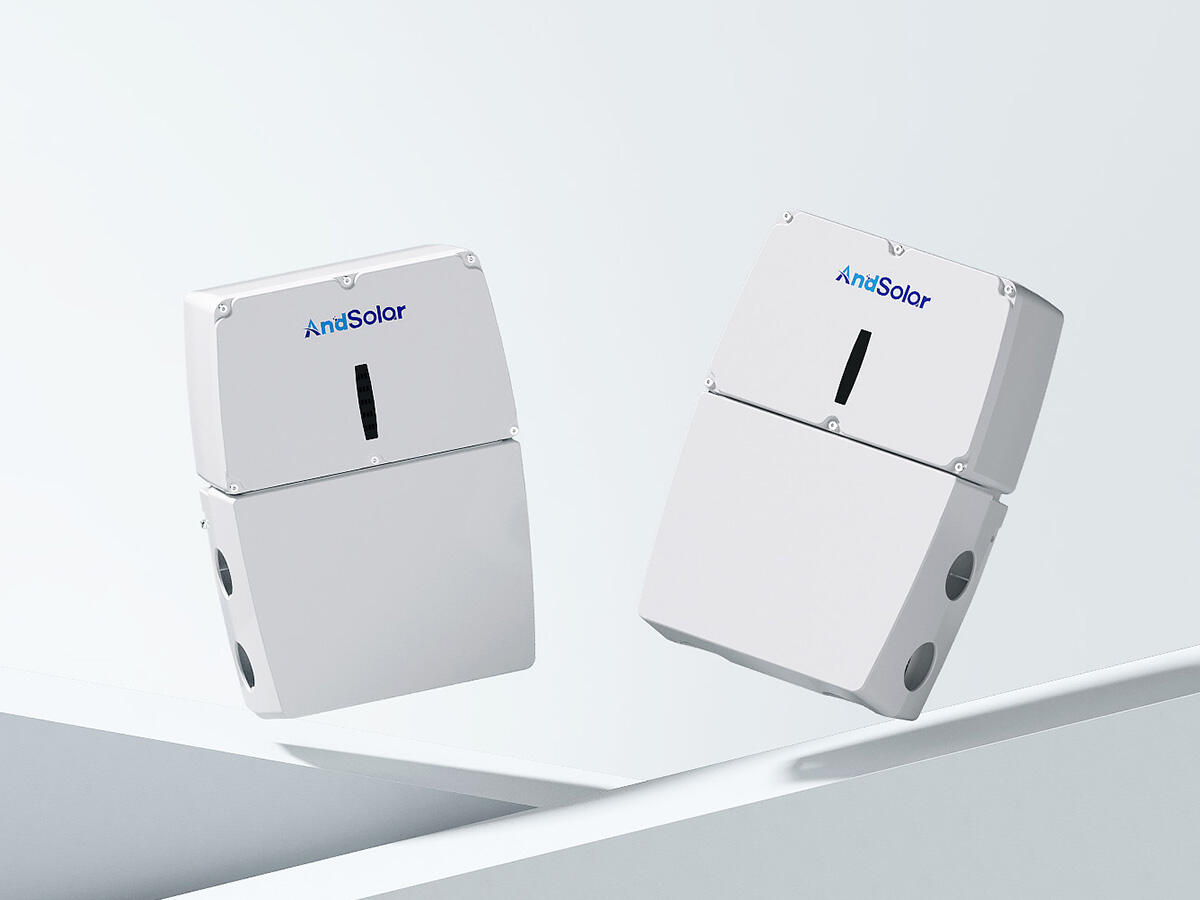
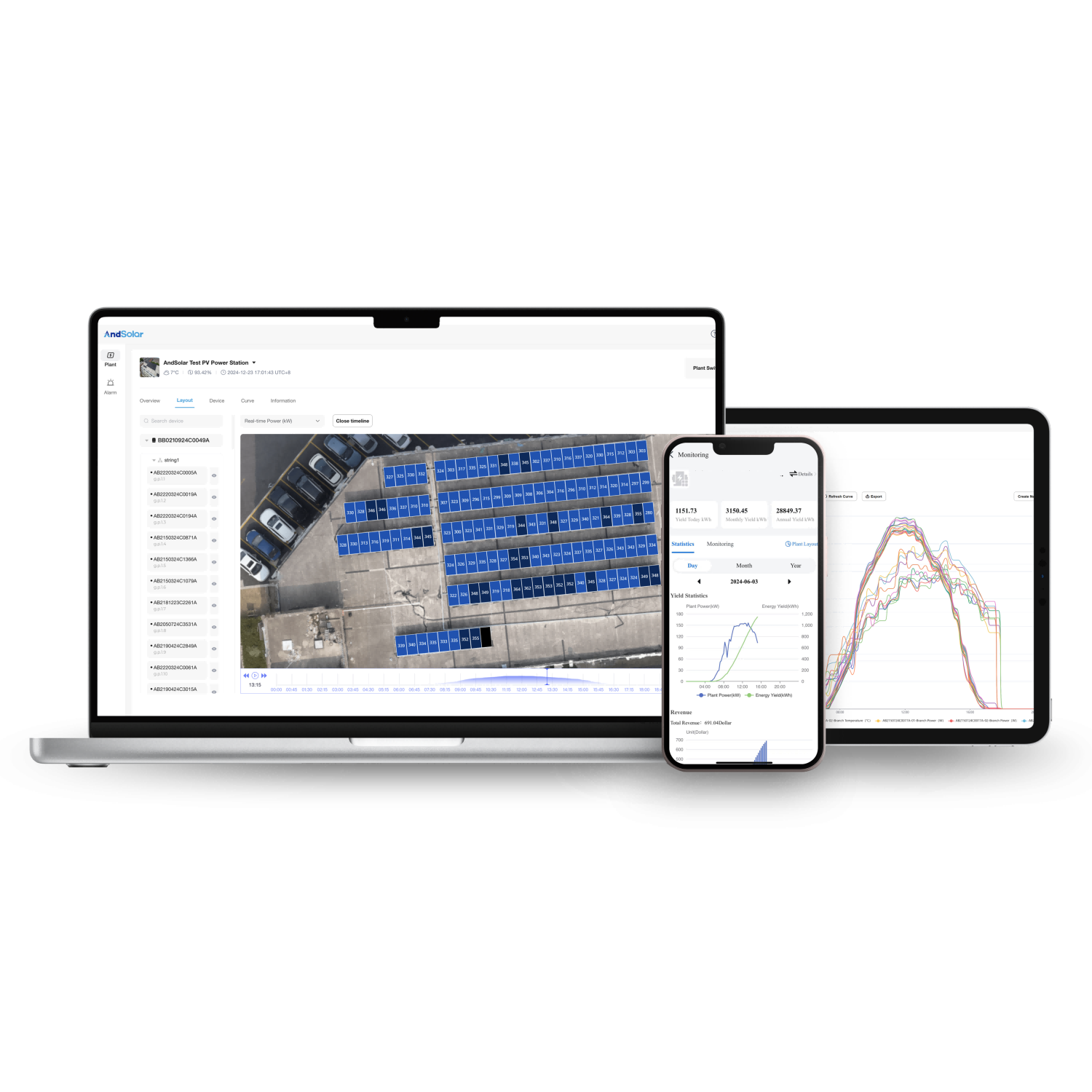
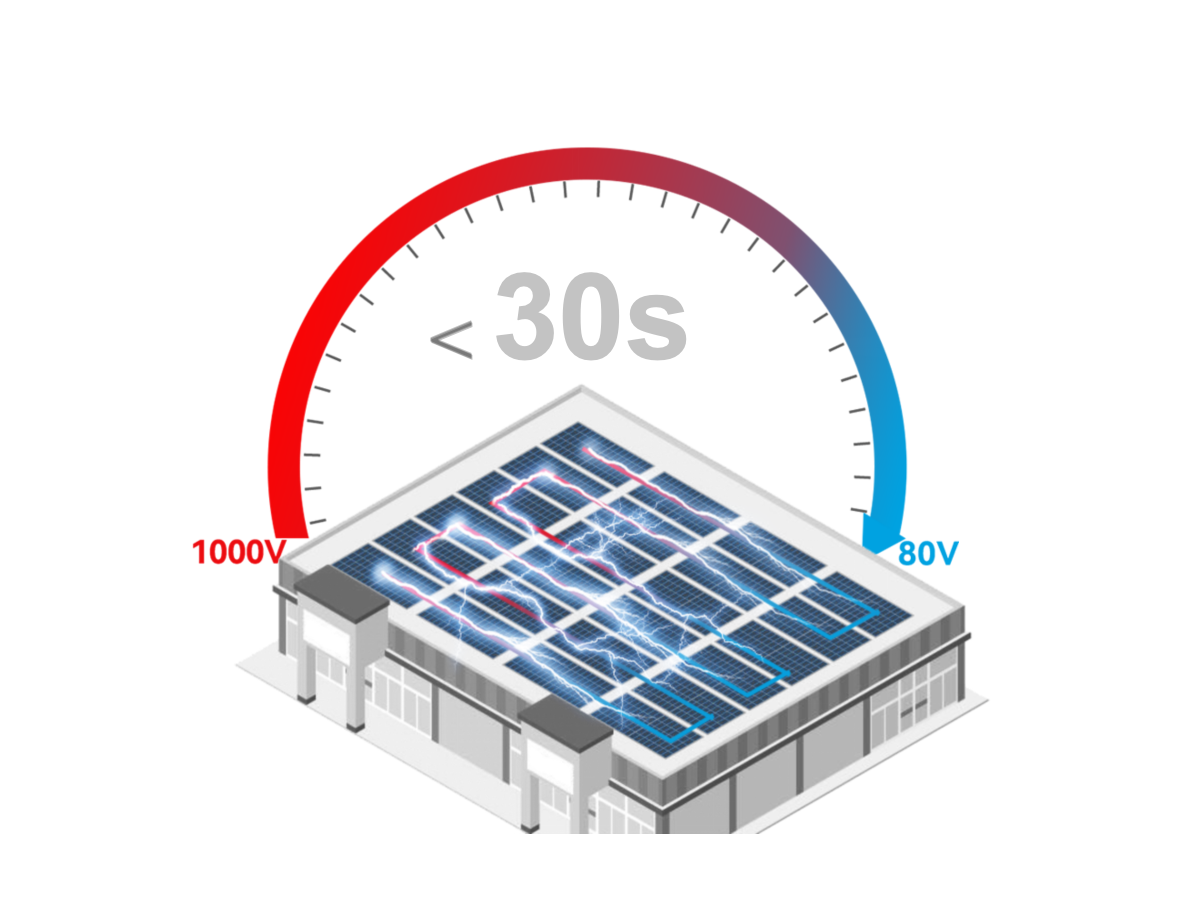
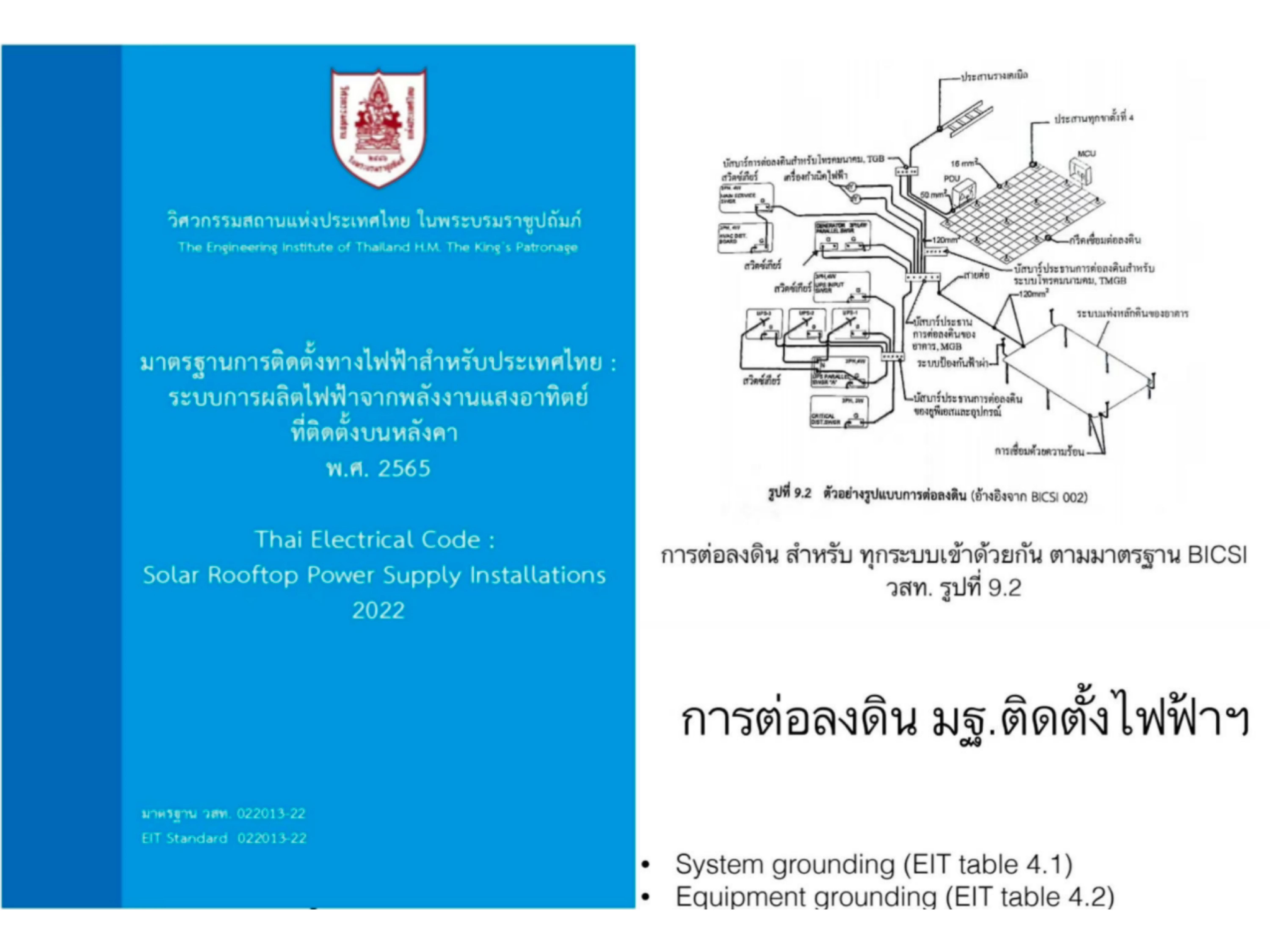
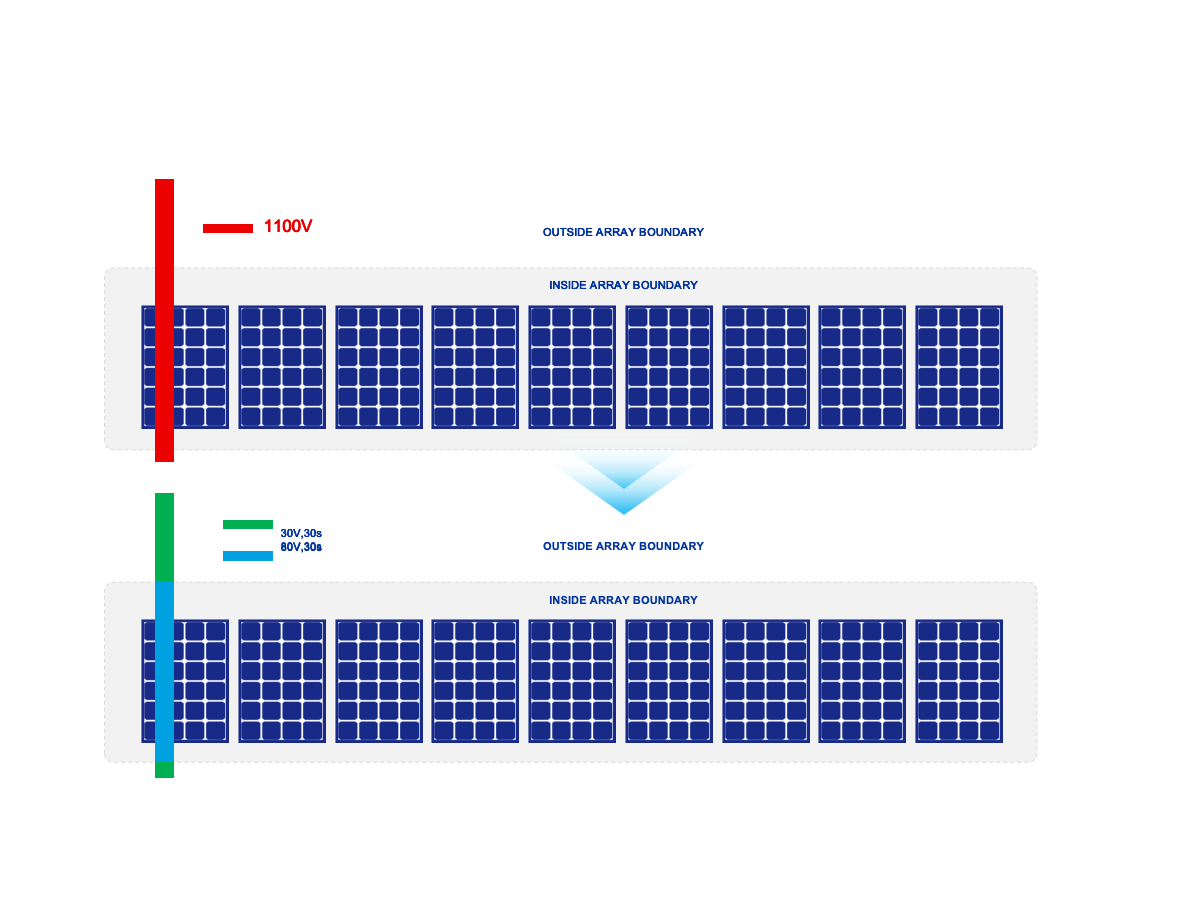
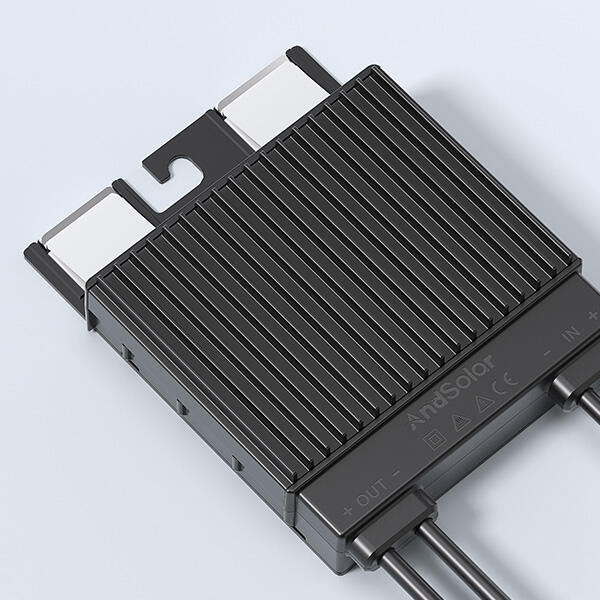
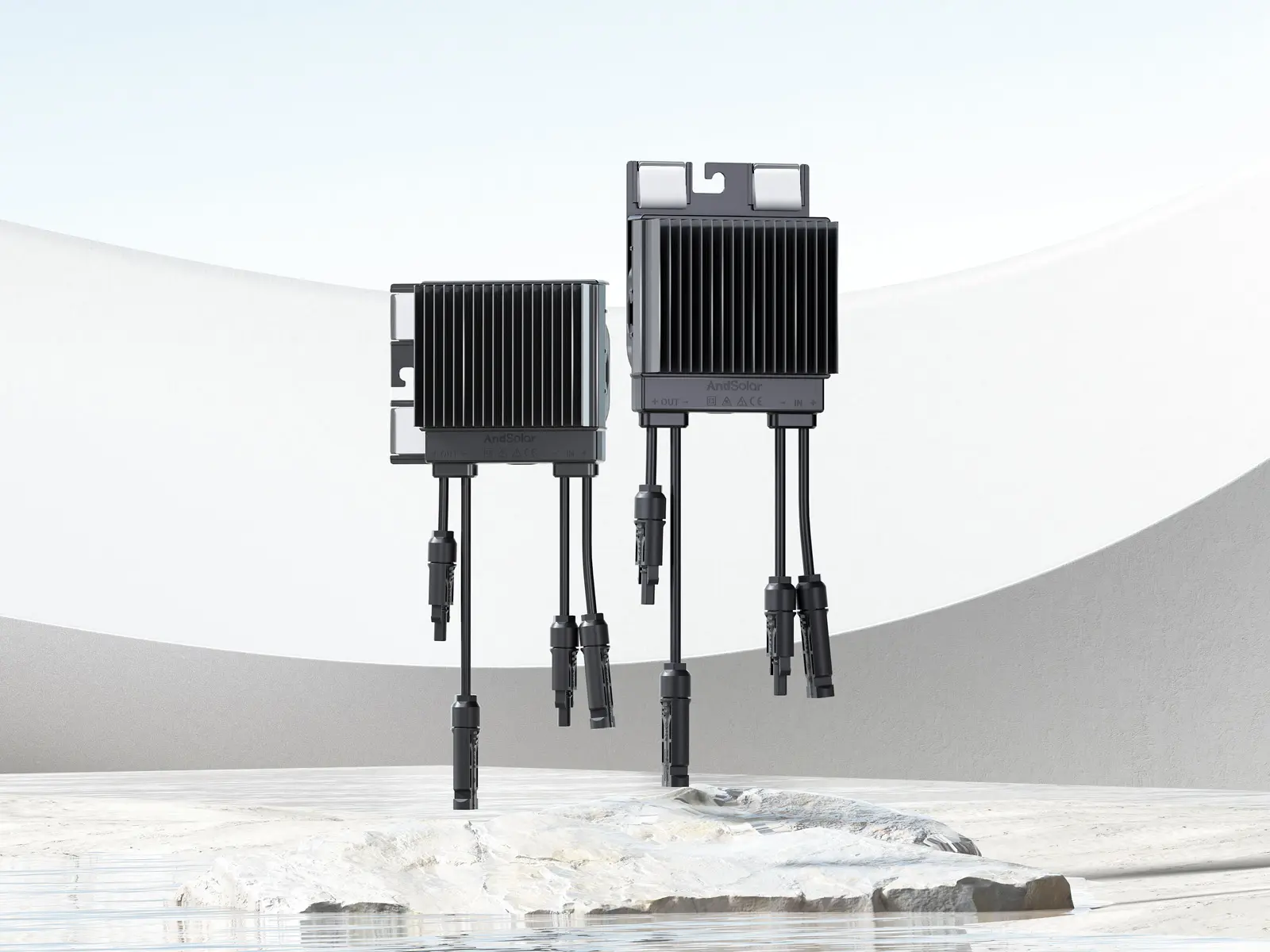
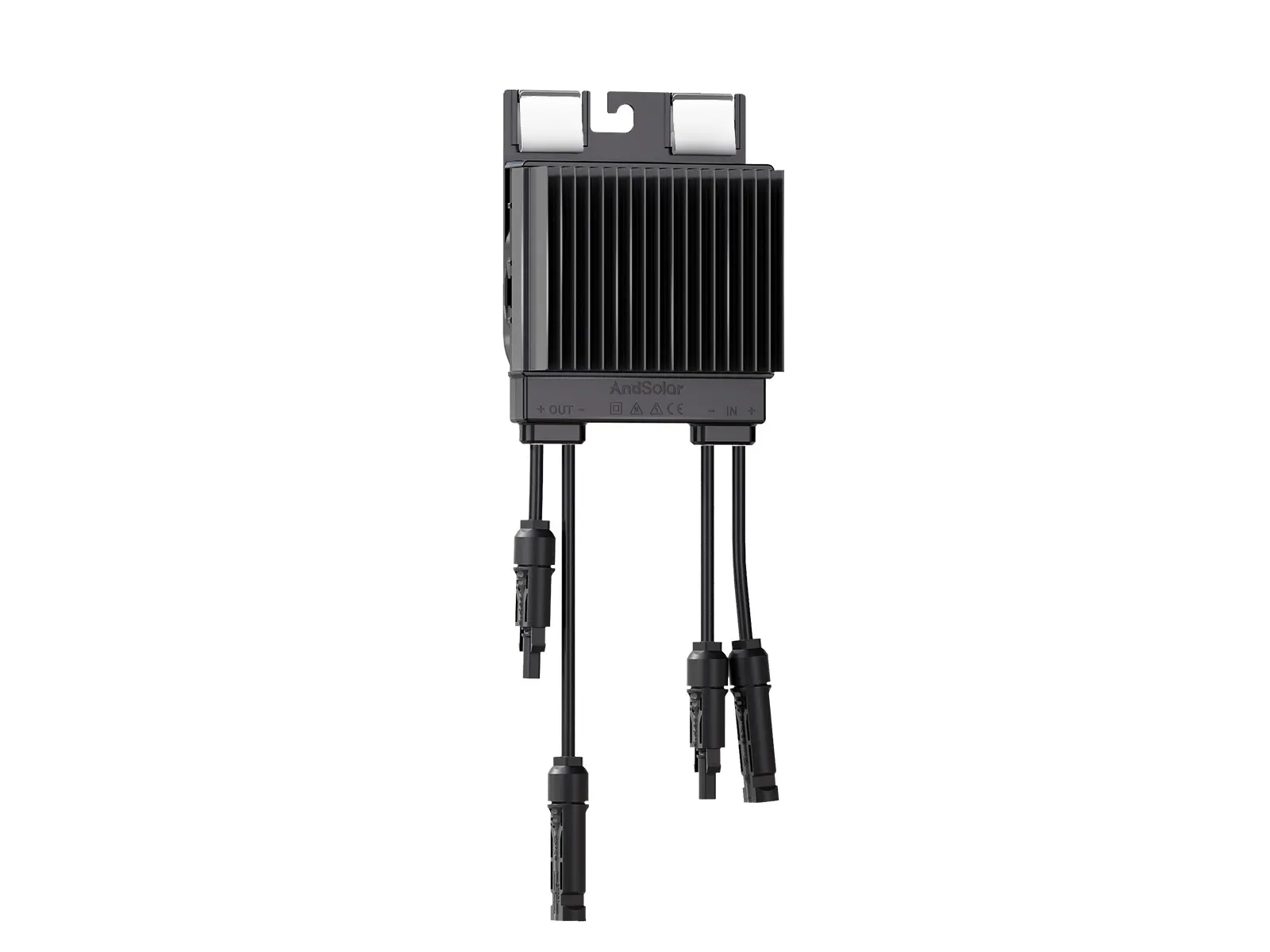
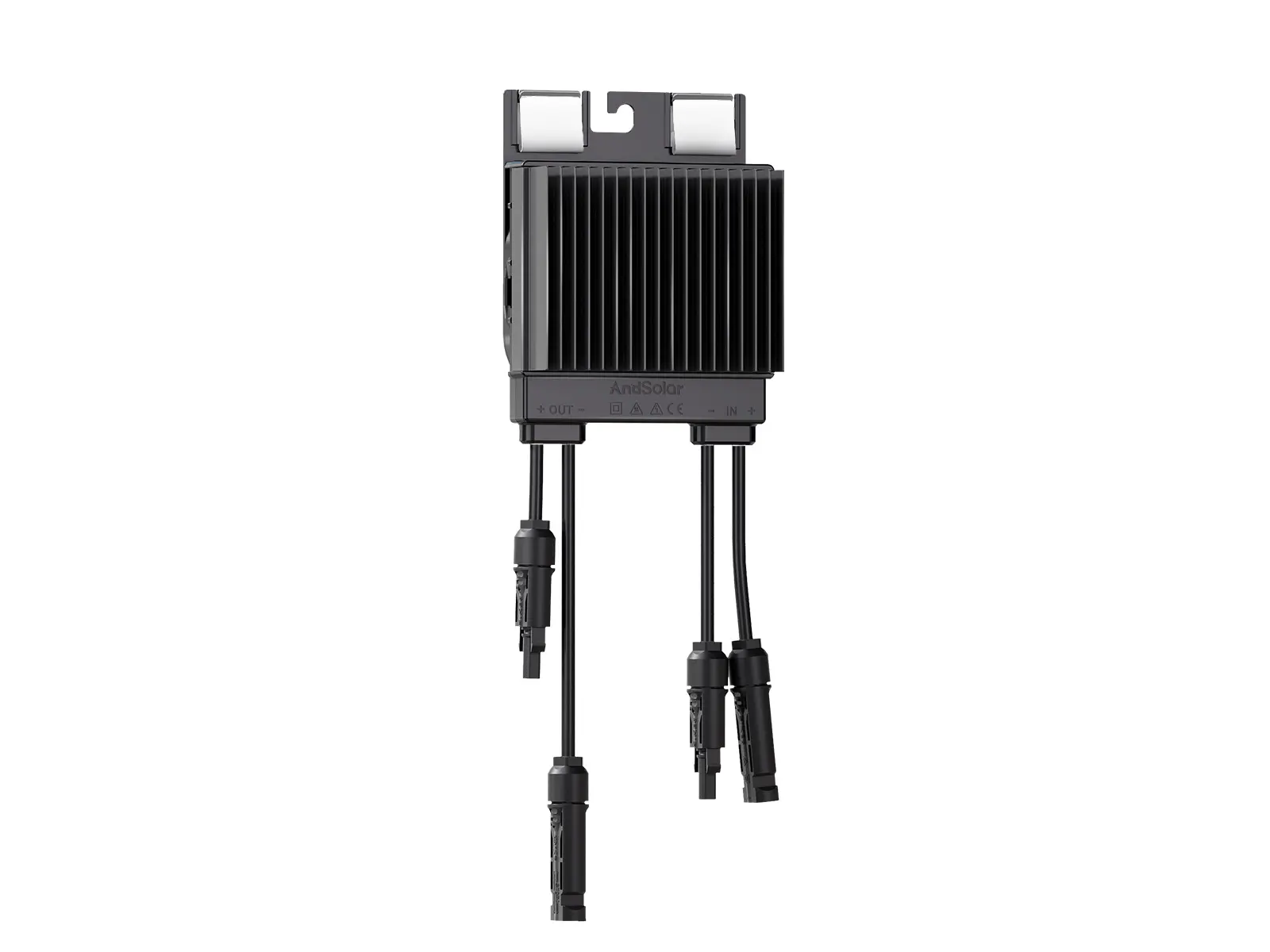
Таиландское регулирование «быстрого отключения» представляет собой комплексную систему обеспечения безопасности, предназначенную для защиты солнечных фотоэлектрических (ФЭ) установок и персонала от электрических опасностей. Данное регулирование устанавливает конкретные протоколы безопасности, требующие от солнечных энергетических систем наличия функции быстрого отключения, обеспечивающей оперативное снижение уровней постоянного тока (DC) до безопасных значений в чрезвычайных ситуациях или при проведении технического обслуживания. Таиландское регулирование «быстрого отключения» определяет чёткие технические стандарты, согласованные с международными нормами безопасности, при этом учитывая уникальные климатические и эксплуатационные условия тропического климата Таиланда. Регулирование распространяется на солнечные установки жилого, коммерческого и крупномасштабного (энергосистемного) назначения и требует от системных интеграторов применения устройств, способных отключать или значительно снижать напряжение постоянного тока в установленные временные рамки. Эти меры безопасности приобретают особую важность при пожарах, во время технического обслуживания или диагностики системы, когда спасатели и техники должны безопасно работать в непосредственной близости от находящегося под напряжением оборудования. В соответствии с таиландским регулированием «быстрого отключения», ФЭ-системы должны снижать напряжение на проводниках за пределами границы солнечного массива до 30 В или менее в течение 30 секунд с момента активации функции, а напряжение на проводниках внутри границы массива — до 80 В или менее в тот же срок. Данный нормативный механизм предусматривает применение современных технологий силовой электроники, включая модульную силовую электронику (MLPE), такую как оптимизаторы мощности, микропреобразователи и специализированные устройства быстрого отключения. Регулирование также охватывает протоколы взаимодействия между компонентами системы, обеспечивая надёжную активацию последовательности отключения посредством различных механизмов запуска, включая ручные выключатели, автоматические системы обнаружения пожара и удалённые платформы мониторинга. Внедрение таиландского регулирования «быстрого отключения» требует тщательной координации между производителями оборудования, проектировщиками систем, монтажниками и регулирующими органами для обеспечения соответствия требованиям при одновременном сохранении высоких эксплуатационных характеристик и экономической эффективности систем для конечных пользователей на растущем таиландском рынке солнечной энергетики.