Optimizer System Cost: Advanced Financial Management Solutions for Business Efficiency

  • 8F, Block B, Building 1, 286 Qinglonggang Road, Suzhou City, Jiangsu Province, P. R. China
  • [email protected]
AndSolar Cloud

optimizer system cost

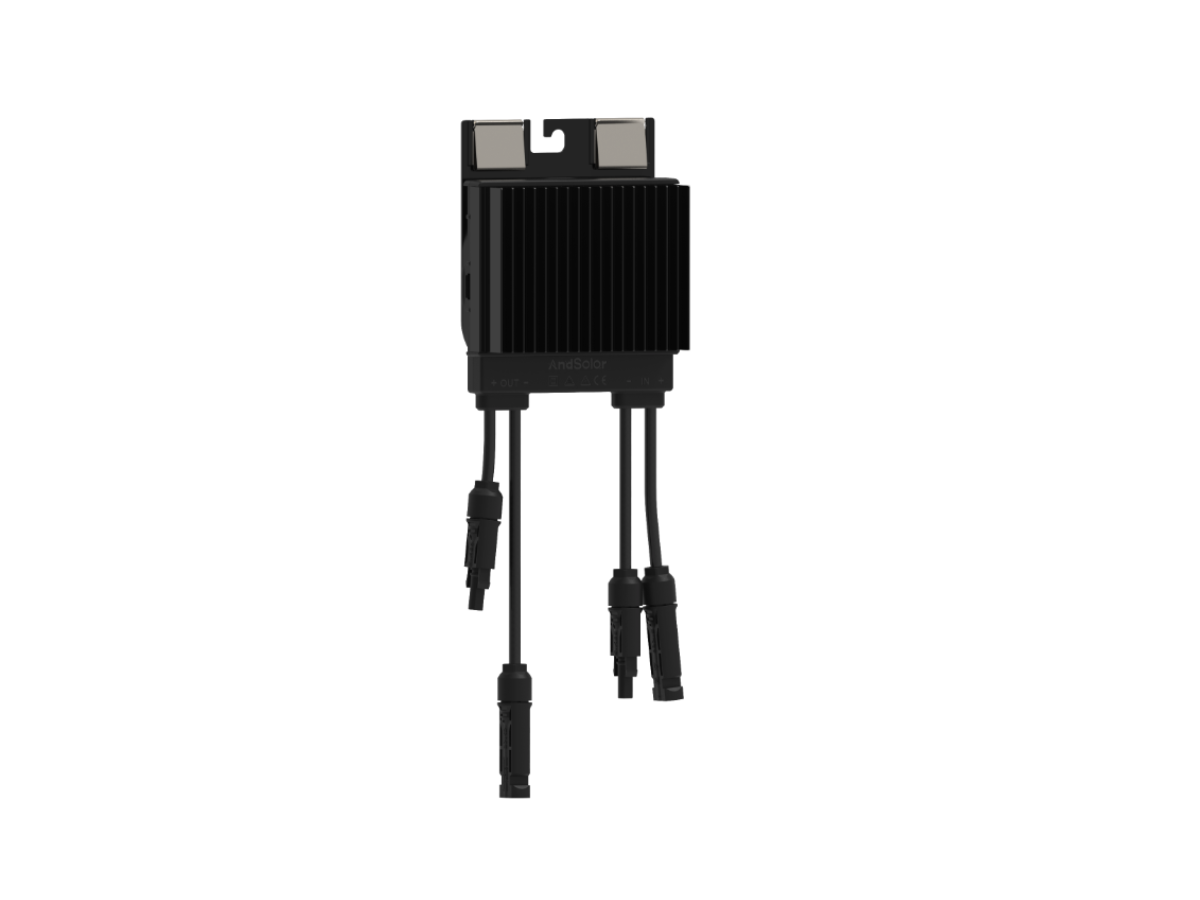
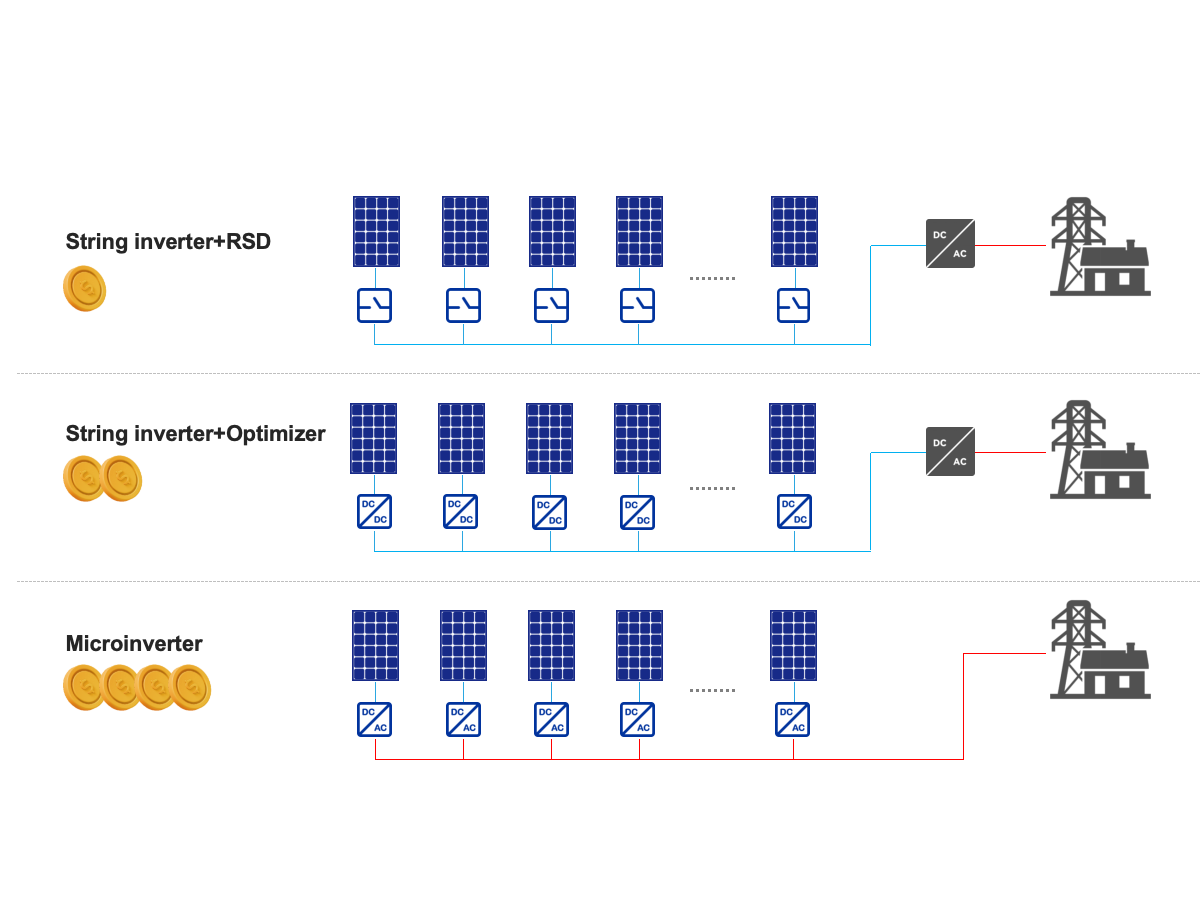
The optimizer system cost refers to the investment required to improve photovoltaic system performance through module-level power optimization. The system usually includes power optimizers, communication units, and monitoring platforms that help increase energy output and reduce power losses. By controlling each solar module individually, optimizers reduce losses caused by shading, dust, or module mismatch.The total cost generally includes equipment, installation, and monitoring services. Although the initial investment can be higher than traditional string systems, optimizers can increase energy yield and improve system reliability. Better monitoring and fast fault detection also help lower maintenance costs and extend system life.Optimizer systems are widely used in residential, commercial, and industrial PV projects. They are especially useful for rooftops with complex layouts or partial shading, helping improve energy production and long-term return on investment.
The optimizer system cost delivers substantial financial benefits through its intelligent automation capabilities that eliminate manual processes prone to human error. Organizations typically experience immediate cost reductions of fifteen to thirty percent within the first implementation quarter, as the system identifies previously unnoticed spending inefficiencies and redundancies. Real-time monitoring ensures continuous cost optimization, preventing budget overruns before they occur rather than addressing them after financial damage has been done. The system enhances decision-making speed by providing instant access to comprehensive cost data, enabling managers to respond quickly to market changes and operational challenges. Automated reporting reduces administrative overhead significantly, freeing finance teams to focus on strategic planning rather than routine data compilation. The optimizer system cost improves accuracy in financial forecasting through advanced predictive analytics that consider multiple variables and historical trends. This enhanced precision helps organizations plan more effectively for future investments and operational expansions. Integration capabilities streamline workflow processes, eliminating data silos that previously hindered comprehensive cost analysis. The platform supports scalable growth, accommodating expanding business operations without requiring expensive system overhauls or additional licensing fees. User-friendly interfaces require minimal training, reducing implementation costs and accelerating adoption across all organizational levels. Customizable dashboards allow different stakeholders to access relevant information tailored to their specific roles and responsibilities. The optimizer system cost provides transparent cost visibility, enabling better vendor negotiations and contract management through detailed spend analysis. Risk mitigation features alert users to potential cost escalations, allowing proactive interventions that prevent financial surprises. Cloud-based architecture ensures consistent performance regardless of user location or device, supporting remote work environments effectively. Regular system updates maintain cutting-edge functionality without additional investment, ensuring long-term value and technological relevance. The platform generates detailed compliance reports that simplify audit processes and regulatory adherence, reducing legal risks and associated costs. These comprehensive advantages position the optimizer system cost as an essential tool for organizations committed to sustainable financial management and competitive market positioning.

New Product Releases

Advanced Predictive Analytics for Proactive Cost Management

Advanced Predictive Analytics for Proactive Cost Management

The optimizer system cost revolutionizes financial planning through its sophisticated predictive analytics engine that forecasts future spending patterns with remarkable accuracy. This powerful feature analyzes historical data, market trends, seasonal fluctuations, and operational variables to create comprehensive cost projections that enable proactive decision-making. Unlike traditional reactive cost management approaches, this predictive capability allows organizations to identify potential cost increases weeks or months before they occur, providing sufficient time to implement corrective measures. The system continuously learns from new data inputs, refining its predictive models to deliver increasingly accurate forecasts over time. Machine learning algorithms process vast amounts of information from multiple sources, including supplier pricing trends, labor market conditions, commodity prices, and regulatory changes that might impact costs. This comprehensive analysis provides detailed insights into cost drivers, helping organizations understand not just what costs will occur, but why they will happen. The predictive analytics feature generates scenario-based forecasts, allowing finance teams to model different business conditions and prepare contingency plans accordingly. These scenarios include best-case, worst-case, and most-likely outcomes, providing comprehensive perspective on potential financial futures. Early warning systems alert stakeholders when predicted costs deviate from budgeted amounts, triggering automatic notifications that prompt immediate investigation and response. The optimizer system cost integrates external data sources such as economic indicators, industry benchmarks, and competitive intelligence to enhance prediction accuracy. This external data integration ensures that forecasts consider broader market conditions beyond internal operational metrics. Customizable prediction parameters allow organizations to focus on specific cost categories or time periods most relevant to their strategic objectives. The system generates detailed prediction reports that explain the methodology and assumptions behind each forecast, providing transparency and building confidence in the predicted outcomes. These analytical capabilities transform cost management from a reactive discipline into a strategic advantage that supports informed business planning and sustainable growth.
Real-Time Cost Monitoring and Automated Alert Systems

Real-Time Cost Monitoring and Automated Alert Systems

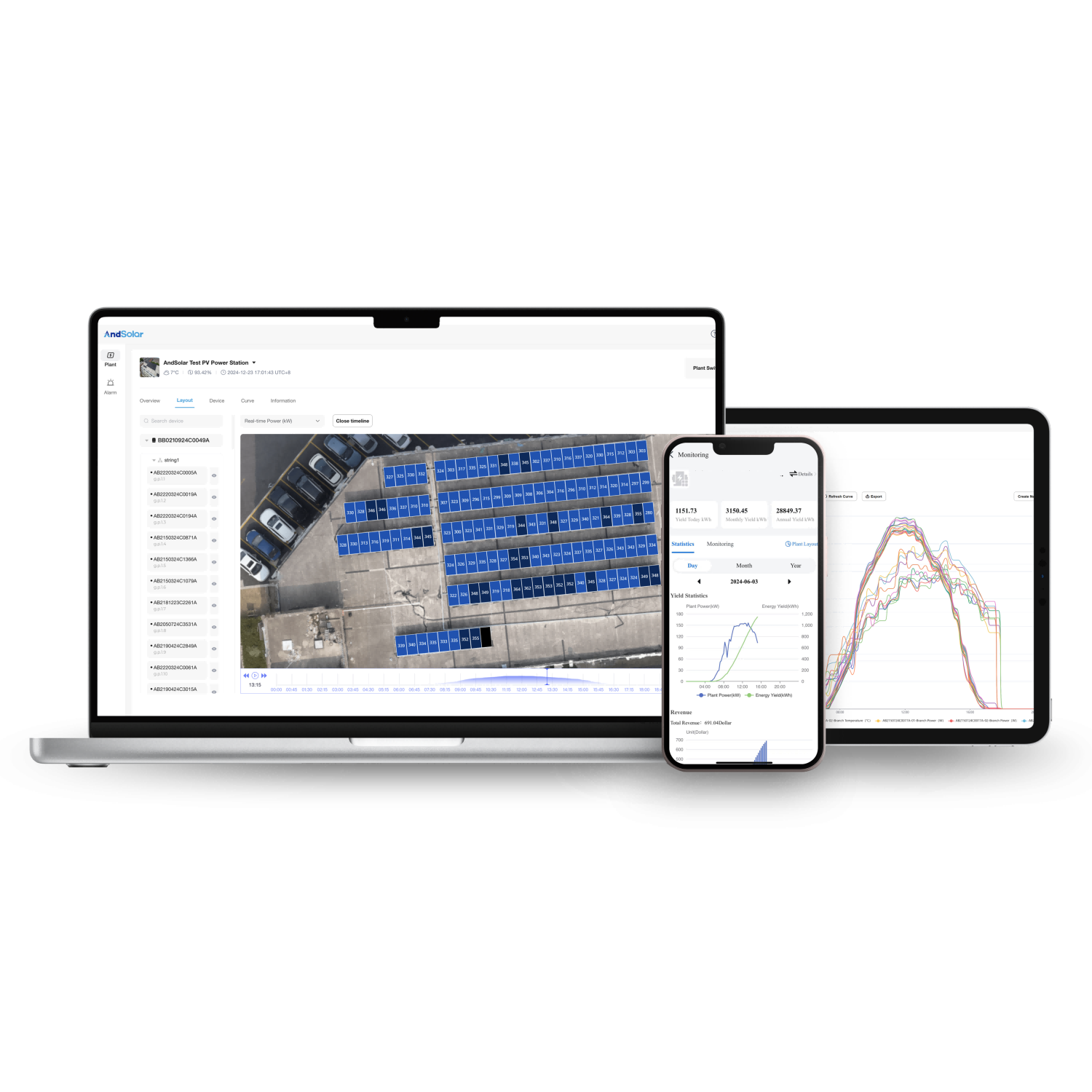
The optimizer system cost features comprehensive real-time monitoring capabilities that provide instant visibility into organizational spending across all departments, projects, and operational areas. This continuous oversight eliminates the delays inherent in traditional monthly or quarterly financial reporting, enabling immediate identification of cost anomalies and budget deviations. The monitoring system tracks expenses as they occur, comparing actual spending against predetermined budgets and triggering automated alerts when predefined thresholds are exceeded. These intelligent alerts are fully customizable, allowing organizations to set specific parameters for different cost categories, departments, or time periods. The real-time nature of this monitoring prevents small cost overruns from escalating into significant financial problems, as managers receive immediate notification of any unusual spending patterns. The system monitors various cost metrics simultaneously, including direct costs, indirect expenses, overhead allocations, and project-specific expenditures. Advanced filtering capabilities allow users to focus on specific cost areas while maintaining awareness of overall financial performance. The monitoring dashboard provides intuitive visualizations that make complex cost data easily understandable for stakeholders at all organizational levels. Color-coded indicators quickly communicate budget status, with green indicating on-target spending, yellow suggesting attention required, and red signaling immediate action needed. The optimizer system cost incorporates exception reporting that highlights unusual transactions or spending patterns that deviate from established norms. These exception reports help identify potential fraud, accounting errors, or unauthorized expenditures before they impact financial statements. Automated alert systems can be configured to notify multiple stakeholders simultaneously, ensuring that relevant personnel are informed immediately of cost concerns. The monitoring system maintains detailed audit trails that document all cost activities, providing comprehensive records for compliance purposes and financial analysis. Integration with mobile devices ensures that key personnel receive cost alerts regardless of their location, supporting timely decision-making in today's mobile business environment. This real-time monitoring capability transforms cost management from periodic review to continuous optimization, providing organizations with unprecedented control over their financial resources.
Seamless Integration and Scalable Architecture for Growing Businesses

Seamless Integration and Scalable Architecture for Growing Businesses

The optimizer system cost is built on a flexible, scalable architecture that seamlessly integrates with existing business systems while accommodating organizational growth and changing operational requirements. This integration capability eliminates the need for costly system replacements or extensive data migration projects, as the platform connects effortlessly with popular enterprise resource planning systems, accounting software, customer relationship management tools, and business intelligence platforms. The system utilizes standardized application programming interfaces and modern integration protocols to ensure compatibility with both legacy systems and cutting-edge technologies. This comprehensive integration approach creates a unified financial ecosystem where cost data flows automatically between different systems, eliminating manual data entry and reducing the risk of errors. The optimizer system cost supports various integration methods including direct database connections, file-based imports, web services, and real-time streaming interfaces. This flexibility ensures that organizations can choose the integration approach that best fits their technical infrastructure and operational preferences. The scalable architecture accommodates businesses of all sizes, from small startups to large multinational corporations, without requiring different software versions or complex licensing arrangements. As organizations grow, the system automatically scales to handle increased data volumes, additional users, and more complex cost structures without performance degradation. Cloud-based deployment options provide unlimited scalability while reducing infrastructure costs and maintenance requirements. The platform supports multi-currency operations, multiple languages, and various accounting standards, making it suitable for international organizations with diverse operational requirements. Security features include encrypted data transmission, secure authentication protocols, and role-based access controls that protect sensitive financial information during integration and daily operations. The optimizer system cost includes comprehensive data mapping tools that facilitate smooth integration by automatically identifying and connecting relevant data fields between systems. Professional services support assists organizations with complex integration requirements, ensuring successful implementation regardless of technical complexity. Regular system updates maintain compatibility with evolving technologies and changing business requirements without disrupting existing integrations. This seamless integration capability positions the optimizer system cost as a central hub for financial management, connecting disparate systems into a cohesive platform that delivers comprehensive cost visibility and control across the entire organization.

Get a Free Quote

Our representative will contact you soon.
Name
Email
Phone/ WhatsApp
Company Name
Product Selection
Message
0/1000

optimizer system cost

Tips And Tricks

When Should You Use Power Optimizers?

17

Jun

When Should You Use Power Optimizers?

Understanding Power Optimizers in Solar Systems What Are Power Optimizers? Power optimizers are applied in solar system for energy harvest purpose. These smart devices are connected to every solar panel to optimise and manage the panel. Pow...
View More
The Role of MLPE in PV Systems.

30

Jun

The Role of MLPE in PV Systems.

Understanding MLPE in Solar PV Systems Defining MLPE Technologies MLPE, (Module-Level Power Electronics), is a crucial factor in increasing the performance of a solar PV system. This includes technology like microinverters and DC optimize...
View More
The Comparison Between Module-Level Rapid Shutdown Devices and String-Level Rapid Shutdown Devices

13

Aug

The Comparison Between Module-Level Rapid Shutdown Devices and String-Level Rapid Shutdown Devices

Advancing Solar Safety Through Modern Shutdown Solutions In the evolving solar energy industry, system safety and compliance with regulations are crucial for long-term performance. Rapid shutdown devices have become a standard requirement in many reg...
View More
When Rapid Shutdown Meets Real-Time Monitoring: The Evolution of Solar Safety

17

Sep

When Rapid Shutdown Meets Real-Time Monitoring: The Evolution of Solar Safety

Transforming Solar Power Protection Through Advanced Safety Integration The landscape of renewable energy has witnessed a remarkable transformation, particularly in the realm of solar safety. As solar installations become increasingly prevalent acros...
View More

Get a Free Quote

Our representative will contact you soon.
Name
Email
Phone/ WhatsApp
Company Name
Product Selection
Message
0/1000